Affordable World-class Treatment - Accredited Hospitals - Free Treatment Plan in 24 Hrs

Share your details to receive a personalised treatment plan, estimated costs, hospital recommendations, and expert guidance, “completely free.”
Your information is protected with HIPAA-compliant security standards. We only share your details with hospitals after your consent.
| City | Minimum Cost (USD) | Minimum Cost (INR) | Maximum Cost (USD) | Maximum Cost (INR) |
|---|---|---|---|---|
| Ahmedabad | USD 19800 | 1695672 | USD 28800 | 2466432 |
| Bangalore | USD 22000 | 1884080 | USD 32000 | 2740480 |
| Chennai | USD 22000 | 1884080 | USD 32000 | 2740480 |
| Delhi | USD 22000 | 1884080 | USD 32000 | 2740480 |
| Faridabad | USD 22000 | 1884080 | USD 32000 | 2740480 |
| Ghaziabad | USD 22000 | 1884080 | USD 32000 | 2740480 |
| Gurgaon | USD 22000 | 1884080 | USD 32000 | 2740480 |
| Gurugram | USD 22000 | 1884080 | USD 32000 | 2740480 |
| Hyderabad | USD 22000 | 1884080 | USD 32000 | 2740480 |
| Kochi | USD 22000 | 1884080 | USD 32000 | 2740480 |
| Kolkata | USD 22000 | 1884080 | USD 32000 | 2740480 |
| Mohali | USD 19800 | 1695672 | USD 28800 | 2466432 |
| Mumbai | USD 22000 | 1884080 | USD 32000 | 2740480 |
| Noida | USD 22000 | 1884080 | USD 32000 | 2740480 |
| Panjim | USD 19800 | 1695672 | USD 28800 | 2466432 |
| City | Cost (USD) | |
|---|---|---|
| Ahmedabad | $19,800 – $28,800 | Explore More |
| Bangalore | $22,000 – $32,000 | Explore More |
| Chennai | $22,000 – $32,000 | Explore More |
| Delhi | $22,000 – $32,000 | Explore More |
| Faridabad | $22,000 – $32,000 | Explore More |
| Ghaziabad | $22,000 – $32,000 | Explore More |
| Gurgaon | $22,000 – $32,000 | Explore More |
| Gurugram | $22,000 – $32,000 | Explore More |
| Hyderabad | $22,000 – $32,000 | Explore More |
| Kochi | $22,000 – $32,000 | Explore More |
| Kolkata | $22,000 – $32,000 | Explore More |
| Mohali | $19,800 – $28,800 | Explore More |
| Mumbai | $22,000 – $32,000 | Explore More |
| Noida | $22,000 – $32,000 | Explore More |
| Panjim | $19,800 – $28,800 | Explore More |


Our dedicated Medical Patient Advisors are here to answer your questions, help you compare treatment options, estimate costs, and guide you through every step of your healthcare journey.
TAVI is a minimally invasive cardiac procedure used to replace a stenotic aortic valve. Instead of open-heart surgery, a catheter-based technique is used, making it a safer alternative for high-risk patients. It is particularly beneficial for elderly patients or those who cannot undergo traditional surgery.
TAVI is performed through a catheter inserted in a blood vessel (usually through the groin or chest). The new valve is delivered to the aortic position and deployed to restore normal blood flow. This procedure offers significant symptomatic relief and improves heart function.
The purpose of TAVI is to treat severe aortic stenosis, a condition in which the aortic valve narrows and prevents blood from flowing from the heart to the body. Untreated heart failure, exhaustion, chest pain, or even abrupt cardiac death may result. Particularly for older patients or those with a high surgical risk, TAVI provides a less invasive option to open heart surgery. TAVI restores normal blood flow, strengthens the heart, and improves quality of life by replacing the constricted valve.
Consult a cardiologist if you experience shortness of breath, chest tightness, light-headedness, fainting spells, or reduced ability to exercise\u2014all common symptoms of aortic stenosis. Elderly individuals or those with known valve disease should undergo regular echocardiograms to monitor valve function. Early referral is crucial once severe narrowing is diagnosed, especially in symptomatic cases.
Pre-procedure preparation involves echocardiography, CT angiography, ECG, and blood tests to evaluate heart anatomy, valve severity, and vascular access. A multidisciplinary \u201cheart team\u201d assesses patient suitability. Medications may need adjustment, and patients are generally advised to fast for 6\u20138 hours before the surgery. Antiplatelet or anticoagulant medications are reviewed, and preoperative counselling is provided to explain risks and expectations.
TAVI is performed under local anaesthesia with sedation or general anaesthesia:
TAVI typically takes 1 to 2 hours. Most patients are monitored in a cardiac ICU for 24\u201348 hours, and the average hospital stay is 2 to 5 days, depending on recovery and underlying health.
Recovery is generally fast, especially with transfemoral access. Patients may walk within a day and resume light activity in a few days. Regular follow-up visits and echocardiograms are needed to monitor valve function. Lifestyle changes, cardiac rehabilitation, and medication adjustments are often recommended to optimise heart health.
TAVI has a success rate of 95\u201398% in appropriately selected patients. It significantly reduces mortality and rehospitalisation rates in severe aortic stenosis. Most patients report a dramatic improvement in symptoms and return to independent living, especially when performed early in the course of the disease.
95-98%
5-year survival in low- to intermediate-risk patients2-4 days
Typical hospital stay1-2 Months
Typical recovery period before resuming most daily activitiesGurgaon, India
Our experienced Medical Patient Advisors have supported 100,000+ patients across 120+ countries with personalised treatment plans, hospital recommendations, cost estimates, and travel assistance, all free.
✓ Free Consultation ✓ No Obligation ✓ Personalized Treatment Plan ✓ Response Within 24 Hours
Your medical info is kept HIPAA-style confidential. We never share with hospitals without your consent.

Opinion & Option
We submit the most accurate opinion and options from one or more countries for your review
Consult Privately
Consult with a certified specialist privately on our telemedicine platform even before you decide to travel
Logistics
We handle flights, visas, transfers, and accommodation—so you can focus on your health.
Recovery
Our In-house rehabilitation service packages to better your recovery and treatment outcome

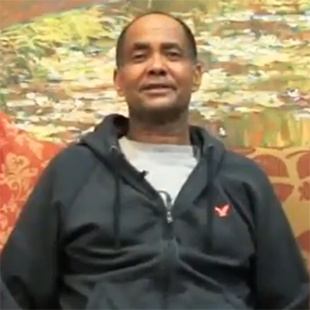
Mr. Hailu Kassa underwent Coronary Artery Bypass Surgery in Vejthani Hospital, Thailand under the supervision of Dr. Piya, Cardio-Thoracic Surgeon

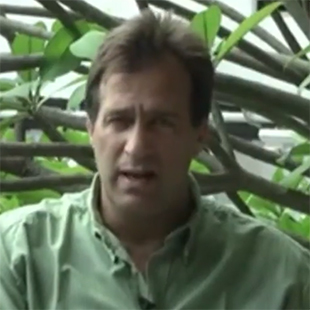
Patient Testimonial: Rod Schaubroeck from United States (U.S.A) underwent heart valve replacement at Fortis Hospital, India
TAVI is ideal for:
The longevity of the TAVI valve depends on the patient’s health and the type of valve used. On average, a biological valve lasts between 10-15 years. Mechanical valves can last for life long depending on the patient's condition. Discuss with your healthcare provider for same.
Though TAVI is less invasive, it carries certain risks:
TAVI has a high success rate of over 90% in India, with significant improvement in patients’ quality of life and longevity.
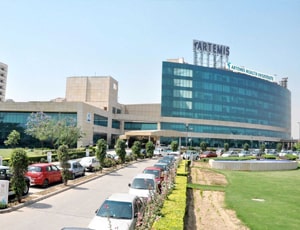
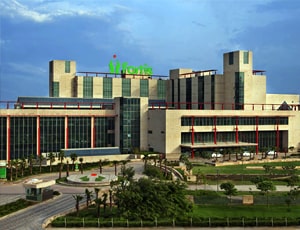
India has top-tier hospitals specializing in cardiac interventions. Some reputed centers include:
It is a non-invasive procedure used for patients with a diseased aortic valve. An aortic valve is replaced with a new one using a catheter. Here's what you can expect after a TAVI :
Have your reports reviewed by independent oncology experts to help you make a confident treatment decision, all online within 48 hours.
Upload Your Reports