Your Notifications
All done, no notifications

CRT - D Cost in India

USD 7000 - USD 25000

Affordable World-class Treatment - Accredited Hospitals - Free Treatment Plan in 24 Hrs

2
Days in Hospital
13
Post-Hospital
85 - 95%
Success Rate
JCI/ISO 100,000+ Patients 24X7 Coordinator Visa & Travel handled
Your all-in-one medical travel platform for treatment, recovery & care.

Get Your Personalised Treatment Plan in Just 24 Hours.

Share your details to receive a personalised treatment plan, estimated costs, hospital recommendations, and expert guidance, “completely free.”

Required | alphabets and spaces
Required | A valid, working email address
Required | A valid contact
Connect with an Expert

Your information is protected with HIPAA-compliant security standards. We only share your details with hospitals after your consent.

Estimated Treatment Cost
USD 7000 - USD 25000
All-inclusive • Hospital + Medications + Recovery Assistance + Dedicated Care Coordinator

International Quality. Affordable Care.

How Much Does CRT-D Cost in India?

The cost of CRT-D in India typically ranges between USD 7000 - USD 25000 depending on the patient's condition.

Factors Influencing the Cost of CRT-D in India

Cardiac Resynchronization Therapy Defibrillator (CRT-D) charges are subject to several variables:

  • Device Type and Model: Different models of CRT-D differ across companies, and additional advanced features such as remote monitoring may increase the cost.
  • Hospital and Surgical Charges: The cost may also vary according to location, prestige, and surgery complexity required for the device's implantation.
  • Surgeon's experience: Depending on where they specialise and the extent of their training, the fees charged by the surgeon and the medical team can influence the overall bill.
  • Pre-surgery tests and diagnostics: Diagnostic imaging examinations before surgery, like MRIs and echocardiograms.
  • Post-Procedure Care: Potential hospital readmissions, medication, rehabilitation, and follow-up visits can increase costs.

What's included in your CRT - D quote?

CRT-D device implantation
fee, CRT-D device, operating room charges
Cardiology consultations
Pre-procedure evaluation, device planning, and post-procedure follow-ups
2–3-day hospital stay
Management
5–7-day in-country follow-up
cardiac assessment, recovery evaluation
Visa & medical-visa invite letter
Airport pickup & transfers

Cost of CRT - D in Major Cities of India

City Cost (USD)
Ahmedabad $6,300 – $22,500 Explore More
Bangalore $7,000 – $25,000 Explore More
Chennai $7,000 – $25,000 Explore More
Delhi $7,000 – $25,000 Explore More
Faridabad $7,000 – $25,000 Explore More
Ghaziabad $7,000 – $25,000 Explore More
Gurgaon $7,000 – $25,000 Explore More
Gurugram $7,000 – $25,000 Explore More
Hyderabad $7,000 – $25,000 Explore More
Kochi $7,000 – $25,000 Explore More
Kolkata $7,000 – $25,000 Explore More
Mohali $6,300 – $22,500 Explore More
Mumbai $7,000 – $25,000 Explore More
Noida $7,000 – $25,000 Explore More
Panjim $6,300 – $22,500 Explore More
Pune $6,300 – $22,500 Explore More

Crt D - India Vs the World

$0 - $0
$7k - $25k
$8k - $15k
$10k - $25k
$11k - $25k
$17k - $40k
$17k - $40k
$18k - $32k
$20k - $30k
$25k - $40k
$25k - $40k
$27k - $41k
$35k - $50k
Fauzia Zeb Fatima
Author

M.Pharm

4 Years of Experience

Last Reviewed - June 2026

Fauzia Zeb is a distinguished medical and scientific content writer with a robust academic foundation in pharmaceutical sciences, holding a B.Pharm and M.Pharm degree from prestigious institutions, including MIT and Jamia Hamdard University. Her comprehensive expertise in pharmacology, clinical sciences, and biomedical research enables her to translate complex medical and scientific concepts into precise, evidence-based content tailored for diverse audiences. Specializing in peer-reviewed articles, clinical blog posts, and research-driven publications, she demonstrates a consistent ability to bridge the gap between advanced medical science and accessible, audience-specific communication.
View More
Dr. Naresh Kumar Goyal
Reviewer

Cardiologist

21 Years of Experience

Last Reviewed - June 2026

Dr. Naresh Kumar Goyal is highly trained as a cardiologist with exposure in virtually all aspects of cardiology. He qualified with an MD in internal medicine in 1999 from SMS Medical College, Jaipur, and served in the Cardiology Department as an honorary resident. From this stage, he also started with training in the temporary pacing of the pacemaker as well as interventional services.
View More

Need Help Choosing the Right Treatment? Talk to a Medical Advisor

Our dedicated Medical Patient Advisors are here to answer your questions, help you compare treatment options, estimate costs, and guide you through every step of your healthcare journey.

15 min
Average response time

Serving Patients Worldwide in Multiple Languages.

Certain heart failure patients are managed through cardiac resynchronisation therapy. It enables an improved and organised contraction of the heart's chambers. The heart pumps more effectively into the body due to CRT. To insert a device in the chest for cardiac resynchronisation therapy (CRT), a minimal procedure is required. CRT devices include:

Pacemaker-supported cardiac resynchronisation treatment (CRT-P): This device is designed for patients with abnormal cardiac signals and certain phases of heart failure. It sends signals that make the bottom chambers of the heart beat together. It allows the heart to fill with blood.

Cardiac resynchronisation therapy with a defibrillator (CRT-D).: An implanted cardioverter-defibrillator (ICD) and a pacemaker are employed in this combination device. For patients with heart failure who also are at risk of sudden death, it may be recommended. It can detect and correct life-threatening cardiac rhythms. It can pace the heart or shock the heart out of a life-threatening rhythm.

Cardiac Resynchronisation Therapy with a Defibrillator (CRT-D) treats certain forms of heart failure, particularly in patients with reduced ejection fraction and abnormal electrical conduction (e.g., left bundle branch block). It combines two treatments: defibrillation, which guards against sudden cardiac death brought on by potentially fatal arrhythmias, and cardiac resynchronisation, which helps the heart's chambers beat in unison. When there is a high risk of deadly arrhythmias or when medication alone is not enough to control symptoms, CRT-D is advised.

If you experience signs of heart failure, such as exhaustion, dyspnea, edema in your legs, or fainting spells, you should consult a cardiologist. CRT-D may be taken into consideration if you have been diagnosed with heart failure with reduced ejection fraction (HFrEF), particularly if your ECG shows a large QRS complex. It’s also appropriate for patients with a history of cardiac arrest or prolonged ventricular arrhythmias. The ideal time for device therapy is determined in part by early consultation.

An ECG, echocardiography, chest X-ray, and occasionally a cardiac MRI or Holter monitor will be performed to evaluate heart function and rhythm before CRT-D installation. Medication evaluations and blood tests are performed, particularly if you are taking blood thinners. Before the surgery, you will need to fast for a few hours. Your physician will outline the surgery procedures and give you preoperative instructions.

  • Implantation: Implantation involves inserting three leads into the heart and placing the device beneath the skin close to the left collarbone.
  • Programming: The device is configured to detect and prevent harmful arrhythmias and synchronise heartbeats.
  • Monitoring: After closing the incision, the patient is watched to ensure proper function.

The CRT-D implantation usually takes two to four hours. The majority of patients spend one to two days in the hospital. Physical activity, particularly arm motions on the implantation side, should be minimised during the typical one to two-week recovery period.

  • Infection or bleeding at the implant site
  • Lead displacement
  • Pneumothorax (collapsed lung)
  • Inappropriate shocks
  • Device malfunction (rare)

CRT-D dramatically lowers the risk of sudden cardiac death, improves heart function, and lessens the symptoms of heart failure. It also reduces hospitalisations and allows patients to return to regular activities with less weariness.

Recovery includes wound care, arm movement restrictions, and careful device performance monitoring. Checking battery life and modifying device settings require follow-up visits. Regular imaging, ECG monitoring, and cardiac rehabilitation are all part of long-term care.

About 70–80% of patients carefully chosen for CRT-D implantation have better cardiac function, higher quality of life, and lower mortality rates.

Explore Hospitals ( 70 )

Delhi, India

4.5 - 4 reviews · 262+ Beds · 259+ Procedures
NABH

Kochi, India

NABH JCI

Pune, India

NABH NABL

Delhi, India

3.9 - 2 reviews · 250+ Beds · 246+ Procedures
JCI NABH

Faridabad, India

NABH

Kochi, India

JCI

Faridabad, India

NABH NABL

Gurgaon, India

NABH NABL

Get Your CRT - D
Plan in 24 hrs.

Our experienced Medical Patient Advisors have supported 100,000+ patients across 120+ countries with personalised treatment plans, hospital recommendations, cost estimates, and travel assistance, all free.

HIPAA-Compliant Data SecurityShared Only with Your Consent

Free Consultation No Obligation Personalized Treatment Plan Response Within 24 Hours

Required | alphabets and spaces
Required | A valid, working email address
Required | A valid contact

Your medical info has is HIPAA-style confidential. We never share with hospitals without your consent.

Process Involved for CRT - D in India

  • Consultation with Specialist: Schedule an appointment with a specialist cardiologist who deals with heart failure and arrhythmias to determine if a CRT-D is the most appropriate step.
  • Staging and Diagnosis: A thorough evaluation of cardiac function is done to determine if a CRT-D is needed using echocardiograms, ECGs, and other diagnostic studies.
  • Individualised Treatment Plan: Considering the patient's heart condition, overall health, and risk factors, the treatment team will develop an individualised treatment plan.
  • Pre-Treatment Counseling: Patients and their families will be informed about the implantation process, potential risks, care after surgery, and device maintenance.
  • Follow-up Care: Frequent regular follow-up visits to monitor CRT-D functioning, manage problems, and assess heart well-being.
  • Heart failure with reduced ejection fraction
  • Ventricular arrhythmias

Patients are considered for the CRT-D if they have:

  • Heart failure with a low ejection fraction (typically less than 35 per cent)
  • Heart failure symptoms despite optimal available medical therapy
  • Elevated risk of arrhythmias or history of possibly lethal arrhythmias
  • Ventricular tachycardia or fibrillation are two instances of arrhythmias associated with heart failure.
  • Pacemaker Implantation
  • ICD
  • Improves cardiac performance and alleviates heart failure symptoms
  • Employs defibrillation therapy to avert potentially lethal arrhythmias.
  • Improves quality of life and reduces hospitalisation for complications arising due to heart failure
  • Fill out the inquiry form: Fill out the form to provide us with the relevant information about your condition.
  • Consult with Our Healthcare Expert: One of our qualified specialists will contact you for a consultation.
  • Receive a Detailed Treatment Plan: After examining your situation, we will provide you with a detailed treatment plan that includes expert views and cost breakdowns for various choices.
  • Choose your preferred option: Choose the therapy option that best suits you.
  • Seamless Organization: We will manage all the details, including visas, flights, accommodations, and transfers, for a stress-free journey.
Jenny Wilson
Your Dedicated Medical Patient Advisor
Treatment planning • Hospital coordination • Multilingual support • Response within 15 minutes.
Our Services to Better your Experience

Opinion & Option

We submit the most accurate opinion and options from one or more countries for your review

Consult Privately

Consult with a certified specialist privately on our telemedicine platform even before you decide to travel

Logistics

We handle flights, visas, transfers, and accommodation—so you can focus on your health.

Recovery

Our In-house rehabilitation service packages to better your recovery and treatment outcome

Patient Stories

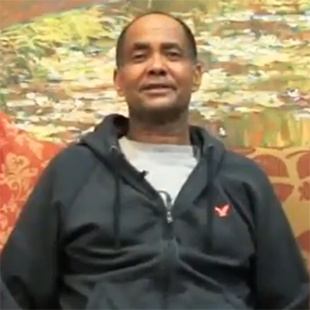
Mr Hailu Kassa : CABG Surgery
Mr Hailu Kassa
Mr Hailu Kassa : CABG Surgery

Mr. Hailu Kassa underwent Coronary Artery Bypass Surgery in Vejthani Hospital, Thailand under the supervision of Dr. Piya, Cardio-Thoracic Surgeon

Rod Schaubroeck
Rod Schaubroeck
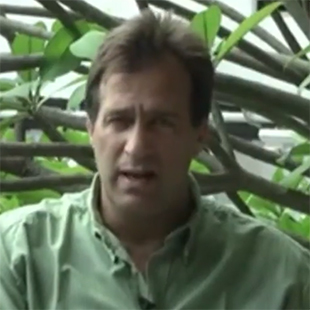
Rod Schaubroeck : Double Valve Replacement

Patient Testimonial: Rod Schaubroeck from United States (U.S.A) underwent heart valve replacement at Fortis Hospital, India

Not Sure About Your Treatment Plan? Get a Free Second Opinion

Have your reports reviewed by independent oncology experts to help you make a confident treatment decision, all online within 48 hours.

Upload Your Reports
Free second opinion on your CAR-T plan