Your Notifications
All done, no notifications

Cardiac Ablation Cost in United Arab Emirates

USD 3600 - USD 6000

Affordable World-class Treatment - Accredited Hospitals - Free Treatment Plan in 24 Hrs

1
Days in Hospital
9
Post-Hospital
80 - 95%
Success Rate
JCI/ISO 100,000+ Patients 24X7 Coordinator Visa & Travel handled
Your all-in-one medical travel platform for treatment, recovery & care.

Get Your Personalised Treatment Plan in Just 24 Hours.

Share your details to receive a personalised treatment plan, estimated costs, hospital recommendations, and expert guidance, “completely free.”

Required | alphabets and spaces
Required | A valid, working email address
Required | A valid contact
Connect with an Expert

Your information is protected with HIPAA-compliant security standards. We only share your details with hospitals after your consent.

Estimated Treatment Cost
USD 3600 - USD 6000
All-inclusive • Hospital + Medications + Recovery Assistance + Dedicated Care Coordinator

International Quality. Affordable Care.

How Much Does Cardiac Ablation Cost in United Arab Emirates?

The price of cardiac catheterisation in United Arab Emirates is generally between USD 3600 - USD 6000 based on the condition of the patient. The procedure can be employed to diagnose or treat heart conditions like abnormal heart rhythms or coronary artery disease.

Additionally, factors like the duration of treatment, the need for follow-up care, and the use of advanced technologies or specialised treatments can further influence the overall cost.

Factors Influencing the Cost of Cardiac Ablation in United Arab Emirates

  • Diagnostic Assessments: To identify the cause of the arrhythmia and curate a treatment plan, many patients will have to undergo several diagnostic tests beforehand, which could include more complex procedures. The price for these tests will depend on the facility and the difficulty level for the corresponding examination.
  • Hospital and Locality: The hospital where the procedure is being done will determine the cost to a large extent. Hospitals with the latest technology and sophisticated equipment will charge more than minor or under-equipped hospitals.
  • The expertise of the Cardiac Surgeon: Skilled Cardiologist providers tend to charge more than the average, especially those skilled or identified as local or national experts.
  • Patient Condition: The price may be influenced by the type of disease to be treated and how intricate the procedure will be. More complex cases are more expensive because they consume more resources and expertise.
  • Post-Operative Care: Overall expenses may increase due to the need for post-operative care, medication, rehabilitation, follow-up visits, etc.

What's included in your Cardiac Ablation quote?

Cardiac ablation procedure
fee, monitoring charges
Cardiology consultations
Pre- evaluation, planning, and follow-ups
1–2-day hospital stay
Inpatient monitoring
5–7-day in-country follow-up
Heart rhythm assessment
Visa & medical-visa invite letter
Airport pickup & transfers

Cost of Cardiac Ablation in Major Cities of United Arab Emirates

City Cost (USD)
Abu Dhabi $3,600 – $6,000 Explore More
Ajman $3,240 – $5,400 Explore More
Dubai $3,600 – $6,000 Explore More
Sharjah $3,600 – $6,000 Explore More

Cardiac Ablation - United Arab Emirates Vs the World

$0 - $0
$2k - $5k
$4k - $6k
$4k - $7k
$4k - $8k
$5k - $8k
$9k - $18k
$12k - $25k
$12k - $25k
$12k - $18k
$15k - $25k
$15k - $28k
$15k - $28k
Dr. Vishwas Kaushik
Author

MBBS, MD

7 Years of Experience

Last Reviewed - June 2026

Dr. Vishwas Kaushik is a qualified medical professional holding an MBBS from the prestigious Belgorod State University, Russia, with a strong foundation in clinical medicine and healthcare practice. His comprehensive medical training has equipped him with a profound understanding of evidence-based clinical practices, patient-centered care, and the evolving landscape of modern medicine. With a keen interest in medical research and scientific communication, he consistently translates complex clinical concepts into clear, accurate, and accessible content for diverse audiences. His work reflects a deep commitment to advancing medical knowledge, delivering impactful healthcare insights, and bridging the gap between clinical expertise and accessible medical communication.
View More
Dr. Naresh Kumar Goyal
Reviewer

Cardiologist

21 Years of Experience

Last Reviewed - June 2026

Dr. Naresh Kumar Goyal is highly trained as a cardiologist with exposure in virtually all aspects of cardiology. He qualified with an MD in internal medicine in 1999 from SMS Medical College, Jaipur, and served in the Cardiology Department as an honorary resident. From this stage, he also started with training in the temporary pacing of the pacemaker as well as interventional services.
View More

Need Help Choosing the Right Treatment? Talk to a Medical Advisor

Our dedicated Medical Patient Advisors are here to answer your questions, help you compare treatment options, estimate costs, and guide you through every step of your healthcare journey.

15 min
Average response time

Serving Patients Worldwide in Multiple Languages.

A medical technique called cardiac ablation is used to treat arrhythmias, certain kinds of heart rhythm issues, for individuals experiencing arrhythmia, heart blockages, heart failure, or similar cardiovascular problems. It involves creating microscopic scars in the heart tissue to halt the abnormal electrical signals that cause the irregular heartbeat.

Cardiac ablation is performed to treat abnormal heart rhythms (arrhythmias), such as atrial fibrillation, atrial flutter, supraventricular tachycardia (SVT), and certain types of ventricular tachycardia. It works by destroying small areas of heart tissue that are causing irregular electrical signals. This procedure is recommended when medications are ineffective, cause side effects, or if the arrhythmia poses a risk of stroke or heart failure.

If you suffer from symptoms like breathing difficulties, chest pain, unexplained fainting, or persistent palpitations, you should see a doctor. These could indicate a significant arrhythmia that needs to be evaluated and may even need cardiac ablation as a treatment.

Seek emergency attention right away if symptoms are severe or unexpected.

Preparation includes a complete cardiac evaluation, including an ECG, Holter monitor, echocardiogram, and sometimes an electrophysiology (EP) study. You’ll be advised to stop eating and drinking 6–8 hours before the procedure. Certain medications, especially blood thinners or antiarrhythmic drugs, may need to be paused. Inform your doctor of any allergies or existing health conditions. Pre-anaesthesia evaluation is also typically done before the procedure.

  • Catheter Insertion: Tiny catheters are guided to the heart via a blood artery, typically in the groin.
  • Electrical Mapping: To identify the source of the arrhythmia, electrodes on the catheters identify aberrant electrical signals.
  • Ablation: The damaged heart tissue is destroyed using either heat (radiofrequency) or cold (cryoablation).
  • Scar Formation: By blocking malfunctioning impulses, the ensuing scar tissue aids in restoring a regular cardiac rhythm.

Cardiac ablation generally takes 2 to 4 hours, depending on the type and location of the arrhythmia. Some complex cases may take longer. After the procedure, a few hours of monitoring in a recovery area are required.

  • Infection or bleeding at the catheter placement site.
  • Damage to blood vessels.
  • Damage to the heart valves.
  • An erratic heartbeat that starts or worsens.
  • Slow heart rate, which could be corrected with a pacemaker.
  • Pulmonary or leg blood clots.
  • A heart attack or stroke.
  • Pulmonary vein stenosis

Cardiac ablation offers a long-term solution for many types of arrhythmias, reducing or eliminating the need for medications. It can significantly improve quality of life by reducing palpitations, fatigue, and the risk of stroke (especially in atrial fibrillation). Many patients experience restored normal heart rhythm and increased exercise capacity. The procedure is minimally invasive, usually with a short hospital stay and a relatively quick recovery.

Post-operative recovery after cardiac ablation includes a short observation period, followed by rest and gradual return to normal activities, with restrictions on heavy lifting and driving for about a week. Medications may be prescribed to manage pain, prevent infection, or control arrhythmias. Regular follow-up appointments are essential to monitor healing and ensure long-term success.

Success rates for cardiac ablation are high, exceeding 90%, especially when treating supraventricular tachycardias (SVT). Success rates for atrial fibrillation (AFib) can range from 70% to 80% following one or more operations, depending on the type and duration of AFib. It lessens dependency on medications and greatly enhances quality of life.

Explore Hospitals ( 23 )

Dubai, United Arab Emirates

4.5 - 1 review · 100+ Beds · 165+ Procedures
JCI

Dubai, United Arab Emirates

JCI

Dubai, United Arab Emirates

1.0 - 1 review · 114+ Beds · 208+ Procedures
JCI NABH NABL

Dubai, United Arab Emirates

4.6 - 1 review · 300+ Beds · 212+ Procedures
JCI

Dubai, United Arab Emirates

JCI

Dubai, United Arab Emirates

4.7 - 2 reviews · 179+ Beds · 645+ Procedures
JCI

Dubai, United Arab Emirates

ACHS JCI

Abu Dhabi, United Arab Emirates

JCI

Abu Dhabi, United Arab Emirates

JCI

Abu Dhabi, United Arab Emirates

3.0 - 2 reviews · 750+ Beds · 177+ Procedures
JCI

Get Your Cardiac Ablation
Plan in 24 hrs.

Our experienced Medical Patient Advisors have supported 100,000+ patients across 120+ countries with personalised treatment plans, hospital recommendations, cost estimates, and travel assistance, all free.

HIPAA-Compliant Data SecurityShared Only with Your Consent

Free Consultation No Obligation Personalized Treatment Plan Response Within 24 Hours

Required | alphabets and spaces
Required | A valid, working email address
Required | A valid contact

Your medical info has is HIPAA-style confidential. We never share with hospitals without your consent.

Process Involved for Cardiac Ablation in United Arab Emirates

  • Consultation with a Cardiologist: To evaluate your condition.
  • Pre-procedure diagnostics: The evaluation includes diagnostic tests and a consultation with your healthcare practitioner to discuss the treatment, its benefits, and potential risks.
  • Procedure: During the ablation procedure, catheters are carefully inserted through small incisions in the neck or groin and guided to the heart using imaging technology. Once in place, the abnormal heart tissue is precisely targeted and eliminated using energy sources such as heat (radiofrequency ablation), cold (cryoablation), or other advanced methods. This process helps restore the heart's rhythm and improve overall function.
  • Atrial fibrillation
  • Atrial flutter
  • Supraventricular tachycardia
  • Ventricular tachycardia

Arrhythmias can be treated using cardiac ablation. However, not every arrhythmia sufferer is a good fit for cardiac ablation. Physicians frequently take into account the following factors when assessing eligibility:

  • Type of Arrhythmia: The existence of a particular cardiac rhythm problem is the main reason for cardiac ablation.
  • Failed Medication Therapy: Patients who have attempted medication but have been unable to manage their arrhythmia symptoms may be candidates for ablation.
  • Symptom Severity: Ablation could be advised if the arrhythmia produces severe symptoms, including palpitations, lightheadedness, fainting, or dyspnoea.
  • Cardioversion
  • Coronary angiography
  • Pulmonary vein isolation
  • Restoration of normal heart rhythm
  • Improved quality of life
  • Reduced dependence on medication
  • Lower risk of complications
  • Minimally invasive procedure:
  • Electrophysiologists, specialised cardiologists skilled in identifying and treating heart rhythm abnormalities, are usually the ones who do cardiac ablation.
  • These specialists have expertise in applying modern tools to map and treat faulty electrical circuits in the heart.
  • Fill out the inquiry form: Fill out the form to provide us with the relevant information about your condition.
  • Consult with Our Healthcare Expert: One of our qualified specialists will contact you for a consultation.
  • Receive a Detailed Treatment Plan: After examining your situation, we will provide you with a detailed treatment plan that includes expert views and cost breakdowns for various choices.
  • Choose your preferred option: Choose the therapy option that best suits you.
  • Seamless Organization: We will manage all the details, including visas, flights, accommodations, and transfers, for a stress-free journey.
Jenny Wilson
Your Dedicated Medical Patient Advisor
Treatment planning • Hospital coordination • Multilingual support • Response within 15 minutes.
Our Services to Better your Experience

Opinion & Option

We submit the most accurate opinion and options from one or more countries for your review

Consult Privately

Consult with a certified specialist privately on our telemedicine platform even before you decide to travel

Logistics

We handle flights, visas, transfers, and accommodation—so you can focus on your health.

Recovery

Our In-house rehabilitation service packages to better your recovery and treatment outcome

Patient Stories

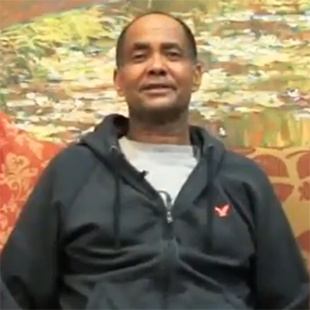
Mr Hailu Kassa : CABG Surgery
Mr Hailu Kassa
Mr Hailu Kassa : CABG Surgery

Mr. Hailu Kassa underwent Coronary Artery Bypass Surgery in Vejthani Hospital, Thailand under the supervision of Dr. Piya, Cardio-Thoracic Surgeon

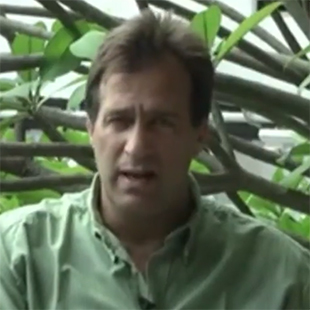
Rod Schaubroeck
Rod Schaubroeck
Rod Schaubroeck : Double Valve Replacement

Patient Testimonial: Rod Schaubroeck from United States (U.S.A) underwent heart valve replacement at Fortis Hospital, India

Not Sure About Your Treatment Plan? Get a Free Second Opinion

Have your reports reviewed by independent oncology experts to help you make a confident treatment decision, all online within 48 hours.

Upload Your Reports
Free second opinion on your CAR-T plan