Your Notifications
All done, no notifications

CABG - Redo Cost in Riyadh

Get a Quote

Affordable World-class Treatment - Accredited Hospitals - Free Treatment Plan in 24 Hrs

7
Days in Hospital
4-8 hrs
Procedure Time
70 - 90%
Success Rate
CABG - High Risk | MediGence
JCI/ISO 100,000+ Patients 24X7 Coordinator Visa & Travel handled
Your all-in-one medical travel platform for treatment, recovery & care.

Get Your Personalised Treatment Plan in Just 24 Hours.

Share your details to receive a personalised treatment plan, estimated costs, hospital recommendations, and expert guidance, “completely free.”

Required | alphabets and spaces
Required | A valid, working email address
Required | A valid contact

Your information is protected with HIPAA-compliant security standards. We only share your details with hospitals after your consent.

Estimated Treatment Cost
All-inclusive • Hospital + Medications + Recovery Assistance + Dedicated Care Coordinator

International Quality. Affordable Care.
The average cost of CABG - Redo in Riyadh ranges between available on request.

Cost of CABG - Redo in Major Cities of Saudi Arabia

CityCost (USD)
Jeddah $7,600 – $12,100 Explore More
Riyadh $7,600 – $12,100 Explore More
Dr. Vihan Gautam
Author

BPT, MS in Healthcare Mgmt

4 Years of Experience

Dr. Vihan Gautam is a distinguished Rehabilitation Specialist and Healthcare Management Professional, holding a Bachelor of Physiotherapy (BPT) from Rajiv Gandhi University of Health Sciences and a Master of Science in Healthcare Management (MSc) from the prestigious University of London, United Kingdom. With specialized clinical experience and his advanced medical knowledge in neuro-rehabilitation, musculoskeletal disorders, and evidence-based physiotherapy practices, enables him to develop patient-centered rehabilitation protocols and AI-driven care models that deliver measurable functional recovery outcomes. His diverse contributions across international rehabilitation programs, multidisciplinary care, and AI-driven healthcare initiatives uniquely position him as an emerging leader in neuro-rehabilitative care globally.
View More
Dr. Naresh Kumar Goyal
Reviewer

Cardiologist

21 Years of Experience

Last Reviewed - June 2026

Dr. Naresh Kumar Goyal is highly trained as a cardiologist with exposure in virtually all aspects of cardiology. He qualified with an MD in internal medicine in 1999 from SMS Medical College, Jaipur, and served in the Cardiology Department as an honorary resident. From this stage, he also started with training in the temporary pacing of the pacemaker as well as interventional services.
View More

Need Help Choosing the Right Treatment? Talk to a Medical Advisor

Our dedicated Medical Patient Advisors are here to answer your questions, help you compare treatment options, estimate costs, and guide you through every step of your healthcare journey.

15 min
Average response time

Serving Patients Worldwide in Multiple Languages.

Coronary artery bypass graft surgery (CABG) is performed to address coronary artery disease (CAD), which occurs when the coronary arteries become narrowed due to the accumulation of fatty material within their walls. These arteries are responsible for supplying oxygen and nutrients to the heart muscle. As CAD progresses, it restricts the flow of oxygen-rich blood to the heart, potentially leading to various heart-related complications.

Traditionally, to bypass a blocked coronary artery, surgeons would make a large incision in the chest and temporarily stop the heart. The breastbone (sternum) is then split lengthwise and spread apart to access the heart. Tubes are inserted into the heart to allow blood to be pumped through a heart-lung bypass machine, which maintains circulation while the heart is stopped.

While this traditional open-heart procedure is still commonly performed and may be preferred in many cases, less invasive methods have been developed. Off-pump procedures, introduced in the 1990s, eliminate the need to stop the heart. Additionally, minimally invasive techniques like keyhole surgery (using small incisions) and robotic-assisted procedures (utilizing a mechanical device) offer alternative approaches for bypassing blocked coronary arteries.

Why one might need CABG?

it is necessary to address blockages or narrowing in one or more coronary arteries. When nonsurgical treatments are not viable options, CABG becomes essential to restore proper blood flow to the heart muscle.

Redo CABG is done when previously grafted bypass vessels fail or when new blockages appear in the coronary arteries. In general, the procedure will have to be undertaken if the patient relapses with chest pain and could be at risk of a heart attack or worsening heart disease.

Patients diagnosed with chest pains, breathlessness, fatigue, or any suspected cardiac symptoms after having undergone a previous bypass operation should urgently see a cardiologist; early evaluation will prevent possible complications from occurring.

You may be required to undergo some special medical tests, discontinue some medications, and control other health conditions such as diabetes or hypertension. You are usually advised to fast before surgery and to look for support to help you after the procedure.

CABG procedures are done with the patient under general anesthesia. The surgeon may choose to reopen the old chest incision combined with sternotomy, or any other method deemed suitable. New grafts are put down to bypass the blocked arteries, possibly while the patient is on the heart-lung machine.

Under usual circumstances, the time lies between 4 and 6 hours.

  • Bleeding
  • Infection
  • Stroke or heart attack
  • Kidney dysfunction
  • Graft failure
  • Respiratory issues
  • Arrhythmias
  • Death (rare but higher than first-time CABG)

Studies have suggested that redo CABG may benefit patients by improving blood flow, reducing symptoms, and enhancing the quality of life. Additionally, in many cases, it could lower one's chance of having a heart attack.

Generally, the patient remains in the ICU for 1 to 2 days and in the hospital for about a week. There is a 6- to 12-week period when full recovery occurs, during which cardiac rehab will help build endurance and strength.

The success rate is between 70% and 90%, depending on individual health factors.

85–95%

Success rate for redo CABG in appropriately selected patients

7–10 days

Typical hospital stay

8–12 weeks

Return to normal daily activities depending on recovery and cardiac rehabilitation
Explore Hospitals ( 3 )

Riyadh, Saudi Arabia

4.0 - 4161 reviews · 325+ Beds · 264+ Procedures
JCI
Chat with a Medical Advisor

Riyadh, Saudi Arabia

4.0 - 2368 reviews · 460+ Beds · 184+ Procedures
JCI
Chat with a Medical Advisor

Riyadh, Saudi Arabia

3.7 - 4358 reviews · 100+ Beds · 179+ Procedures
CBAHI
Chat with a Medical Advisor

Get Your CABG - Redo
Plan in 24 hrs.

Our experienced Medical Patient Advisors have supported 100,000+ patients across 120+ countries with personalised treatment plans, hospital recommendations, cost estimates, and travel assistance, all free.

HIPAA-Compliant Data SecurityShared Only with Your Consent

✓ Free Consultation ✓ No Obligation ✓ Personalized Treatment Plan ✓ Response Within 24 Hours

Required | alphabets and spaces
Required | A valid, working email address
Required | A valid contact

Your medical info is kept HIPAA-style confidential. We never share with hospitals without your consent.

Process Involved for CABG - Redo in Riyadh

  • Evaluation & Preparatory Stage: This includes reviewing the patient's medical history, diagnostic testing, comorbidity assessment, medication optimisation, and surgical approach planning.
  • Redo CABG Procedure: It involves administering anesthesia, performing surgery, and assessing heart function before concluding the procedure.
  • Postoperative Stage: Intensive Monitoring, Pain & Infection Management
  • Rehabilitation & Lifestyle Modification
  • Graft Failure or Occlusion
  • Progression of Native Coronary Artery Disease (CAD)
  • Severe Recurrent Angina
  • Heart Attack
  • Ischemic Heart Failure
  • Progression of Coronary Artery Disease (CAD)
  • Graft Failure
  • Severe Angina
  • Heart Attack
  • Repair or Replacement of Valve
  • Surgical removal of Plaque (Coronary Endarterectomy)
  • Aortic Aneurysm Repair
  • Left Ventricular Assist Device (LVAD) Placement (In advanced heart failure patients)
  • Pacemaker Implantation
  • Restores Blood Flow to the Heart
  • Relieves Chest Pain
  • Prevents Heart Attack
  • Increases Longevity and Quality of Life
  • Improves Heart Function
  • Enhances Energy & Activity Levels
  • Cardiac Surgeon
  • Interventional Cardiologist
  • Perfusionist
  • Intensive Care Specialists
  • Cardiologist ( for follow-up)
  • Physiotherapist
  • Rehabilitation Specialists
  • Fill out the inquiry form: Fill out the form to provide us with the relevant information about your condition.
  • Consult with Our Healthcare Expert: One of our qualified specialists will contact you for a consultation.
  • Receive a Detailed Treatment Plan: After examining your situation, we will provide you with a detailed treatment plan that includes expert views and cost breakdowns for various choices.
  • Choose your preferred option: Choose the therapy option that best suits you.
Jenny Wilson
Your Dedicated Medical Patient Advisor
Treatment planning • Hospital coordination • Multilingual support • Response within 15 minutes.
Our Services to Better your Experience

Opinion & Option

We submit the most accurate opinion and options from one or more countries for your review

Consult Privately

Consult with a certified specialist privately on our telemedicine platform even before you decide to travel

Logistics

We handle flights, visas, transfers, and accommodation—so you can focus on your health.

Recovery

Our In-house rehabilitation service packages to better your recovery and treatment outcome

Patient Stories

Prithiviraj Bhurtun for Redo-CABG in India
Prithiviraj Bhurtun
Prithiviraj Bhurtun for Redo-CABG in India

This is the testimonial of Mr. Prithiviraj Bhurtun, a heart patient from Mauritius. He had already undergone a Heart Bypass…

Frequently Asked Questions

The cost of Redo Coronary Artery Bypass Grafting (Redo CABG) in Riyadh is available on request, and it varies based on the complexity of the coronary disease, the number of grafts required, the condition of previous grafts, surgical technique, hospital, surgeon expertise, ICU stay, and the patient's overall health. Because redo CABG is technically more complex than first-time CABG, the final estimate is usually determined after reviewing angiography, previous surgical records, cardiac imaging, and other investigations.

Some of the best hospitals in Riyadh for CABG-redo include:
  • Care national Hospital
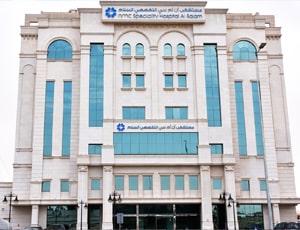
  • NMC Specialty Hospital Al Salam
  • Riyadh Care Hospital
  • Choose an experienced cardiothoracic or cardiac surgeon who regularly performs complex redo CABG procedures. Look for experience with repeat sternotomy, management of existing bypass grafts, arterial and venous graft selection, and patients with multiple cardiac risk factors. The hospital should also have advanced cardiac imaging, intensive care, blood-bank support, and emergency cardiac services.

    The success rate, such as 70 - 90%, of redo CABG depends on the patient's age, heart function, coronary anatomy, previous graft status, kidney and lung function, diabetes, and other medical conditions. Redo CABG generally carries greater procedural risk than first-time CABG because of scar tissue and the possibility of injury to existing grafts or surrounding structures. Therefore, an individualised risk assessment is more meaningful than a single success-rate figure.

    Previous surgery creates scar tissue and adhesions around the heart and major vessels. During a repeat sternotomy, existing bypass grafts may also be close to the breastbone, increasing the risk of graft or cardiac injury during re-entry.

    No. The treatment depends on why the previous grafts have failed or become narrowed, the condition of the native coronary arteries, symptoms, heart function, and overall surgical risk. PCI may be considered instead of redo CABG in appropriate patients.

    Usually, the surgeon evaluates which previous grafts remain open and which have failed. New grafts may be required, while suitable existing arterial grafts may sometimes remain part of the revascularisation strategy. Detailed coronary imaging is essential for planning.

    Evaluation commonly includes coronary angiography, echocardiography, ECG, blood tests, chest imaging, and assessment of kidney and lung function. CT angiography may also be useful in selected patients to understand the relationship between the sternum, heart, and existing bypass grafts before repeat surgery.

    In selected patients, off-pump CABG may be considered, but it is not appropriate for everyone. The decision depends on the coronary anatomy, previous grafts, target vessels, surgeon expertise, and overall risk. The surgical team determines the safest approach for each individual patient.

    Depending on the patient's anatomy, hospitals may use advanced coronary angiography, CT angiography, intraoperative imaging, cardiopulmonary bypass, advanced myocardial-protection techniques, and arterial or venous grafts in Riyadh. In selected cases, off-pump CABG, minimally invasive approaches, or hybrid revascularisation may be considered. The choice depends on the location of blockages, previous grafts, target vessels, and overall surgical risk.

    Redo CABG has additional risks because scar tissue from the previous operation can make reopening the chest and separating the heart more difficult. Potential complications include bleeding, injury to existing bypass grafts or nearby structures, heart attack, stroke, infection, abnormal heart rhythm, kidney or lung complications, blood transfusion, and prolonged recovery. The individual risk varies considerably between patients.

    Before travelling to Riyadh, obtain a complete cardiac assessment and send your previous CABG records to the treating team. Important documents may include coronary angiography or CT angiography, echocardiography, ECGs, previous operative reports, discharge summaries, medication lists, and recent blood tests. Do not stop aspirin, anticoagulants, or other cardiac medicines without instructions from your treating physician.

    Yes. International patients can usually arrange an online consultation with a cardiac surgeon before travelling to Riyadh. Previous angiography, CT scans, echocardiograms, operative reports, and other medical records can be reviewed to determine whether redo CABG, PCI, or another treatment approach may be appropriate. This can also help establish the expected investigations, hospital stay, and treatment plan before travel.

    Patients should carry their passport and travel documents along with previous CABG operative notes, coronary angiography and CT reports, echocardiograms, ECGs, laboratory reports, discharge summaries, medication lists, allergy information, and records of previous cardiac interventions. Imaging should ideally be available in its original digital format as well as in printed reports.

    The duration varies because redo CABG can require more extensive surgery and recovery than primary CABG. Patients may spend several days in intensive care followed by additional days in the cardiac ward. International patients should generally plan for several weeks in Riyadh, including postoperative monitoring and follow-up, before returning home. The surgeon should provide individual travel clearance.

    Recovery varies according to the surgical approach and the patient's health. Recovery after conventional CABG commonly takes around 6–12 weeks, while redo CABG may require additional time because of its greater complexity. Cardiac rehabilitation, gradual physical activity, medication adherence, and regular follow-up are important components of recovery.

    If complications occur during hospitalisation, the cardiac and critical-care team can provide immediate investigation and treatment. After returning home, patients should maintain communication with their cardiac team and arrange follow-up with a local cardiologist. Symptoms such as severe chest pain, significant breathlessness, fainting, high fever, wound infection, or sudden neurological symptoms require urgent medical evaluation.

    International patients can begin by submitting their previous CABG records, angiography, cardiac imaging, and current medical reports for specialist review. After evaluation, the hospital can provide a proposed treatment plan, expected hospitalisation, estimated treatment cost, and admission requirements in Riyadh. Once the plan is confirmed, travel and international-patient arrangements can be coordinated.

    Riyadh may be considered by international patients seeking specialised cardiac care, experienced cardiac surgeons, advanced cardiac imaging, modern operating facilities, and structured postoperative care. For redo CABG specifically, the experience of the cardiac surgery team and the hospital's ability to manage complex re-entry and high-risk cardiac cases should be given priority over cost alone.

    Treatment is determined by the patient's coronary anatomy and the condition of previous bypass grafts. Options may include redo CABG using arterial or venous grafts, PCI/stenting of native coronary arteries or bypass grafts, or a hybrid revascularisation strategy in Riyadh. In some patients with previous CABG, PCI may be preferred over redo surgery when clinically appropriate because repeat surgery carries additional procedural risks.

    FAQ's Related to Saudi Arabia

    The public and private healthcare systems in Riyadh both offer high-quality care. Additionally, the government's Ministry of Health offers the general public almost 60% of its services, including outpatient care, professional services, hospitals, and primary healthcare facilities. All medical professionals in Riyadh are subject to regulation by the Saudi Commission for Health Specialties. The nation's public healthcare system is accessible to the government and residents of Riyadh. Furthermore, a variety of services are given at free cost, including GPs providing a variety of services, including Hospitalisation, Dentistry, and Medications on prescription. In Riyadh, foreign nationals can receive private medical care are hospitals, clinics, and health centers. In Riyadh, there is no standardized registration process because foreigners cannot use the public healthcare system. A person must enroll in private health insurance through their employer in order to receive a health insurance card. With the help of this card, you can pay for private healthcare providers and services like physicians' visits, hospital stays, and therapy sessions. Alternative and complementary therapies are frequently practiced in the city. These are referred to as Islamic Medicine in the neighborhood.

    The hospitals in Riyadh deliver quality care and treatment. They are internationally recognized and accredited by healthcare organizations like JCI and ISO. Some of the top hospitals in the city include:

    1. Riyadh Care Hospital: Riyadh is a super specialty hospital where patients are treated for illnesses linked to numerous treatment subcategories. The Emergency Department, Asthma and Allergy Chest Unit, Children's Emergency Department, Dental Center, Respiratory Therapy, Dialysis Center, Eye Diseases Unit, and Department of Dermatology are just a few of the services offered by this hospital.
    2. Care National Hospital: Care National is a renowned hospital in Riyadh with a Department of Surgery, Department of Eye, Ear, Nose, and Throat, Department of Internal Medicine, Department of Urinary Tract, Department of Intensive Care for Adults and Children, Department of Heart Diseases, Department of Dermatology, Department of Digestive Diseases, Dental Department, Department of Binoculars, Radiology Department, etc.
    3. NMC Specialty Hospital Al Salam: A multispecialty hospital, NMC Specialty Hospital Al Salam offers care in a number of therapeutic areas. Gynecology, neurology and neurosurgery, cardiology, pulmonology, ENT, pediatrics, internal medicine, ophthalmology, general surgery, dental care, and emergency services are among the specialties provided by this hospital.

    The doctors in Riyadh play a vital role in delivering top-level healthcare services focusing on each patient’s needs. Some of the top doctors in the city include:

    1. Dr. Abdelhalim Salah Morsi: Dr. Morsi is a general laparoscopic surgeon with over 8 years of experience. He has performed surgery on many patients and is skilled in his treatment area.
    2. Dr. Abdullah Ashmeg Khalifa Ashmeg: Dr. Asgmeg is a highly experienced heart specialist with an experience of over 20 years in the clinical field. He can deal with patients suffering from heart blockage, cholesterol, heart attack, etc.
    3. Dr. Abdulfattah Ali Mahmoud Abdulmutal: Dr. Sbdulmutal is an ENT specialist with over 20 years of experience in this area.

    Riyadh is an easily reachable city by train, bus, and flight. The nearest airport to Riyadh is Riyadh (RUH) Airport from where you can travel to the city by bus or cab. If you are planning to undergo treatment here, MediGence can assist you in planning your medical travel.

    Not Sure About Your Treatment Plan? Get a Second Opinion

    Get your medical reports reviewed by experienced doctors to help you make a confident treatment decision, all online within 48 hours.

    Upload Your Reports
    Free second opinion on your CAR-T plan