Your Notifications
All done, no notifications

Balloon Atrial Septostomy Cost in Thailand

USD 5000 - USD 10000

Affordable World-class Treatment - Accredited Hospitals - Free Treatment Plan in 24 Hrs

2
Days in Hospital
18
Post-Hospital
90 - 95%
Success Rate
Balloon Atrial Septostomy
JCI/ISO 100,000+ Patients 24X7 Coordinator Visa & Travel handled
Your all-in-one medical travel platform for treatment, recovery & care.

Get Your Personalised Treatment Plan in Just 24 Hours.

Share your details to receive a personalised treatment plan, estimated costs, hospital recommendations, and expert guidance, “completely free.”

Required | alphabets and spaces
Required | A valid, working email address
Required | A valid contact
Connect with an Expert

Your information is protected with HIPAA-compliant security standards. We only share your details with hospitals after your consent.

Estimated Treatment Cost
USD 5000 - USD 10000
All-inclusive • Hospital + Medications + Recovery Assistance + Dedicated Care Coordinator

International Quality. Affordable Care.

How Much Does Balloon Atrial Septostomy Cost in Thailand?

The cost of Balloon Atrial Septostomy in Thailand is USD 5000 - USD 10000

Additionally, factors like the duration of treatment, the need for follow-up care, and the use of advanced technologies or specialized treatments can further influence the overall cost.

Factors Influencing the Cost of Balloon Atrial Septostomy:

  • Type of Treatment: Done for Transposition of the Great Arteries (TGA) and Hypoplastic Left Heart Syndrome (HLHS). It is done as a palliative and interventional procedure.
  • Hospital and Location: This is equivocal because of the increased overhead cost that accompanies operations in large cities or urban areas compared to the countryside. It often costs more to stay in a private hospital or clinic.
  • Surgeon’s Expertise: Very experienced or specialized surgeons, particularly those acknowledged as regional or international experts, may well be more expensive than the average.
  • Pre-treatment tests: clinical investigations, mainly including imaging studies, blood tests, endoscopic examinations, and heart, lung, and kidney function tests. The performance of these tests enables the assessment of the general well-being of the patient and the possibility of surgery. These tests include X-ray, MRI, and CT.
  • Post-Surgical Care: In addition to the price, the costs of aftercare, such as hospitalization, physiotherapy, anesthesia and pain medication, follow-up visits, and possible complications, will also be included.
  • Length of Hospital Stay: Complex surgeries or complications may increase hospitalization costs.

Balloon atrial septostomy (BAS) is an interventional cardiovascular procedure whereby a defect is created on the septum that separates the two atria, and the heart’s upper chambers. The procedure is done on unborn babies who have been diagnosed in the womb with a form of congenital heart disease called hypoplastic left heart syndrome with intact septum, which is the worst and most complex type of the disease. HLHS is a severe form of congenital heart disease and babies affected by this disorder need emergency care at birth.

This procedure helps to reduce the pressure on the right ventricle of the heart. Typically, with surgery, one has low levels of oxygen in their blood but the heart failure decreases. Open atrial septectomy is performed only in certain conditions when the benefits of such a procedure are thought to be greater than its potential risks.

What's included in your Balloon Atrial Septostomy quote?

Balloon atrial septostomy procedure
Pediatric fee, catheter-based procedure
Cardiology consultations
Evaluation, procedure, and follow-ups
2–3-day hospital stay
Cardiac monitoring
Key: 5–7-day in-country follow-up
Echocardiogram and cardiologist consultation
Visa & medical-visa invite letter
Airport pickup & transfers

Cost of Balloon Atrial Septostomy in Major Cities of Thailand

City Cost (USD)
Bangkok $5,000 – $10,000 Explore More

Balloon Atrial Septostomy - Thailand Vs the World

$0 - $0
$2k - $5k
$3k - $8k
$5k - $10k
$5k - $10k
$5k - $10k
$8k - $16k
$8k - $15k
$15k - $30k
$15k - $30k
$20k - $35k
Dr. Vihan Gautam
Author

BPT, MS in Healthcare Mgmt

4 Years of Experience

Last Reviewed - June 2026

Dr. Vihan Gautam is a distinguished Rehabilitation Specialist and Healthcare Management Professional, holding a Bachelor of Physiotherapy (BPT) from Rajiv Gandhi University of Health Sciences and a Master of Science in Healthcare Management (MSc) from the prestigious University of London, United Kingdom. With specialized clinical experience and his advanced medical knowledge in neuro-rehabilitation, musculoskeletal disorders, and evidence-based physiotherapy practices, enables him to develop patient-centered rehabilitation protocols and AI-driven care models that deliver measurable functional recovery outcomes. His diverse contributions across international rehabilitation programs, multidisciplinary care, and AI-driven healthcare initiatives uniquely position him as an emerging leader in neuro-rehabilitative care globally.
View More
Dr. Naresh Kumar Goyal
Reviewer

Cardiologist

21 Years of Experience

Last Reviewed - June 2026

Dr. Naresh Kumar Goyal is highly trained as a cardiologist with exposure in virtually all aspects of cardiology. He qualified with an MD in internal medicine in 1999 from SMS Medical College, Jaipur, and served in the Cardiology Department as an honorary resident. From this stage, he also started with training in the temporary pacing of the pacemaker as well as interventional services.
View More

Need Help Choosing the Right Treatment? Talk to a Medical Advisor

Our dedicated Medical Patient Advisors are here to answer your questions, help you compare treatment options, estimate costs, and guide you through every step of your healthcare journey.

15 min
Average response time

Serving Patients Worldwide in Multiple Languages.

Infants with congenital heart abnormalities can survive until they have corrective surgery with the use of a septostomy. The Rashkind procedure or balloon atrial septostomy is another term for septostomy. Because it affects the atria, the two upper chambers of the infant's heart, the treatment is referred to as "atrial."

A small opening in the septum of a fetus is called the foramen ovale. The wall separating their heart's left and right halves is called the septum. Blood can move from the right side of the fetus's heart to the left side through the foramen ovale. A balloon catheter is used during the septostomy procedure to enlarge the foramen ovale and permit blood from both sides of the heart to mix. Thus, blood with and without oxygen combine. To give the baby enough time for surgery, the method maintains the foramen ovale open.

This is a percutaneous technique, which means that a medical professional will penetrate the skin with a needle and implant a catheter. A balloon within the catheter enlarges a hole that exists naturally in the infant's heart. Blood with more oxygen can mingle with blood with less oxygen through this opening. The baby's body can then begin to circulate this partially oxygenated blood after it has left the heart. The infant's blood would simply be low in oxygen flowing through their body without this pathway.

A Septostomy is not exactly an open cardiac surgery. Rather, it's an interim solution to bridge the time between birth and surgery.

General classification of Septostomy:

  • Balloon atrial septostomy (BAS)- is a medical procedure used mostly in cases of poor mixing of oxygenated and deoxygenated blood at the atrial level, such as transposition of the great arteries (TGA).
  • Rashkind Balloon Atrial Septostomy- Applied only to infants with intact ventricular septum and transplacental ablation.
  • Blade Atrial Septostomy- Applied in difficult situations when balloon procedures are impractical or ineffective.
  • Surgical atrial septostomy- Taken into consideration when catheter-based methods are impractical or have not worked.

Septostomy is required by:

  • Some cyanotic heart abnormalities in infants may require a septostomy. These are abnormalities that stop the infant's blood which is low in oxygen from getting to its lungs to receive more oxygen hence, the body's tissues are deprived of oxygen when this occurs. Their skin turns blue due to oxygen deprivation (cyanosis). It is extremely dangerous, severe cyanosis requires emergency medical attention.
  • Some medications, including prostaglandin E1, may be given to infants with these conditions to help them breathe better.

In cases of congenital heart abnormalities, such as transposition of the great arteries or hypoplastic left heart syndrome, balloon atrial septostomy is performed to create or enlarge a hole between the heart's atria, improving blood flow. It improves oxygen levels by equalising pressures in the heart chambers.

Consult a physician if you have unexpected changes in your health, such as breathing difficulties or chest pain, or if your symptoms are persistent and odd. Seek medical help if things don't get better or get worse.

Your doctor will give you detailed advice on how to be ready for a balloon atrial septostomy, which can include fasting beforehand. You may need to stop certain medications, and an assessment of your overall health will be conducted.

During a balloon atrial septostomy, a balloon is inflated to create or widen a hole between the atria after a catheter is inserted through a blood supply to the heart. This helps improve blood flow and oxygen levels in cases of congenital heart defects

Completing a balloon atrial septostomy usually takes 30 to 60 minutes. Depending on the patient's condition and the case's intricacy, the length of time may change.

  • Bleeding at the catheter insertion site
  • Infection
  • Heart arrhythmias
  • Blood clot formation
  • Cardiac perforation

Infants with congenital heart abnormalities benefit from balloon atrial septostomy in terms of improved oxygenation and blood flow. It provides a temporary solution to stabilize the patient before further surgeries or treatments.

After a balloon atrial septostomy, post-operative rehabilitation involves monitoring for issues like bleeding or arrhythmias. For observation, patients might have to remain in the hospital for a few hours to a day.

Studies show that around 98% of patients who undergo balloon atrial septostomy (BAS) experience rapid success.

Explore Hospitals ( 1 )

Bangkok, Thailand

JCI GHA

Get Your Balloon Atrial Septostomy
Plan in 24 hrs.

Our experienced Medical Patient Advisors have supported 100,000+ patients across 120+ countries with personalised treatment plans, hospital recommendations, cost estimates, and travel assistance, all free.

HIPAA-Compliant Data SecurityShared Only with Your Consent

Free Consultation No Obligation Personalized Treatment Plan Response Within 24 Hours

Required | alphabets and spaces
Required | A valid, working email address
Required | A valid contact

Your medical info has is HIPAA-style confidential. We never share with hospitals without your consent.

Process Involved for Balloon Atrial Septostomy in Thailand

  • Preoperative Evaluation Stage: Imaging is used to confirm the diagnosis, anesthesia is administered, and IV access with vital sign monitoring is set up.
  • Catheter Insertion & Balloon Placement
  • Balloon Inflation & Atrial Septum Dilation
  • Post-Procedure Monitoring: The patient receives the appropriate supportive care while being monitored for oxygen levels, cardiac function, and problems in the intensive care unit.
  • Recovery & Follow-Up
  • Transposition of the Great Arteries (TGA)
  • Hypoplastic Left Heart Syndrome (HLHS)
  • Restrictive Atrial Septal Defect (ASD)
  • Severe Pulmonary Hypertension
  • Other Congenital Heart Defects
  • Newborns with Transposition of the Great Arteries (TGA)
  • Infants with Hypoplastic Left Heart Syndrome (HLHS)
  • Patients with Restrictive Atrial Septal Defect (ASD)
  • Severe Pulmonary Hypertension Cases
  • Critically Ill Infants with low oxygen levels
  • Echocardiography
  • Cardiac Catheterization
  • Arterial Blood Gas (ABG) Analysis
  • Prostaglandin Therapy
  • Definitive Corrective Surgery
  • Improves Oxygenation
  • Stabilises Critically Ill Newborns
  • Reduces Right Atrial Pressure
  • Minimally Invasive Procedure
  • Allows Time for Definitive Surgery
  • Pediatric Cardiologist
  • Interventional Cardiologist
  • Cardiac Surgeon
  • Fill out the inquiry form: Fill out the form to provide us with the relevant information about your condition.
  • Consult with Our Healthcare Expert: One of our qualified specialists will contact you for a consultation.
  • Receive a Detailed Treatment Plan: After examining your situation, we will provide you with a detailed treatment plan that includes expert views and cost breakdowns for various choices.
  • Choose your preferred option: Choose the treatment option that suits you the best.
Jenny Wilson
Your Dedicated Medical Patient Advisor
Treatment planning • Hospital coordination • Multilingual support • Response within 15 minutes.
Our Services to Better your Experience

Opinion & Option

We submit the most accurate opinion and options from one or more countries for your review

Consult Privately

Consult with a certified specialist privately on our telemedicine platform even before you decide to travel

Logistics

We handle flights, visas, transfers, and accommodation—so you can focus on your health.

Recovery

Our In-house rehabilitation service packages to better your recovery and treatment outcome

Patient Stories

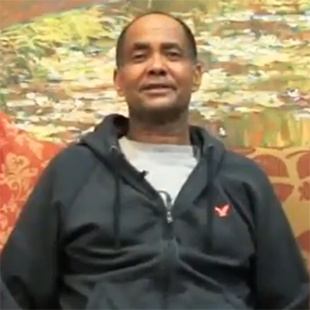
Mr Hailu Kassa : CABG Surgery
Mr Hailu Kassa
Mr Hailu Kassa : CABG Surgery

Mr. Hailu Kassa underwent Coronary Artery Bypass Surgery in Vejthani Hospital, Thailand under the supervision of Dr. Piya, Cardio-Thoracic Surgeon

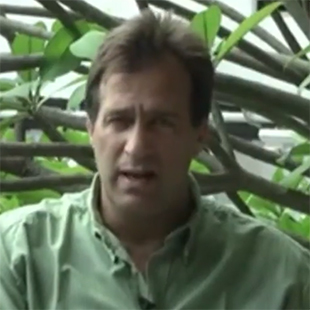
Rod Schaubroeck
Rod Schaubroeck
Rod Schaubroeck : Double Valve Replacement

Patient Testimonial: Rod Schaubroeck from United States (U.S.A) underwent heart valve replacement at Fortis Hospital, India

Conditions treated by Balloon Atrial Septostomy

Frequently Asked Questions

The Balloon Atrial Septostomy package cost in Thailand varies from one hospital to another and may offer different benefits. The top hospitals for Balloon Atrial Septostomy in Thailand covers all the expenses related to the pre-surgery investigations of the candidate. The treatment cost usually includes the expenses related to hospitalization, surgery, nursing, medicines, and anesthesia. Extended hospital stay, complications after the surgery or new diagnosis may affect the overall cost of Balloon Atrial Septostomy in Thailand.

There are many hospitals across the country that offer Balloon Atrial Septostomy to international patients. For quick reference, the following are some of the leading hospitals for Balloon Atrial Septostomy in Thailand:

  1. Bangpakok 9 International Hospital (BPK 9)

The recovery of the patient many vary, depending on several factors. However, on an average, patient is supposed to stay for about 20 days in the country after discharge. This duration of stay is recommended to complete all the necessary follow-ups and control tests to ensure that the surgery was successful.

Apart from the Balloon Atrial Septostomy cost, the patient may have to pay for additional daily expenses such as for guest house after discharge and meals. The extra charges may start from USD 50 per person.

There are many cities that offer Balloon Atrial Septostomy in Thailand, including the following:

  • Krabi
  • Bangkok

It is possible for patients to opt for video telemedicine consultation before they come for Balloon Atrial Septostomy in Thailand. Some of the surgeons offering this service include the following

DoctorCostSchedule Your Appointment
Dr. Vichai BenjacholamasUSD 81Schedule Now

The average duration of stay at the hospital after Balloon Atrial Septostomy is about 2 days for proper care and monitoring. During the recovery, the patient is carefully monitored and control tests are performed to see that everything is okay. If required, physiotherapy sessions are also planned during recovery in hospital.

There are more than 1 hospitals that offer Balloon Atrial Septostomy in Thailand. Such clinics have the required infrastructure and a dedicated unit where patients can be treated. Also, these hospitals follow the necessary guidelines as required by the medical associations for the treatment of Balloon Atrial Septostomy patients.

Some of the top medical specialists for Balloon Atrial Septostomy in Thailand are:

  1. Dr. Krittaporn Pumchand
  2. Dr. Suppree Thanamai
  3. Dr. Saeed Abdulkadir
  4. Dr. Amorn Jongsathapongpan
  5. Dr. Amphon Ithirithanont

Not Sure About Your Treatment Plan? Get a Free Second Opinion

Have your reports reviewed by independent oncology experts to help you make a confident treatment decision, all online within 48 hours.

Upload Your Reports
Free second opinion on your CAR-T plan