Pulmonary Atresia Treatment in Thailand
- Top Accredited Hospitals
- Global Medical Standards
- Cutting-Edge Technology
- Proven Treatment Options
- High Success Rate
- Trusted by Millions

What is Pulmonary atresia?
A congenital defect of the heart is called pulmonary atresia. It is, therefore, a congenital cardiac defect. The valve that facilitates blood flow from the heart to the lungs malfunctions in this illness. The valve is called the pulmonary valve.
A solid sheet of tissue forms in place of an opening and closing valve. Because of this, blood cannot usually acquire oxygen from the lungs. Instead, other natural channels within the heart and its arteries carry some blood to the lungs.
These additional routes are necessary for a developing fetus. However, they often close shortly after delivery. As a potentially fatal disorder, pulmonary atresia requires immediate medical attention.
What is the Importance of Timely Treatment?
As pulmonary atresia is a congenital heart abnormality that involves the underdevelopment or absence of the pulmonary valve, which prevents blood flow from the heart to the lungs, timely intervention is essential to avoid serious problems.
To restore normal blood flow, lessen cardiac strain, and prevent heart failure, early intervention, often by surgery or catheter-based procedures, is important. Growth delays, respiratory distress, and cyanosis are among the potentially fatal complications that might result from postponing therapy.
Immediately treating the illness can lower the risk of long-term consequences, such as pulmonary hypertension, improve quality of life, and increase the likelihood of normal development.
What are the Common Symptoms of Pulmonary atresia?
Pulmonary atresia symptoms might include the following and typically show in the first few hours or days of a baby's life:
- Breathing quickly
- A bluish tint to the skin, particularly on the fingers, toes, and lips
- Clammy, pale or cool skin
- Breathing issues
- Fatigue or exhaustion
- Irritability
- Poor feeding
Causes, Risk Factors and Complications of Pulmonary atresia
Causes
- Pulmonary atresia has no known cause. The baby's heart forms and begins to beat throughout the first six weeks of pregnancy.
- During this critical time, the main blood arteries that supply and drain the heart also start to form. A congenital heart condition like pulmonary atresia might begin to appear at this stage of a baby's development.
Risk Factors
Risk factors consist of:
- Obesity.
- Use of tobacco or alcohol.
- Diabetes.
- Pregnancy-related use of some medications, such as blood pressure and acne medications.
Specific congenital cardiac abnormalities run in families. They are inherited as a result.
Complications
Pulmonary atresia complications can include:
- Infectious endocarditis is a bacterial infection of the heart's inner lining and valves
- Arrhythmias are irregular heartbeats
- Impairment of cardiac function
Connect with our advisor for a PRIORITY response
Latest Research and Technologies in the Treatment of Pulmonary atresia in Thailand
In Thailand, the treatment of pulmonary atresia has evolved due to innovative surgical techniques and minimally invasive procedures.
Key technologies include 3D imaging for accurate heart imaging, catheter-based procedures such as balloon valvuloplasty to release blocked valves, and pulmonary artery stenting.
Ongoing research focuses on genetic therapeutics, new surgical methods, and post-operative surveillance to improve patient outcomes. These developments are intended to improve survival rates and quality of life for people with pulmonary atresia.
Pulmonary atresia Prevention Tips
The risk of congenital heart abnormalities in your unborn child may be reduced by specific actions you take before or during pregnancy. Among them are:
- Manage other medical conditions
- Avoid smoking and stay away from smokers
- Try to maintain a healthy weight
- Get the recommended immunisations
Treatment options for Pulmonary Atresia
Balloon atrial septostomy: The natural opening in the wall between the heart's upper chambers is enlarged using a balloon. The foramen ovale, as this hole is known, usually closes shortly after birth. Enlarging the hole facilitates blood flow from the right to the left side of the heart.
Cost Start From USD 5000 - USD 10000Explore Options
Angioplasty: Treatment for pulmonary atresia may involve angioplasty, especially if the pulmonary arteries are constricted.
Cost Start From USD 5000 - USD 7500Explore Options
Bi-directional Glenn Shunt procedure: This procedure facilitates blood flow. It encourages the growth of the right ventricle by joining a big vein to the pulmonary artery and another vein to the right side of the heart.
Fontan Procedure:This treatment may be used by surgeons to create a link if the right lower heart chamber remains too tiny to function. The channel allows the pulmonary artery to receive most, if not all, of the blood that enters the heart.
Cost Start From USD 8000 - USD 12000Explore Options
Heart Transplant: Sometimes, the damage done to the heart is too significant to repair. A heart transplant might then be required.
{heart-transplant}- Pulse oximetry: A sensor applied to the fingertip measures the blood's oxygen content.
- Chest X-ray: The size and shape of the heart and lungs are visible on a chest X-ray.
- EKG, or electrocardiogram: This rapid and straightforward examination captures the heart's electrical activity. It displays the heart's rhythm.
- Echocardiogram: This test creates images of the beating heart using sound waves. The primary test used to diagnose pulmonary atresia is typically an echocardiography.
- Cardiac catheterisation: The test can give specific blood flow and cardiac function details.
Important rehabilitation strategies consist of:
- Cardiac Rehabilitation: This program consists of supervised exercise, education, and counselling to control the effects of pulmonary atresia. Its goal is to enhance heart function and endurance.
- Physical therapy: Assists in increasing mobility and strength and treating any physical restrictions brought on by the illness or its treatments, such as surgery.
- Respiratory Therapy: Particularly for patients who may have trouble breathing or require more support because of decreased blood supply to the lungs, respiratory therapy helps to improve lung function, breathing skills, and oxygenation.
- Nutritional Support: Ensuring adequate nourishment is essential for children and newborns to promote growth and healing.
To maintain the ductus arteriosus open, medication may be administered intravenously. Pulmonary atresia cannot be treated with this method in the long run. However, it allows medical specialists more time to determine the best operation or procedure.
Instantly Connect with our Specialists


Hospitals for Pulmonary Atresia in Thailand

Phyathai 2 International Hospital
Bangkok, Thailand
Phyathai 2 International Hospital located in Bangkok, Thailand is accredited by JCI. Also listed below are some of the most prominent infrastructural details:
- Fully equipped rooms are available for convenience of the patients- Gold B Room, Gold A Room, Pediatric Gold A, Platinum room, and Prestige ward
- Nearby accommodations are also available- Abloom Service Apartments, Bangkok Patio, VIB Best Western Sanam Pao, VIC3 Hotel
- Operating room
- International Patient Medical Center to assist overseas patients
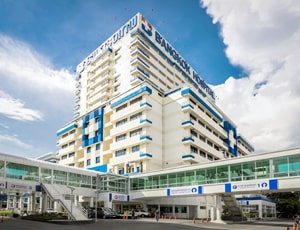
Bangkok Hospital
Bangkok, Thailand
Bangkok Hospital located in Bangkok, Thailand is accredited by JCI. Also listed below are some of the most prominent infrastructural details:
- It is recognised for the application of the newest healthcare technology.
- Blood analysis center that is not just the best in Thailand but in Asia Pacific as well.
- Biomolecule center that is the seed of healthcare equipment for Thailand and overseas.
- International affiliations and collaborations with universities and hospitals in Japan and the United States of America.
- 11 hospitals are recognised as Centers of Excellence.
- Known excellence in Trauma, Orthopedics, Cardiovascular, Neurology as well as Cancer Care.
- There is a proper streamlined patient services process followed in Bangkok Dusit Medical Services, Bangkok, Thailand.
- A well developed research center showcases the intent of the organisation to provide research based treatment opportunities to the patients.
- The group has several Medical industry partnerships as well to ensure healthcare solutions.

Vejthani Hospital
Bangkok, Thailand
Vejthani Hospital located in Bangkok, Thailand is accredited by NABH, NABL. Also listed below are some of the most prominent infrastructural details:
- It is among the topmost private hospitals functioning in Thailand.
- The bed capacity of the hospital is 263.
- There are more than three hundred thousand patients visiting the hospital every year.
- Vejthani hospital has more than 40 outpatient clinics and centers.
- International patient care center with all kinds of services: air ambulance, transfers, travel, stay, embassy liaison, patient coordinators, prayer rooms, visa coordination and translators for 20 languages.
- The special facilities are:
- International Certified Laboratory
- 10 Operating Rooms
- Radiology Section: Portable X-ray, CT-scan and C-ARM and MRI
- Neonatal Critical Care Unit
- Water-jet technique applied for liposuction
- Computer navigation and mini-invasive technique for Joint Replacement surgery
Our Services to better your experience
Opinion & Option
We submit the most accurate opinion and options from one or more countries for your review
Consult Privately
Consult with a certified specialist privately on our telemedicine platform even before you decide to travel
Logistics
We handle flights, visas, transfers, and accommodation—so you can focus on your health.
Recovery
Our In-house rehabilitation service packages to better your recovery and treatment outcome
Why Choose Thailand for Pulmonary Atresia Treatment?
Here are some of the reasons for choosing Thailand:
- Advanced Technology: Thailand provides cutting-edge 3D imaging and catheter-based procedures such as balloon valvuloplasty to ensure exact diagnosis and treatment.
- Skilled Cardiologists: Highly trained children and adult cardiologists use cutting-edge procedures to achieve the best possible results.
- Minimally Invasive Procedures: Thailand offers less invasive pulmonary atresia treatments, reducing recovery time and risks.
- Affordable Care: Compared to many Western countries, treatment in Thailand is less expensive while maintaining high quality.
- International Patient Services: Thai hospitals provide multilingual support, seamless care, and extensive services to international patients.
Frequently Asked Questions
Because pulmonary atresia lowers oxygen levels, it is lethal if left untreated. However, your healthcare practitioner can treat your newborn to enhance oxygen circulation if they diagnose it before or after the baby is born. Your infant can require multiple procedures at various ages to maintain getting better.
The ailment's severity and the treatment's effectiveness determine the prognosis. Many people can lead active, everyday lives with timely and effective treatment, but long-term monitoring is required.
The chance of recurrence is minimal when blood flow is restored or the pulmonary valve is surgically repaired. However, routine examinations are required to monitor for any possible issues, like blood vessel narrowing or valve failure.
Regular follow-up visits with a pediatric cardiologist, cardiac function monitoring, addressing any problems like arrhythmias or pulmonary hypertension, and maybe more surgeries or treatments as the kid gets older are all part of long-term therapy.
Due to low oxygen levels, infants with untreated pulmonary atresia may have developmental delays, stunted growth, and trouble gaining weight. Normal growth and development, however, can frequently be attained with early intervention.
The overall success rate of pulmonary atresia treatment in Thailand is high, particularly with advanced surgical and catheter-based procedures.
Balloon valvuloplasty, pulmonary artery stenting, and surgical correction have success rates of 85% to 90% in improving heart function and survival.
The success rate may vary based on the patient's age, the ailment's severity, and the chosen treatment method.
Thailand's expert cardiologists and innovative technologies help to achieve these excellent results.
Yes, treating pulmonary atresia in Thailand is substantially less expensive than in many Western countries while maintaining good medical standards.
Thailand provides cost-effective diagnostic and treatment solutions using innovative technologies such as catheter-based procedures and highly qualified specialists.
Many overseas patients chose Thailand because of its inexpensive prices and high-quality treatment.

Reviewer

Dr. Akash Khandelwal
Hematologist
9 Years of Experience
Dr. Akash Khandelwal is a distinguished Hematologist, Hemato-oncologist, and Bone Marrow Transplant (BMT) Physician with extensive training from the prestigious AIIMS New Delhi. His expertise encompasses a wide range of specialized techniques in bone marrow transplantation, including autologous and allogeneic transplants such as matched sibling donors, matched unrelated donors (MUD), and haploidentical donor transplants. Dr. Khandelwal has personally supervised and conducted over 100 bone marrow transplants. View More
Last Reviewed - January 2026