Your Notifications
All done, no notifications

Balloon Atrial Septostomy: Symptoms, Classification, Diagnosis & Recovery

Infants with congenital heart abnormalities can survive until they have corrective surgery with the use of a septostomy. The Rashkind procedure or balloon atrial septostomy is another term for septostomy. Because it affects the atria, the two upper chambers of the infant's heart, the treatment is referred to as "atrial."

A small opening in the septum of a fetus is called the foramen ovale. The wall separating their heart's left and right halves is called the septum. Blood can move from the right side of the fetus's heart to the left side through the foramen ovale. A balloon catheter is used during the septostomy procedure to enlarge the foramen ovale and permit blood from both sides of the heart to mix. Thus, blood with and without oxygen combine. To give the baby enough time for surgery, the method maintains the foramen ovale open.

This is a percutaneous technique, which means that a medical professional will penetrate the skin with a needle and implant a catheter. A balloon within the catheter enlarges a hole that exists naturally in the infant's heart. Blood with more oxygen can mingle with blood with less oxygen through this opening. The baby's body can then begin to circulate this partially oxygenated blood after it has left the heart. The infant's blood would simply be low in oxygen flowing through their body without this pathway.

A Septostomy is not exactly an open cardiac surgery. Rather, it's an interim solution to bridge the time between birth and surgery.

General classification of Septostomy:

  • Balloon atrial septostomy (BAS)- is a medical procedure used mostly in cases of poor mixing of oxygenated and deoxygenated blood at the atrial level, such as transposition of the great arteries (TGA).
  • Rashkind Balloon Atrial Septostomy- Applied only to infants with intact ventricular septum and transplacental ablation.
  • Blade Atrial Septostomy- Applied in difficult situations when balloon procedures are impractical or ineffective.
  • Surgical atrial septostomy- Taken into consideration when catheter-based methods are impractical or have not worked.

Septostomy is required by:

  • Some cyanotic heart abnormalities in infants may require a septostomy. These are abnormalities that stop the infant's blood which is low in oxygen from getting to its lungs to receive more oxygen hence, the body's tissues are deprived of oxygen when this occurs. Their skin turns blue due to oxygen deprivation (cyanosis). It is extremely dangerous, severe cyanosis requires emergency medical attention.
  • Some medications, including prostaglandin E1, may be given to infants with these conditions to help them breathe better.

  • Cyanosis: Bluish darkening of the skin, particularly in the vicinity of the nails and lips.
  • Rapid breathing: It is also known as tachypnea, which occurs when an infant tries to make up for a lack of oxygen by breathing more quickly than usual.
  • Poor eating and weight gain: The infant’s exhaustion from the heart abnormality may make it difficult for them to eat.
  • Weakness and lethargy: If the body isn't getting enough oxygen, the infant may appear less energetic and worn out.
  • Sweating: Prolonged perspiration, often during nursing or weeping.

It's crucial to remember that other conditions may be the source of similar symptoms. It's critical to see a physician or pediatric cardiologist if you think your child may have a cardiac issue so that they can receive the appropriate diagnosis and care. Balloon atrial septostomy (BAS) is a treatment modality rather than an actual illness. It's usually done for congenital cardiac abnormalities in babies or infants who have cyanosis (bluish skin from oxygen deprivation).

In newborns, the diagnostic that results in BAS is usually approached as follows:

  • Clinical Evaluation- Clinical evaluations are performed on infants who may have congenital cardiac abnormalities. Severe cyanosis (blue staining of the skin owing to low oxygen levels), breathing difficulties, poor eating, and heart failure symptoms like poor weight gain and lethargy are important symptoms that may indicate the need for additional testing.

Imaging Research-

  • Echocardiogram: The main diagnostic instrument is this heart ultrasound. The anatomy, chambers, valves, and blood flow patterns of the heart may all be seen. Certain congenital cardiac abnormalities, such as transposition of the great arteries (TGA) and other disorders characterized by insufficient blood mixing between the atria, may require BAS.
  • Cardiac Catheterization: This procedure may be necessary in some circumstances, especially if echocardiography is unable to provide all the information needed or if precise pressure readings are required. To do this, a catheter is inserted into the heart through a blood channel (usually the femoral vein) to measure blood pressure and flow parameters directly.
  • Confirmation of Diagnosis- The precise congenital cardiac abnormality is diagnosed based on the results of imaging studies. This involves figuring out how serious the flaw is and how it affects oxygenation.
  • Indication for Balloon Atrial Septostomy- The decision to conduct balloon atrial septostomy (BAS) is based on the exact congenital heart abnormality that has been detected, as well as the degree of cyanosis.

A comprehensive clinical examination, imaging tests (particularly echocardiography), confirmation of the precise congenital cardiac abnormality, and an evaluation of the degree of cyanosis are all necessary to diagnose the need for BAS in babies. The technique itself is intended to treat poor atrial connectivity and enhance oxygenation in newborns with congenital heart abnormalities who are in critical condition.

Approximately 94% of infants who receive a balloon atrial septostomy make it through the process. After that, surgery is required to repair their cardiac abnormalities. The arterial switch operation (ASO) is typically performed shortly after birth on babies with d-TGA. Through this procedure, the aorta and pulmonary artery of a newborn are repositioned.

After their repair surgeries, babies with significant congenital heart abnormalities require continuous care. Monitoring, imaging testing, and follow-up sessions are all part of this care. The prognosis for each infant varies based on the deformities they have as well as additional health issues. See your baby's provider to learn about what to expect moving forward if they have received treatment for a congenital heart problem.

Best Balloon Atrial Septostomy Hospitals

Quironsalud Barcelona Hospital is built at a very convenient location in Barcelona. The hospital is ...more

FACILITIES

Private Rooms

Foreign Currency Exchange

Rehabilitation

Free Wifi

Joint Commission International, or JCIISO 9001
Prince Court Medical Centre

Prince Court Medical Centre

Kuala Lumpur, Malaysia

At the center of Kuala Lumpur, Malaysia, lies a 270-bed private medical facility called Prince Court...more

FACILITIES

Rehabilitation

Foreign Currency Exchange

Religious Facilities

Free Wifi

Consult Online with World’s Best Balloon Atrial Septostomy

View All Doctors
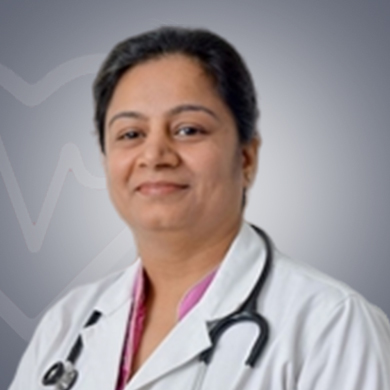
Dr. Nidhi Rawal
Dr. Nidhi Rawal

Pediatric Cardiologist

Gurgaon, India

19 of experience

USD  48 for video consultation

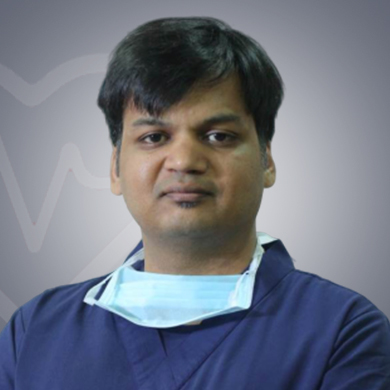
Dr. Gaurav Garg
Dr. Gaurav Garg

Interventional Cardiologist

Delhi, India

14 of experience

USD  30 for video consultation

Dr. Kenny Cheng Keng Peng

Cardiac Surgeon

Subang Jaya, Malaysia

22 of experience

USD  130 for video consultation

Explore Top Hospitals Worldwide for Balloon Atrial Septostomy

Explore Top Hospitals for Balloon Atrial Septostomy

Author

Dr. Vishwas Kaushik

MBBS, MD

5 Years of Experience

Dr. Vishwas Kaushik is a qualified medical professional holding an MBBS from the prestigious Belgorod State University, Russia, with a strong foundation in clinical medicine and healthcare practice. His comprehensive medical training has equipped him with a profound understanding of evidence-based clinical practices, patient-centered care, and the evolving landscape of modern medicine. With a keen interest in medical research and scientific communication, he consistently translates complex clinical concepts into clear, accurate, and accessible content for diverse audiences. His work reflects a deep commitment to advancing medical knowledge, delivering impactful healthcare insights, and bridging the gap between clinical expertise and accessible medical communication.. View More

Reviewer

Dr. Naresh Kumar Goyal

Cardiologist

21 Years of Experience

Dr. Naresh Kumar Goyal is highly trained as a cardiologist with exposure in virtually all aspects of cardiology. He qualified with an MD in internal medicine in 1999 from SMS Medical College, Jaipur, and served in the Cardiology Department as an honorary resident. From this stage, he also started with training in the temporary pacing of the pacemaker as well as interventional services. View More