Your Notifications
All done, no notifications

445 Specialists

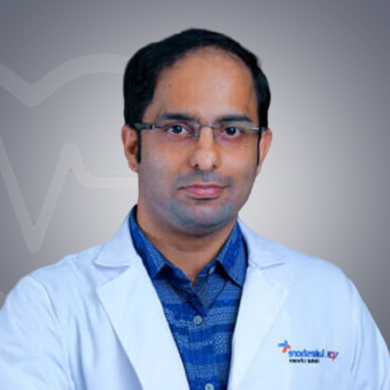
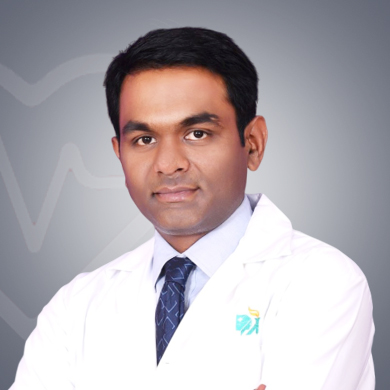
Dr. E Indhumathi

Nephrologist

, Chennai, India

27 Years of experience

Speaks: English , Malayalam


Dr E Indhumathi is one of the leading Nephrologist in Chennai, India. The clinician holds over 22 years of experience and is associated with Sri Ramachandra Medical Centre .

Association and Memberships Dr. E Indhumathi is part of:

  • Indian Society Of Nephrology

Certifications :

  • Certificate Nephropathology From Isn Anio USA

Qualifications :

  • MBBS
  • DM

Hospital Address :

Sri Ramachandra Medical Centre, Sri Ramachandra Nagar, Porur, Chennai, Tamil Nadu, India

Medical Expertise of Dr. E Indhumathi

  • Medical expertise in the area of Renal Transplantation & CAPD.
  • Treatment of conditions as Glomerulonephritis, Polycystic Kidneys, Chronic Kidney Disease, End-Stage Renal Disease, and Kidney Failure.
  • One Year Certificate Course In Nephropathology From Isn Anio USA and Member of Indian Society Of Nephrology.
  • She is credited with a number of substantive research based publications in reputed journals.
  • She is highly qualified with an MD (General Medicine) and DM (Nephrology).
  • Her past experiences include as Consultant Physician - Madurai and Asst. Prof Nephrology - Madras Medical College.
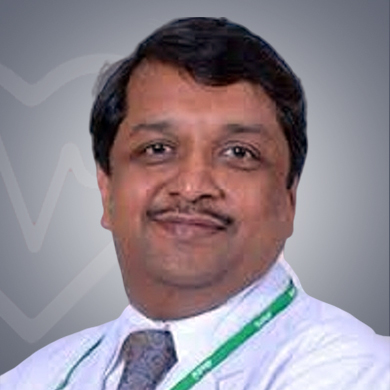
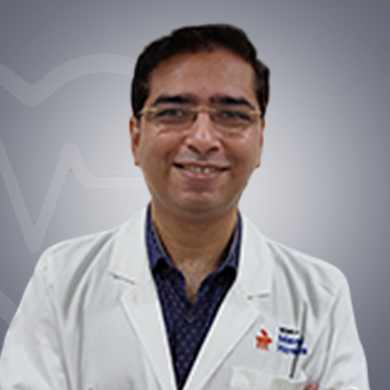
Dr. Ashish Nandwani

Nephrologist

, Delhi, India

25 Years of experience

Speaks: Hindi , English


Dr Ashish Nandwani is one of the leading Nephrologist in New Delhi, India. The medical specialist holds over 17 years of experience and is associated with Manipal Hospital, Dwarka.

Association and Memberships Dr. Ashish Nandwani is part of:

  • Medical Council of India (MCI)
  • Indian Society of Nephrology (ISN)
  • Delhi Medical Council(DMC)
  • Association of Physicians of India(API)
  • International Society of Nephrology (ISN)

Certifications :

  • DNB - Nephrology - National Board of Examination, India, 2010
  • Fellowship - American Society of Nephrology (FASN),Aug 2017

Qualifications :

  • MBBS
  • MD

Hospital Address :

Manipal Hospital Dwarka, Palam Vihar, Sector 6 Dwarka, Dwarka, New Delhi, Delhi, India

Medical Expertise of Dr. Ashish Nandwani

  • His area of expertise is critical care nephrology, which includes SLED and continuous renal replacement therapy.
  • Some treatments provided by Dr. Nandwani are Renal Angiogram, Nephrectomy, Nephropathy Treatment, Polycystic Kidney Disease, and Chronic Kidney Disease.
  • He has served as an Assistant Professor at the Indian Institute of Management, New Delhi, built the dialysis facility at ILBS and also performed liver dialysis.
  • The qualifications of Dr. Ashish Nandwani is an MBBS, MD - General Medicine, DNB - Nephrology, and Fellowship in Nephrology.
  • He has published several case reports and contributed to chapters in the fields of renal transplant and renal replacement treatment.
  • Dr. Nandwani is a Life member, ISN, DNS, ISOT, Member, ASN, ISN, Life member, API, and DM A.
  • ISN-ANIO Clinical Nephro pathology Certificate Program (2018) from International Society of Nephrology.
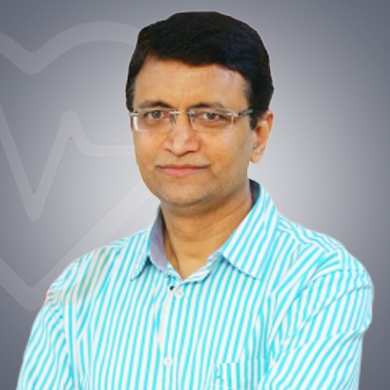
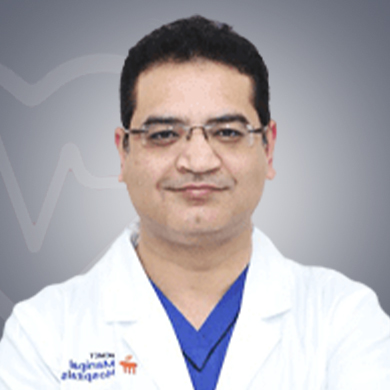
Dr. Shailendra Lalwani

Bariatric Surgeon

, Delhi, India

23 Years of experience

Speaks: Hindi , English


Dr Shailendra Lalwani is one of the leading Gastrointestinal Surgeon in New Delhi, India. The clinician holds over 19 years of experience and is associated with Manipal Hospital, Dwarka.

Association and Memberships Dr. Shailendra Lalwani is part of:

  • Delhi Medical Council

Certifications :

  • Fellowship - Association of Colorectal Surgeons of India(FACSI)
  • Fellowship - associations of surgeons of India(FAIS
  • Fellowship - Indian Assoication of Gastrointestinal Endosurgeon(FIAGES)

Qualifications :

  • MBBS
  • MS
  • DNB

Hospital Address :

Manipal Hospital Dwarka, Palam Vihar, Sector 6 Dwarka, Dwarka, New Delhi, Delhi, India

Medical Expertise of Dr. Shailendra Lalwani

  • Dr. Lalwani specializes in hepato-pancreatic biliary surgery and liver transplantation.
  • Liver Disease Treatment, Liver transplant, HPB Surgeries, GI Oncosurgery, Portal hypertension Surgery, and Advanced Laparoscopic and Robotic GI Surgeries.
  • He has over 19 years of specialized expertise and is a member of the Delhi Medical Council, which he actively participates in.
  • For his great contribution to the field of gastroenterology, he has received numerous prizes and recognitions.
  • MBBS in 2001 from UR, Jaipur, MS in 2006 in General Surgery from JNMC, Ajmer, DNB in 2011 in Gastroenterology from Sir Ganga Ram Hospital, New Delhi.
  • He is the recipient of the Travel Bursary Award for IASG - 2009, Best Poster Award - IASG - 2014, and Traveling Fellowship Award ACRSI - 2017.

Do you know?

Using MediGence’s Telemedicine Platform, you can book a personalized video consultation with renowned doctors around the world

Explore Telemedicine Platform
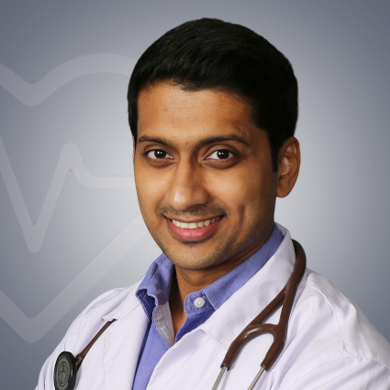
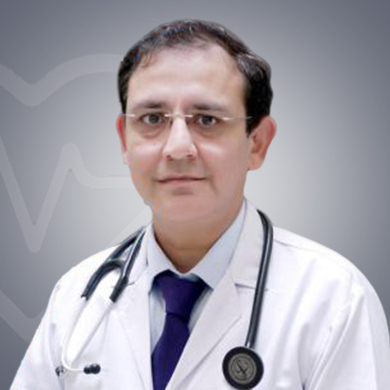
Dr. Sandeep Satsangi

Hepatologist

, Bangalore, India

10 Years of experience

Speaks: English ,Hindi , Kannada , Punjabi , Telugu


Dr Sandeep Satsangi is one of the most skillful Hepatologist in Bengaluru, India. The doctor holds over 7 years of experience and is associated with Apollo Hospitals Bannerghatta.

Association and Memberships Dr. Sandeep Satsangi is part of:

  • Indian National Association for Study of the Liver

Qualifications :

  • MD
  • MBBS

Hospital Address :

Apollo Hospitals Bannerghatta Road - Best Hospital in bangalore, Krishnaraju Layout, Amalodbhavi Nagar, Panduranga Nagar, Bengaluru, Karnataka, India

Medical Expertise of Dr. Sandeep Satsangi

  • Hepatobiliary Sciences and Liver Transplantation are his areas of specialisation.
  • Liver Disease, Jaundice, Hepatitis B, Hepatitis A, and Hepatitis E Treatment, Gastroscopy ERCP, Hepatitis D, Hepatitis C Treatment, D&C (Dilation and Curettage) and Intra-Uterine Insemination (IUI).
  • Dr. Sandeep Satsangi is a well-known hepatologist with seven years of experience.
  • He earned his DM in Hepatology from Post Graduate College Chandigarh in 2017 after completing his graduate studies and MD.
  • He is a member of the Indian National Association for the Study of the Liver, which he is very active in.
  • Well qualified with MBBS, MD, and DM, 2017, Hepatology - Post Graduate College Chandigarh.

Dr. Sriharsha Ajjur

Nephrologist

, Bangalore, India

12 Years of experience

Speaks: Hindi , English


Dr Sriharsha Ajjur is one of the best Urologist & Andrologist in Bengaluru, India. The clinician holds over 12 years of experience and is associated with Apollo Hospitals Bannerghatta.

Association and Memberships Dr. Sriharsha Ajjur is part of:

  • Associação Europeia de Urologia - EAU
  • Societe Internationale dUrologie
  • International Continence Society - ICS
  • Urological Society of India (USI)

Qualifications :

  • MBBS
  • MS
  • MCh

Hospital Address :

Apollo Hospitals Bannerghatta Road - Best Hospital in bangalore, Krishnaraju Layout, Amalodbhavi Nagar, Panduranga Nagar, Bengaluru, Karnataka, India

Dr. Deepak Kumar Chitralli

Nephrologist

, Bangalore, India

19 Years of experience

Speaks: Hindi , English


Dr Deepak Kumar Chitralli is one of the foremost Nephrologist in Bengaluru, India. The medical specialist holds over 8 years of experience and is associated with Columbia Asia Referral Hospital, Yeshwantpur.

Association and Memberships Dr. Deepak Kumar Chitralli is part of:

  • Indian Association of Nephrology
  • Peritoneal Dialysis Society of India (PDSI)
  • Indian Society of Organ Transplantation (ISOT)

Qualifications :

  • MBBS - Shri B M Patil Medical College, Bijapur, 2005
  • MD (Gen Medicine) - Sri Devraj Urs Medical College, Kolar, 2009
  • DNB (Nephrology) - St. John's Medical College, Bangalore, 2012

Hospital Address :

Columbia Asia Referral Hospital Yeshwanthpur, Rajaji Nagar, Bengaluru, Karnataka, India

Dr. Gutta Srinivas

Urologist

, Hyderabad, India

28 Years of experience

Speaks: Kannada , English


Dr Gutta Srinivas is one of the leading Urologist in Hyderabad, India. The clinician holds over 10 years of experience and is associated with Star Hospitals.

Association and Memberships Dr. Gutta Srinivas is part of:

  • Urological Society of India

Qualifications :

  • MBBS
  • MS(GEN.Surgery)
  • DNB(Urology)

Hospital Address :

Star Hospitals, Banjara Hills, Hyderabad, Telangana, India

Dr. Dinesh Mittal

Nephrologist

, Delhi, India

35 Years of experience

Speaks: Hindi , English


Dr. Dinesh Mittal is one of the foremost Nephrologist in New Delhi, India. The clinician holds over 21 years of experience and was associated with Fortis Hospital, Shalimar Bagh.

Dr. Ravishankar Bhat B

Bariatric Surgeon

, Bangalore, India

33 Years of experience

Speaks: Hindi , English


Dr Ravishankar Bhat B is one of the leading Surgical Gastroenterologist & Bariatric Surgeon in Bengaluru, India. The doctor holds over 30 years of experience and is associated with Apollo Hospitals Bannerghatta.

Association and Memberships Dr. Ravishankar Bhat B is part of:

  • Indian Medical Association (IMA)

Certifications :

  • FRCS - General Surgery - Royal College of Surgeon of Edinburgh, Uk, 2004

Qualifications :

  • MBBS
  • MS
  • MCH
  • DNB

Hospital Address :

Apollo Hospitals Bannerghatta Road - Best Hospital in bangalore, Krishnaraju Layout, Amalodbhavi Nagar, Panduranga Nagar, Bengaluru, Karnataka, India

He has an experience of 31 years of which 26 years have been as a specialist, among India's few surgeons who conduct Metabolic Surgery, a diabetes treatment.
  • Work experience as Surgeon-St. Philomena's Hospital and St. Martha's Hospital, and Surgical Gastroenterologist-Bangalore Medical College & Research Institute.
  • FRCS - General Surgery - Royal College of Surgeon of Edinburgh, UK, 2004 and member Indian Medical Association (IMA).
  • He is credited with publishing research papers in medical journals and presentations as well.
Dr. Vikram Kalra

Nephrologist

, Delhi, India

28 Years of experience

Speaks: Hindi , English


Dr. Vikram Kalra is a specialized Kidney Transplant Surgeon in India. And one of the most sought-after medical specialists in Delhi, India. The doctor has over 20 Years of experience and is associated with Aakash Healthcare Super Speciality Hospital.

Dr. Prathamesh Kulkarni

Hematologist

, Mumbai, India

9 Years of experience

Speaks: English ,Hindi


Dr Prathamesh Kulkarni is one of the top Haemato Oncologist in Mumbai, India. The doctor holds over 6 years of experience and is associated with Nanavati Super Speciality Hospital.

Association and Memberships Dr. Prathamesh Kulkarni is part of:

  • Maharashtra Medical Council
  • Indian Medical association
  • Mumbai Haematology Group
  • Indian society of Haematology and Blood transfusion

Qualifications :

  • MBBS
  • MD
  • DNB

Hospital Address :

Nanavati Super Speciality Hospital, LIC Colony, Suresh Colony, Vile Parle West, Mumbai, Maharashtra, India

What is the medical expertise of Dr Prathamesh Kulkarni?

  • With more than 6 years of experience, Dr Prathamesh Kulkarni is a respected and leading hemato-oncologist. He is a well-known expert in providing treatments for conditions such as leukaemia (acute and chronic), multiple myeloma, anaemia, thrombocytopenia, and coagulation disorders. Dr Kulkarni can perform procedures such as Bone marrow transplant, intrathecal chemotherapy and lumbar puncture IV. He has performed more than 30 bone marrow transplants successfully.
  • He completed a Certificate Course in Multiple Myeloma from the Mayo Clinic.
  • Dr Kulkarni is a member of reputable professional organizations such as the Mumbai Hematology Group(MHG), the Indian Medical Association and the Indian Society of Hematology and Blood transfusion. He is registered with the Maharashtra Medical Council.
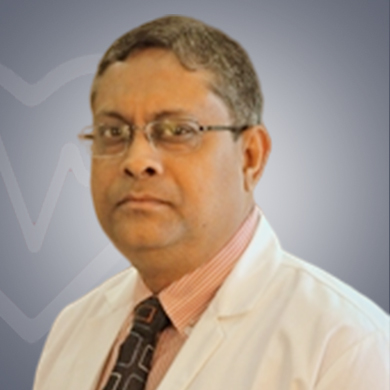
Dr. Pawan Kesarwani

Urologist

, Delhi, India

28 Years of experience

Speaks: English ,Hindi


Dr Pawan Kesarwani is one of the most sought after Urologist in New Delhi, India. The clinician holds over 18 years of experience and is associated with Max Super Speciality Hospital, Patparganj.

Association and Memberships Dr. Pawan Kesarwani is part of:

  • Urology Society of India (USI)
  • USI North Zone
  • S.I.U (Society International Urology)
  • S.U.N.G (Society of Urologist of Noida and Ghaziabad)
  • UPUA (UP Urology Association)

Qualifications :

  • M.Ch in Urology, All India Institute of Medical Sciences, New Delhi
  • MS in General Surgery , King George Medical College, Lucknow.
  • MBBS, Moti Lal Nehru Medical College Allahabad.

Hospital Address :

Max Super Speciality Hospital, Patparganj, I.P.Extension, Patparganj, Delhi, India

Dr. Jithin S Kumar

Nephrologist

, Kochi, India

17 Years of experience

Speaks: Malayalam , English


Dr Jithin S Kumar is one of the top Nephrologist in Kochi, India. The medical specialist holds over 10 years of experience and is associated with VPS Lakeshore Hospital.

Qualifications :

  • MBBS
  • M.D(Gen. Medicine)
  • DM Nephrology

Hospital Address :

VPS Lakeshore Hospital, Nettoor, Maradu, Ernakulam, Kerala, India

Dr. Bhaskar Nandi

Hepatologist

, Faridabad, India

35 Years of experience

Speaks: Hindi , English


Dr Bhaskar Nandi is one of the most sought after Gastroenterologist in Faridabad, India. The doctor holds over 34 years of experience and is associated with Sarvodaya Hospital and Research Centre.

Association and Memberships Dr. Bhaskar Nandi is part of:

  • Indian Society of Gastroenterology (ISG)
  • Indian National Association for study of Liver (INASL).
  • Association of Physician of India (API)

Qualifications :

  • MBBS
  • MD(Medicine)
  • DM(Gastroenterology)
  • DNB (Gastroenterology)
  • Transplant Hepatology

Hospital Address :

Sarvodaya Hospital, Sector 8, Faridabad, Haryana, India

What is the medical expertise of Dr Bhaskar Nandi?

  • Dr Bhaskar Nandi has more than 34 years of experience in providing treatments for chronic hepatitis, liver cancer, liver failure, inflammatory bowel disease, and hepatitis B and C infections. He can successfully perform liver transplantation, endoscopic pancreatic cyst drainage, pancreatic and biliary stone removal, oesophagal stricture dilatation and stenting, and endoscopic interventions for GI bleeding.
  • The President of India awarded him the Vishisht Seva Medal ( VSM).
  • Professionally, he is a member of numerous organizations such as the Association of Physicians of India( API), the Indian National Association for the Study of Liver
    (INASL) and the Indian Society of Gastroenterology( ISG).
  • Dr Nandi has contributed to more than 6 books and has publications in 26 journals. His research papers include:
    1. Anand AC, Nandi B, Acharya SK, Arora A, Babu S, Batra Y et al. Indian National Association for the Study of the Liver Consensus Statement on Acute Liver Failure (Part 1): Epidemiology, Pathogenesis, Presentation and Prognosis. J Clin Exp Hepatol. 2020 Jul-Aug;10(4):339-376.
    2. Anand AC, Nandi B, Acharya SK, Arora A, Babu S, Batra Y et al. Indian National Association for the Study of Liver Consensus Statement on Acute Liver Failure (Part-2): Management of Acute Liver Failure. J Clin Exp Hepatol. 2020 Sep-Oct;10(5):477-517.
    3. Saha A, Naidu C, Ramesh G, Chatterjee J, Puri P, Nandi B, Nambiar P, Madan R. Liver transplantation in Indian Armed Forces-initial experience. Med J Armed Forces India. 2012 Apr;68(2):110-7.
Dr. Vishnu Dev Urs

Nephrologist

, Kochi, India

14 Years of experience

Speaks: English , Malayalam


Dr Vishnu Dev Urs is one of the most sought after Nephrologist in Kochi, India. The clinician holds over 11 years of experience and is associated with Aster Medicity.

Association and Memberships Dr. Vishnu Dev Urs is part of:

  • Kerala Medical Council

Qualifications :

  • MBBS
  • DM
  • MD

Hospital Address :

Aster Medcity Hospital, South Chittoor, Kochi, Kerala, India

What is the medical expertise of Dr Vishnu Dev Urs?

  • Dr Vishnu Dev Urs is a prominent nephrologist with 11 years of experience. His core competencies include glomerular disorders, renal transplantation, hemodialysis, and ABO incompatible transplantation.
  • He received a Gold medal after completing his DM in Nephrology.
  • Dr Vishnu is a part of several reputed organisations such as the Indian Society of Organ Transplantation(ISOT), the Indian Society of Nephrology(ISN), the Association of Kerala Nephrologists and the Association of Cochin Nephrologists.
  • He has published a paper titled: " Correlation of CD4(+) T-Lymphocyte counts & FNAC findings in HIV-positive patients with tuberculous lymphadenopathy".
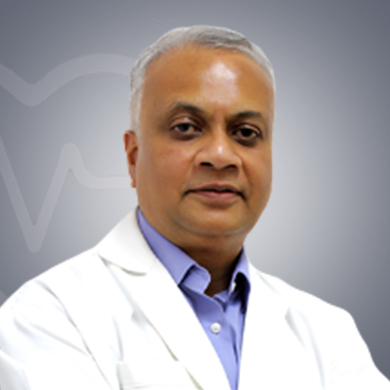
Online Appointments with Top Transplant Surgeon

About Transplant Surgeon

A transplant surgeon is a doctor specializing in the transplant surgeries and post-operative care of the patients who need to undergo surgical procedures such as kidney, liver, pancreas or heart. Transplant surgeries are either life saving, for instance liver transplantation or life prolonging as in case of kidney transplantation.

Transplant surgeons first do a general surgical evaluation of the patient to assess the risks and evaluate the benefits of the surgery. They then consult the case with other doctors and healthcare specialists from multiple disciplines such as hepatologists, nephrologists, and diabetologists, immunologists and scientists before making the decision about the surgery and the approach to be followed for the surgery. The surgeon not just examines and assess the patient before the examination but even after the transplant procedure is completed and the patient has been discharged.

Procedures Performed

  • Heart transplant
  • Lung transplant
  • Liver transplant
  • Pancreas transplant
  • Cornea transplant
  • Trachea transplant
  • Kidney transplant
  • Skin transplant
  • Vascular tissues transplant
  • Skin graft
  • Blood vessel graft
  • Bone graft
  • Bone marrow graft

Top Transplant Surgeons

DoctorAssociated Hospital
Dr. Sumant GuptaSarvodaya Hospital and Research Centre, Faridabad
Dr. Vibha VarmaMax Super Specialty Hospital, Vaishali, Ghaziabad
Dr. Ozan OzkayaIstinye University Bahcesehir - LIV Hospital, Istanbul
Dr. Bhaskar NandiSarvodaya Hospital and Research Centre, Faridabad
Dr. Himmet Bora UsluIstinye University Bahcesehir - LIV Hospital, Istanbul
Dr. Shri Ram KabraSarvodaya Hospital and Research Centre, Faridabad
Dr. Nitin SoodMedanta - The Medicity, Gurugram
Dr. Havva EvrengulIstinye University Bahcesehir - LIV Hospital, Istanbul

About Transplant Surgeon

Which are the countries where we can find Transplant Surgeon?

Popular Transplant Surgeon in Top Countries are :

Type of Transplant Surgeon available Worldwide?

Top Speciality Doctors Worldwide:

  • Kidney Transplant Surgeon
  • Hematologist
  • Nephrologist
  • Liver Transplant Surgeon
  • Stem Cells Therapy

Top Rated Hospitals Where We Can Find Transplant Surgeon Worldwide?

List of Top Rated Hospitals where we can find Transplant Surgeon Worldwide are as followed:

Can we get the list of Transplant Surgeon worldwide in any other language?

Yes, we provide the list of Transplant Surgeon worldwide in the following languages:

Get Insight with our Blogs

Frequently Asked Questions
Who are the top Transplant Surgeons in All offering online consultation?

Listed below are some of the top transplant surgeon available for online consultation:

Which are some of the best hospitals Transplant Surgeons are associated with?
Who is a Transplant Surgeon?

A transplant surgeon has special training in transplantation surgery which involves replacing a patient's organ with a donor organ. A transplant surgeon performs transplants of various organs, such as kidneys, livers, hearts, lungs, the pancreas, the intestine, and recently tracheal tissue, faces, and the penis.

A transplant surgeon first does a general surgical evaluation of the patient to assess the possible risks and also evaluate the benefits of transplant surgery. They may consult the case with other doctors from multiple disciplines nephrologists, hepatologists, diabetologists, immunologists, and scientists before making any decision about the surgery and the approach for the surgery. The surgeon not just assesses the patient before the examination but also after the transplant surgery is completed and the patient is discharged.

What are the qualifications of a Transplant Surgeon?

The training and education received by a transplant surgeon are extensive. The education starts with a five-and-a-half-year MBBS course after completion of high school. After gaining this degree, the student then obtains MD or DO degree from an accredited medical school. During this period, the student is trained in basic medical care in both clinical and classroom settings. After completing medical school, the student needs to complete a residency program in general surgery.

Residencies in general surgery typically last five years and consist of a curriculum of clinical rotations in a wide range of surgical disciplines. The physician is trained in the different caveats of surgery including complex general surgical oncology, vascular operations, critical care, trauma management, transplant surgery, hand surgery as well as pediatric surgery. Residents in general surgery also do daily interaction with patients to improve their communication skills.

After completion of the residency program, the doctor must then complete fellowship training in transplant surgery. They are trained as well as educated in all the areas of transplant surgery with a focus on pathology, physiology, immunology, and anatomy specifically related to diagnoses and treatments of the final stages of organ failure and diseases. The surgeon will get specialized training in surgical transplantation of organs, and any related procedures that might be necessary when completing a transplant. Physicians also have exposure to operations like liver and kidney transplants, which are two of the most common in the discipline.

What conditions do Transplant Surgeons treat?

Organ transplantation is used if a patient is suffering from a very critical condition or is facing an organ failure. Such patients are mostly suggested to have a transplant so that their affected organ is replaced with a healthy, functioning organ. Below are some of the common conditions which are treated by an organ transplant surgeon.

  • Congenital renal obstructive disorders
  • Congenital nephrotic syndrome
  • Alport syndrome
  • Nephropathic and juvenile cystinosis
  • Polycystic kidney disease
  • Nail-patella syndrome
  • Glomerulonephritis
  • Berger disease
  • Henoch-schönlein purpura
  • Hemolytic uremic syndrome
  • Wegener granulomatosis
  • Goodpasture syndrome
  • Leukemias
  • Severe aplastic anemia
  • Lymphomas
  • Multiple myeloma
  • Immune deficiency disorders
  • Some solid-tumor cancers
  • Severe cystic fibrosis
  • Pulmonary fibrosis
  • Bronchopulmonary dysplasia or chronic obstructive pulmonary disease (COPD)
  • Sarcoidosis, histiocytosis, and lymphangioleiomyomatosis
  • Congenital heart defect
  • Abnormal heart rhythms
  • Ventricular arrhythmias
  • Heart valve disease
  • Coronary artery disease
  • Cardiomyopathy
  • Liver cancer, hepatitis C, HIV
What diagnostic tests are required by a Transplant Surgeon?

Regardless of the type of transplant you may undergo, special blood tests and other diagnostic tests are performed to know if you are fit for a transplant. Blood tests are also needed to determine the kind of tissue and blood you have. These test results help to match a donor kidney to your body.

  • Blood Type Testing
  • Human leukocyte antigens (tissue typing)
  • MVO2 (exercise stress test)
  • Chest x-ray
  • Pulmonary function tests
  • Echocardiogram
  • Electrocardiogram
  • Heart catheterization
  • Bilateral lower extremity Doppler, carotid Doppler
  • Ultrasound of the abdomen/pelvis
  • Pulmonary Function Tests
  • Radiographic Studies (X-rays)
  • Computerized Tomography (CT Scan)
  • Ventilation Perfusion Scan (V/Q Scan, Lung Scan)
  • Electrocardiogram
  • Echocardiogram
  • Radionuclide Ventriculography
  • Colonoscopy
  • Chest X-ray, PET scan, heart tests, and a bone marrow biopsy
When should you visit a Transplant Surgeon?

There are a number of reasons why you should visit a transplant surgeon.Transplantation is not a common procedure and might be recommended in case of critical conditions or organ failure.Your primary will refer you see a transplant surgeon if you experience the below-listed symptoms:

  • Heart attack (myocardial infarction)
  • Congenital heart defects
  • Irregular heartbeats (arrhythmias)
  • High blood pressure in the lungs
  • Viral infection of the heart muscle
  • High blood pressure
  • Oximeter (O2) measurements of less than 90% at movement
  • Forced Vital Capacity (FVC) of 60% or less
  • Results of your CT scan
  • Jaundice
  • Enlarged liver
  • Cholestasis
  • Heart valve disease
  • Shortness of breath, fatigue
  • Dizziness, fainting,
  • Arterial blood gas of 60mlhg at rest
  • End-stage renal disease
  • Aplastic anemia
  • Leukemia, lymphoma, and multiple myeloma
  • Damaged bone marrow due to chemotherapy
What can you expect from your first visit with a Transplant Surgeon?

A transplant surgeon will evaluate your health condition to know if you are fit for transplant. The doctor will ask you a few questions related to your symptoms to know the severity of the health condition you are suffering from. They will order a few diagnostic tests to do a complete analysis of the consequences of transplant if any. If the transplant surgeon finds that transplant can have a harmful effect on your health, they will recommend alternative treatment options or will tell you to wait for some time so that you become fit for the transplant.

In addition to tests and physical exams, you could get a lot of information at your first appointment. You may need to bring a family member or friend along with you. The person you bring can help ask questions, listen, and take notes.

Which are the most common procedures performed by a Transplant Surgeon?

Some common procedures performed by a transplant surgeon are listed below:

  • Skin transplant
  • Vascular tissues transplant
  • Skin graft
  • Blood vessel graft
  • Bone graft
  • Bone marrow graft
  • Heart transplant
  • Lung transplant
  • Liver transplant
  • Pancreas transplant
  • Cornea transplant
  • Trachea transplant
  • Kidney transplant

FAQs related to

Who is a Transplant Surgeon?

A transplant surgeon has special training in transplantation surgery which involves replacing a patient's organ with a donor organ. A transplant surgeon performs transplants of various organs, such as kidneys, livers, hearts, lungs, the pancreas, the intestine, and recently tracheal tissue, faces, and the penis.

A transplant surgeon first does a general surgical evaluation of the patient to assess the possible risks and also evaluate the benefits of transplant surgery. They may consult the case with other doctors from multiple disciplines nephrologists, hepatologists, diabetologists, immunologists, and scientists before making any decision about the surgery and the approach for the surgery. The surgeon not just assesses the patient before the examination but also after the transplant surgery is completed and the patient is discharged.

What are the qualifications of a Transplant Surgeon?

The training and education received by a transplant surgeon are extensive. The education starts with a five-and-a-half-year MBBS course after completion of high school. After gaining this degree, the student then obtains MD or DO degree from an accredited medical school. During this period, the student is trained in basic medical care in both clinical and classroom settings. After completing medical school, the student needs to complete a residency program in general surgery.

Residencies in general surgery typically last five years and consist of a curriculum of clinical rotations in a wide range of surgical disciplines. The physician is trained in the different caveats of surgery including complex general surgical oncology, vascular operations, critical care, trauma management, transplant surgery, hand surgery as well as pediatric surgery. Residents in general surgery also do daily interaction with patients to improve their communication skills.

After completion of the residency program, the doctor must then complete fellowship training in transplant surgery. They are trained as well as educated in all the areas of transplant surgery with a focus on pathology, physiology, immunology, and anatomy specifically related to diagnoses and treatments of the final stages of organ failure and diseases. The surgeon will get specialized training in surgical transplantation of organs, and any related procedures that might be necessary when completing a transplant. Physicians also have exposure to operations like liver and kidney transplants, which are two of the most common in the discipline.

What conditions do Transplant Surgeons treat?

Organ transplantation is used if a patient is suffering from a very critical condition or is facing an organ failure. Such patients are mostly suggested to have a transplant so that their affected organ is replaced with a healthy, functioning organ. Below are some of the common conditions which are treated by an organ transplant surgeon.

  • Congenital renal obstructive disorders
  • Congenital nephrotic syndrome
  • Alport syndrome
  • Nephropathic and juvenile cystinosis
  • Polycystic kidney disease
  • Nail-patella syndrome
  • Glomerulonephritis
  • Berger disease
  • Henoch-schönlein purpura
  • Hemolytic uremic syndrome
  • Wegener granulomatosis
  • Goodpasture syndrome
  • Leukemias
  • Severe aplastic anemia
  • Lymphomas
  • Multiple myeloma
  • Immune deficiency disorders
  • Some solid-tumor cancers
  • Severe cystic fibrosis
  • Pulmonary fibrosis
  • Bronchopulmonary dysplasia or chronic obstructive pulmonary disease (COPD)
  • Sarcoidosis, histiocytosis, and lymphangioleiomyomatosis
  • Congenital heart defect
  • Abnormal heart rhythms
  • Ventricular arrhythmias
  • Heart valve disease
  • Coronary artery disease
  • Cardiomyopathy
  • Liver cancer, hepatitis C, HIV
What diagnostic tests are required by a Transplant Surgeon?

Regardless of the type of transplant you may undergo, special blood tests and other diagnostic tests are performed to know if you are fit for a transplant. Blood tests are also needed to determine the kind of tissue and blood you have. These test results help to match a donor kidney to your body.

  • Blood Type Testing
  • Human leukocyte antigens (tissue typing)
  • MVO2 (exercise stress test)
  • Chest x-ray
  • Pulmonary function tests
  • Echocardiogram
  • Electrocardiogram
  • Heart catheterization
  • Bilateral lower extremity Doppler, carotid Doppler
  • Ultrasound of the abdomen/pelvis
  • Pulmonary Function Tests
  • Radiographic Studies (X-rays)
  • Computerized Tomography (CT Scan)
  • Ventilation Perfusion Scan (V/Q Scan, Lung Scan)
  • Electrocardiogram
  • Echocardiogram
  • Radionuclide Ventriculography
  • Colonoscopy
  • Chest X-ray, PET scan, heart tests, and a bone marrow biopsy
When should you visit a Transplant Surgeon?

There are a number of reasons why you should visit a transplant surgeon.Transplantation is not a common procedure and might be recommended in case of critical conditions or organ failure.Your primary will refer you see a transplant surgeon if you experience the below-listed symptoms:

  • Heart attack (myocardial infarction)
  • Congenital heart defects
  • Irregular heartbeats (arrhythmias)
  • High blood pressure in the lungs
  • Viral infection of the heart muscle
  • High blood pressure
  • Oximeter (O2) measurements of less than 90% at movement
  • Forced Vital Capacity (FVC) of 60% or less
  • Results of your CT scan
  • Jaundice
  • Enlarged liver
  • Cholestasis
  • Heart valve disease
  • Shortness of breath, fatigue
  • Dizziness, fainting,
  • Arterial blood gas of 60mlhg at rest
  • End-stage renal disease
  • Aplastic anemia
  • Leukemia, lymphoma, and multiple myeloma
  • Damaged bone marrow due to chemotherapy
What can you expect from your first visit with a Transplant Surgeon?

A transplant surgeon will evaluate your health condition to know if you are fit for transplant. The doctor will ask you a few questions related to your symptoms to know the severity of the health condition you are suffering from. They will order a few diagnostic tests to do a complete analysis of the consequences of transplant if any. If the transplant surgeon finds that transplant can have a harmful effect on your health, they will recommend alternative treatment options or will tell you to wait for some time so that you become fit for the transplant.

In addition to tests and physical exams, you could get a lot of information at your first appointment. You may need to bring a family member or friend along with you. The person you bring can help ask questions, listen, and take notes.

Which are the most common procedures performed by a Transplant Surgeon?

Some common procedures performed by a transplant surgeon are listed below:

  • Skin transplant
  • Vascular tissues transplant
  • Skin graft
  • Blood vessel graft
  • Bone graft
  • Bone marrow graft
  • Heart transplant
  • Lung transplant
  • Liver transplant
  • Pancreas transplant
  • Cornea transplant
  • Trachea transplant
  • Kidney transplant