Browse verified doctors or let our care team help you find the doctor best suited to your condition, treatment goals, and budget.

Choosing Vinmec Hai Phong for Kidney Stone Removal gives patients access to specialist-led stone treatment, advanced equipment, and coordinated postoperative care. Established in 2018, the JCI accredited hospital is located in Ha noi, Vietnam and operates 200 beds with modern healthcare facilities.
Kidney Stone Removal is considered when stones cannot be managed effectively through observation or medication. Treatment selection depends on factors such as stone size, location, number, urinary obstruction, and the patient's overall health. Ureteroscopy may be used to access and remove or fragment stones, while larger stones may require a percutaneous approach. Temporary discomfort, blood in the urine, or urinary symptoms can occur following certain procedures.
Manipal Hospital, Ghaziabad offers dedicated Kidney Stone Removal services with experienced urologists, modern diagnostic technology, and minimally invasive treatment options. Established in 2010, the NABH, NABL accredited hospital is situated in Ghaziabad, India and has 9500 beds supporting comprehensive urological care.
Kidney Stone Removal aims to clear stones from the kidney or urinary tract and restore normal urine flow. Depending on the clinical situation, stones may be broken into smaller fragments using shock waves or removed through instruments inserted into the urinary tract. For larger kidney stones, a procedure such as percutaneous nephrolithotomy may be considered. Follow-up evaluation helps check for remaining stones and reduce the risk of recurrence.
Clinique Averroes provides specialized Kidney Stone Removal with an emphasis on precise stone targeting, effective clearance, and appropriate postoperative monitoring. Established in 1975, the JCI accredited hospital is based in Marrakesh, Morocco and has 48 beds supported by advanced urology and diagnostic facilities.
Kidney Stone Removal can help patients experiencing persistent renal colic, urinary obstruction, recurrent infections, or stones that are unlikely to pass without intervention. Before treatment, imaging such as ultrasound or CT may be used to identify the stone's size and position. Depending on these findings, specialists may recommend extracorporeal shock wave lithotripsy, ureteroscopy, or percutaneous nephrolithotomy. After removal, stone analysis and preventive guidance may help reduce the likelihood of future stone formation.
Choosing Vinmec Ha Long Hospital for Kidney Stone Removal gives patients access to specialist-led stone treatment, advanced equipment, and coordinated postoperative care. Established in 2018, the JCI accredited hospital is located in Ha noi, Vietnam and operates 500 beds with modern healthcare facilities.
Kidney Stone Removal is considered when stones cannot be managed effectively through observation or medication. Treatment selection depends on factors such as stone size, location, number, urinary obstruction, and the patient's overall health. Ureteroscopy may be used to access and remove or fragment stones, while larger stones may require a percutaneous approach. Temporary discomfort, blood in the urine, or urinary symptoms can occur following certain procedures.
Vinmec Central Park International Hospital provides specialized Kidney Stone Removal with a focus on accurate stone assessment, minimally invasive techniques, and personalized urological care. Established in 2015, the JCI accredited hospital is located in Ho Chi Minh, Vietnam and operates 178 beds with modern urological and surgical infrastructure.
Kidney Stone Removal is performed to eliminate stones that are too large to pass naturally, cause persistent pain, obstruct urine flow, or lead to complications. Depending on the stone's size and location, treatment may include shock wave lithotripsy, ureteroscopy, or percutaneous nephrolithotomy. Imaging tests help determine the most suitable approach before treatment, while adequate hydration and follow-up care support recovery.
IRCCS Ospedale San Raffaele provides specialized Kidney Stone Removal with a focus on accurate stone assessment, minimally invasive techniques, and personalized urological care. Established in 1971, the SSN accredited hospital is located in milan, Italy and operates 1350 beds with modern urological and surgical infrastructure.
Kidney Stone Removal is performed to eliminate stones that are too large to pass naturally, cause persistent pain, obstruct urine flow, or lead to complications. Depending on the stone's size and location, treatment may include shock wave lithotripsy, ureteroscopy, or percutaneous nephrolithotomy. Imaging tests help determine the most suitable approach before treatment, while adequate hydration and follow-up care support recovery.
Choosing Shanti Mukand Hospital for Kidney Stone Removal gives patients access to specialist-led stone treatment, advanced equipment, and coordinated postoperative care. Established in 1995, the NABH, NABL accredited hospital is located in Delhi, India and operates 200 beds with modern healthcare facilities.
Kidney Stone Removal is considered when stones cannot be managed effectively through observation or medication. Treatment selection depends on factors such as stone size, location, number, urinary obstruction, and the patient's overall health. Ureteroscopy may be used to access and remove or fragment stones, while larger stones may require a percutaneous approach. Temporary discomfort, blood in the urine, or urinary symptoms can occur following certain procedures.
Choosing VPS Lakeshore Hospital for Kidney Stone Removal gives patients access to specialist-led stone treatment, advanced equipment, and coordinated postoperative care. Established in 2003, the NABH, ISO accredited hospital is located in Kochi, India and operates 350 beds with modern healthcare facilities.
Kidney Stone Removal is considered when stones cannot be managed effectively through observation or medication. Treatment selection depends on factors such as stone size, location, number, urinary obstruction, and the patient's overall health. Ureteroscopy may be used to access and remove or fragment stones, while larger stones may require a percutaneous approach. Temporary discomfort, blood in the urine, or urinary symptoms can occur following certain procedures.
Apollo Multispecialty Hospitals provides specialized Kidney Stone Removal with an emphasis on precise stone targeting, effective clearance, and appropriate postoperative monitoring. Established in 2003, the JCI, ISO accredited hospital is based in Kolkata, India and has 700 beds supported by advanced urology and diagnostic facilities.
Kidney Stone Removal can help patients experiencing persistent renal colic, urinary obstruction, recurrent infections, or stones that are unlikely to pass without intervention. Before treatment, imaging such as ultrasound or CT may be used to identify the stone's size and position. Depending on these findings, specialists may recommend extracorporeal shock wave lithotripsy, ureteroscopy, or percutaneous nephrolithotomy. After removal, stone analysis and preventive guidance may help reduce the likelihood of future stone formation.
Apollo Hospital offers dedicated Kidney Stone Removal services with experienced urologists, modern diagnostic technology, and minimally invasive treatment options. Established in 1983, the JCI accredited hospital is situated in Chennai, India and has 550 beds supporting comprehensive urological care.
Kidney Stone Removal aims to clear stones from the kidney or urinary tract and restore normal urine flow. Depending on the clinical situation, stones may be broken into smaller fragments using shock waves or removed through instruments inserted into the urinary tract. For larger kidney stones, a procedure such as percutaneous nephrolithotomy may be considered. Follow-up evaluation helps check for remaining stones and reduce the risk of recurrence.
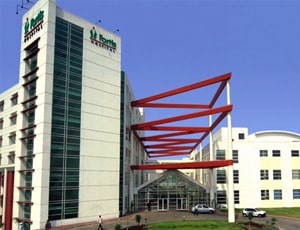
Fortis Hospital offers dedicated Kidney Stone Removal services with experienced urologists, modern diagnostic technology, and minimally invasive treatment options. Established in 2004, the NABH, NABL accredited hospital is situated in Noida, India and has 400 beds supporting comprehensive urological care.
Kidney Stone Removal aims to clear stones from the kidney or urinary tract and restore normal urine flow. Depending on the clinical situation, stones may be broken into smaller fragments using shock waves or removed through instruments inserted into the urinary tract. For larger kidney stones, a procedure such as percutaneous nephrolithotomy may be considered. Follow-up evaluation helps check for remaining stones and reduce the risk of recurrence.
At Parkside Private Hospital, Kidney Stone Removal is performed using advanced stone-management techniques and treatment plans tailored to the patient's condition. Established in 1983, the accredited hospital in London, United Kingdom has 82 beds and offers comprehensive renal and urological services.
Kidney Stone Removal may be recommended when stones cause severe or recurring pain, urinary blockage, infection, bleeding, or difficulty passing urine. Smaller stones may sometimes be treated with non-invasive methods, while larger or difficult-to-reach stones can require endoscopic or surgical removal. A specialist evaluates the stone's size, composition, and location to select the appropriate treatment.
At Clinique Internationale Marrakech, Kidney Stone Removal is performed using advanced stone-management techniques and treatment plans tailored to the patient's condition. Established in 2016, the accredited hospital in Marrakesh, Morocco has 160 beds and offers comprehensive renal and urological services.
Kidney Stone Removal may be recommended when stones cause severe or recurring pain, urinary blockage, infection, bleeding, or difficulty passing urine. Smaller stones may sometimes be treated with non-invasive methods, while larger or difficult-to-reach stones can require endoscopic or surgical removal. A specialist evaluates the stone's size, composition, and location to select the appropriate treatment.
Hannibal International Clinic offers dedicated Kidney Stone Removal services with experienced urologists, modern diagnostic technology, and minimally invasive treatment options. Established in 2007, the accredited hospital is situated in Tunis, Tunisia and has 120 beds supporting comprehensive urological care.
Kidney Stone Removal aims to clear stones from the kidney or urinary tract and restore normal urine flow. Depending on the clinical situation, stones may be broken into smaller fragments using shock waves or removed through instruments inserted into the urinary tract. For larger kidney stones, a procedure such as percutaneous nephrolithotomy may be considered. Follow-up evaluation helps check for remaining stones and reduce the risk of recurrence.
At Manipal Hospital, Dwarka, Kidney Stone Removal is performed using advanced stone-management techniques and treatment plans tailored to the patient's condition. Established in 2018, the NABH accredited hospital in Delhi, India has 380 beds and offers comprehensive renal and urological services.
Kidney Stone Removal may be recommended when stones cause severe or recurring pain, urinary blockage, infection, bleeding, or difficulty passing urine. Smaller stones may sometimes be treated with non-invasive methods, while larger or difficult-to-reach stones can require endoscopic or surgical removal. A specialist evaluates the stone's size, composition, and location to select the appropriate treatment.
| Speciality | Urology |
| Procedure | Kidney Stone Removal |
| Success Rate | 85-95% |
| Recovery Time | 2-4 weeks |
| Treatment Time | 1-2 hours |
| Chances of Recurrence | Moderate |

Kidney stones are a frequent urological issue that can cause a lot of discomfort, bloody urine, nausea, and have an impact on urination. While many smaller stones can be naturally eliminated by drinking more fluids and/or taking medicines