Browse verified doctors or let our care team help you find the doctor best suited to your condition, treatment goals, and budget.

Delhi, India
At BLK-Max Super Speciality Hospital, Laparoscopic Gall Bladder Removal is performed using specialised laparoscopic surgical techniques and comprehensive preoperative gastrointestinal assessment. Established in 1959, this JCI, NABH accredited hospital in Delhi, India has 650 beds and offers advanced general and minimally invasive surgical services.
Laparoscopic Gall Bladder Removal may be considered for patients with symptomatic gallstones, acute or chronic cholecystitis, gallbladder polyps, or other conditions requiring removal of the gallbladder. During surgery, the surgeon uses a laparoscope to visualize the gallbladder and surrounding structures, identifies and divides the cystic duct and blood vessels, and removes the gallbladder through a small abdominal incision. Ultrasound and laboratory investigations are commonly used to assess the gallbladder and identify associated complications before surgery.
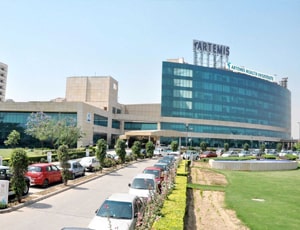
Choosing Artemis Health Institute for Laparoscopic Gall Bladder Removal gives patients access to experienced laparoscopic surgeons, advanced imaging and surgical equipment, modern operating facilities, and structured postoperative care. Established in 2007, the JCI, NABH accredited hospital in Gurgaon, India has 750 beds and provides specialised hepatobiliary and gastrointestinal surgical services.
Laparoscopic Gall Bladder Removal is generally performed under general anaesthesia. The surgeon creates small abdominal incisions, introduces a laparoscope to visualize the gallbladder, and uses specialized instruments to detach and remove it. Patients are monitored after surgery for pain, bleeding, infection, bile leakage, digestive symptoms, and other potential complications. Most patients can gradually resume normal activities following the surgeon's postoperative instructions, with recovery depending on the underlying condition and complexity of the surgery.
At Medanta - The Medicity, Laparoscopic Gall Bladder Removal is performed using specialised laparoscopic surgical techniques and comprehensive preoperative gastrointestinal assessment. Established in 2009, this JCI, NABH accredited hospital in Gurgaon, India has 1250 beds and offers advanced general and minimally invasive surgical services.
Laparoscopic Gall Bladder Removal may be considered for patients with symptomatic gallstones, acute or chronic cholecystitis, gallbladder polyps, or other conditions requiring removal of the gallbladder. During surgery, the surgeon uses a laparoscope to visualize the gallbladder and surrounding structures, identifies and divides the cystic duct and blood vessels, and removes the gallbladder through a small abdominal incision. Ultrasound and laboratory investigations are commonly used to assess the gallbladder and identify associated complications before surgery.
Gleneagles Hospital Mumbai provides specialised Laparoscopic Gall Bladder Removal with a focus on precise gallbladder removal, advanced laparoscopic techniques, and individualised postoperative care. Established in 1996, the JCI accredited hospital is located in Mumbai, India and operates 450 beds, with modern gastrointestinal, laparoscopic, and recovery infrastructure.
Laparoscopic Gall Bladder Removal can treat symptomatic gallbladder disease by removing the gallbladder while minimizing the size of surgical incisions. Treatment planning considers the patient's symptoms, gallbladder condition, presence of stones or inflammation, previous abdominal surgery, and overall health. A detailed preoperative assessment, which may include abdominal ultrasound, blood tests, and additional imaging when required, helps the surgical team determine the most appropriate operative approach and identify any factors that may increase surgical complexity.
Ghaziabad, India
Max Super Specialty Hospital, Vaishali is a trusted healthcare provider for Laparoscopic Gall Bladder Removal, offering minimally invasive gallbladder surgery supported by experienced general surgeons, advanced laparoscopic facilities, and multidisciplinary perioperative care. Established in 2008, the NABL, NABH- accredited hospital is situated in Ghaziabad, India and has 370 beds.
Laparoscopic Gall Bladder Removal provides definitive treatment for many gallbladder conditions by removing the organ responsible for recurrent inflammation or symptoms caused by gallstones. The surgeon accesses the abdominal cavity through small incisions and uses a camera-assisted technique to safely dissect and remove the gallbladder. In cases involving severe inflammation, scarring, anatomical variations, or other complications, the surgeon may need to modify the technique or convert to an open procedure when clinically necessary.
Max Hospital, Gurgaon provides specialised Laparoscopic Gall Bladder Removal with a focus on precise gallbladder removal, advanced laparoscopic techniques, and individualised postoperative care. Established in 2007, the ISO, NABH, NABL accredited hospital is located in Gurgaon, India and operates 104 beds, with modern gastrointestinal, laparoscopic, and recovery infrastructure.
Laparoscopic Gall Bladder Removal can treat symptomatic gallbladder disease by removing the gallbladder while minimizing the size of surgical incisions. Treatment planning considers the patient's symptoms, gallbladder condition, presence of stones or inflammation, previous abdominal surgery, and overall health. A detailed preoperative assessment, which may include abdominal ultrasound, blood tests, and additional imaging when required, helps the surgical team determine the most appropriate operative approach and identify any factors that may increase surgical complexity.
Indraprastha Apollo Hospital provides specialised Laparoscopic Gall Bladder Removal with a focus on precise gallbladder removal, advanced laparoscopic techniques, and individualised postoperative care. Established in 1996, the JCI accredited hospital is located in Delhi, India and operates 710 beds, with modern gastrointestinal, laparoscopic, and recovery infrastructure.
Laparoscopic Gall Bladder Removal can treat symptomatic gallbladder disease by removing the gallbladder while minimizing the size of surgical incisions. Treatment planning considers the patient's symptoms, gallbladder condition, presence of stones or inflammation, previous abdominal surgery, and overall health. A detailed preoperative assessment, which may include abdominal ultrasound, blood tests, and additional imaging when required, helps the surgical team determine the most appropriate operative approach and identify any factors that may increase surgical complexity.
Apollo Hospitals provides specialised Laparoscopic Gall Bladder Removal with a focus on precise gallbladder removal, advanced laparoscopic techniques, and individualised postoperative care. Established in 1988, the JCI accredited hospital is located in Hyderabad, India and operates 550 beds, with modern gastrointestinal, laparoscopic, and recovery infrastructure.
Laparoscopic Gall Bladder Removal can treat symptomatic gallbladder disease by removing the gallbladder while minimizing the size of surgical incisions. Treatment planning considers the patient's symptoms, gallbladder condition, presence of stones or inflammation, previous abdominal surgery, and overall health. A detailed preoperative assessment, which may include abdominal ultrasound, blood tests, and additional imaging when required, helps the surgical team determine the most appropriate operative approach and identify any factors that may increase surgical complexity.
Choosing Star Hospitals for Laparoscopic Gall Bladder Removal gives patients access to experienced laparoscopic surgeons, advanced imaging and surgical equipment, modern operating facilities, and structured postoperative care. Established in 2008, the NABH, NABL accredited hospital in Hyderabad, India has 435 beds and provides specialised hepatobiliary and gastrointestinal surgical services.
Laparoscopic Gall Bladder Removal is generally performed under general anaesthesia. The surgeon creates small abdominal incisions, introduces a laparoscope to visualize the gallbladder, and uses specialized instruments to detach and remove it. Patients are monitored after surgery for pain, bleeding, infection, bile leakage, digestive symptoms, and other potential complications. Most patients can gradually resume normal activities following the surgeon's postoperative instructions, with recovery depending on the underlying condition and complexity of the surgery.
Sterling Wockhardt Hospital is a trusted healthcare provider for Laparoscopic Gall Bladder Removal, offering minimally invasive gallbladder surgery supported by experienced general surgeons, advanced laparoscopic facilities, and multidisciplinary perioperative care. Established in 2001, the NABL- accredited hospital is situated in Mumbai, India and has 225 beds.
Laparoscopic Gall Bladder Removal provides definitive treatment for many gallbladder conditions by removing the organ responsible for recurrent inflammation or symptoms caused by gallstones. The surgeon accesses the abdominal cavity through small incisions and uses a camera-assisted technique to safely dissect and remove the gallbladder. In cases involving severe inflammation, scarring, anatomical variations, or other complications, the surgeon may need to modify the technique or convert to an open procedure when clinically necessary.
At nanavati Super Speciality Hospital, Laparoscopic Gall Bladder Removal is performed using specialised laparoscopic surgical techniques and comprehensive preoperative gastrointestinal assessment. Established in 1950, this NABH accredited hospital in Mumbai, India has 350 beds and offers advanced general and minimally invasive surgical services.
Laparoscopic Gall Bladder Removal may be considered for patients with symptomatic gallstones, acute or chronic cholecystitis, gallbladder polyps, or other conditions requiring removal of the gallbladder. During surgery, the surgeon uses a laparoscope to visualize the gallbladder and surrounding structures, identifies and divides the cystic duct and blood vessels, and removes the gallbladder through a small abdominal incision. Ultrasound and laboratory investigations are commonly used to assess the gallbladder and identify associated complications before surgery.
Delhi, India
Max Super Speciality Hospital, Patparganj provides specialised Laparoscopic Gall Bladder Removal with a focus on precise gallbladder removal, advanced laparoscopic techniques, and individualised postoperative care. Established in 2005, the NABH, NABL, AACI accredited hospital is located in Delhi, India and operates 400 beds, with modern gastrointestinal, laparoscopic, and recovery infrastructure.
Laparoscopic Gall Bladder Removal can treat symptomatic gallbladder disease by removing the gallbladder while minimizing the size of surgical incisions. Treatment planning considers the patient's symptoms, gallbladder condition, presence of stones or inflammation, previous abdominal surgery, and overall health. A detailed preoperative assessment, which may include abdominal ultrasound, blood tests, and additional imaging when required, helps the surgical team determine the most appropriate operative approach and identify any factors that may increase surgical complexity.
Venkateshwar Hospital is a trusted healthcare provider for Laparoscopic Gall Bladder Removal, offering minimally invasive gallbladder surgery supported by experienced general surgeons, advanced laparoscopic facilities, and multidisciplinary perioperative care. Established in 2016, the NABL, NABH- accredited hospital is situated in Delhi, India and has 325 beds.
Laparoscopic Gall Bladder Removal provides definitive treatment for many gallbladder conditions by removing the organ responsible for recurrent inflammation or symptoms caused by gallstones. The surgeon accesses the abdominal cavity through small incisions and uses a camera-assisted technique to safely dissect and remove the gallbladder. In cases involving severe inflammation, scarring, anatomical variations, or other complications, the surgeon may need to modify the technique or convert to an open procedure when clinically necessary.
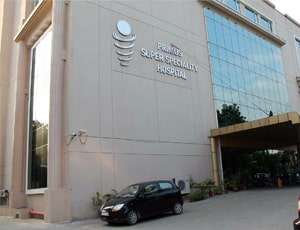
Choosing Primus Super Speciality Hospital for Laparoscopic Gall Bladder Removal gives patients access to experienced laparoscopic surgeons, advanced imaging and surgical equipment, modern operating facilities, and structured postoperative care. Established in 2001, the NABH accredited hospital in Delhi, India has 250 beds and provides specialised hepatobiliary and gastrointestinal surgical services.
Laparoscopic Gall Bladder Removal is generally performed under general anaesthesia. The surgeon creates small abdominal incisions, introduces a laparoscope to visualize the gallbladder, and uses specialized instruments to detach and remove it. Patients are monitored after surgery for pain, bleeding, infection, bile leakage, digestive symptoms, and other potential complications. Most patients can gradually resume normal activities following the surgeon's postoperative instructions, with recovery depending on the underlying condition and complexity of the surgery.
At Srikara Hospitals, Miyapur, Laparoscopic Gall Bladder Removal is performed using specialised laparoscopic surgical techniques and comprehensive preoperative gastrointestinal assessment. Established in 2013, this NABH accredited hospital in Hyderabad, India has 200 beds and offers advanced general and minimally invasive surgical services.
Laparoscopic Gall Bladder Removal may be considered for patients with symptomatic gallstones, acute or chronic cholecystitis, gallbladder polyps, or other conditions requiring removal of the gallbladder. During surgery, the surgeon uses a laparoscope to visualize the gallbladder and surrounding structures, identifies and divides the cystic duct and blood vessels, and removes the gallbladder through a small abdominal incision. Ultrasound and laboratory investigations are commonly used to assess the gallbladder and identify associated complications before surgery.

A 41 years old patient from Kenya underwent successful myomectomy procedure in India's leading Jaypee Hospital.

Ms. Fiona Whitecross decided to treat herself at Sri Ram Chandra Medical Center, Chennai. Dr. Radhakrishnan, one of the finest doctors for varicose veins in…
Laparoscopic gallbladder removal, also known as Laparoscopic Cholecystectomy, is a minimally invasive surgical procedure in which the gallbladder is removed from the patient’s body. The gallbladder is a small organ located below the liver that stores bile produced by the liver. During the procedure, small incisions are made in the abdomen, and a laparoscope (a thin, flexible tube with a camera) and surgical instruments are inserted to perform the removal.
Laparoscopic gallbladder removal may be recommended by your surgeon to treat conditions like gallstones and gallbladder inflammation (Cholecystitis).
The recovery process after a Laparoscopic Gall Bladder Removal is generally faster and less painful compared to traditional open surgery. Patients may stay in the hospital for a day or go home the same day. They may experience some discomfort at the incision sites, which usually resolves within a few days. Full recovery typically takes about 1 to 2 weeks, during which patients are advised to rest, avoid heavy lifting, and follow their surgeon's post-operative instructions. Most patients can resume normal activities and return to work within a couple of weeks after the procedure.
Yes, the latest medical technology is available in Indian hospitals that do laparoscopic gall bladder removal. They use advanced imaging equipment, high-definition cameras, and modern laparoscopic devices to guarantee accurate diagnosis and successful treatment. These modern facilities minimise recovery times and improve patient comfort while following worldwide standards for quality and safety. To provide patients with the best treatment possible for laparoscopic procedures, Indian hospitals are renowned for implementing the most recent developments in medical technology.
The best hospitals for laparoscopic gall bladder removal in India are characterised by:
In India, cholecystectomy, or laparoscopic gall bladder removal, has a 96% to 97% success rate. This surgery has a high success rate since it is minimally invasive and is carried out by highly qualified surgeons utilising modern medical technologies. It's a safe and efficient treatment for gallstones and other gallbladder-related problems, and most patients recover quickly with few side effects. In India, laparoscopic gallbladder removal is regarded as a very effective treatment.
Top-rated hospitals in India specialising in laparoscopic gall bladder removal are easily found on the MediGence website. The website provides thorough profiles of experienced surgeons and information about their qualifications and success rates. This guarantees that you can get in touch with reliable healthcare providers. Additionally, you can learn about the latest medical technologies and services available at these hospitals, helping you make an informed decision for your treatment. MediGence ensures an easy and well-supported medical journey by connecting you with the top surgeons.
Some of the best hospitals listed for laparoscopic gall bladder removalin India are :
The cost of laparoscopic gall bladder removal in India typically ranges from (USD 3500 - 4500), depending on the hospital, location, and the complexity of the procedure.
Yes, international patients can have their gallbladder removed laparoscopically in India. The best hospitals in India offer specialist care to international patients. These facilities have advanced medical equipment, qualified surgeons, and extensive treatment services. Along with top-notch medical care, MediGence offers aid with travel planning, visas, accommodation and smooth medical coordination. This guarantees international patients receiving treatment in India will enjoy a simple and seamless experience.
The risks associated with laparoscopic gall bladder removal include:
These complications are rare, and the procedure is generally safe and has a high success rate in India's advanced medical facilities.
In India, the majority of patients remain in the hospital for one to two days following a laparoscopic gallbladder removal. While strenuous activities should be avoided for two to four weeks, light activities can typically be resumed in a week. It usually takes 4-6 weeks to recover fully, depending on the patient's health and compliance with post-operative instructions.
Yes, you can consult with a Surgeon before travelling to India for a laparoscopic gall bladder removal. Through the MediGence platform, via the telemedicine portal you can book an online consultation with a qualified surgeon to review your medical history, discuss your condition, and plan your treatment. This ensures you have all the necessary information and are fully prepared for the procedure before your visit.
In India, post-operative care following laparoscopic gallbladder removal usually consists of a one to two-day hospital stay during which any complications, such as bleeding or infection, are monitored.
It is recommended that patients start with a modest diet before progressively switching to regular meals. Patients are advised to walk and return to mild activities within a week, and medications may be provided to treat discomfort.
For four to six weeks, avoid heavy lifting and strenuous activities. Routine follow-ups ensure a seamless recovery process.
India is a popular destination for laparoscopic gall bladder removal due to several factors:
These factors make India attractive for those seeking high-quality, affordable treatment.
The MediGence platform allows you to schedule a laparoscopic gallbladder removal appointment in India. We will help you make appointments for your treatment at top hospitals, put you in touch with skilled surgeons, and provide support all along the way. We guarantee seamless coordination of your treatment, travel arrangements, and medical requirements from the first consultation to the post-procedure care.
A laparoscopic gallbladder removal in India often requires a stay of seven to ten days. You will stay in the hospital for one to two days after the recovery procedure and be monitored.
Before you travel, you need a few more days for relaxation and follow-up appointments. The initial stay is usually 1 to 2 weeks, but it may take up to 6 weeks to fully recover, depending on your health and recovery.
Yes, there are alternative treatments to laparoscopic gallbladder removal in India, depending on the condition. Some options include:
Consulting with a surgeon will help determine the most suitable alternative treatment based on the patient’s condition.
To prepare for laparoscopic gallbladder removal in India, you will need a pre-surgery consultation with your surgeon, undergo necessary medical tests, and follow instructions regarding medications and dietary restrictions.
Arrange for transportation and assistance during recovery, and plan for follow-up appointments. Your healthcare provider will guide you through any additional steps based on your health.