Browse verified doctors or let our care team help you find the doctor best suited to your condition, treatment goals, and budget.
Prince Court Medical Centre offers specialised liver transplants using modern surgical technology and established transplant protocols. Established in 2007, the MSQH accredited hospital is situated in Kuala Lumpur, Malaysia, with 277 beds, serving local and international patients.
Liver transplantation aims to restore liver function by replacing a severely diseased liver with healthy donor tissue. Depending on availability and medical suitability, transplantation may involve a living or deceased donor. Before surgery, specialists conduct extensive evaluations of the recipient and donor, including imaging, laboratory testing, liver disease assessment, and overall health screening, to develop an appropriate transplant plan.
Acibadem International Hospital provides Liver Transplant using contemporary transplant surgery techniques and evidence-based clinical care. Founded in 1989, the JCI accredited hospital is based in Istanbul, Turkey, with 112 beds and services for domestic and international patients.
The procedure involves removing the damaged liver and implanting a healthy donor liver or a suitable portion of one. Living-donor transplantation may be considered in appropriate cases because the liver can regenerate after partial removal. Before treatment, the transplant team evaluates liver disease severity, cardiovascular health, infection status, donor suitability, and other factors.
Mount Elizabeth Novena Hospital offers specialised liver transplants using modern surgical technology and established transplant protocols. Established in 2012, the JCI accredited hospital is situated in Novena, Singapore, with 313 beds, serving local and international patients.
Liver transplantation aims to restore liver function by replacing a severely diseased liver with healthy donor tissue. Depending on availability and medical suitability, transplantation may involve a living or deceased donor. Before surgery, specialists conduct extensive evaluations of the recipient and donor, including imaging, laboratory testing, liver disease assessment, and overall health screening, to develop an appropriate transplant plan.
Asan Medical Centre offers specialised liver transplants using modern surgical technology and established transplant protocols. Established in 1989, the ISO accredited hospital is situated in Seoul, South Korea, with 2700 beds, serving local and international patients.
Liver transplantation aims to restore liver function by replacing a severely diseased liver with healthy donor tissue. Depending on availability and medical suitability, transplantation may involve a living or deceased donor. Before surgery, specialists conduct extensive evaluations of the recipient and donor, including imaging, laboratory testing, liver disease assessment, and overall health screening, to develop an appropriate transplant plan.
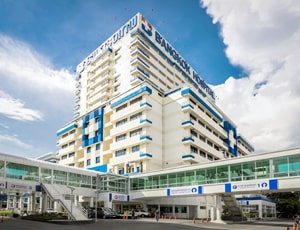
Bangkok Hospital offers advanced Liver Transplant services using modern transplant techniques and internationally accepted treatment protocols. Established in 1972, the JCI accredited hospital is located in Bangkok, Thailand, with 580 beds, providing comprehensive transplant care for local and international patients.
A liver transplant involves replacing a diseased or severely damaged liver with a healthy donor liver. It may be recommended for selected patients with end-stage liver disease, certain liver cancers, or severe liver failure. Depending on the case, the transplant may use a liver from a deceased donor or a suitable living donor. Extensive assessments of recipients and donors are performed before transplantation.
Mount Elizabeth Hospital offers advanced Liver Transplant services using modern transplant techniques and internationally accepted treatment protocols. Established in 1979, the JCI accredited hospital is located in Singapore, Singapore, with 345 beds, providing comprehensive transplant care for local and international patients.
A liver transplant involves replacing a diseased or severely damaged liver with a healthy donor liver. It may be recommended for selected patients with end-stage liver disease, certain liver cancers, or severe liver failure. Depending on the case, the transplant may use a liver from a deceased donor or a suitable living donor. Extensive assessments of recipients and donors are performed before transplantation.
Delhi, India
BLK-Max Super Speciality Hospital offers specialised liver transplants using modern surgical technology and established transplant protocols. Established in 1959, the JCI, NABH accredited hospital is situated in Delhi, India, with 650 beds, serving local and international patients.
Liver transplantation aims to restore liver function by replacing a severely diseased liver with healthy donor tissue. Depending on availability and medical suitability, transplantation may involve a living or deceased donor. Before surgery, specialists conduct extensive evaluations of the recipient and donor, including imaging, laboratory testing, liver disease assessment, and overall health screening, to develop an appropriate transplant plan.
With advanced transplant infrastructure, Vejthani Hospital offers liver transplantation for patients requiring definitive treatment for severe liver disease. Established in 1994, the JCI accredited hospital is located in Bangkok, Thailand, and has 263 beds.
Liver transplantation may be considered for end-stage liver disease, acute liver failure, and selected liver tumours when transplantation is medically appropriate. The procedure can involve a deceased-donor liver or a portion of a living donor's liver. A multidisciplinary transplant team conducts detailed assessments before surgery and provides long-term follow-up after transplantation.
With advanced transplant infrastructure, Artemis Health Institute offers liver transplantation for patients requiring definitive treatment for severe liver disease. Established in 2007, the JCI, NABH accredited hospital is located in Gurgaon, India, and has 750 beds.
Liver transplantation may be considered for end-stage liver disease, acute liver failure, and selected liver tumours when transplantation is medically appropriate. The procedure can involve a deceased-donor liver or a portion of a living donor's liver. A multidisciplinary transplant team conducts detailed assessments before surgery and provides long-term follow-up after transplantation.
At Gleneagles Hospital, patients can access Liver Transplant supported by specialised transplant facilities and experienced hepatology and surgical teams. Established in 1959, the JCI accredited hospital is located in Singapore, Singapore, and has 258 beds.
Liver transplantation is a treatment option for eligible patients with advanced liver failure or selected liver cancers and chronic liver conditions. During surgery, the diseased liver is removed and replaced with a donor liver or an appropriate portion of one. Comprehensive medical, imaging, and compatibility assessments help determine transplant suitability.
Medipol Bahçelievler Hospital offers specialised liver transplants using modern surgical technology and established transplant protocols. Established in 2022, the JCI accredited hospital is situated in Istanbul, Turkey, with 441 beds, serving local and international patients.
Liver transplantation aims to restore liver function by replacing a severely diseased liver with healthy donor tissue. Depending on availability and medical suitability, transplantation may involve a living or deceased donor. Before surgery, specialists conduct extensive evaluations of the recipient and donor, including imaging, laboratory testing, liver disease assessment, and overall health screening, to develop an appropriate transplant plan.
Medanta - The Medicity offers advanced Liver Transplant services using modern transplant techniques and internationally accepted treatment protocols. Established in 2009, the JCI, NABH accredited hospital is located in Gurgaon, India, with 1250 beds, providing comprehensive transplant care for local and international patients.
A liver transplant involves replacing a diseased or severely damaged liver with a healthy donor liver. It may be recommended for selected patients with end-stage liver disease, certain liver cancers, or severe liver failure. Depending on the case, the transplant may use a liver from a deceased donor or a suitable living donor. Extensive assessments of recipients and donors are performed before transplantation.
Phyathai 2 International Hospital offers specialised liver transplants using modern surgical technology and established transplant protocols. Established in 1987, the JCI accredited hospital is situated in Bangkok, Thailand, with 550 beds, serving local and international patients.
Liver transplantation aims to restore liver function by replacing a severely diseased liver with healthy donor tissue. Depending on availability and medical suitability, transplantation may involve a living or deceased donor. Before surgery, specialists conduct extensive evaluations of the recipient and donor, including imaging, laboratory testing, liver disease assessment, and overall health screening, to develop an appropriate transplant plan.
Florence Nightingale Hospital provides Liver Transplant using contemporary transplant surgery techniques and evidence-based clinical care. Founded in 1989, the JCI accredited hospital is based in Istanbul, Turkey, with 804 beds and services for domestic and international patients.
The procedure involves removing the damaged liver and implanting a healthy donor liver or a suitable portion of one. Living-donor transplantation may be considered in appropriate cases because the liver can regenerate after partial removal. Before treatment, the transplant team evaluates liver disease severity, cardiovascular health, infection status, donor suitability, and other factors.
Parkway East Hospital offers advanced Liver Transplant services using modern transplant techniques and internationally accepted treatment protocols. Established in 1942, the JCI accredited hospital is located in Singapore, Singapore, with 143 beds, providing comprehensive transplant care for local and international patients.
A liver transplant involves replacing a diseased or severely damaged liver with a healthy donor liver. It may be recommended for selected patients with end-stage liver disease, certain liver cancers, or severe liver failure. Depending on the case, the transplant may use a liver from a deceased donor or a suitable living donor. Extensive assessments of recipients and donors are performed before transplantation.
| Speciality | Transplants |
| Procedure | Liver transplant |
| Success Rate | 75-85% at 1 year, 60% at 5 years |
| Recovery Time | 6-12 months |
| Treatment Time | 6-12 hours |
| Chances of Recurrence | Varies by condition by patient |
A liver transplant is a surgical procedure in which a diseased or damaged liver is replaced with a healthy liver from a deceased or living donor. During the surgery, the patient’s diseased liver is removed, and the healthy liver is implanted from a donor and connected to the receiving patient’s (recepient) blood vessels and bile ducts.
A liver transplant can effectively treat various medical conditions, including end-stage liver disease caused by chronic hepatitis B or C, alcoholic liver disease, non-alcoholic fatty liver disease, primary biliary cholangitis, primary sclerosing cholangitis, liver cancer (hepatocellular carcinoma), and certain metabolic liver diseases.
The recovery process after a liver transplant is a complex and lifelong commitment. In the immediate post-transplant period, the patient is closely monitored in the intensive care unit for a few days to ensure the proper functioning of the new liver and to manage any complications. After being discharged from the hospital, regular follow-up visits, extensive medication management, and frequent laboratory tests are necessary to monitor liver function and prevent rejection. Overall, it may take 6 months to a few years to get used to the new normal.

The liver is one of the most important organs in the human body. It works silently every day, performing hundreds of vital functions that keep us alive and healthy. It helps digest food