
Prince Court Medical Centre
Kuala Lumpur, Malaysia
Please Enquire

Acibadem International Hospital
Istanbul, Turkey

Burjeel Hospital for Advanced Surgery Dubai
Dubai, United Arab Emirates

Mount Elizabeth Novena Hospital
Novena, Singapore
Mount Elizabeth Hospitals offer extensive transplant services, specialising in living donor liver and kidney transplants. Their multidisciplinary teams provide care for local and international patients, supported by transplant coordinators and dedicated ICU facilities. Kidney transplants are performed for both blood group compatible and incompatible pairs, while expert gastroenterologists support liver transplants. The hospitals also offer bone marrow and faecal microbiota transplants. International patients from over 120 countries receive full support. Known for quality outcomes and advanced care, Mount Elizabeth is Asia's leading destination for transplant procedures.
Mount Elizabeth Novena Hospital in Singapore is JCI-accredited, demonstrating compliance with international healthcare quality and safety standards.
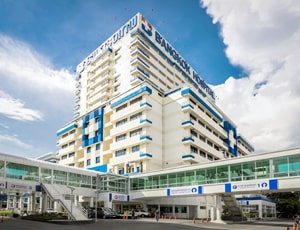
Bangkok Dusit Medical Services (BDMS) is a leading provider of transplant services in Thailand. It offers high-quality, affordable care with advanced technology and experienced medical teams. BDMS performs liver and kidney transplants, including procedures from living and deceased donors, and is recognised for strong patient survival rates at one, five, and ten years post-transplant. Comprehensive services include pre- and post-operative care and multilingual support for international patients. With a wide hospital network across Thailand, BDMS ensures accessible transplant care.
Accredited by Joint Commission International (JCI), BDMS is also supported by medical tourism platforms like MediJourn for global patient outreach.
Please Enquire

Asan Medical Center in Seoul is a global leader in organ transplantation, offering kidney, liver, pancreas, heart, lung, and cornea transplants. Renowned for its pioneering work, it achieved Korea’s first successful heart, pancreas, and living donor liver transplants. The Liver Transplant Center boasts a 98% success rate and is internationally recognized for its expertise in living donor liver transplantation (LDLT), including advanced dual-graft procedures. The center also excels in heart and lung transplants, supported by its specialized Heart Failure and Cardiac Transplantation Center. Asan's innovative techniques and high-volume practice ensure exceptional outcomes in complex transplant cases.
Asan Medical Center holds ISO certifications, reflecting strong data security and privacy management.

The Transplant Department in Mount Elizabeth Hospital in Singapore offers organ transplantation procedures, including kidney, liver, heart, lung, pancreas, and intestinal transplants. It involves evaluating recipients, matching suitable donors (living or deceased), and performing complex surgeries followed by lifelong immunosuppressive therapy to prevent rejection. A multidisciplinary team includes transplant surgeons, hepatologists, nephrologists, immunologists, and coordinators.
Each transplant type has specific eligibility criteria, requiring comprehensive pre-operative testing, counselling, and nutritional support. Post-transplant monitoring in Singapore is critical to detect complications like organ rejection, infection, and medication side effects. The transplant department also handles ABO-incompatible and pediatric transplants using advanced techniques. Innovations like robotic surgery, desensitisation protocols, and organ preservation methods have improved success rates.

BLK-Max Super Speciality Hospital
Delhi, India
In India, BLK-Max Super Speciality Hospital is one of the best organ transplant centres. The centre offers state-of-the-art bone marrow, kidney, and liver transplant treatments. With a highly experienced team, BLK-Max performs specialist kidney transplants, such as for HIV patients, and has performed more than 700 liver transplants, including complex ones. The Bone Marrow Transplant Centre offers the latest blood disease treatment and is among the largest in Asia. With high success rates and state-of-the-art facilities, BLK-Max is a trusted brand for transplant services in India, providing patients with the best treatment.

Kings College Hospital Dubai
Dubai, United Arab Emirates
The Transplant Department at King's College Hospital Dubai in the United Arab Emirates offers a range of organ transplantation procedures, including kidney, liver, heart, lung, pancreas, and intestinal transplants. It involves evaluating recipients, matching suitable donors (living or deceased), and performing complex surgeries followed by lifelong immunosuppressive therapy to prevent rejection. A multidisciplinary team is involved, including transplant surgeons, hepatologists, nephrologists, immunologists, and coordinators.
Post-transplant monitoring in the UAE is critical to detect complications like organ rejection, infection, and medication side effects. The transplant department also handles ABO-incompatible and pediatric transplants using advanced techniques. Innovations such as robotic surgery, desensitisation protocols, and organ-preservation methods have improved success rates.
Please Enquire

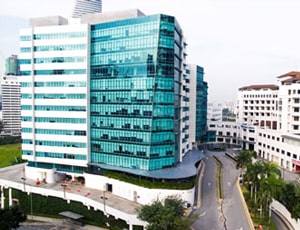

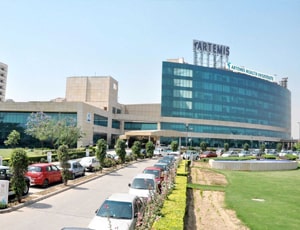
The Transplant Department at Artemis Health Institute Hospital in India coordinates organ transplant operations, including kidney, liver, heart, lung, pancreas, and intestine transplants. It involves evaluating recipients, cross-matching possible donors (living or cadaveric), and performing complex surgeries followed by lifelong immunosuppressive therapy to prevent rejection.
Continuous care is facilitated through a multidisciplinary approach that includes transplant surgeons, hepatologists, nephrologists, immunologists, and coordinators. Every type of transplant has particular eligibility criteria, which include intensive pre-surgical investigations, counselling, and nutrition in India. Post-transplant monitoring is necessary to detect complications like organ rejection, infection, and side effects.
Please Enquire

The Transplant Department at Gleneagles Hospital (JCI-accredited) in Singapore offers a range of organ transplantation procedures, including kidney, liver, heart, lung, pancreas, and intestinal transplants. It involves evaluating recipients, matching suitable donors (living or deceased), and performing complex surgeries followed by lifelong immunosuppressive therapy to prevent rejection. A multidisciplinary team is involved, including transplant surgeons, hepatologists, nephrologists, immunologists, and coordinators.
Post-transplant monitoring in Singapore is critical to detect complications like organ rejection, infection, and medication side effects. The transplant department also handles ABO-incompatible and pediatric transplants using advanced techniques. Innovations like robotic surgery, desensitisation protocols, and organ preservation methods have improved success rates.

International St. Mary's Hospital
Seoul, South Korea


