Browse verified doctors or let our care team help you find the doctor best suited to your condition, treatment goals, and budget.

Clear Medi Hospital, Karkardooma offers advanced ORIF (Open Reduction and Internal Fixation) using modern orthopaedic surgical techniques and internationally accepted treatment protocols. Established in 2017, the NABH, NABL accredited hospital is located in Delhi, India, with 100 beds, providing comprehensive fracture care for local and international patients.
ORIF is a surgical procedure used to realign and stabilise broken bones when they cannot be adequately treated with casting or other non-surgical methods. During surgery, the bone fragments are repositioned and secured using plates, screws, rods, or other fixation devices. The orthopaedic specialist evaluates imaging and fracture characteristics before selecting the appropriate fixation method.
VPS Rockland Hospital offers advanced ORIF (Open Reduction and Internal Fixation) using modern orthopaedic surgical techniques and internationally accepted treatment protocols. Established in 2013, the NABH, NABL accredited hospital is located in Gurgaon, India, with 345 beds, providing comprehensive fracture care for local and international patients.
ORIF is a surgical procedure used to realign and stabilise broken bones when they cannot be adequately treated with casting or other non-surgical methods. During surgery, the bone fragments are repositioned and secured using plates, screws, rods, or other fixation devices. The orthopaedic specialist evaluates imaging and fracture characteristics before selecting the appropriate fixation method.
Sheba Medical Center offers advanced ORIF (Open Reduction and Internal Fixation) using modern orthopaedic surgical techniques and internationally accepted treatment protocols. Established in 1948, the JCI accredited hospital is located in Ramat Gan, Israel, with 1900 beds, providing comprehensive fracture care for local and international patients.
ORIF is a surgical procedure used to realign and stabilise broken bones when they cannot be adequately treated with casting or other non-surgical methods. During surgery, the bone fragments are repositioned and secured using plates, screws, rods, or other fixation devices. The orthopaedic specialist evaluates imaging and fracture characteristics before selecting the appropriate fixation method.
At Herzliya Medical Center, patients can access ORIF supported by advanced imaging facilities and experienced orthopaedic surgeons. Established in 1983, the accredited hospital is located in Herzliya, Israel, and has 120 beds.
Open reduction and internal fixation may be recommended for displaced, unstable, or complex fractures. The surgeon exposes the fracture, restores the bone's alignment, and stabilises it using specialised implants such as plates, screws, nails, or rods. Pre-operative X-rays or CT scans help assess the fracture and guide surgical planning.
With advanced orthopaedic infrastructure, Acibadem University Hospital Atakent offers ORIF to patients with fractures that require surgical realignment and stabilisation. Established in 2014, the JCI accredited hospital is located in Istanbul, Turkey, and has 278 beds.
ORIF involves making an incision to access the fracture, restoring the normal position of the bone, and securing the fragments with plates, screws, rods, or other implants. It may be used for severely displaced, open, or unstable fractures, as well as selected joint fractures. Detailed imaging and assessment of the patient's overall health are performed before surgery.
Iranian Hospital offers advanced ORIF (Open Reduction and Internal Fixation) using modern orthopaedic surgical techniques and internationally accepted treatment protocols. Established in 1970, the accredited hospital is located in Dubai, United Arab Emirates, with 220 beds, providing comprehensive fracture care for local and international patients.
ORIF is a surgical procedure used to realign and stabilise broken bones when they cannot be adequately treated with casting or other non-surgical methods. During surgery, the bone fragments are repositioned and secured using plates, screws, rods, or other fixation devices. The orthopaedic specialist evaluates imaging and fracture characteristics before selecting the appropriate fixation method.
At KCM Clinic, patients can access ORIF supported by advanced imaging facilities and experienced orthopaedic surgeons. Established in 2006, the ISO accredited hospital is located in Jelenia Gora, Poland, and has 85 beds.
Open reduction and internal fixation may be recommended for displaced, unstable, or complex fractures. The surgeon exposes the fracture, restores the bone's alignment, and stabilises it using specialised implants such as plates, screws, nails, or rods. Pre-operative X-rays or CT scans help assess the fracture and guide surgical planning.
At Rehabilitation Clinic Malvazinky, patients can access ORIF supported by advanced imaging facilities and experienced orthopaedic surgeons. Established in 1954, the JCI accredited hospital is located in Prague, Czechia, and has 170 beds.
Open reduction and internal fixation may be recommended for displaced, unstable, or complex fractures. The surgeon exposes the fracture, restores the bone's alignment, and stabilises it using specialised implants such as plates, screws, nails, or rods. Pre-operative X-rays or CT scans help assess the fracture and guide surgical planning.
Life Kingsbury Hospital offers advanced ORIF (Open Reduction and Internal Fixation) using modern orthopaedic surgical techniques and internationally accepted treatment protocols. Established in 1918, the accredited hospital is located in Cape Town, South Africa, with 212 beds, providing comprehensive fracture care for local and international patients.
ORIF is a surgical procedure used to realign and stabilise broken bones when they cannot be adequately treated with casting or other non-surgical methods. During surgery, the bone fragments are repositioned and secured using plates, screws, rods, or other fixation devices. The orthopaedic specialist evaluates imaging and fracture characteristics before selecting the appropriate fixation method.
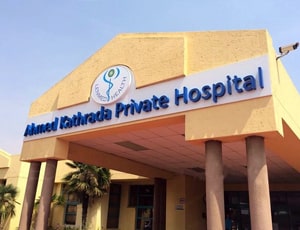
Johannesburg, South Africa
At Lenmed Ahmed Kathrada Private Hospital, patients can access ORIF supported by advanced imaging facilities and experienced orthopaedic surgeons. Established in 1984, the COHSASA, ISQua accredited hospital is located in Johannesburg, South Africa, and has 254 beds.
Open reduction and internal fixation may be recommended for displaced, unstable, or complex fractures. The surgeon exposes the fracture, restores the bone's alignment, and stabilises it using specialised implants such as plates, screws, nails, or rods. Pre-operative X-rays or CT scans help assess the fracture and guide surgical planning.
At Eregli Anadolu Hospital, patients can access ORIF supported by advanced imaging facilities and experienced orthopaedic surgeons. Established in 1998, the JCI accredited hospital is located in Zonguldak, Turkey, and has 75 beds.
Open reduction and internal fixation may be recommended for displaced, unstable, or complex fractures. The surgeon exposes the fracture, restores the bone's alignment, and stabilises it using specialised implants such as plates, screws, nails, or rods. Pre-operative X-rays or CT scans help assess the fracture and guide surgical planning.
At Riyadh Care Hospital, patients can access ORIF supported by advanced imaging facilities and experienced orthopaedic surgeons. Established in 1990, the JCI accredited hospital is located in Riyadh, Saudi Arabia, and has 325 beds.
Open reduction and internal fixation may be recommended for displaced, unstable, or complex fractures. The surgeon exposes the fracture, restores the bone's alignment, and stabilises it using specialised implants such as plates, screws, nails, or rods. Pre-operative X-rays or CT scans help assess the fracture and guide surgical planning.
Taoufik Clinique offers specialised ORIF (Open Reduction and Internal Fixation) using modern surgical technology and established orthopaedic treatment protocols. Established in 1979, the ISO accredited hospital is situated in Tunis, Tunisia, with 180 beds, serving local and international patients.
ORIF is designed to restore bone alignment, stability, and function following complex or displaced fractures. During the procedure, the surgeon repositions the fractured bone and secures it with appropriate internal fixation hardware. The specific technique depends on the fracture's location, pattern, severity, and involvement of nearby joints or soft tissues.
At Baskent University Istanbul Hospital, patients can access ORIF supported by advanced imaging facilities and experienced orthopaedic surgeons. Established in 1993, the JCI, ISO accredited hospital is located in Istanbul, Turkey, and has 144 beds.
Open reduction and internal fixation may be recommended for displaced, unstable, or complex fractures. The surgeon exposes the fracture, restores the bone's alignment, and stabilises it using specialised implants such as plates, screws, nails, or rods. Pre-operative X-rays or CT scans help assess the fracture and guide surgical planning.
Chennai, India
The Madras Institute of Orthopedics and Traumatology offers specialised ORIF (Open Reduction and Internal Fixation) using modern surgical technology and established orthopaedic treatment protocols. Established in 1999, the JCI, NABH accredited hospital is situated in Chennai, India, with 1000 beds, serving local and international patients.
ORIF is designed to restore bone alignment, stability, and function following complex or displaced fractures. During the procedure, the surgeon repositions the fractured bone and secures it with appropriate internal fixation hardware. The specific technique depends on the fracture's location, pattern, severity, and involvement of nearby joints or soft tissues.
| Speciality | Orthopedics |
| Procedure | ORIF |
| Success Rate | 85-95% |
| Recovery Time | 3-6 months |
| Treatment Time | 1-3 hours |
| Chances of Recurrence | Low |
ORIF is short for Open Reduction and Internal Fixation. It is a surgical procedure used to treat fractures, particularly complex or displaced fractures that cannot be adequately treated with nonsurgical methods. During ORIF, the surgeon makes an incision to realign the fractured bones back into their proper position. This is called open reduction. The surgeon then uses internal fixation devices, such as plates, screws, or rods, to hold the bones together and promote healing. This is called internal fixation.
Medical conditions that can be treated through ORIF include fractures of long bones like the femur, tibia, and humerus, as well as fractures of the pelvis, wrist, ankle, and other bones.
The recovery process after an ORIF procedure varies depending on the location and severity of the fracture. Patients typically need to limit weight-bearing and use assistive devices to reduce pressure on the effected part of the body. Physical therapy is often recommended to help regain strength, mobility, and function. The length of the recovery period can range from a few weeks to several months, and it's important for patients to follow their surgeon's post-operative instructions to ensure a successful recovery.