Browse verified doctors or let our care team help you find the doctor best suited to your condition, treatment goals, and budget.

Vinmec Da Nang offers hip resurfacing surgery through cutting-edge surgical procedures along with evidence-based orthopedic treatment. Established in 2017, the JCI certified hospital located in Da Nang, Vietnam, has a capacity of 222 beds and serves both domestic and international patients.
The hip resurfacing procedure involves shaping the deformed femoral head and placing a smooth metal surface on it, thereby replacing the damaged socket with an artificial one. By preserving a greater part of the natural femural bone, hip resurfacing can provide an effective solution for selected patients. Only after the expert has checked the quality of the bone, the degree of activity, the degree of damage, and the patient's health status would the treatment be recommended.
With a well-established orthopaedic infrastructure, Vinmec Nha Trang performs Hip Resurfacing Surgery only for patients eligible for this bone-preserving procedure rather than traditional hip replacement surgery. Founded in 2017, the JCI accredited facility in Nha Trang, Vietnam is equipped with 150 beds.
Hip resurfacing is an alternative procedure for selectively chosen candidates with severe hip arthritis or a serious joint injury. Hip resurfacing differs from traditional hip replacement surgery because most of the femoral head is preserved, and only the injured surfaces of the joint are replaced with artificial parts. The orthopaedic surgeon reviews the patient’s case before surgery by performing necessary imaging studies and medical tests to assess implant suitability and prepare for recovery.
Medicana Camlica Hospital offers advanced hip resurfacing surgery using the latest joint-preserving orthopedic techniques and contemporary medical guidelines. The hospital, founded in the year 1999, is a ISO, JCI accredited hospital located in the city of Istanbul, Turkey, and has 113 number of available beds in addition to providing complete orthopedic care for both residents and patients from abroad.
The purpose of hip resurfacing surgery is to relieve pain and restore normal function of the hip joint while preserving as much natural bone as possible compared with conventional total hip replacement procedures. In this procedure, the surfaces of the diseased hip joint are reconfigured and covered with metal components.
With a well-established orthopaedic infrastructure, Memorial Sisli Hospital performs Hip Resurfacing Surgery only for patients eligible for this bone-preserving procedure rather than traditional hip replacement surgery. Founded in 2000, the JCI, NABH accredited facility in Istanbul, Turkey is equipped with 252 beds.
Hip resurfacing is an alternative procedure for selectively chosen candidates with severe hip arthritis or a serious joint injury. Hip resurfacing differs from traditional hip replacement surgery because most of the femoral head is preserved, and only the injured surfaces of the joint are replaced with artificial parts. The orthopaedic surgeon reviews the patient’s case before surgery by performing necessary imaging studies and medical tests to assess implant suitability and prepare for recovery.
Hisar Intercontinental Hospital offers hip resurfacing surgery through cutting-edge surgical procedures along with evidence-based orthopedic treatment. Established in 2005, the JCI certified hospital located in Istanbul, Turkey, has a capacity of 170 beds and serves both domestic and international patients.
The hip resurfacing procedure involves shaping the deformed femoral head and placing a smooth metal surface on it, thereby replacing the damaged socket with an artificial one. By preserving a greater part of the natural femural bone, hip resurfacing can provide an effective solution for selected patients. Only after the expert has checked the quality of the bone, the degree of activity, the degree of damage, and the patient's health status would the treatment be recommended.
Dubai, United Arab Emirates
With a well-established orthopaedic infrastructure, NMC Specialty Hospital, Al Nahda performs Hip Resurfacing Surgery only for patients eligible for this bone-preserving procedure rather than traditional hip replacement surgery. Founded in 2004, the JCI accredited facility in Dubai, United Arab Emirates is equipped with 187 beds.
Hip resurfacing is an alternative procedure for selectively chosen candidates with severe hip arthritis or a serious joint injury. Hip resurfacing differs from traditional hip replacement surgery because most of the femoral head is preserved, and only the injured surfaces of the joint are replaced with artificial parts. The orthopaedic surgeon reviews the patient’s case before surgery by performing necessary imaging studies and medical tests to assess implant suitability and prepare for recovery.
With a well-established orthopaedic infrastructure, NMC Specialty Hospital performs Hip Resurfacing Surgery only for patients eligible for this bone-preserving procedure rather than traditional hip replacement surgery. Founded in 1975, the JCI, NABH accredited facility in Abu Dhabi, United Arab Emirates is equipped with 104 beds.
Hip resurfacing is an alternative procedure for selectively chosen candidates with severe hip arthritis or a serious joint injury. Hip resurfacing differs from traditional hip replacement surgery because most of the femoral head is preserved, and only the injured surfaces of the joint are replaced with artificial parts. The orthopaedic surgeon reviews the patient’s case before surgery by performing necessary imaging studies and medical tests to assess implant suitability and prepare for recovery.
Ajman, United Arab Emirates
With a well-established orthopaedic infrastructure, Thumbay University Hospital, Ajman performs Hip Resurfacing Surgery only for patients eligible for this bone-preserving procedure rather than traditional hip replacement surgery. Founded in 2002, the JCI accredited facility in Ajman, United Arab Emirates is equipped with 350 beds.
Hip resurfacing is an alternative procedure for selectively chosen candidates with severe hip arthritis or a serious joint injury. Hip resurfacing differs from traditional hip replacement surgery because most of the femoral head is preserved, and only the injured surfaces of the joint are replaced with artificial parts. The orthopaedic surgeon reviews the patient’s case before surgery by performing necessary imaging studies and medical tests to assess implant suitability and prepare for recovery.
With a well-established orthopaedic infrastructure, Meliva Kardiolita Hospital, Kaunas performs Hip Resurfacing Surgery only for patients eligible for this bone-preserving procedure rather than traditional hip replacement surgery. Founded in 1998, the JCI accredited facility in Kaunas, Lithuania is equipped with 8 beds.
Hip resurfacing is an alternative procedure for selectively chosen candidates with severe hip arthritis or a serious joint injury. Hip resurfacing differs from traditional hip replacement surgery because most of the femoral head is preserved, and only the injured surfaces of the joint are replaced with artificial parts. The orthopaedic surgeon reviews the patient’s case before surgery by performing necessary imaging studies and medical tests to assess implant suitability and prepare for recovery.
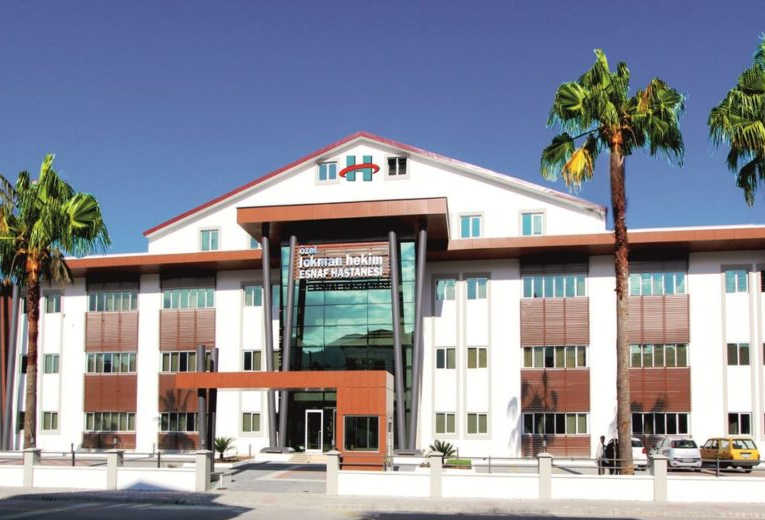
With a well-established orthopaedic infrastructure, Lokman Hekim Esnaf Hospital performs Hip Resurfacing Surgery only for patients eligible for this bone-preserving procedure rather than traditional hip replacement surgery. Founded in 1997, the JCI accredited facility in Fethiye, Turkey is equipped with 75 beds.
Hip resurfacing is an alternative procedure for selectively chosen candidates with severe hip arthritis or a serious joint injury. Hip resurfacing differs from traditional hip replacement surgery because most of the femoral head is preserved, and only the injured surfaces of the joint are replaced with artificial parts. The orthopaedic surgeon reviews the patient’s case before surgery by performing necessary imaging studies and medical tests to assess implant suitability and prepare for recovery.
Bukit Tinggi Medical Centre offers advanced hip resurfacing surgery using the latest joint-preserving orthopedic techniques and contemporary medical guidelines. The hospital, founded in the year 2016, is a MSQH accredited hospital located in the city of Kuala Lumpur, Malaysia, and has 171 number of available beds in addition to providing complete orthopedic care for both residents and patients from abroad.
The purpose of hip resurfacing surgery is to relieve pain and restore normal function of the hip joint while preserving as much natural bone as possible compared with conventional total hip replacement procedures. In this procedure, the surfaces of the diseased hip joint are reconfigured and covered with metal components.
With a well-established orthopaedic infrastructure, Rajagiri Hospital performs Hip Resurfacing Surgery only for patients eligible for this bone-preserving procedure rather than traditional hip replacement surgery. Founded in 2014, the JCI accredited facility in Kochi, India is equipped with beds.
Hip resurfacing is an alternative procedure for selectively chosen candidates with severe hip arthritis or a serious joint injury. Hip resurfacing differs from traditional hip replacement surgery because most of the femoral head is preserved, and only the injured surfaces of the joint are replaced with artificial parts. The orthopaedic surgeon reviews the patient’s case before surgery by performing necessary imaging studies and medical tests to assess implant suitability and prepare for recovery.
Jaypee Hospital offers advanced hip resurfacing surgery using the latest joint-preserving orthopedic techniques and contemporary medical guidelines. The hospital, founded in the year 2014, is a NABH, JCI accredited hospital located in the city of Noida, India, and has 1200 number of available beds in addition to providing complete orthopedic care for both residents and patients from abroad.
The purpose of hip resurfacing surgery is to relieve pain and restore normal function of the hip joint while preserving as much natural bone as possible compared with conventional total hip replacement procedures. In this procedure, the surfaces of the diseased hip joint are reconfigured and covered with metal components.
With a well-established orthopaedic infrastructure, Fortis Hospital, Shalimar Bagh performs Hip Resurfacing Surgery only for patients eligible for this bone-preserving procedure rather than traditional hip replacement surgery. Founded in 2010, the NABH accredited facility in Delhi, India is equipped with 262 beds.
Hip resurfacing is an alternative procedure for selectively chosen candidates with severe hip arthritis or a serious joint injury. Hip resurfacing differs from traditional hip replacement surgery because most of the femoral head is preserved, and only the injured surfaces of the joint are replaced with artificial parts. The orthopaedic surgeon reviews the patient’s case before surgery by performing necessary imaging studies and medical tests to assess implant suitability and prepare for recovery.
Wockhardt Hospital - A new Age Hospital offers hip resurfacing surgery through cutting-edge surgical procedures along with evidence-based orthopedic treatment. Established in 2014, the NABH, NABL, JCI certified hospital located in Mumbai, India, has a capacity of 350 beds and serves both domestic and international patients.
The hip resurfacing procedure involves shaping the deformed femoral head and placing a smooth metal surface on it, thereby replacing the damaged socket with an artificial one. By preserving a greater part of the natural femural bone, hip resurfacing can provide an effective solution for selected patients. Only after the expert has checked the quality of the bone, the degree of activity, the degree of damage, and the patient's health status would the treatment be recommended.
| Speciality | Orthopedics |
| Procedure | Hip Resurfacing Surgery |
| Success Rate | 80-90% |
| Recovery Time | 3-6 months |
| Treatment Time | 1-2 hours |
| Chances of Recurrence | Low |
Hip resurfacing surgery is a procedure in which surgeons reshape the damaged surface of the hip joint and cap it with a metal covering. Hip resurfacing, unlike hip replacement procedures, actually preserves more of the patient's natural bone.
Medical conditions that can be treated through hip resurfacing surgery include hip arthritis, osteoarthritis, and avascular necrosis. Candidates for this surgery are typically younger and more active individuals with good bone quality.
The recovery process after hip resurfacing surgery involves a period of rest and rehabilitation. Patients may need to use crutches or walkers initially and gradually transition to walking with support. Physical therapy is recommended to regain strength, flexibility, and mobility. Full recovery can take 2-4 weeks, and it is important to follow the post-surgery guidelines and exercises recommended by the healthcare provider to ensure successful outcomes.

The surgical result and the treating physician have both greatly pleased me. I am appreciative of Dr. Puneet Mishra and his staff at Fortis Hospital for the pre-surgery counseling and consultations.