Browse verified doctors or let our care team help you find the doctor best suited to your condition, treatment goals, and budget.
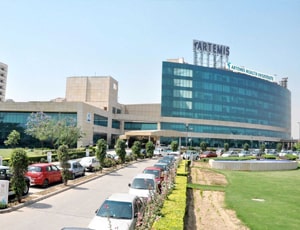
Artemis Health Institute offers advanced Hip Dysplasia Treatment using modern orthopedic techniques and individualized musculoskeletal care plans. Established in 2007, the JCI, NABH accredited hospital is located in Gurgaon, India and has 750 beds, providing comprehensive orthopedic care for local and international patients.
Hip Dysplasia Treatment is used to manage developmental dysplasia of the hip (DDH), a condition in which the hip joint does not develop normally and the femoral head may be unstable or improperly positioned within the acetabulum. Treatment depends on the patient's age, severity of dysplasia, hip stability, and stage of skeletal development. Options may include observation, bracing, closed reduction, or surgical procedures such as open reduction and pelvic or femoral osteotomy.
Choosing Gleneagles Hospital Mumbai for Hip Dysplasia Treatment gives patients access to experienced orthopedic specialists, pediatric hip surgeons, advanced ultrasound and radiographic imaging, modern surgical facilities, and structured rehabilitation services. Established in 1996, the JCI accredited hospital in Mumbai, India has 450 beds and provides specialized hip and joint-preservation care.
Hip Dysplasia Treatment is individualized according to the patient's age, degree of hip instability, acetabular development, and response to previous treatment. Infants may be managed with a hip harness or brace, while patients requiring surgical correction may undergo closed reduction, open reduction, or bone realignment procedures. Follow-up imaging is used to monitor hip development, joint position, and treatment response, while rehabilitation supports mobility and functional recovery when appropriate.
Chennai, India
The Madras Institute of Orthopedics and Traumatology offers advanced Hip Dysplasia Treatment using modern orthopedic techniques and individualized musculoskeletal care plans. Established in 1999, the JCI, NABH accredited hospital is located in Chennai, India and has 1000 beds, providing comprehensive orthopedic care for local and international patients.
Hip Dysplasia Treatment is used to manage developmental dysplasia of the hip (DDH), a condition in which the hip joint does not develop normally and the femoral head may be unstable or improperly positioned within the acetabulum. Treatment depends on the patient's age, severity of dysplasia, hip stability, and stage of skeletal development. Options may include observation, bracing, closed reduction, or surgical procedures such as open reduction and pelvic or femoral osteotomy.
Manipal Hospital, Ghaziabad provides specialised Hip Dysplasia Treatment with a focus on accurate hip assessment, joint-preserving treatment, advanced pediatric orthopedic techniques, and individualized long-term follow-up. Established in 2010, the NABH, NABL accredited hospital is located in Ghaziabad, India and operates 9500 beds, with modern orthopedic, imaging, surgical, and rehabilitation infrastructure.
Hip Dysplasia Treatment can help improve hip stability and alignment and may reduce the risk of progressive joint damage when appropriately managed. Treatment planning considers the patient's age, hip morphology, severity of dysplasia, degree of displacement, skeletal maturity, and previous interventions. A detailed evaluation using physical examination and age-appropriate imaging, such as ultrasound or X-ray, helps the orthopedic team determine whether conservative management, reduction, bracing, osteotomy, or another reconstructive approach is most suitable.
Cure My Knee provides specialised Hip Dysplasia Treatment with a focus on accurate hip assessment, joint-preserving treatment, advanced pediatric orthopedic techniques, and individualized long-term follow-up. Established in 2020, the JCI, NABH accredited hospital is located in Delhi, India and operates beds, with modern orthopedic, imaging, surgical, and rehabilitation infrastructure.
Hip Dysplasia Treatment can help improve hip stability and alignment and may reduce the risk of progressive joint damage when appropriately managed. Treatment planning considers the patient's age, hip morphology, severity of dysplasia, degree of displacement, skeletal maturity, and previous interventions. A detailed evaluation using physical examination and age-appropriate imaging, such as ultrasound or X-ray, helps the orthopedic team determine whether conservative management, reduction, bracing, osteotomy, or another reconstructive approach is most suitable.
Choosing Kalra Hospital for Hip Dysplasia Treatment gives patients access to experienced orthopedic specialists, pediatric hip surgeons, advanced ultrasound and radiographic imaging, modern surgical facilities, and structured rehabilitation services. Established in 1987, the NABH accredited hospital in Delhi, India has 110 beds and provides specialized hip and joint-preservation care.
Hip Dysplasia Treatment is individualized according to the patient's age, degree of hip instability, acetabular development, and response to previous treatment. Infants may be managed with a hip harness or brace, while patients requiring surgical correction may undergo closed reduction, open reduction, or bone realignment procedures. Follow-up imaging is used to monitor hip development, joint position, and treatment response, while rehabilitation supports mobility and functional recovery when appropriate.
MGM Healthcare offers advanced Hip Dysplasia Treatment using modern orthopedic techniques and individualized musculoskeletal care plans. Established in 2016, the NABH, NABL, JCI accredited hospital is located in Chennai, India and has 400 beds, providing comprehensive orthopedic care for local and international patients.
Hip Dysplasia Treatment is used to manage developmental dysplasia of the hip (DDH), a condition in which the hip joint does not develop normally and the femoral head may be unstable or improperly positioned within the acetabulum. Treatment depends on the patient's age, severity of dysplasia, hip stability, and stage of skeletal development. Options may include observation, bracing, closed reduction, or surgical procedures such as open reduction and pelvic or femoral osteotomy.
Choosing Batra Hospital for Hip Dysplasia Treatment gives patients access to experienced orthopedic specialists, pediatric hip surgeons, advanced ultrasound and radiographic imaging, modern surgical facilities, and structured rehabilitation services. Established in 1987, the NABH accredited hospital in Delhi, India has 495 beds and provides specialized hip and joint-preservation care.
Hip Dysplasia Treatment is individualized according to the patient's age, degree of hip instability, acetabular development, and response to previous treatment. Infants may be managed with a hip harness or brace, while patients requiring surgical correction may undergo closed reduction, open reduction, or bone realignment procedures. Follow-up imaging is used to monitor hip development, joint position, and treatment response, while rehabilitation supports mobility and functional recovery when appropriate.
Rajagiri Hospital is a trusted healthcare provider for Hip Dysplasia Treatment, offering hip preservation and reconstruction supported by experienced orthopedic surgeons, pediatric orthopedic specialists, advanced imaging facilities, and multidisciplinary rehabilitation teams. Established in 2014, the JCI- accredited hospital is situated in Kochi, India and it has adequate bed capacity.
Hip Dysplasia Treatment aims to improve the alignment and stability of the hip joint while supporting normal development and reducing abnormal stress on the joint. Treatment varies according to age and anatomical findings. In younger children, maintaining the femoral head within the acetabulum may allow the socket to develop more normally, while older children and adolescents with persistent structural abnormalities may require corrective osteotomy or other reconstructive procedures.
At Marengo Asia Hospitals, Faridabad, Hip Dysplasia Treatment is performed using specialised orthopedic and pediatric hip techniques with comprehensive clinical and imaging assessment. Established in 2007, this NABH, NABL accredited hospital in Faridabad, India has 325 beds and offers advanced pediatric orthopedic, joint preservation, and reconstructive services.
Hip Dysplasia Treatment may be considered when the hip joint is unstable, shallow, or inadequately developed. In infants, a harness or brace may be used to maintain the femoral head in the appropriate position while the hip develops. When non-surgical treatment is insufficient or the condition is diagnosed later, closed or open reduction may be required, sometimes combined with procedures to reshape the pelvic or femoral bones and improve joint stability.
Marengo Asia Hospitals, Gurugram is a trusted healthcare provider for Hip Dysplasia Treatment, offering hip preservation and reconstruction supported by experienced orthopedic surgeons, pediatric orthopedic specialists, advanced imaging facilities, and multidisciplinary rehabilitation teams. Established in 2022, the NABH, NABL- accredited hospital is situated in Gurgaon, India and has 250 beds.
Hip Dysplasia Treatment aims to improve the alignment and stability of the hip joint while supporting normal development and reducing abnormal stress on the joint. Treatment varies according to age and anatomical findings. In younger children, maintaining the femoral head within the acetabulum may allow the socket to develop more normally, while older children and adolescents with persistent structural abnormalities may require corrective osteotomy or other reconstructive procedures.
Jaslok Hospital & Research Center provides specialised Hip Dysplasia Treatment with a focus on accurate hip assessment, joint-preserving treatment, advanced pediatric orthopedic techniques, and individualized long-term follow-up. Established in 1973, the NABH, JCI accredited hospital is located in Mumbai, India and operates 350 beds, with modern orthopedic, imaging, surgical, and rehabilitation infrastructure.
Hip Dysplasia Treatment can help improve hip stability and alignment and may reduce the risk of progressive joint damage when appropriately managed. Treatment planning considers the patient's age, hip morphology, severity of dysplasia, degree of displacement, skeletal maturity, and previous interventions. A detailed evaluation using physical examination and age-appropriate imaging, such as ultrasound or X-ray, helps the orthopedic team determine whether conservative management, reduction, bracing, osteotomy, or another reconstructive approach is most suitable.

Kevin Stewart from Scotland could barely walk straight due to a Slip Disc. He faced many discomforts for the past 2 years and eventually had…

Mr. Muhammed Dumia was suffering from painful left Knee and was in considerable pain for the last 2 months. He eventually underwent Knee Replacement Surgery…
| Speciality | Orthopedics |
| Procedure | Hip Dysplasia Treatment |
| Success Rate | 85-95% |
| Recovery Time | 3-6 months |
| Treatment Time | 1-3 hours |
| Chances of Recurrence | Low |
Many hospitals in India treat hip dysplasia using the latest medical technology. These hospitals use minimally invasive surgery, advanced diagnostic equipment, and state-of-the-art equipment to offer the most appropriate and effective treatment. Our website helps you find those hospitals.
The top hospitals that provide Hip Dysplasia Treatment in India have the following features:
The success rate of hip dysplasia treatment in India is very high; most patients will significantly improve pain relief, mobility, and overall function. The success varies based on several factors, such as the severity of the condition and the type of treatment.
You can explore the list of trustworthy, accredited hospitals in India that provide Hip Dysplasia Treatment on the MediGence platform. It also shows the profiles of Orthopedics by their experience, success rates, and reviews to help you find the best ones to connect with. This results in a seamless and informed journey to find the most personalised medical solutions for orthopaedic treatment.
Few hospitals in India offer Hip Dysplasia Treatment :
The cost of Hip Dysplasia Treatment in India typically ranges from (USD 3000 - 5500), depending on the hospital, location, and the complexity of the procedure.
Many hospitals in India offering Hip Dysplasia Treatment specialise in treating international patients. They arrange travel and accommodation and plan treatment. Even Top-Notch Hospitals like Fortis and Medanta provide excellent treatment and care for their global patients.
There are some of the risks associated with Hip Dysplasia Treatment, such as:
The Hip Dysplasia Treatment in India typically takes a few weeks to heal. It could take up to a year to fully recover, including strength and mobility. Your physician will provide physical therapy and rehabilitation assistance to speed up recovery.
You can consult orthopaedic experts before travelling to India for Hip Dysplasia Treatment through the MediGence platform. MediGence offers teleconsultations with top Orthopedics, allowing you to discuss your medical condition, treatment options, and expert advice.
After hip dysplasia surgery in India, post-operative care involves managing pain, starting physical therapy, and scheduling routine follow-up checks to ensure proper healing. Most patients are advised to avoid high-impact activities. Instead, their physician should check their status to prevent complications and ensure an easy recovery.
India is one of the most sought-after destinations for Hip Dysplasia Treatment due to its advanced healthcare facilities, well-qualified doctors, and cost-effective treatment. The country has world-class medical technology and internationally accredited hospitals. MediGence ensures a hassle-free experience with personalised assistance from selecting the hospital, travel, and post-treatment care.
MediGence will contact you to arrange a Hip Dysplasia Treatment appointment in India. Our case manager will connect you with the top hospitals, schedule consultations with the specialists, and guide you throughout the process, including travel and treatment planning.
The length of stay for treating hip dysplasia in India ranges from 7 to 14 days, depending on the treatment type and recovery. This includes the duration of the procedure, initial recuperation, and subsequent consultations.
During your first consultation, the doctor will use imaging tests to determine the extent of the problem. The doctor might opt for hip replacement or reconstruction if surgery is required. After surgery, you will undergo physical therapy to regain your strength and mobility, which will be followed up on.
MediGence will help you prepare for a hip Dysplasia Treatment in India by offering comprehensive support for a hassle-free procedure. We connect you with the top hospitals and skilled orthopaedics for an initial consultation. We also arrange diagnostic testing and create a customised treatment plan.
Our Case Manager will offer individualised support throughout your visit and assist with travel, visas, and lodging arrangements. MediGence provides the most excellent and safest care in cutting-edge medical facilities.