Browse verified doctors or let our care team help you find the doctor best suited to your condition, treatment goals, and budget.

Ara Damansara Medical Centre is a trusted healthcare provider for Anterior Cruciate Ligament (ACL) Reconstruction, offering specialized ligament reconstruction supported by experienced orthopedic surgeons, sports medicine specialists, and advanced arthroscopy facilities. Established in 2012, the JCI, MSQH accredited hospital is situated in Kuala Lumpur, Malaysia and has 220 beds.
ACL Reconstruction is designed to restore mechanical stability to a knee affected by a torn anterior cruciate ligament. It is generally considered after clinical examination and imaging confirm the injury and when rehabilitation alone is unlikely to provide adequate stability. Graft options include the patellar tendon, hamstring tendon, quadriceps tendon, or donor tissue depending on the patient's circumstances. During arthroscopic surgery, the graft is positioned along the anatomical course of the original ACL. Structured rehabilitation helps reduce stiffness, rebuild strength, and prepare the knee for normal or athletic activity.
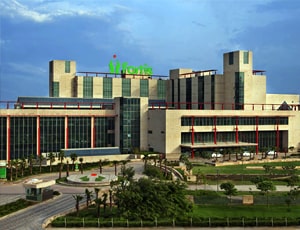
Fortis Hospital offers advanced Anterior Cruciate Ligament (ACL) Reconstruction using modern arthroscopic techniques and individualized orthopedic treatment plans. Established in 2006, the JCI, NABH accredited hospital is located in Mohali, India and has 276 beds, providing comprehensive orthopedic care for local and international patients.
ACL Reconstruction is a surgical procedure used to restore knee stability after a torn anterior cruciate ligament, particularly when the injury causes persistent instability or affects sports and daily activities. During surgery, the damaged ligament is replaced with a graft, which may be obtained from the patient's own tendon or, in selected cases, from donor tissue. The procedure is commonly performed arthroscopically through small incisions. Rehabilitation after surgery focuses on restoring knee movement, muscle strength, balance, and functional stability.
Delhi, India
Fortis Flt. Lt. Rajan Dhall Hospital is a trusted healthcare provider for Anterior Cruciate Ligament (ACL) Reconstruction, offering specialized ligament reconstruction supported by experienced orthopedic surgeons, sports medicine specialists, and advanced arthroscopy facilities. Established in 2006, the NABH accredited hospital is situated in Delhi, India and has 162 beds.
ACL Reconstruction is designed to restore mechanical stability to a knee affected by a torn anterior cruciate ligament. It is generally considered after clinical examination and imaging confirm the injury and when rehabilitation alone is unlikely to provide adequate stability. Graft options include the patellar tendon, hamstring tendon, quadriceps tendon, or donor tissue depending on the patient's circumstances. During arthroscopic surgery, the graft is positioned along the anatomical course of the original ACL. Structured rehabilitation helps reduce stiffness, rebuild strength, and prepare the knee for normal or athletic activity.
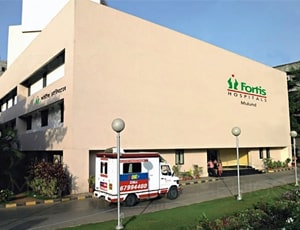
At Fortis Hospital, Mulund, Anterior Cruciate Ligament (ACL) Reconstruction is performed using advanced arthroscopic visualization, specialized surgical instruments, and personalized rehabilitation protocols. Established in 2002, this JCI, NABH accredited hospital in Mumbai, India has 315 beds and offers specialized sports medicine and orthopedic services.
Anterior Cruciate Ligament Reconstruction may be recommended for patients with a complete or functionally significant ACL tear who experience knee instability or wish to return to activities involving pivoting and sudden changes in direction. The surgeon removes or preserves damaged ligament tissue as appropriate and creates bone tunnels in the femur and tibia to position the replacement graft. The graft is then secured to provide stability while it incorporates into the surrounding bone. Physical therapy begins after surgery and progresses gradually according to healing and functional recovery.
Manipal Hospital, Hebbal is a trusted healthcare provider for Anterior Cruciate Ligament (ACL) Reconstruction, offering specialized ligament reconstruction supported by experienced orthopedic surgeons, sports medicine specialists, and advanced arthroscopy facilities. Established in 1991, the NABL, NABH accredited hospital is situated in Bangalore, India and has 280 beds.
ACL Reconstruction is designed to restore mechanical stability to a knee affected by a torn anterior cruciate ligament. It is generally considered after clinical examination and imaging confirm the injury and when rehabilitation alone is unlikely to provide adequate stability. Graft options include the patellar tendon, hamstring tendon, quadriceps tendon, or donor tissue depending on the patient's circumstances. During arthroscopic surgery, the graft is positioned along the anatomical course of the original ACL. Structured rehabilitation helps reduce stiffness, rebuild strength, and prepare the knee for normal or athletic activity.
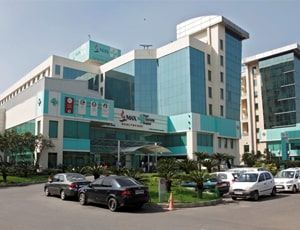
Max Super Speciality Hospital, Saket offers advanced Anterior Cruciate Ligament (ACL) Reconstruction using modern arthroscopic techniques and individualized orthopedic treatment plans. Established in 2006, the JCI, NABH accredited hospital is located in Delhi, India and has 539 beds, providing comprehensive orthopedic care for local and international patients.
ACL Reconstruction is a surgical procedure used to restore knee stability after a torn anterior cruciate ligament, particularly when the injury causes persistent instability or affects sports and daily activities. During surgery, the damaged ligament is replaced with a graft, which may be obtained from the patient's own tendon or, in selected cases, from donor tissue. The procedure is commonly performed arthroscopically through small incisions. Rehabilitation after surgery focuses on restoring knee movement, muscle strength, balance, and functional stability.
Bayindir Healthcare Group is a trusted healthcare provider for Anterior Cruciate Ligament (ACL) Reconstruction, offering specialized ligament reconstruction supported by experienced orthopedic surgeons, sports medicine specialists, and advanced arthroscopy facilities. Established in 1992, the JCI accredited hospital is situated in Ankara, Turkey and has 153 beds.
ACL Reconstruction is designed to restore mechanical stability to a knee affected by a torn anterior cruciate ligament. It is generally considered after clinical examination and imaging confirm the injury and when rehabilitation alone is unlikely to provide adequate stability. Graft options include the patellar tendon, hamstring tendon, quadriceps tendon, or donor tissue depending on the patient's circumstances. During arthroscopic surgery, the graft is positioned along the anatomical course of the original ACL. Structured rehabilitation helps reduce stiffness, rebuild strength, and prepare the knee for normal or athletic activity.
Gurgaon, India
Fortis Memorial Research Institute offers advanced Anterior Cruciate Ligament (ACL) Reconstruction using modern arthroscopic techniques and individualized orthopedic treatment plans. Established in 2013, the JCI, NABH, NABL accredited hospital is located in Gurgaon, India and has 311 beds, providing comprehensive orthopedic care for local and international patients.
ACL Reconstruction is a surgical procedure used to restore knee stability after a torn anterior cruciate ligament, particularly when the injury causes persistent instability or affects sports and daily activities. During surgery, the damaged ligament is replaced with a graft, which may be obtained from the patient's own tendon or, in selected cases, from donor tissue. The procedure is commonly performed arthroscopically through small incisions. Rehabilitation after surgery focuses on restoring knee movement, muscle strength, balance, and functional stability.
Medicana Avcilar provides specialized Anterior Cruciate Ligament (ACL) Reconstruction with a focus on anatomical graft placement, knee stability, and individualized recovery planning. Established in 1995, the JCI accredited hospital is located in Istanbul, Turkey and operates 63 beds with modern orthopedic and sports medicine infrastructure.
ACL Reconstruction replaces a torn anterior cruciate ligament with a tendon graft to help restore the knee's stability and functional control. The procedure may be performed following sports injuries, falls, or other trauma when the ACL is unable to provide adequate support. Arthroscopy allows the surgeon to inspect the joint and address associated problems, such as a meniscal tear, when necessary. Graft selection is based on factors including activity level, age, sport, previous surgery, and surgeon assessment. A carefully supervised rehabilitation program is essential for regaining strength and coordination and reducing the risk of reinjury.
Dr. Rose Private Hospital offers advanced Anterior Cruciate Ligament (ACL) Reconstruction using modern arthroscopic techniques and individualized orthopedic treatment plans. Established in 2007, the JCI accredited hospital is located in Budapest, Hungary and has 67 beds, providing comprehensive orthopedic care for local and international patients.
ACL Reconstruction is a surgical procedure used to restore knee stability after a torn anterior cruciate ligament, particularly when the injury causes persistent instability or affects sports and daily activities. During surgery, the damaged ligament is replaced with a graft, which may be obtained from the patient's own tendon or, in selected cases, from donor tissue. The procedure is commonly performed arthroscopically through small incisions. Rehabilitation after surgery focuses on restoring knee movement, muscle strength, balance, and functional stability.
Acibadem University Hospital Atakent offers advanced Anterior Cruciate Ligament (ACL) Reconstruction using modern arthroscopic techniques and individualized orthopedic treatment plans. Established in 2014, the JCI accredited hospital is located in Istanbul, Turkey and has 278 beds, providing comprehensive orthopedic care for local and international patients.
ACL Reconstruction is a surgical procedure used to restore knee stability after a torn anterior cruciate ligament, particularly when the injury causes persistent instability or affects sports and daily activities. During surgery, the damaged ligament is replaced with a graft, which may be obtained from the patient's own tendon or, in selected cases, from donor tissue. The procedure is commonly performed arthroscopically through small incisions. Rehabilitation after surgery focuses on restoring knee movement, muscle strength, balance, and functional stability.
Iranian Hospital offers advanced Anterior Cruciate Ligament (ACL) Reconstruction using modern arthroscopic techniques and individualized orthopedic treatment plans. Established in 1970, the accredited hospital is located in Dubai, United Arab Emirates and has 220 beds, providing comprehensive orthopedic care for local and international patients.
ACL Reconstruction is a surgical procedure used to restore knee stability after a torn anterior cruciate ligament, particularly when the injury causes persistent instability or affects sports and daily activities. During surgery, the damaged ligament is replaced with a graft, which may be obtained from the patient's own tendon or, in selected cases, from donor tissue. The procedure is commonly performed arthroscopically through small incisions. Rehabilitation after surgery focuses on restoring knee movement, muscle strength, balance, and functional stability.
Istinye University Bahcesehir - LIV Hospital provides specialized Anterior Cruciate Ligament (ACL) Reconstruction with a focus on anatomical graft placement, knee stability, and individualized recovery planning. Established in 2016, the ISO, JCI accredited hospital is located in Istanbul, Turkey and operates 394 beds with modern orthopedic and sports medicine infrastructure.
ACL Reconstruction replaces a torn anterior cruciate ligament with a tendon graft to help restore the knee's stability and functional control. The procedure may be performed following sports injuries, falls, or other trauma when the ACL is unable to provide adequate support. Arthroscopy allows the surgeon to inspect the joint and address associated problems, such as a meniscal tear, when necessary. Graft selection is based on factors including activity level, age, sport, previous surgery, and surgeon assessment. A carefully supervised rehabilitation program is essential for regaining strength and coordination and reducing the risk of reinjury.
KCM Clinic offers advanced Anterior Cruciate Ligament (ACL) Reconstruction using modern arthroscopic techniques and individualized orthopedic treatment plans. Established in 2006, the ISO accredited hospital is located in Jelenia Gora, Poland and has 85 beds, providing comprehensive orthopedic care for local and international patients.
ACL Reconstruction is a surgical procedure used to restore knee stability after a torn anterior cruciate ligament, particularly when the injury causes persistent instability or affects sports and daily activities. During surgery, the damaged ligament is replaced with a graft, which may be obtained from the patient's own tendon or, in selected cases, from donor tissue. The procedure is commonly performed arthroscopically through small incisions. Rehabilitation after surgery focuses on restoring knee movement, muscle strength, balance, and functional stability.
Rehabilitation Clinic Malvazinky provides specialized Anterior Cruciate Ligament (ACL) Reconstruction with a focus on anatomical graft placement, knee stability, and individualized recovery planning. Established in 1954, the JCI accredited hospital is located in Prague, Czechia and operates 170 beds with modern orthopedic and sports medicine infrastructure.
ACL Reconstruction replaces a torn anterior cruciate ligament with a tendon graft to help restore the knee's stability and functional control. The procedure may be performed following sports injuries, falls, or other trauma when the ACL is unable to provide adequate support. Arthroscopy allows the surgeon to inspect the joint and address associated problems, such as a meniscal tear, when necessary. Graft selection is based on factors including activity level, age, sport, previous surgery, and surgeon assessment. A carefully supervised rehabilitation program is essential for regaining strength and coordination and reducing the risk of reinjury.
| Speciality | Orthopedics |
| Procedure | Anterior Cruciate Ligament (ACL) Reconstruction |
| Success Rate | 85-95% |
| Recovery Time | 3-6 months |
| Treatment Time | 1-2 hours |
| Chances of Recurrence | 3-5% |
Anterior Cruciate Ligament (ACL) Reconstruction is a surgical procedure used to repair a torn or damaged ACL in the knee. An ACL is a common sports injury. During the procedure, the surgeon replaces the torn ligament with a graft. It is typically taken from a tendon in the patient's own body or from a donor.
ACL Reconstruction is a specific procedure performed to treat ACL tears. ACL is a common knee injury, especially in athletes. ACL can be partially torn or completely torn due to sudden movements of the knee like twists, turns, or direct impacts. A reconstruction aims to relieve symptoms like pain, swelling, and restricted movement.
The recovery process after ACL Reconstruction takes several months. During the initial phase of recovery, the patient will need to wear a knee brace and use crutches for support. Physical therapy begins immediately to restore motion and reduce swelling. Physical therapy continues to focus on strengthening the knee and surrounding muscles. Depending on the individual's progress, patients can gradually return to sports and activities, typically around six to nine months after surgery. ACL requires long-term care that involves strengthening exercises and follow-up visits with the doctor to prevent future injuries and maintain knee health.

ACL injuries are among the most common sports injuries sustained by athletes everywhere. An ACL tear can severely impact performance, mobility, and overall professional trajectory