Browse verified doctors or let our care team help you find the doctor best suited to your condition, treatment goals, and budget.

Prince Court Medical Centre is a trusted healthcare provider for Stereotactic Radio Therapy (SRT), offering modern radiation treatment supported by experienced radiation oncologists and advanced medical infrastructure. Established in 2007, the MSQH accredited hospital is situated in Kuala Lumpur, Malaysia and has 277 beds.
Stereotactic Radio Therapy (SRT) is a non-invasive radiation treatment designed to deliver high-precision radiation to a specific target. It may be used for selected brain, spinal, or other localized tumors and lesions. Unlike conventional radiation therapy, SRT generally delivers a focused treatment dose using detailed imaging and computerized treatment planning. Depending on the clinical situation, treatment may be given in one session or divided into a small number of sessions.
Acibadem International Hospital is a trusted healthcare provider for Stereotactic Radio Therapy (SRT), offering modern radiation treatment supported by experienced radiation oncologists and advanced medical infrastructure. Established in 1989, the JCI accredited hospital is situated in Istanbul, Turkey and has 112 beds.
Stereotactic Radio Therapy (SRT) is a non-invasive radiation treatment designed to deliver high-precision radiation to a specific target. It may be used for selected brain, spinal, or other localized tumors and lesions. Unlike conventional radiation therapy, SRT generally delivers a focused treatment dose using detailed imaging and computerized treatment planning. Depending on the clinical situation, treatment may be given in one session or divided into a small number of sessions.
Mount Elizabeth Novena Hospital is a trusted healthcare provider for Stereotactic Radio Therapy (SRT), offering modern radiation treatment supported by experienced radiation oncologists and advanced medical infrastructure. Established in 2012, the JCI accredited hospital is situated in Novena, Singapore and has 313 beds.
Stereotactic Radio Therapy (SRT) is a non-invasive radiation treatment designed to deliver high-precision radiation to a specific target. It may be used for selected brain, spinal, or other localized tumors and lesions. Unlike conventional radiation therapy, SRT generally delivers a focused treatment dose using detailed imaging and computerized treatment planning. Depending on the clinical situation, treatment may be given in one session or divided into a small number of sessions.
Asan Medical Centre is a trusted healthcare provider for Stereotactic Radio Therapy (SRT), offering modern radiation treatment supported by experienced radiation oncologists and advanced medical infrastructure. Established in 1989, the ISO accredited hospital is situated in Seoul, South Korea and has 2700 beds.
Stereotactic Radio Therapy (SRT) is a non-invasive radiation treatment designed to deliver high-precision radiation to a specific target. It may be used for selected brain, spinal, or other localized tumors and lesions. Unlike conventional radiation therapy, SRT generally delivers a focused treatment dose using detailed imaging and computerized treatment planning. Depending on the clinical situation, treatment may be given in one session or divided into a small number of sessions.
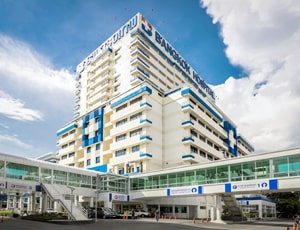
Choosing Bangkok Hospital for Stereotactic Radio Therapy (SRT) gives patients access to experienced specialists, advanced radiation technology, and comprehensive cancer care. Established in 1972, the JCI accredited hospital in Bangkok, Thailand has 580 beds and provides specialized radiation oncology services.
Stereotactic Radio Therapy (SRT) may be recommended when precise radiation treatment is required for a well-defined tumor or lesion. The technique uses carefully planned radiation beams that converge on the treatment target, helping limit radiation exposure to nearby healthy tissues. Before therapy, specialists review diagnostic imaging and other clinical information to determine whether SRT is suitable. The number and frequency of treatment sessions depend on the condition and individualized treatment plan.
At Mount Elizabeth Hospital, Stereotactic Radio Therapy (SRT) is performed using advanced radiation-planning systems and personalized treatment protocols. Established in 1979, this JCI accredited hospital in Singapore, Singapore has 345 beds and offers comprehensive oncology and radiation therapy services.
Stereotactic Radio Therapy (SRT) uses multiple precisely directed radiation beams to deliver treatment to a defined target. It can be considered for certain localized tumors or lesions when highly accurate radiation delivery is required. The treatment approach is selected according to the tumor's location, size, type, and the patient's overall health. Imaging scans and computerized planning are generally performed before treatment to determine the appropriate radiation dose and delivery technique.
Delhi, India
BLK-Max Super Speciality Hospital offers advanced Stereotactic Radio Therapy (SRT) using modern radiation technology and internationally accepted treatment protocols. Established in 1959, the JCI, NABH accredited hospital is located in Delhi, India and has 650 beds, providing comprehensive care for local and international patients.
Stereotactic Radio Therapy (SRT) is a highly precise radiation treatment that delivers focused doses of radiation to a targeted area while minimizing exposure to surrounding healthy tissues. It may be used for selected tumors in the brain, spine, and other parts of the body. Depending on the tumor type, size, location, and treatment plan, SRT may be delivered in a single session or over several sessions. Before treatment, doctors use imaging and treatment-planning techniques to accurately define the target.
Parkway Pantai offers advanced Stereotactic Radio Therapy (SRT) using modern radiation technology and internationally accepted treatment protocols. Established in 1974, the JCI, MSQH accredited hospital is located in Kuala Lumpur, Malaysia and has 499 beds, providing comprehensive care for local and international patients.
Stereotactic Radio Therapy (SRT) is a highly precise radiation treatment that delivers focused doses of radiation to a targeted area while minimizing exposure to surrounding healthy tissues. It may be used for selected tumors in the brain, spine, and other parts of the body. Depending on the tumor type, size, location, and treatment plan, SRT may be delivered in a single session or over several sessions. Before treatment, doctors use imaging and treatment-planning techniques to accurately define the target.
Vejthani Hospital provides specialized Stereotactic Radio Therapy (SRT) with a focus on precision, patient safety, and individualized treatment planning. Established in 1994, the JCI accredited hospital is located in Bangkok, Thailand and operates 263 beds with modern radiation therapy infrastructure.
Stereotactic Radio Therapy (SRT) uses advanced imaging, computerized planning, and precisely directed radiation to treat selected tumors while helping protect surrounding normal tissues. It may be considered for certain localized tumors that can be clearly identified on imaging. Before treatment, the radiation oncology team evaluates the tumor's size, location, type, and the patient's overall health. SRT may be delivered as a single treatment or as multiple smaller treatment sessions, depending on the clinical requirements.
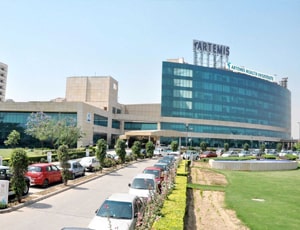
Artemis Health Institute offers advanced Stereotactic Radio Therapy (SRT) using modern radiation technology and internationally accepted treatment protocols. Established in 2007, the JCI, NABH accredited hospital is located in Gurgaon, India and has 750 beds, providing comprehensive care for local and international patients.
Stereotactic Radio Therapy (SRT) is a highly precise radiation treatment that delivers focused doses of radiation to a targeted area while minimizing exposure to surrounding healthy tissues. It may be used for selected tumors in the brain, spine, and other parts of the body. Depending on the tumor type, size, location, and treatment plan, SRT may be delivered in a single session or over several sessions. Before treatment, doctors use imaging and treatment-planning techniques to accurately define the target.
Gleneagles Hospital offers advanced Stereotactic Radio Therapy (SRT) using modern radiation technology and internationally accepted treatment protocols. Established in 1959, the JCI accredited hospital is located in Singapore, Singapore and has 258 beds, providing comprehensive care for local and international patients.
Stereotactic Radio Therapy (SRT) is a highly precise radiation treatment that delivers focused doses of radiation to a targeted area while minimizing exposure to surrounding healthy tissues. It may be used for selected tumors in the brain, spine, and other parts of the body. Depending on the tumor type, size, location, and treatment plan, SRT may be delivered in a single session or over several sessions. Before treatment, doctors use imaging and treatment-planning techniques to accurately define the target.
International St. Mary's Hospital provides specialized Stereotactic Radio Therapy (SRT) with a focus on precision, patient safety, and individualized treatment planning. Established in 2014, the JCI accredited hospital is located in Seoul, South Korea and operates 808 beds with modern radiation therapy infrastructure.
Stereotactic Radio Therapy (SRT) uses advanced imaging, computerized planning, and precisely directed radiation to treat selected tumors while helping protect surrounding normal tissues. It may be considered for certain localized tumors that can be clearly identified on imaging. Before treatment, the radiation oncology team evaluates the tumor's size, location, type, and the patient's overall health. SRT may be delivered as a single treatment or as multiple smaller treatment sessions, depending on the clinical requirements.
Sunway Medical Centre provides specialized Stereotactic Radio Therapy (SRT) with a focus on precision, patient safety, and individualized treatment planning. Established in 1999, the ACHS accredited hospital is located in Kuala Lumpur, Malaysia and operates 724 beds with modern radiation therapy infrastructure.
Stereotactic Radio Therapy (SRT) uses advanced imaging, computerized planning, and precisely directed radiation to treat selected tumors while helping protect surrounding normal tissues. It may be considered for certain localized tumors that can be clearly identified on imaging. Before treatment, the radiation oncology team evaluates the tumor's size, location, type, and the patient's overall health. SRT may be delivered as a single treatment or as multiple smaller treatment sessions, depending on the clinical requirements.
Choosing Bangpakok 9 International Hospital for Stereotactic Radio Therapy (SRT) gives patients access to experienced specialists, advanced radiation technology, and comprehensive cancer care. Established in 2003, the JCI, GHA accredited hospital in Bangkok, Thailand has 300 beds and provides specialized radiation oncology services.
Stereotactic Radio Therapy (SRT) may be recommended when precise radiation treatment is required for a well-defined tumor or lesion. The technique uses carefully planned radiation beams that converge on the treatment target, helping limit radiation exposure to nearby healthy tissues. Before therapy, specialists review diagnostic imaging and other clinical information to determine whether SRT is suitable. The number and frequency of treatment sessions depend on the condition and individualized treatment plan.
Choosing Medipol Bahçelievler Hospital for Stereotactic Radio Therapy (SRT) gives patients access to experienced specialists, advanced radiation technology, and comprehensive cancer care. Established in 2022, the JCI accredited hospital in Istanbul, Turkey has 441 beds and provides specialized radiation oncology services.
Stereotactic Radio Therapy (SRT) may be recommended when precise radiation treatment is required for a well-defined tumor or lesion. The technique uses carefully planned radiation beams that converge on the treatment target, helping limit radiation exposure to nearby healthy tissues. Before therapy, specialists review diagnostic imaging and other clinical information to determine whether SRT is suitable. The number and frequency of treatment sessions depend on the condition and individualized treatment plan.
| Speciality | Oncology |
| Procedure | Stereotactic Radio Therapy (SRT) |
| Success Rate | Varies as per stage, grade and type of cancer |
| Recovery Time | Several weeks to months |
| Treatment Time | Several minutes per session (typically 1-5 sessions) |
| Chances of Recurrence | Varies as per stage, grade, type and location of cancer |