Browse verified doctors or let our care team help you find the doctor best suited to your condition, treatment goals, and budget.

Prince Court Medical Centre provides specialised External Ventricular Drainage with a focus on controlled cerebrospinal fluid drainage, accurate intracranial pressure management, advanced neurosurgical technology, and individualized critical care. Established in 2007, the MSQH accredited hospital is located in Kuala Lumpur, Malaysia and operates 277 beds, with modern neurosurgical, neuroimaging, intensive-care, and monitoring infrastructure.
External Ventricular Drainage can provide temporary relief from elevated intracranial pressure and facilitate CSF diversion in patients with acute hydrocephalus or other neurological conditions affecting cerebrospinal fluid circulation. Treatment planning considers the underlying cause, ventricular anatomy, intracranial pressure, neurological status, imaging findings, and overall clinical condition. A detailed assessment helps the neurosurgical team determine the appropriate catheter placement, drainage strategy, monitoring requirements, and timing for weaning or removal of the ventricular drain.
Delhi, India
BLK-Max Super Speciality Hospital is a trusted healthcare provider for External Ventricular Drainage, offering advanced cerebrospinal fluid drainage and intracranial pressure management supported by experienced neurosurgeons, neurointensivists, neurologists, and specialized critical-care teams. Established in 1959, the JCI, NABH- accredited hospital is situated in Delhi, India and has 650 beds.
External Ventricular Drainage helps temporarily divert cerebrospinal fluid from the ventricles when normal CSF circulation or absorption is impaired. The catheter can also provide a means of monitoring intracranial pressure in selected patients. The drainage system is carefully adjusted according to the patient's neurological condition and prescribed pressure settings, while imaging and clinical monitoring help assess ventricular size and overall response to treatment.
Kings College Hospital Dubai offers advanced External Ventricular Drainage using modern neurosurgical techniques and individualized neurocritical care plans. Established in 2019, the JCI accredited hospital is located in Dubai, United Arab Emirates and has 100 beds, providing comprehensive neurological and neurosurgical care for local and international patients.
External Ventricular Drainage is a temporary neurosurgical procedure used to drain cerebrospinal fluid (CSF) from the brain's ventricles when fluid accumulation or increased intracranial pressure requires urgent management. A small catheter is inserted into a cerebral ventricle and connected to an external drainage and monitoring system. The procedure may be used in conditions such as hydrocephalus, intracranial hemorrhage, traumatic brain injury, or other situations involving elevated intracranial pressure.
At Parkway Pantai, External Ventricular Drainage is performed using specialised neurosurgical techniques and comprehensive neurological and imaging assessment. Established in 1974, this JCI, MSQH accredited hospital in Kuala Lumpur, Malaysia has 499 beds and offers advanced neurocritical care and neurosurgical services.
External Ventricular Drainage may be considered when excess cerebrospinal fluid needs to be temporarily diverted or intracranial pressure requires close monitoring. During the procedure, a catheter is carefully placed into one of the brain's ventricles through a small opening in the skull and connected to a sterile external drainage system. Brain imaging, neurological assessment, and intracranial pressure monitoring may be used to guide treatment and evaluate the patient's response.
At Artemis Health Institute, External Ventricular Drainage is performed using specialised neurosurgical techniques and comprehensive neurological and imaging assessment. Established in 2007, this JCI, NABH accredited hospital in Gurgaon, India has 750 beds and offers advanced neurocritical care and neurosurgical services.
External Ventricular Drainage may be considered when excess cerebrospinal fluid needs to be temporarily diverted or intracranial pressure requires close monitoring. During the procedure, a catheter is carefully placed into one of the brain's ventricles through a small opening in the skull and connected to a sterile external drainage system. Brain imaging, neurological assessment, and intracranial pressure monitoring may be used to guide treatment and evaluate the patient's response.
Sunway Medical Centre offers advanced External Ventricular Drainage using modern neurosurgical techniques and individualized neurocritical care plans. Established in 1999, the ACHS accredited hospital is located in Kuala Lumpur, Malaysia and has 724 beds, providing comprehensive neurological and neurosurgical care for local and international patients.
External Ventricular Drainage is a temporary neurosurgical procedure used to drain cerebrospinal fluid (CSF) from the brain's ventricles when fluid accumulation or increased intracranial pressure requires urgent management. A small catheter is inserted into a cerebral ventricle and connected to an external drainage and monitoring system. The procedure may be used in conditions such as hydrocephalus, intracranial hemorrhage, traumatic brain injury, or other situations involving elevated intracranial pressure.
Bangpakok 9 International Hospital provides specialised External Ventricular Drainage with a focus on controlled cerebrospinal fluid drainage, accurate intracranial pressure management, advanced neurosurgical technology, and individualized critical care. Established in 2003, the JCI, GHA accredited hospital is located in Bangkok, Thailand and operates 300 beds, with modern neurosurgical, neuroimaging, intensive-care, and monitoring infrastructure.
External Ventricular Drainage can provide temporary relief from elevated intracranial pressure and facilitate CSF diversion in patients with acute hydrocephalus or other neurological conditions affecting cerebrospinal fluid circulation. Treatment planning considers the underlying cause, ventricular anatomy, intracranial pressure, neurological status, imaging findings, and overall clinical condition. A detailed assessment helps the neurosurgical team determine the appropriate catheter placement, drainage strategy, monitoring requirements, and timing for weaning or removal of the ventricular drain.
Medipol Bahçelievler Hospital provides specialised External Ventricular Drainage with a focus on controlled cerebrospinal fluid drainage, accurate intracranial pressure management, advanced neurosurgical technology, and individualized critical care. Established in 2022, the JCI accredited hospital is located in Istanbul, Turkey and operates 441 beds, with modern neurosurgical, neuroimaging, intensive-care, and monitoring infrastructure.
External Ventricular Drainage can provide temporary relief from elevated intracranial pressure and facilitate CSF diversion in patients with acute hydrocephalus or other neurological conditions affecting cerebrospinal fluid circulation. Treatment planning considers the underlying cause, ventricular anatomy, intracranial pressure, neurological status, imaging findings, and overall clinical condition. A detailed assessment helps the neurosurgical team determine the appropriate catheter placement, drainage strategy, monitoring requirements, and timing for weaning or removal of the ventricular drain.
Medanta - The Medicity is a trusted healthcare provider for External Ventricular Drainage, offering advanced cerebrospinal fluid drainage and intracranial pressure management supported by experienced neurosurgeons, neurointensivists, neurologists, and specialized critical-care teams. Established in 2009, the JCI, NABH- accredited hospital is situated in Gurgaon, India and has 1250 beds.
External Ventricular Drainage helps temporarily divert cerebrospinal fluid from the ventricles when normal CSF circulation or absorption is impaired. The catheter can also provide a means of monitoring intracranial pressure in selected patients. The drainage system is carefully adjusted according to the patient's neurological condition and prescribed pressure settings, while imaging and clinical monitoring help assess ventricular size and overall response to treatment.
ParkCity Medical Centre provides specialised External Ventricular Drainage with a focus on controlled cerebrospinal fluid drainage, accurate intracranial pressure management, advanced neurosurgical technology, and individualized critical care. Established in 2012, the JCI accredited hospital is located in Kuala Lumpur, Malaysia and operates 300 beds, with modern neurosurgical, neuroimaging, intensive-care, and monitoring infrastructure.
External Ventricular Drainage can provide temporary relief from elevated intracranial pressure and facilitate CSF diversion in patients with acute hydrocephalus or other neurological conditions affecting cerebrospinal fluid circulation. Treatment planning considers the underlying cause, ventricular anatomy, intracranial pressure, neurological status, imaging findings, and overall clinical condition. A detailed assessment helps the neurosurgical team determine the appropriate catheter placement, drainage strategy, monitoring requirements, and timing for weaning or removal of the ventricular drain.
At Gleneagles Hospital Mumbai, External Ventricular Drainage is performed using specialised neurosurgical techniques and comprehensive neurological and imaging assessment. Established in 1996, this JCI accredited hospital in Mumbai, India has 450 beds and offers advanced neurocritical care and neurosurgical services.
External Ventricular Drainage may be considered when excess cerebrospinal fluid needs to be temporarily diverted or intracranial pressure requires close monitoring. During the procedure, a catheter is carefully placed into one of the brain's ventricles through a small opening in the skull and connected to a sterile external drainage system. Brain imaging, neurological assessment, and intracranial pressure monitoring may be used to guide treatment and evaluate the patient's response.
Subang Jaya Medical Centre provides specialised External Ventricular Drainage with a focus on controlled cerebrospinal fluid drainage, accurate intracranial pressure management, advanced neurosurgical technology, and individualized critical care. Established in 1985, the JCI accredited hospital is located in Kuala Lumpur, Malaysia and operates 442 beds, with modern neurosurgical, neuroimaging, intensive-care, and monitoring infrastructure.
External Ventricular Drainage can provide temporary relief from elevated intracranial pressure and facilitate CSF diversion in patients with acute hydrocephalus or other neurological conditions affecting cerebrospinal fluid circulation. Treatment planning considers the underlying cause, ventricular anatomy, intracranial pressure, neurological status, imaging findings, and overall clinical condition. A detailed assessment helps the neurosurgical team determine the appropriate catheter placement, drainage strategy, monitoring requirements, and timing for weaning or removal of the ventricular drain.
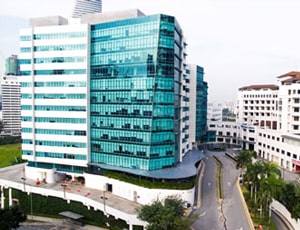
Ghaziabad, India
Max Super Specialty Hospital, Vaishali provides specialised External Ventricular Drainage with a focus on controlled cerebrospinal fluid drainage, accurate intracranial pressure management, advanced neurosurgical technology, and individualized critical care. Established in 2008, the NABL, NABH accredited hospital is located in Ghaziabad, India and operates 370 beds, with modern neurosurgical, neuroimaging, intensive-care, and monitoring infrastructure.
External Ventricular Drainage can provide temporary relief from elevated intracranial pressure and facilitate CSF diversion in patients with acute hydrocephalus or other neurological conditions affecting cerebrospinal fluid circulation. Treatment planning considers the underlying cause, ventricular anatomy, intracranial pressure, neurological status, imaging findings, and overall clinical condition. A detailed assessment helps the neurosurgical team determine the appropriate catheter placement, drainage strategy, monitoring requirements, and timing for weaning or removal of the ventricular drain.

Max Hospital, Gurgaon is a trusted healthcare provider for External Ventricular Drainage, offering advanced cerebrospinal fluid drainage and intracranial pressure management supported by experienced neurosurgeons, neurointensivists, neurologists, and specialized critical-care teams. Established in 2007, the ISO, NABH, NABL- accredited hospital is situated in Gurgaon, India and has 104 beds.
External Ventricular Drainage helps temporarily divert cerebrospinal fluid from the ventricles when normal CSF circulation or absorption is impaired. The catheter can also provide a means of monitoring intracranial pressure in selected patients. The drainage system is carefully adjusted according to the patient's neurological condition and prescribed pressure settings, while imaging and clinical monitoring help assess ventricular size and overall response to treatment.
Indraprastha Apollo Hospital offers advanced External Ventricular Drainage using modern neurosurgical techniques and individualized neurocritical care plans. Established in 1996, the JCI accredited hospital is located in Delhi, India and has 710 beds, providing comprehensive neurological and neurosurgical care for local and international patients.
External Ventricular Drainage is a temporary neurosurgical procedure used to drain cerebrospinal fluid (CSF) from the brain's ventricles when fluid accumulation or increased intracranial pressure requires urgent management. A small catheter is inserted into a cerebral ventricle and connected to an external drainage and monitoring system. The procedure may be used in conditions such as hydrocephalus, intracranial hemorrhage, traumatic brain injury, or other situations involving elevated intracranial pressure.
| Speciality | Neurology |
| Procedure | External Ventricular Drainage |
| Success Rate | Varies by condition |
| Recovery Time | Varies by condition |
| Treatment Time | Varies by condition |
| Chances of Recurrence | Varies by condition |
External Ventricular Drainage (EVD) is a medical procedure used to relieve intracranial pressure and drain excess cerebrospinal fluid from the brain's ventricles. During the procedure, a catheter is inserted into the ventricles through a small hole in the skull. The excess fluid is drained into a collection bag, helping to reduce pressure and prevent further complications.
EVD is commonly used to treat conditions such as hydrocephalus, traumatic brain injury, and intracranial hemorrhage.
The recovery process after EVD involves close monitoring of intracranial pressure and neurological status. The drainage may continue until the pressure stabilizes, and the catheter is removed once the underlying condition is treated. Patients are observed for potential complications and may require physical therapy or rehabilitation, depending on their specific medical condition. Overall the recovery may take 3-4 weeks.