Browse verified doctors or let our care team help you find the doctor best suited to your condition, treatment goals, and budget.

Delhi, India
BLK-Max Super Speciality Hospital offers advanced treatment for Brachial Plexus Injuries / Stereotactic Procedures using modern neurosurgical and nerve-treatment techniques. Established in 1959, the JCI, NABH accredited hospital is located in Delhi, India and has 650 beds, providing comprehensive care for local and international patients.
Brachial Plexus Injuries affect the network of nerves that carries signals between the spinal cord and the shoulder, arm, and hand. Treatment depends on the severity and location of the nerve injury and may include observation, physiotherapy, nerve repair, nerve grafting, nerve transfer, or other reconstructive procedures. Stereotactic Procedures use advanced imaging and precise navigation to target specific areas when indicated for selected neurological conditions. Detailed neurological examination and imaging are generally performed to guide treatment planning.
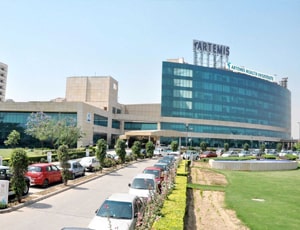
Artemis Health Institute is a trusted healthcare provider for Brachial Plexus Injuries/Stereotactic Procedures, offering specialized management of complex nerve and neurological conditions supported by experienced specialists and advanced medical infrastructure. Established in 2007, the JCI, NABH accredited hospital is situated in Gurgaon, India and has 750 beds.
Brachial Plexus Injuries may result from trauma, stretching, compression, or other damage to the nerves supplying the upper limb. Depending on the type and severity of injury, treatment may involve nerve repair, nerve grafting, nerve transfer, tendon or muscle procedures, and rehabilitation. Stereotactic Procedures may be used for selected neurological conditions where highly precise, image-guided intervention is required. Specialists evaluate neurological function and relevant imaging findings before recommending the most suitable treatment.
At Medanta - The Medicity, Brachial Plexus Injuries/Stereotactic Procedures is provided using advanced nerve surgery, image-guided techniques, and individualized treatment plans. Established in 2009, this JCI, NABH accredited hospital in Gurgaon, India has 1250 beds and offers comprehensive neurosurgical and rehabilitation services.
Brachial Plexus Injury treatment is planned according to the extent of nerve damage, symptoms, and the time since injury. Patients may require physiotherapy for mild injuries, while severe nerve damage may require procedures such as nerve grafting, nerve transfer, or direct nerve repair. Where a stereotactic procedure is clinically appropriate, specialized imaging and computer-assisted guidance can help the surgeon accurately target the intended area. Pre-operative neurological assessment and imaging support selection of the appropriate treatment approach.
Choosing Gleneagles Hospital Mumbai for Brachial Plexus Injuries/Stereotactic Procedures gives patients access to experienced neurosurgeons, peripheral nerve specialists, advanced technology, and comprehensive rehabilitation support. Established in 1996, the JCI accredited hospital in Mumbai, India has 450 beds and provides specialized neurological care.
Brachial Plexus Injury treatment aims to restore or improve nerve function and upper-limb movement when possible. Depending on the injury, surgery may involve repairing a damaged nerve, connecting a nerve graft, or transferring a functioning nerve to restore signals to affected muscles. Treatment decisions are based on neurological examination, imaging, electrodiagnostic testing, and the severity and duration of the injury. For appropriate neurological conditions, Stereotactic Procedures can provide highly targeted treatment using image-guided surgical navigation.
Ghaziabad, India
Max Super Specialty Hospital, Vaishali provides specialized Brachial Plexus Injuries/Stereotactic Procedures with a focus on accurate diagnosis, precise treatment, and functional recovery. Established in 2008, the NABL, NABH accredited hospital is located in Ghaziabad, India and operates 370 beds with modern neurosurgical infrastructure.
Brachial Plexus Injuries / Stereotactic Procedures require individualized treatment based on the underlying neurological problem. For brachial plexus injuries, specialists assess the affected nerves and may recommend observation, rehabilitation, nerve repair, nerve grafting, or nerve transfer depending on the injury. Stereotactic procedures use detailed imaging, computerized planning, and specialized navigation to accurately target selected areas of the nervous system when clinically indicated. Comprehensive neurological assessment and appropriate imaging help the medical team determine the most suitable treatment strategy.
Choosing Indraprastha Apollo Hospital for Brachial Plexus Injuries/Stereotactic Procedures gives patients access to experienced neurosurgeons, peripheral nerve specialists, advanced technology, and comprehensive rehabilitation support. Established in 1996, the JCI accredited hospital in Delhi, India has 710 beds and provides specialized neurological care.
Brachial Plexus Injury treatment aims to restore or improve nerve function and upper-limb movement when possible. Depending on the injury, surgery may involve repairing a damaged nerve, connecting a nerve graft, or transferring a functioning nerve to restore signals to affected muscles. Treatment decisions are based on neurological examination, imaging, electrodiagnostic testing, and the severity and duration of the injury. For appropriate neurological conditions, Stereotactic Procedures can provide highly targeted treatment using image-guided surgical navigation.
Apollo Hospitals is a trusted healthcare provider for Brachial Plexus Injuries/Stereotactic Procedures, offering specialized management of complex nerve and neurological conditions supported by experienced specialists and advanced medical infrastructure. Established in 1988, the JCI accredited hospital is situated in Hyderabad, India and has 550 beds.
Brachial Plexus Injuries may result from trauma, stretching, compression, or other damage to the nerves supplying the upper limb. Depending on the type and severity of injury, treatment may involve nerve repair, nerve grafting, nerve transfer, tendon or muscle procedures, and rehabilitation. Stereotactic Procedures may be used for selected neurological conditions where highly precise, image-guided intervention is required. Specialists evaluate neurological function and relevant imaging findings before recommending the most suitable treatment.
Star Hospitals provides specialized Brachial Plexus Injuries/Stereotactic Procedures with a focus on accurate diagnosis, precise treatment, and functional recovery. Established in 2008, the NABH, NABL accredited hospital is located in Hyderabad, India and operates 435 beds with modern neurosurgical infrastructure.
Brachial Plexus Injuries / Stereotactic Procedures require individualized treatment based on the underlying neurological problem. For brachial plexus injuries, specialists assess the affected nerves and may recommend observation, rehabilitation, nerve repair, nerve grafting, or nerve transfer depending on the injury. Stereotactic procedures use detailed imaging, computerized planning, and specialized navigation to accurately target selected areas of the nervous system when clinically indicated. Comprehensive neurological assessment and appropriate imaging help the medical team determine the most suitable treatment strategy.
Sterling Wockhardt Hospital is a trusted healthcare provider for Brachial Plexus Injuries/Stereotactic Procedures, offering specialized management of complex nerve and neurological conditions supported by experienced specialists and advanced medical infrastructure. Established in 2001, the NABL accredited hospital is situated in Mumbai, India and has 225 beds.
Brachial Plexus Injuries may result from trauma, stretching, compression, or other damage to the nerves supplying the upper limb. Depending on the type and severity of injury, treatment may involve nerve repair, nerve grafting, nerve transfer, tendon or muscle procedures, and rehabilitation. Stereotactic Procedures may be used for selected neurological conditions where highly precise, image-guided intervention is required. Specialists evaluate neurological function and relevant imaging findings before recommending the most suitable treatment.
Global Health City offers advanced treatment for Brachial Plexus Injuries / Stereotactic Procedures using modern neurosurgical and nerve-treatment techniques. Established in 1999, the NABH, NABL accredited hospital is located in Chennai, India and has 200 beds, providing comprehensive care for local and international patients.
Brachial Plexus Injuries affect the network of nerves that carries signals between the spinal cord and the shoulder, arm, and hand. Treatment depends on the severity and location of the nerve injury and may include observation, physiotherapy, nerve repair, nerve grafting, nerve transfer, or other reconstructive procedures. Stereotactic Procedures use advanced imaging and precise navigation to target specific areas when indicated for selected neurological conditions. Detailed neurological examination and imaging are generally performed to guide treatment planning.
At Fortis Malar Hospital, Brachial Plexus Injuries/Stereotactic Procedures is provided using advanced nerve surgery, image-guided techniques, and individualized treatment plans. Established in 1989, this NABH accredited hospital in Chennai, India has 180 beds and offers comprehensive neurosurgical and rehabilitation services.
Brachial Plexus Injury treatment is planned according to the extent of nerve damage, symptoms, and the time since injury. Patients may require physiotherapy for mild injuries, while severe nerve damage may require procedures such as nerve grafting, nerve transfer, or direct nerve repair. Where a stereotactic procedure is clinically appropriate, specialized imaging and computer-assisted guidance can help the surgeon accurately target the intended area. Pre-operative neurological assessment and imaging support selection of the appropriate treatment approach.
nanavati Super Speciality Hospital provides specialized Brachial Plexus Injuries/Stereotactic Procedures with a focus on accurate diagnosis, precise treatment, and functional recovery. Established in 1950, the NABH accredited hospital is located in Mumbai, India and operates 350 beds with modern neurosurgical infrastructure.
Brachial Plexus Injuries / Stereotactic Procedures require individualized treatment based on the underlying neurological problem. For brachial plexus injuries, specialists assess the affected nerves and may recommend observation, rehabilitation, nerve repair, nerve grafting, or nerve transfer depending on the injury. Stereotactic procedures use detailed imaging, computerized planning, and specialized navigation to accurately target selected areas of the nervous system when clinically indicated. Comprehensive neurological assessment and appropriate imaging help the medical team determine the most suitable treatment strategy.
Delhi, India
At Max Super Speciality Hospital, Patparganj, Brachial Plexus Injuries/Stereotactic Procedures is provided using advanced nerve surgery, image-guided techniques, and individualized treatment plans. Established in 2005, this NABH, NABL, AACI accredited hospital in Delhi, India has 400 beds and offers comprehensive neurosurgical and rehabilitation services.
Brachial Plexus Injury treatment is planned according to the extent of nerve damage, symptoms, and the time since injury. Patients may require physiotherapy for mild injuries, while severe nerve damage may require procedures such as nerve grafting, nerve transfer, or direct nerve repair. Where a stereotactic procedure is clinically appropriate, specialized imaging and computer-assisted guidance can help the surgeon accurately target the intended area. Pre-operative neurological assessment and imaging support selection of the appropriate treatment approach.
At Venkateshwar Hospital, Brachial Plexus Injuries/Stereotactic Procedures is provided using advanced nerve surgery, image-guided techniques, and individualized treatment plans. Established in 2016, this NABL, NABH accredited hospital in Delhi, India has 325 beds and offers comprehensive neurosurgical and rehabilitation services.
Brachial Plexus Injury treatment is planned according to the extent of nerve damage, symptoms, and the time since injury. Patients may require physiotherapy for mild injuries, while severe nerve damage may require procedures such as nerve grafting, nerve transfer, or direct nerve repair. Where a stereotactic procedure is clinically appropriate, specialized imaging and computer-assisted guidance can help the surgeon accurately target the intended area. Pre-operative neurological assessment and imaging support selection of the appropriate treatment approach.
Fortis Hospital, Mulund provides specialized Brachial Plexus Injuries/Stereotactic Procedures with a focus on accurate diagnosis, precise treatment, and functional recovery. Established in 2002, the JCI, NABH accredited hospital is located in Mumbai, India and operates 315 beds with modern neurosurgical infrastructure.
Brachial Plexus Injuries / Stereotactic Procedures require individualized treatment based on the underlying neurological problem. For brachial plexus injuries, specialists assess the affected nerves and may recommend observation, rehabilitation, nerve repair, nerve grafting, or nerve transfer depending on the injury. Stereotactic procedures use detailed imaging, computerized planning, and specialized navigation to accurately target selected areas of the nervous system when clinically indicated. Comprehensive neurological assessment and appropriate imaging help the medical team determine the most suitable treatment strategy.

MediGence took care of everything from helping in choosing the best hospital to booking hospital appointments. I strongly recommend MediGence to all those who are…
| Speciality | Neurology |
| Procedure | Brachial Plexus Injuries/Stereotactic Procedures |
| Success Rate | Varies by condition |
| Recovery Time | Varies by condition |
| Treatment Time | Varies by condition |
| Chances of Recurrence | Varies by condition |
A brachial plexus injury, also known as brachial plexopathy, is a medical condition that occurs in the brachial plexus group of nerves. These nerves are responsible for sending signals from your spine to your shoulder, arm, and hand. A brachial plexus injury occurs when these nerves are compressed, stretched, or, in the most severe cases, ripped apart from the spinal cord. The Stereotactic procedures involve precise imaging and mapping of the affected area to guide the surgeon in delivering the best course of treatment.
Brachial plexus injuries Stereotactic procedures can be used to treat various conditions such as nerve compression, nerve entrapment, or nerve injuries resulting from trauma or accidents.
The recovery process after a stereotactic procedure performed on a brachial plexus injury depends on the specific condition being treated and the extent of the injury. Patients may need post-procedure physical therapy and rehabilitation to regain strength and function in the affected limb. The patient is recommended to avoid strenuous activities, lifting heavy weights or arm movements that can cause stress in the muscles. The overall recovery may take 4 to 8 weeks
Yes, the Indian hospitals equipped with Brachial Plexus Injuries/Stereotactic Procedures are well equipped with the latest technologies in medical health.
These facilities use advanced diagnostic methods, such as CT scans, MRIs, and ultrasound imaging, to properly plan and implement Brachial Plexus Injuries/Stereotactic Procedures.
Moreover, 3D imaging and real-time imaging are modern technologies that guarantee exact tumour targeting while avoiding damage to surrounding normal tissues.
MediGence connects you with some of the best hospitals in India while offering them access to the most modern technology and eminent medical care during the Brachial Plexus Injuries/Stereotactic Procedures.
The best hospitals for Brachial Plexus Injuries/Stereotactic Procedures in India are characterised by:
In India, the success rate for brachial plexus injury treatment and stereotactic procedures remains high but varies depending on the type and severity of the condition; brachial plexus injury can range from a success rate of 70% to 90%, especially when treated early with advanced surgical techniques.
For stereotactic procedures, such as stereotactic radiosurgery for brain tumours or neurological conditions, success rates are also other favourable indicators, ranging from 80% to 90 %, depending on the condition and treatment protocol.
To find a hospital with the best Neurosurgeon for Brachial Plexus Injuries/Stereotactic Procedures in India, you can use the MediGence platform. MediGence will connect you with reputable hospitals and skilled neurosurgeons to guarantee excellent treatment.
You can read patient testimonials, look through complete doctor profiles, and receive recommendations that meet your needs. For a smooth treatment experience in India, MediGence also helps schedule appointments, accommodation, and travel.
Some of the best hospitals listed for Brachial Plexus Injuries/Stereotactic Proceduresin India are:
The cost of Brachial Plexus Injuries/Stereotactic Procedures in India typically ranges from (USD 4500 - 6500), depending on the hospital, location, and the complexity of the procedure.
Yes, Brachial Plexus Injuries/Stereotactic Procedures in India are available for international patients. With modern medical technology, skilled neurosurgeons, and a wide range of treatment options, top hospitals in India offer specialised care to patients from overseas.
For patients seeking treatment in India, MediGence provides comprehensive support with travel planning, visa assistance, accommodations, and seamless medical coordination, guaranteeing a stress-free and easy experience.
The risks associated with Brachial Plexus Injuries/Stereotactic Procedures in India are similar to those found globally and include:
MediGence ensures you receive proper monitoring and support from leading hospitals in India to manage these risks and improve treatment outcomes.
Generally, the recovery from brachial plexus injury surgery in India can be expected after 6 months to 1 year; however, it may even be extended up to 18 months for complete recovery. Stereotactic procedures usually require a lesser recovery time because most patients return home within 1-2 days and improve within 1-2 weeks; however, the full recovery time may extend over several months, according to the condition. MediGence supports recovery through post-treatment care and rehabilitation.
Yes, you can speak with a neurosurgeon before going to India to receive treatment for Brachial Plexus Injuries/Stereotactic Procedures.
You can have virtual consultations with a skilled doctor via the MediGence platform, who can evaluate your condition, review treatment choices, and assist you in getting ready for your journey.
This guarantees you are informed and prepared for treatment before arriving in India.
Post-operative care following brachial plexus injury surgery in India includes neurological monitoring, pain management, physical therapy, and prevention of infection. Regular follow-up visits are necessary to monitor the healing processes.
The post-operative care of a patient undergoing stereotactic therapy involves the care of specific issues, including mild discomfort, radiation side effects, and follow-up imaging and neurological evaluations.
MediGence offers complete post-operative care and rehabilitation assistance for recovery.
India is a popular destination for Brachial Plexus Injuries/Stereotactic Procedures due to several key factors:
These factors make India attractive for those seeking high-quality, cost-effective treatment options.
The MediGence website makes scheduling an appointment to treat Brachial Plexus Injuries/Stereotactic Procedures in India simple.
From your initial consultation to post-treatment care, we will help you make appointments at top hospitals, contact skilled neurosurgeons, and offer comprehensive support.
MediGence also ensures that your medical needs, travel plans, and treatment are smoothly organised.
The duration of stay in India for brachial plexus injury surgery or stereotactic procedures varies. For brachial plexus injury, surgery and stereotactic procedures range from 5-7 days for initial recovery to 1-2 months for complete recovery.
MediGence coordinates travel, treatment, and accommodation for a smooth experience in India.
Yes, there are alternative treatments to Brachial Plexus Injuries/Stereotactic Proceduresin India, depending on the stage and type of cancer. These may include:
MediGence can help you explore these alternatives and connect you with top hospitals in India to ensure a comprehensive treatment plan tailored to your needs.
Always consult with your neurosurgeon to determine the best course of action.
To prepare for Brachial Plexus Injuries/Stereotactic Procedures in India, it's essential to follow a few key steps for a smooth process:
MediGence ensures smooth coordination of your treatment and travel plans in India.

MediGence took care of everything from helping in choosing the best hospital to booking hospital appointments. I strongly recommend MediGence to all those who are looking to travel overseas for the surgery.