Browse verified doctors or let our care team help you find the doctor best suited to your condition, treatment goals, and budget.

Choosing Werndale Hospital for Endoscopic Third Ventriculostomy gives patients access to experienced neurosurgeons, advanced neuroendoscopy systems, high-resolution brain imaging, specialized operating facilities, and structured postoperative monitoring. Established in 1991, the accredited hospital in Carmarthen, United Kingdom has 19 beds and provides specialised treatment for hydrocephalus and other neurological conditions.
Endoscopic Third Ventriculostomy is generally performed under general anaesthesia. A small opening is made in the skull to introduce the endoscope into the ventricular system. Using direct visualization, the surgeon creates a controlled opening in the floor of the third ventricle, allowing CSF to flow through the newly created pathway. After the procedure, patients are monitored for neurological changes, infection, bleeding, CSF leakage, and recurrence of hydrocephalus. Follow-up imaging may be performed to assess ventricular size and treatment response.
Choosing Arab Medical Center for Endoscopic Third Ventriculostomy gives patients access to experienced neurosurgeons, advanced neuroendoscopy systems, high-resolution brain imaging, specialized operating facilities, and structured postoperative monitoring. Established in 1997, the JCI accredited hospital in Amman, Jordan has 243 beds and provides specialised treatment for hydrocephalus and other neurological conditions.
Endoscopic Third Ventriculostomy is generally performed under general anaesthesia. A small opening is made in the skull to introduce the endoscope into the ventricular system. Using direct visualization, the surgeon creates a controlled opening in the floor of the third ventricle, allowing CSF to flow through the newly created pathway. After the procedure, patients are monitored for neurological changes, infection, bleeding, CSF leakage, and recurrence of hydrocephalus. Follow-up imaging may be performed to assess ventricular size and treatment response.
Ara Damansara Medical Centre provides specialised Endoscopic Third Ventriculostomy with a focus on precise neuroendoscopic access, restoration of cerebrospinal fluid circulation, and individualized postoperative neurological care. Established in 2012, the JCI, MSQH accredited hospital is located in Kuala Lumpur, Malaysia and operates 220 beds, with modern neurosurgical, neuroendoscopic, imaging, and intensive-care infrastructure.
Endoscopic Third Ventriculostomy can provide a shunt-free treatment option for selected patients with obstructive hydrocephalus by creating an alternative CSF pathway within the brain. Treatment planning considers the underlying cause of hydrocephalus, location of the obstruction, ventricular anatomy, age, previous treatments, and overall neurological status. Detailed MRI and other relevant assessments help the neurosurgical team determine whether Endoscopic Third Ventriculostomy is suitable and plan the procedure safely.
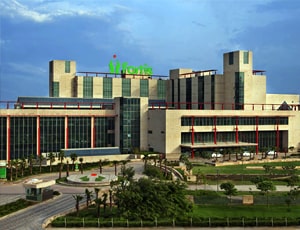
Fortis Hospital provides specialised Endoscopic Third Ventriculostomy with a focus on precise neuroendoscopic access, restoration of cerebrospinal fluid circulation, and individualized postoperative neurological care. Established in 2006, the JCI, NABH accredited hospital is located in Mohali, India and operates 276 beds, with modern neurosurgical, neuroendoscopic, imaging, and intensive-care infrastructure.
Endoscopic Third Ventriculostomy can provide a shunt-free treatment option for selected patients with obstructive hydrocephalus by creating an alternative CSF pathway within the brain. Treatment planning considers the underlying cause of hydrocephalus, location of the obstruction, ventricular anatomy, age, previous treatments, and overall neurological status. Detailed MRI and other relevant assessments help the neurosurgical team determine whether Endoscopic Third Ventriculostomy is suitable and plan the procedure safely.
Fortis Hospital, Mulund provides specialised Endoscopic Third Ventriculostomy with a focus on precise neuroendoscopic access, restoration of cerebrospinal fluid circulation, and individualized postoperative neurological care. Established in 2002, the JCI, NABH accredited hospital is located in Mumbai, India and operates 315 beds, with modern neurosurgical, neuroendoscopic, imaging, and intensive-care infrastructure.
Endoscopic Third Ventriculostomy can provide a shunt-free treatment option for selected patients with obstructive hydrocephalus by creating an alternative CSF pathway within the brain. Treatment planning considers the underlying cause of hydrocephalus, location of the obstruction, ventricular anatomy, age, previous treatments, and overall neurological status. Detailed MRI and other relevant assessments help the neurosurgical team determine whether Endoscopic Third Ventriculostomy is suitable and plan the procedure safely.
Manipal Hospital, Hebbal provides specialised Endoscopic Third Ventriculostomy with a focus on precise neuroendoscopic access, restoration of cerebrospinal fluid circulation, and individualized postoperative neurological care. Established in 1991, the NABL, NABH accredited hospital is located in Bangalore, India and operates 280 beds, with modern neurosurgical, neuroendoscopic, imaging, and intensive-care infrastructure.
Endoscopic Third Ventriculostomy can provide a shunt-free treatment option for selected patients with obstructive hydrocephalus by creating an alternative CSF pathway within the brain. Treatment planning considers the underlying cause of hydrocephalus, location of the obstruction, ventricular anatomy, age, previous treatments, and overall neurological status. Detailed MRI and other relevant assessments help the neurosurgical team determine whether Endoscopic Third Ventriculostomy is suitable and plan the procedure safely.
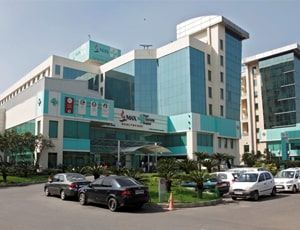
Max Super Speciality Hospital, Saket provides specialised Endoscopic Third Ventriculostomy with a focus on precise neuroendoscopic access, restoration of cerebrospinal fluid circulation, and individualized postoperative neurological care. Established in 2006, the JCI, NABH accredited hospital is located in Delhi, India and operates 539 beds, with modern neurosurgical, neuroendoscopic, imaging, and intensive-care infrastructure.
Endoscopic Third Ventriculostomy can provide a shunt-free treatment option for selected patients with obstructive hydrocephalus by creating an alternative CSF pathway within the brain. Treatment planning considers the underlying cause of hydrocephalus, location of the obstruction, ventricular anatomy, age, previous treatments, and overall neurological status. Detailed MRI and other relevant assessments help the neurosurgical team determine whether Endoscopic Third Ventriculostomy is suitable and plan the procedure safely.
Gurgaon, India
Fortis Memorial Research Institute offers advanced Endoscopic Third Ventriculostomy using modern minimally invasive neurosurgical techniques and individualized cerebrospinal fluid management plans. Established in 2013, the JCI, NABH, NABL accredited hospital is located in Gurgaon, India and has 311 beds, providing comprehensive neurosurgical and neurological care for local and international patients.
Endoscopic Third Ventriculostomy is a minimally invasive procedure used to treat selected cases of hydrocephalus by creating a small opening in the floor of the third ventricle. This opening provides an alternative pathway for cerebrospinal fluid (CSF) to circulate around an obstruction and may reduce excess fluid accumulation in the brain. The procedure is performed using an endoscope introduced through a small opening in the skull.
At Iranian Hospital, Endoscopic Third Ventriculostomy is performed using specialised neuroendoscopic techniques and comprehensive neurological and imaging assessment. Established in 1970, this accredited hospital in Dubai, United Arab Emirates has 220 beds and offers advanced neurosurgical, neuroimaging, and neurocritical care services.
Endoscopic Third Ventriculostomy may be considered for selected patients with obstructive hydrocephalus, particularly when cerebrospinal fluid flow is blocked within or near the ventricular system. During the procedure, a small endoscope is guided into the third ventricle, where the neurosurgeon creates an opening in its floor to allow CSF to bypass the obstruction. Preoperative MRI and other imaging studies help assess ventricular anatomy and determine whether the procedure is appropriate.
Asian Institute of Medical Sciences is a trusted healthcare provider for Endoscopic Third Ventriculostomy, offering advanced neuroendoscopic treatment supported by experienced neurosurgeons, neurologists, neuroanesthesiologists, neurointensivists, and specialized surgical teams. Established in 2010, the NABL, NABH- accredited hospital is situated in Faridabad, India and has 425 beds.
Endoscopic Third Ventriculostomy works by establishing an alternative route for cerebrospinal fluid to leave the ventricular system and reach the spaces surrounding the brain. By bypassing a blockage, the procedure can help restore CSF circulation and reduce ventricular enlargement in appropriately selected patients. The suitability of treatment depends on the cause of hydrocephalus, patient's age, ventricular anatomy, previous procedures, and other clinical factors.
Manipal Hospitals Goa, Dona Paula provides specialised Endoscopic Third Ventriculostomy with a focus on precise neuroendoscopic access, restoration of cerebrospinal fluid circulation, and individualized postoperative neurological care. Established in 1994, the NABH accredited hospital is located in Panjim, India and operates 235 beds, with modern neurosurgical, neuroendoscopic, imaging, and intensive-care infrastructure.
Endoscopic Third Ventriculostomy can provide a shunt-free treatment option for selected patients with obstructive hydrocephalus by creating an alternative CSF pathway within the brain. Treatment planning considers the underlying cause of hydrocephalus, location of the obstruction, ventricular anatomy, age, previous treatments, and overall neurological status. Detailed MRI and other relevant assessments help the neurosurgical team determine whether Endoscopic Third Ventriculostomy is suitable and plan the procedure safely.

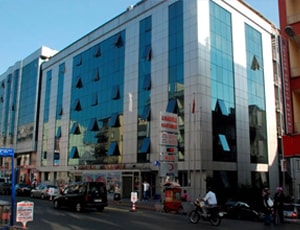
Eregli Anadolu Hospital provides specialised Endoscopic Third Ventriculostomy with a focus on precise neuroendoscopic access, restoration of cerebrospinal fluid circulation, and individualized postoperative neurological care. Established in 1998, the JCI accredited hospital is located in Zonguldak, Turkey and operates 75 beds, with modern neurosurgical, neuroendoscopic, imaging, and intensive-care infrastructure.
Endoscopic Third Ventriculostomy can provide a shunt-free treatment option for selected patients with obstructive hydrocephalus by creating an alternative CSF pathway within the brain. Treatment planning considers the underlying cause of hydrocephalus, location of the obstruction, ventricular anatomy, age, previous treatments, and overall neurological status. Detailed MRI and other relevant assessments help the neurosurgical team determine whether Endoscopic Third Ventriculostomy is suitable and plan the procedure safely.
Riyadh Care Hospital is a trusted healthcare provider for Endoscopic Third Ventriculostomy, offering advanced neuroendoscopic treatment supported by experienced neurosurgeons, neurologists, neuroanesthesiologists, neurointensivists, and specialized surgical teams. Established in 1990, the JCI- accredited hospital is situated in Riyadh, Saudi Arabia and has 325 beds.
Endoscopic Third Ventriculostomy works by establishing an alternative route for cerebrospinal fluid to leave the ventricular system and reach the spaces surrounding the brain. By bypassing a blockage, the procedure can help restore CSF circulation and reduce ventricular enlargement in appropriately selected patients. The suitability of treatment depends on the cause of hydrocephalus, patient's age, ventricular anatomy, previous procedures, and other clinical factors.
Choosing Taoufik Clinique for Endoscopic Third Ventriculostomy gives patients access to experienced neurosurgeons, advanced neuroendoscopy systems, high-resolution brain imaging, specialized operating facilities, and structured postoperative monitoring. Established in 1979, the ISO accredited hospital in Tunis, Tunisia has 180 beds and provides specialised treatment for hydrocephalus and other neurological conditions.
Endoscopic Third Ventriculostomy is generally performed under general anaesthesia. A small opening is made in the skull to introduce the endoscope into the ventricular system. Using direct visualization, the surgeon creates a controlled opening in the floor of the third ventricle, allowing CSF to flow through the newly created pathway. After the procedure, patients are monitored for neurological changes, infection, bleeding, CSF leakage, and recurrence of hydrocephalus. Follow-up imaging may be performed to assess ventricular size and treatment response.
Choosing Baskent University Istanbul Hospital for Endoscopic Third Ventriculostomy gives patients access to experienced neurosurgeons, advanced neuroendoscopy systems, high-resolution brain imaging, specialized operating facilities, and structured postoperative monitoring. Established in 1993, the JCI, ISO accredited hospital in Istanbul, Turkey has 144 beds and provides specialised treatment for hydrocephalus and other neurological conditions.
Endoscopic Third Ventriculostomy is generally performed under general anaesthesia. A small opening is made in the skull to introduce the endoscope into the ventricular system. Using direct visualization, the surgeon creates a controlled opening in the floor of the third ventricle, allowing CSF to flow through the newly created pathway. After the procedure, patients are monitored for neurological changes, infection, bleeding, CSF leakage, and recurrence of hydrocephalus. Follow-up imaging may be performed to assess ventricular size and treatment response.
| Speciality | Neurology |
| Procedure | Endoscopic Third Ventriculostomy |
| Success Rate | 85-95% |
| Recovery Time | 3-4 weeks |
| Treatment Time | 2-4 hours |
| Chances of Recurrence | 10-20% |
Endoscopic Third Ventriculostomy (ETV) is a neurosurgical procedure used to treat hydrocephalus, a condition in which cerebrospinal fluid builds up in the ventricles of the brain. During an ETC procedure, a neuroendoscope is inserted through a small hole in the skull. This allows the surgeon to create a new pathway for the cerebrospinal fluid to flow through, bypassing the obstructed areas.
ETV is a neurological procedure that is commonly suggested to treat obstructive hydrocephalus- a type of hydrocephalus where the normal flow of cerebrospinal fluid is blocked, leading to fluid buildup and increased intracranial pressure.
The recovery process after ETV varies depending on individual factors like the patient's age, overall health, and severity of their condition. After the procedure, patients may need to stay in the hospital for a few days for monitoring. Physical activity and certain restrictions may be advised during the recovery period. Regular follow-up appointments and imaging tests will be scheduled to assess the effectiveness of the procedure and the patient's progress. Overall, the recovery after an ETV procedure may take at least 2 - 6 weeks.