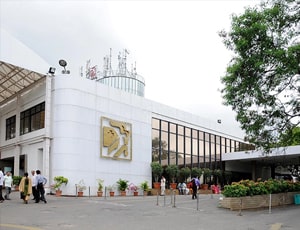
Istanbul, Turkey
Number of Beds: 441
Year of Establishment: 2022

Medanta - The Medicity treats neurological conditions with cutting-edge techniques and innovations, including robotics, minimally invasive surgery, intraoperative MRI, stereotactic radiosurgery, computer-assisted brain surgery, and deep brain stimulation. At Medanta - The Medicity Deep Brain Stimulation is safe, viable, and recommended treatment option for patients suffering from Parkinson's disease, epilepsy, essential tremors, dystonia, and other conditions. The DBS procedure involves implanting a battery-powered device known as a neurostimulator (similar to a pacemaker) beneath the skin of the upper chest. The neurostimulator stimulates brain areas that control movement. This helps to block nerve signals that cause abnormal movements.
Medanta - The Medicity performs DBS surgery in two parts: brain and chest surgery. The surgical team will first secure the patient's head on a special head frame before using neuroimaging (CT or brain MRI) to map the brain and identify the exact area in the brain where the electrodes will be placed. The electrodes are usually placed while the patient is alert and awake. The surgeon will implant the part of the device that contains the batteries (pulse generator) under the skin in the patient's chest, near the collarbone, in the second part of the surgery. Dr. V. P. Singh, Dr. Sudhir Dubey, and Dr. Rajneesh Kachhara are some of the neuro-specialists at Medanta.
Best doctors for Deep Brain Stimulation at Medanta - The Medicity:

The Center of Neurology at the Phythai 2 Hospital offers the best quality of care under board-certified neurologists and neurosurgeons for a variety of neurological disorders. The hospital has all the latest advancements and imaging technologies to develop customized treatment plans for patients after accurately diagnosing their conditions. To ensure the best outcomes, the hospital has advanced diagnostic neuroimaging, including CT scan, MRI, and ultrasound, as well as electromyography (EMG), electroencephalography (EEG), carotid duplex scan, and cerebral angiogram.
Deep brain stimulation may be suggested by a care provider in cases of certain brain injuries, Parkinson’s disease, pressure buildup in the brain, and other neurological conditions. A small metal electrode is inserted into the thalamus of the brain during deep brain stimulation, and the electrode is connected to a pacemaker-like device that is inserted beneath the skin in the chest. When the pacemaker is activated, it sends a signal to the electrode, changing the way the brain tissue near the stimulating electrode functions abnormally. Dr.Karn Sakdisornchai and Assoc. Prof. Dr.Sombat Muengtaweepongsa are some of the neurology specialists at the Phyathai 2 International Hospital.
Best doctors for Deep Brain Stimulation at Phyathai 2 International Hospital:

2023, Best Specialized Hospital Asia Pacific – Endocrinology
2023, Best Specialized Hospital Asia Pacific – Cardiology
2022, GlobalHealth Asia Pacific Child Development and Paediatric Service Provider of the Year in Asia Pacific
2022, Frost & Sullivan – Malaysia Emerging Hospital Company of the year award
2022, Malaysian Healthcare Tourism Corporation (MHTC) Elite member (Jan 2022 - Dec 2022)
2022, Malaysian Society for Quality in Health (MSQH) - (2020-2024)
2019, Healthcare Infection Control Management Resources (HICMR)
2018, The Brand Laureate Best Brand – Brand leadership Award (2018-2019)


Kuala Lumpur, Malaysia
Number of Beds: 442
Year of Establishment: 1985
Healthcare Asia Awards 2024, Subang Jaya Medical Centre wins ESG Program of the Year
Frost & Sullivan, Subang Jaya Medical Centre wins Best Practices Award, Malaysian Best Hospital Company of the Year
GlobalHealth Asia-Pacific Awards, Subang Jaya Medical Centre wins Hospital of the Year in Asia-Pacific
GlobalHealth Asia-Pacific Awards, Subang Jaya Medical Centre wins Advanced Genetic Centre Provider of the Year in Asia-Pacific
GlobalHealth Asia-Pacific Awards, Subang Jaya Medical Centre wins Diabetes Service Provider of the Year in Asia-Pacific
GlobalHealth Asia-Pacific Awards, Subang Jaya Medical Centre wins Multi-Disciplinary Oncology Service Provider of the Year in Asia-Pacific
GlobalHealth Asia-Pacific Awards, Subang Jaya Medical Centre wins CSR Service of the Year in Asia-Pacific
GlobalHealth MedTech Awards, Subang Jaya Medical Centre wins the Excellence in Digital Health Innovation of the Year


Apollo Hospitals has introduced Sub Thalamic Nucleus (STN) Deep Brain Stimulation (DBS), the most recent advancement in Parkinson's disease surgery, in India. The surgery is carried out in two parts, brain surgery, and chest surgery. Some of the diagnostic tests performed before a Deep Brain Stimulation at Indraprastha Apollo Hospital include brain-imaging studies, such as an MRI, before the surgery. The diagnostic tests guide the surgeons to map the areas of the brain and implant the electrodes at the right location.
Deep brain stimulation (DBS) is a surgical procedure used at Apollo to treat a variety of neurological symptoms, most notably those associated with Parkinson's disease (PD), such as tremors, rigidity, stiffness, slowed movement, and walking difficulties. Essential tremor, a common neurological movement disorder, is also treated with the procedure. DBS does not harm healthy brain tissue. Instead, the procedure disables electrical signals from specific areas of the brain. For those suffering from dystonia, DBS can help relax muscles and improve abnormal postures caused by muscle contractions. Dr. Sudheer Kumar Tyagi, Dr. Anoop Kohli, and Dr. Mukul Varma are some of the faces of the neurology department at Indraprastha Apollo Hospital.
Best doctors for Deep Brain Stimulation at Indraprastha Apollo Hospital:

Deep Brain Stimulation (DBS) is a treatment option at Apollo Hospitals for conditions that impair neuron function. In Apollo, deep brain stimulation (DBS) is used to treat conditions such as epilepsy, Parkinson's disease, dystonia, essential tremor, and obsessive compulsive disorder (OCD). Detailed MRI (Magnetic Resonance Imaging) and CT (Computer Tomography) scans of the brain are performed prior to DBS. These scans will help your doctor decide where to place the DBS wires.
DBS involves implanting electrodes within the brain that generate electrical impulses, allowing abnormal impulses to be regulated. These electrical impulses can affect specific cells and chemicals in the brain, which can help with medical conditions. Deep Brain Stimulation requires close collaboration between neurologists and neurosurgeons due to the multidisciplinary activities performed at the Apollo Hospitals for effective results. It is performed in a specially trained clinic setting to safely and precisely identify the right candidate for DBS. One of the benefits of this surgery is that it improves the motor symptoms of Parkinson's disease (Progressive Disorder). Dr C Rajesh Reddy, Dr Madhuri Khilari, and Dr Sandeep Nayani are the neurosurgeons at Apollo Hospitals.
Best doctors for Deep Brain Stimulation at Apollo Hospitals:

Ask your healthcare adviser for the best multiple options and choose the one that meets your expectations

| Speciality | Neurology |
| Procedure | Deep Brain Stimulation |
| Success Rate | 85-95% |
| Recovery Time | 3-4 weeks |
| Treatment Time | 2-6 hours |
| Chances of Recurrence | 10-20% |
Deep Brain Stimulation (DBS) is a surgical procedure that involves the implantation of electrodes in specific areas of the brain to deliver electrical impulses. During the procedure, thin wires called leads are placed in precise brain regions, and a device known as a neurostimulator is implanted under the skin in the chest or abdomen. The neurostimulator sends electrical signals to the targeted brain areas, modulating abnormal brain activity and helping to relieve symptoms.
Deep Brain Stimulation is primarily used to treat movement disorders such as Parkinson's disease, essential tremor, and dystonia. It can also be beneficial for certain psychiatric conditions like obsessive-compulsive disorder (OCD) and Tourette syndrome. In these conditions, DBS helps to regulate and modulate abnormal brain activity, reducing symptoms such as tremors, rigidity, involuntary movements, and obsessive or compulsive behaviors.
The recovery process after Deep Brain Stimulation can vary depending on individual factors and the specific condition being treated. Typically, patients will need some time to adjust to the presence of the implanted device and may experience temporary discomfort or soreness at the surgical sites. Physical therapy, occupational therapy, and speech therapy may be recommended to help regain movement, coordination, and speech abilities. Regular follow-up visits with the healthcare team are recommended. Overall, it may take around a month for the patient to adjust to normal life after the procedure.
| Doctor Name | Cost | Book Appointment |
|---|---|---|
| Dr. Akin Akakin | 88 USD | Book Now |
| Dr. Vikas Bhardwaj | 23 USD | Book Now |
| Dr. Jevgenijus Skuryginas | 175 USD | Book Now |
| Dr. Mukesh Pandey | 23 USD | Book Now |
| Dr. Baran Yilmaz | 130 USD | Book Now |

Neurological disorders, including Parkinson's disease, essential tremor, and dystonia, are more than simply medical diagnoses for millions of people worldwide; they are thieves. They take away self-reliance, self-assurance, and the pure delight of steady motion.