Browse verified doctors or let our care team help you find the doctor best suited to your condition, treatment goals, and budget.
Prince Court Medical Centre offers advanced Coronary Artery Bypass Grafting (CABG) Treatment using modern cardiac surgical techniques and individualized treatment protocols. Established in 2007, the MSQH accredited hospital is located in Kuala Lumpur, Malaysia and has 277 beds, providing comprehensive cardiac care for local and international patients.
CABG is a surgical procedure used to improve blood flow to the heart when the coronary arteries are significantly narrowed or blocked. During the operation, a healthy blood vessel taken from another part of the body is used to create a new route around the blocked coronary artery. Depending on the extent of coronary artery disease, one or several bypass grafts may be required. Before surgery, doctors evaluate the coronary arteries, heart function, and overall health to determine the appropriate surgical strategy.
At Acibadem International Hospital, Coronary Artery Bypass Grafting (CABG) is performed using advanced cardiac surgery techniques and personalized treatment planning. Established in 1989, this JCI accredited hospital in Istanbul, Turkey has 112 beds and offers comprehensive cardiovascular and post-operative care.
Coronary Artery Bypass Grafting (CABG) may be recommended for patients with severe coronary artery disease, particularly when multiple coronary vessels are affected or when other treatments are not suitable. During CABG, surgeons use grafts from blood vessels such as the internal mammary artery or veins from the leg to bypass narrowed coronary segments. The new pathways allow blood to reach the heart muscle more effectively. The surgical approach and number of grafts depend on the location and severity of the blockages.
At Mount Elizabeth Novena Hospital, Coronary Artery Bypass Grafting (CABG) is performed using advanced cardiac surgery techniques and personalized treatment planning. Established in 2012, this JCI accredited hospital in Novena, Singapore has 313 beds and offers comprehensive cardiovascular and post-operative care.
Coronary Artery Bypass Grafting (CABG) may be recommended for patients with severe coronary artery disease, particularly when multiple coronary vessels are affected or when other treatments are not suitable. During CABG, surgeons use grafts from blood vessels such as the internal mammary artery or veins from the leg to bypass narrowed coronary segments. The new pathways allow blood to reach the heart muscle more effectively. The surgical approach and number of grafts depend on the location and severity of the blockages.
At Asan Medical Centre, Coronary Artery Bypass Grafting (CABG) is performed using advanced cardiac surgery techniques and personalized treatment planning. Established in 1989, this ISO accredited hospital in Seoul, South Korea has 2700 beds and offers comprehensive cardiovascular and post-operative care.
Coronary Artery Bypass Grafting (CABG) may be recommended for patients with severe coronary artery disease, particularly when multiple coronary vessels are affected or when other treatments are not suitable. During CABG, surgeons use grafts from blood vessels such as the internal mammary artery or veins from the leg to bypass narrowed coronary segments. The new pathways allow blood to reach the heart muscle more effectively. The surgical approach and number of grafts depend on the location and severity of the blockages.
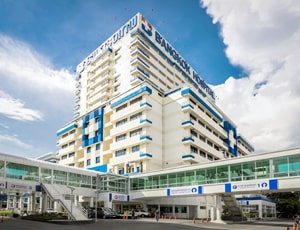
Choosing Bangkok Hospital for Coronary Artery Bypass Grafting (CABG) gives patients access to experienced cardiac specialists, advanced operating facilities, intensive cardiac monitoring, and comprehensive rehabilitation services. Established in 1972, the JCI accredited hospital in Bangkok, Thailand has 580 beds and provides specialized cardiac surgery.
Coronary Artery Bypass Grafting (CABG) may be considered when coronary artery blockages significantly restrict blood flow to the heart and symptoms or heart function cannot be adequately managed with medication or other interventions. The surgeon uses one or more healthy blood vessels to reroute blood around the narrowed coronary arteries. Before surgery, investigations such as coronary angiography, electrocardiography, echocardiography, and blood tests may be performed to assess the heart and plan the procedure. After surgery, patients are gradually mobilized and may participate in a structured cardiac rehabilitation program.
Mount Elizabeth Hospital offers advanced Coronary Artery Bypass Grafting (CABG) Treatment using modern cardiac surgical techniques and individualized treatment protocols. Established in 1979, the JCI accredited hospital is located in Singapore, Singapore and has 345 beds, providing comprehensive cardiac care for local and international patients.
CABG is a surgical procedure used to improve blood flow to the heart when the coronary arteries are significantly narrowed or blocked. During the operation, a healthy blood vessel taken from another part of the body is used to create a new route around the blocked coronary artery. Depending on the extent of coronary artery disease, one or several bypass grafts may be required. Before surgery, doctors evaluate the coronary arteries, heart function, and overall health to determine the appropriate surgical strategy.
Delhi, India
Choosing BLK-Max Super Speciality Hospital for Coronary Artery Bypass Grafting (CABG) gives patients access to experienced cardiac specialists, advanced operating facilities, intensive cardiac monitoring, and comprehensive rehabilitation services. Established in 1959, the JCI, NABH accredited hospital in Delhi, India has 650 beds and provides specialized cardiac surgery.
Coronary Artery Bypass Grafting (CABG) may be considered when coronary artery blockages significantly restrict blood flow to the heart and symptoms or heart function cannot be adequately managed with medication or other interventions. The surgeon uses one or more healthy blood vessels to reroute blood around the narrowed coronary arteries. Before surgery, investigations such as coronary angiography, electrocardiography, echocardiography, and blood tests may be performed to assess the heart and plan the procedure. After surgery, patients are gradually mobilized and may participate in a structured cardiac rehabilitation program.
Kings College Hospital Dubai provides specialized Coronary Artery Bypass Grafting (CABG) with a focus on restoring myocardial blood flow, minimizing surgical risks, and supporting long-term cardiac recovery. Established in 2019, the JCI accredited hospital is located in Dubai, United Arab Emirates and operates 100 beds with modern cardiovascular surgery infrastructure.
Coronary Artery Bypass Grafting (CABG) is a revascularization procedure used to bypass diseased sections of the coronary arteries. Grafts may be obtained from the chest, arm, or leg and connected to the coronary circulation to provide an alternative pathway for blood flow. CABG can be performed as a single, double, triple, or multiple bypass depending on the number and location of significant blockages. The treatment plan is based on coronary angiography findings, heart function, symptoms, associated medical conditions, and the patient's overall surgical risk. Long-term management commonly includes prescribed medicines, heart-healthy lifestyle changes, and cardiac follow-up.
Parkway Pantai provides specialized Coronary Artery Bypass Grafting (CABG) with a focus on restoring myocardial blood flow, minimizing surgical risks, and supporting long-term cardiac recovery. Established in 1974, the JCI, MSQH accredited hospital is located in Kuala Lumpur, Malaysia and operates 499 beds with modern cardiovascular surgery infrastructure.
Coronary Artery Bypass Grafting (CABG) is a revascularization procedure used to bypass diseased sections of the coronary arteries. Grafts may be obtained from the chest, arm, or leg and connected to the coronary circulation to provide an alternative pathway for blood flow. CABG can be performed as a single, double, triple, or multiple bypass depending on the number and location of significant blockages. The treatment plan is based on coronary angiography findings, heart function, symptoms, associated medical conditions, and the patient's overall surgical risk. Long-term management commonly includes prescribed medicines, heart-healthy lifestyle changes, and cardiac follow-up.
Vejthani Hospital is a trusted healthcare provider for Coronary Artery Bypass Grafting (CABG), offering specialized coronary bypass surgery supported by experienced cardiac surgeons and advanced cardiac-care infrastructure. Established in 1994, the JCI accredited hospital is situated in Bangkok, Thailand and has 263 beds.
CABG Treatment is performed to restore blood supply to areas of the heart affected by obstructed coronary arteries. The surgeon creates grafts using suitable blood vessels and connects them before and beyond the blocked portions of the coronary arteries. CABG may be performed using a heart-lung machine or, in selected cases, while the heart continues beating. The choice depends on the patient's coronary anatomy, medical condition, and surgical assessment. Cardiac rehabilitation after surgery helps support recovery and improve cardiovascular health.
At Memorial Ankara Hospital, Coronary Artery Bypass Grafting (CABG) is performed using advanced cardiac surgery techniques and personalized treatment planning. Established in 2014, this JCI accredited hospital in Ankara, Turkey has 230 beds and offers comprehensive cardiovascular and post-operative care.
Coronary Artery Bypass Grafting (CABG) may be recommended for patients with severe coronary artery disease, particularly when multiple coronary vessels are affected or when other treatments are not suitable. During CABG, surgeons use grafts from blood vessels such as the internal mammary artery or veins from the leg to bypass narrowed coronary segments. The new pathways allow blood to reach the heart muscle more effectively. The surgical approach and number of grafts depend on the location and severity of the blockages.
At Artemis Health Institute, Coronary Artery Bypass Grafting (CABG) is performed using advanced cardiac surgery techniques and personalized treatment planning. Established in 2007, this JCI, NABH accredited hospital in Gurgaon, India has 750 beds and offers comprehensive cardiovascular and post-operative care.
Coronary Artery Bypass Grafting (CABG) may be recommended for patients with severe coronary artery disease, particularly when multiple coronary vessels are affected or when other treatments are not suitable. During CABG, surgeons use grafts from blood vessels such as the internal mammary artery or veins from the leg to bypass narrowed coronary segments. The new pathways allow blood to reach the heart muscle more effectively. The surgical approach and number of grafts depend on the location and severity of the blockages.
Gleneagles Hospital offers advanced Coronary Artery Bypass Grafting (CABG) Treatment using modern cardiac surgical techniques and individualized treatment protocols. Established in 1959, the JCI accredited hospital is located in Singapore, Singapore and has 258 beds, providing comprehensive cardiac care for local and international patients.
CABG is a surgical procedure used to improve blood flow to the heart when the coronary arteries are significantly narrowed or blocked. During the operation, a healthy blood vessel taken from another part of the body is used to create a new route around the blocked coronary artery. Depending on the extent of coronary artery disease, one or several bypass grafts may be required. Before surgery, doctors evaluate the coronary arteries, heart function, and overall health to determine the appropriate surgical strategy.
International St. Mary's Hospital is a trusted healthcare provider for Coronary Artery Bypass Grafting (CABG), offering specialized coronary bypass surgery supported by experienced cardiac surgeons and advanced cardiac-care infrastructure. Established in 2014, the JCI accredited hospital is situated in Seoul, South Korea and has 808 beds.
CABG Treatment is performed to restore blood supply to areas of the heart affected by obstructed coronary arteries. The surgeon creates grafts using suitable blood vessels and connects them before and beyond the blocked portions of the coronary arteries. CABG may be performed using a heart-lung machine or, in selected cases, while the heart continues beating. The choice depends on the patient's coronary anatomy, medical condition, and surgical assessment. Cardiac rehabilitation after surgery helps support recovery and improve cardiovascular health.
Choosing Sunway Medical Centre for Coronary Artery Bypass Grafting (CABG) gives patients access to experienced cardiac specialists, advanced operating facilities, intensive cardiac monitoring, and comprehensive rehabilitation services. Established in 1999, the ACHS accredited hospital in Kuala Lumpur, Malaysia has 724 beds and provides specialized cardiac surgery.
Coronary Artery Bypass Grafting (CABG) may be considered when coronary artery blockages significantly restrict blood flow to the heart and symptoms or heart function cannot be adequately managed with medication or other interventions. The surgeon uses one or more healthy blood vessels to reroute blood around the narrowed coronary arteries. Before surgery, investigations such as coronary angiography, electrocardiography, echocardiography, and blood tests may be performed to assess the heart and plan the procedure. After surgery, patients are gradually mobilized and may participate in a structured cardiac rehabilitation program.
| Speciality | Cardiac Sciences |
| Procedure | Coronary Artery Bypass Grafting (CABG) |
| Success Rate | 85-95% |
| Recovery Time | 3 to 4 weeks |
| Treatment Time | 3 to 6 hours |
| Chances of Recurrence | 5-10% |
Coronary artery bypass graft surgery is performed to create a new path for blood to flow around in the case of a partially blocked or completely blocked artery in the heart. During the surgery, the surgeons may take a healthy blood vessel from the chest or leg area. This vessel is connected to the artery with blocked blood flow to improve movement. Coronary artery bypass surgery does not cure the underlying heart disease, such as atherosclerosis of coronary artery disease, that caused the blockage. However, it can alleviate symptoms such as chest pain and shortness of breath.
The surgery may be done as an emergency treatment for a heart attack. Other than that, it might be recommended that you have the following:
The average recovery time following cardiac bypass surgery is between 6 and 8 weeks and up to 3 months. Patients typically receive thorough instructions on how to exercise, take their medications, follow up appointments, take care of their wounds, and resume normal activities. Cardiac rehabilitation is also suggested for better healing and recovery.
 Surgery.jpg)
Every year, tens of thousands of Russian patient’s board flights to Delhi, Mumbai, Chennai, and Bengaluru - not for holidays, but for their hearts. Coronary Artery Bypass Grafting (CABG),