Browse verified doctors or let our care team help you find the doctor best suited to your condition, treatment goals, and budget.
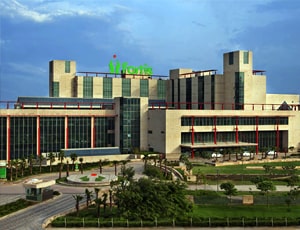
Choosing Venkateshwar Hospital for Angioplasty gives patients access to experienced interventional cardiologists, advanced catheterization facilities, and comprehensive cardiac care. Established in 2016, the NABL, NABH accredited hospital in Delhi, India has 325 beds and provides specialized cardiovascular treatment.
Angioplasty may be advised when a narrowed or blocked coronary artery is limiting blood flow and causing symptoms or when urgent restoration of blood flow is required. During the procedure, a catheter is guided to the affected artery, where a balloon is inflated to widen the narrowed area. A stent is commonly placed to help keep the artery open. Following angioplasty, patients are monitored and receive medications and lifestyle guidance to support cardiovascular health and reduce the risk of future artery blockage.
Primus Super Speciality Hospital provides specialized Angioplasty with a focus on minimally invasive treatment, patient safety, and effective restoration of blood flow. Established in 2001, the NABH accredited hospital is located in Delhi, India and operates 250 beds with modern cardiac infrastructure.
Angioplasty is a minimally invasive procedure used to open narrowed or blocked blood vessels, particularly coronary arteries. The cardiologist guides a catheter through a blood vessel to the site of the blockage and inflates a small balloon to widen the artery. A stent may then be placed to provide ongoing support and maintain blood flow. Before the procedure, the medical team reviews the patient's symptoms, medical history, angiography findings, and overall health to determine the appropriate treatment strategy. After angioplasty, follow-up care and prescribed medications are important for maintaining the benefits of treatment.
Srikara Hospitals, Miyapur offers advanced Angioplasty using modern catheter-based techniques and internationally accepted cardiac treatment protocols. Established in 2013, the NABH accredited hospital is located in Hyderabad, India and has 200 beds, providing comprehensive cardiovascular care for local and international patients.
Angioplasty is a minimally invasive procedure used to restore blood flow through a narrowed or blocked artery, most commonly the coronary arteries supplying the heart. During the procedure, a thin catheter with a balloon is guided to the narrowed area, where the balloon is inflated to widen the artery. A stent may be placed to help keep the artery open and maintain blood flow. Angioplasty may be performed for significant coronary artery disease or during certain heart attacks.
At Tx Hospitals Banjara Hills, Angioplasty is performed using advanced cardiac catheterization technology and personalized treatment plans. Established in 2020, this JCI, NABH accredited hospital in Hyderabad, India has 100 beds and offers comprehensive cardiovascular services.
Angioplasty may be recommended for patients with significant narrowing or blockage of a coronary artery that restricts blood flow to the heart muscle. The procedure involves passing a catheter through a blood vessel to the affected artery and using a small balloon to widen the narrowed segment. In many cases, a coronary stent is inserted to support the artery and reduce the risk of it becoming narrowed again. Doctors assess angiography findings and the patient's clinical condition before determining whether angioplasty is appropriate.
At Fortis Hospital, Angioplasty is performed using advanced cardiac catheterization technology and personalized treatment plans. Established in 2006, this JCI, NABH accredited hospital in Mohali, India has 276 beds and offers comprehensive cardiovascular services.
Angioplasty may be recommended for patients with significant narrowing or blockage of a coronary artery that restricts blood flow to the heart muscle. The procedure involves passing a catheter through a blood vessel to the affected artery and using a small balloon to widen the narrowed segment. In many cases, a coronary stent is inserted to support the artery and reduce the risk of it becoming narrowed again. Doctors assess angiography findings and the patient's clinical condition before determining whether angioplasty is appropriate.
Delhi, India
At Fortis Flt. Lt. Rajan Dhall Hospital, Angioplasty is performed using advanced cardiac catheterization technology and personalized treatment plans. Established in 2006, this NABH accredited hospital in Delhi, India has 162 beds and offers comprehensive cardiovascular services.
Angioplasty may be recommended for patients with significant narrowing or blockage of a coronary artery that restricts blood flow to the heart muscle. The procedure involves passing a catheter through a blood vessel to the affected artery and using a small balloon to widen the narrowed segment. In many cases, a coronary stent is inserted to support the artery and reduce the risk of it becoming narrowed again. Doctors assess angiography findings and the patient's clinical condition before determining whether angioplasty is appropriate.
At Fortis Hospital, Mulund, Angioplasty is performed using advanced cardiac catheterization technology and personalized treatment plans. Established in 2002, this JCI, NABH accredited hospital in Mumbai, India has 315 beds and offers comprehensive cardiovascular services.
Angioplasty may be recommended for patients with significant narrowing or blockage of a coronary artery that restricts blood flow to the heart muscle. The procedure involves passing a catheter through a blood vessel to the affected artery and using a small balloon to widen the narrowed segment. In many cases, a coronary stent is inserted to support the artery and reduce the risk of it becoming narrowed again. Doctors assess angiography findings and the patient's clinical condition before determining whether angioplasty is appropriate.
Manipal Hospital, Hebbal provides specialized Angioplasty with a focus on minimally invasive treatment, patient safety, and effective restoration of blood flow. Established in 1991, the NABL, NABH accredited hospital is located in Bangalore, India and operates 280 beds with modern cardiac infrastructure.
Angioplasty is a minimally invasive procedure used to open narrowed or blocked blood vessels, particularly coronary arteries. The cardiologist guides a catheter through a blood vessel to the site of the blockage and inflates a small balloon to widen the artery. A stent may then be placed to provide ongoing support and maintain blood flow. Before the procedure, the medical team reviews the patient's symptoms, medical history, angiography findings, and overall health to determine the appropriate treatment strategy. After angioplasty, follow-up care and prescribed medications are important for maintaining the benefits of treatment.
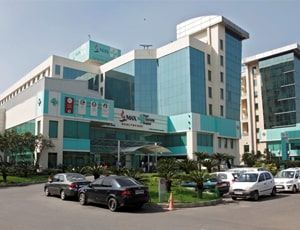
Max Super Speciality Hospital, Saket provides specialized Angioplasty with a focus on minimally invasive treatment, patient safety, and effective restoration of blood flow. Established in 2006, the JCI, NABH accredited hospital is located in Delhi, India and operates 539 beds with modern cardiac infrastructure.
Angioplasty is a minimally invasive procedure used to open narrowed or blocked blood vessels, particularly coronary arteries. The cardiologist guides a catheter through a blood vessel to the site of the blockage and inflates a small balloon to widen the artery. A stent may then be placed to provide ongoing support and maintain blood flow. Before the procedure, the medical team reviews the patient's symptoms, medical history, angiography findings, and overall health to determine the appropriate treatment strategy. After angioplasty, follow-up care and prescribed medications are important for maintaining the benefits of treatment.

Gurgaon, India
At Fortis Memorial Research Institute, Angioplasty is performed using advanced cardiac catheterization technology and personalized treatment plans. Established in 2013, this JCI, NABH, NABL accredited hospital in Gurgaon, India has 311 beds and offers comprehensive cardiovascular services.
Angioplasty may be recommended for patients with significant narrowing or blockage of a coronary artery that restricts blood flow to the heart muscle. The procedure involves passing a catheter through a blood vessel to the affected artery and using a small balloon to widen the narrowed segment. In many cases, a coronary stent is inserted to support the artery and reduce the risk of it becoming narrowed again. Doctors assess angiography findings and the patient's clinical condition before determining whether angioplasty is appropriate.
VPS Rockland Hospital offers advanced Angioplasty using modern catheter-based techniques and internationally accepted cardiac treatment protocols. Established in 2013, the NABH, NABL accredited hospital is located in Gurgaon, India and has 345 beds, providing comprehensive cardiovascular care for local and international patients.
Angioplasty is a minimally invasive procedure used to restore blood flow through a narrowed or blocked artery, most commonly the coronary arteries supplying the heart. During the procedure, a thin catheter with a balloon is guided to the narrowed area, where the balloon is inflated to widen the artery. A stent may be placed to help keep the artery open and maintain blood flow. Angioplasty may be performed for significant coronary artery disease or during certain heart attacks.
Asian Institute of Medical Sciences offers advanced Angioplasty using modern catheter-based techniques and internationally accepted cardiac treatment protocols. Established in 2010, the NABL, NABH accredited hospital is located in Faridabad, India and has 425 beds, providing comprehensive cardiovascular care for local and international patients.
Angioplasty is a minimally invasive procedure used to restore blood flow through a narrowed or blocked artery, most commonly the coronary arteries supplying the heart. During the procedure, a thin catheter with a balloon is guided to the narrowed area, where the balloon is inflated to widen the artery. A stent may be placed to help keep the artery open and maintain blood flow. Angioplasty may be performed for significant coronary artery disease or during certain heart attacks.
Apollo Hospital International Limited provides specialized Angioplasty with a focus on minimally invasive treatment, patient safety, and effective restoration of blood flow. Established in 2003, the NABH, JCI accredited hospital is located in Ahmedabad, India and operates 300 beds with modern cardiac infrastructure.
Angioplasty is a minimally invasive procedure used to open narrowed or blocked blood vessels, particularly coronary arteries. The cardiologist guides a catheter through a blood vessel to the site of the blockage and inflates a small balloon to widen the artery. A stent may then be placed to provide ongoing support and maintain blood flow. Before the procedure, the medical team reviews the patient's symptoms, medical history, angiography findings, and overall health to determine the appropriate treatment strategy. After angioplasty, follow-up care and prescribed medications are important for maintaining the benefits of treatment.
Manipal Hospital, Gurugram provides specialized Angioplasty with a focus on minimally invasive treatment, patient safety, and effective restoration of blood flow. Established in 2008, the NABL, NABH accredited hospital is located in Gurgaon, India and operates 380 beds with modern cardiac infrastructure.
Angioplasty is a minimally invasive procedure used to open narrowed or blocked blood vessels, particularly coronary arteries. The cardiologist guides a catheter through a blood vessel to the site of the blockage and inflates a small balloon to widen the artery. A stent may then be placed to provide ongoing support and maintain blood flow. Before the procedure, the medical team reviews the patient's symptoms, medical history, angiography findings, and overall health to determine the appropriate treatment strategy. After angioplasty, follow-up care and prescribed medications are important for maintaining the benefits of treatment.
Choosing Manipal Hospitals Goa, Dona Paula for Angioplasty gives patients access to experienced interventional cardiologists, advanced catheterization facilities, and comprehensive cardiac care. Established in 1994, the NABH accredited hospital in Panjim, India has 235 beds and provides specialized cardiovascular treatment.
Angioplasty may be advised when a narrowed or blocked coronary artery is limiting blood flow and causing symptoms or when urgent restoration of blood flow is required. During the procedure, a catheter is guided to the affected artery, where a balloon is inflated to widen the narrowed area. A stent is commonly placed to help keep the artery open. Following angioplasty, patients are monitored and receive medications and lifestyle guidance to support cardiovascular health and reduce the risk of future artery blockage.

Mr. Hailu Kassa underwent Coronary Artery Bypass Surgery in Vejthani Hospital, Thailand under the supervision of Dr. Piya, Cardio-Thoracic Surgeon

Patient Testimonial: Rod Schaubroeck from United States (U.S.A) underwent heart valve replacement at Fortis Hospital, India
| Speciality | Cardiac Sciences |
| Procedure | Angioplasty |
| Success Rate | 90-95% |
| Recovery Time | 1 Day |
| Treatment Time | 30 mins - 2 hours |
| Chances of Recurrence | 10-15% |
Today, most hospitals in India, especially in metropolitan cities, are well endowed with modern equipment for performing angioplasty. These hospitals may also include the latest cardiovascular disease diagnosis and treatment technologies, such as the newest angiography systems to carry out minimally invasive surgical operations, robotic surgical technologies, and the latest models of stents and devices to use in angioplasty.
The Healthcare industry of India is developing quickly, and several hospitals meet international standards. Several leading heart care hospitals provide the best treatment with improved and sophisticated angioplasty equipment.
The top-rated angioplasty hospitals in India boast well-qualified cardiologists, medical facilities and equipment and high success rates. They offer intensive care unit facilities and follow-up after the procedures performed on the heart. They include those hospitals that have accreditation from reputed bodies such as the National Accreditation Board for Hospitals (NABH) or Joint Commission International (JCI) These hospitals follow International standards and mainly focus on patient satisfaction and overall satisfaction.
Generally, angioplasty has a high success rate in India that varies between 95% and 98%; however, the success rate dramatically depends on the hospital and the patient. That is why the skills of the cardiologist, the used stent, the type of the blockage, and the patient's general condition may influence this rate. The leading hospitals in India provide excellent infrastructural services, and the personnel having adequate expertise help achieve results that are on par with international healthcare organisations.
You can find top Angioplasty hospitals on the MediGence list of verified and accredited healthcare facilities in India. Here, you can also get all the information about every cardiologist, including experience, success rate, and patient feedback. This would ensure that patients are linked to the right cardiologist and have a proper and informed patient journey.
A few of the best hospitals for Angioplasty in India are as follows:
The cost of Angioplasty in India typically ranges from (USD 3000 - 4500), depending on the hospital, location, and the complexity of the procedure.
Yes, Angioplasty in India does include complete treatment solutions for overseas visitors. Numerous healthcare organisations nationwide are conversant with medical tourism and have individual services to cater to international clients. These services often include:
Like any procedure, angioplasty has its risks, and some of these potential risks include the following:
Staying in the hospital after the procedure usually ranges from 1-2 days; however, they can resume light activities in 1-2 weeks after angioplasty, while complete activities may take approximately 4-6 weeks, depending on health and angioplasty’s difficulty level. In rehabilitation, patients must adhere to the doctor’s medication advice, schedule follow-up appointments and make changes that enhance or maintain cardiac health and reduce risk factors. The time for the patients to recover may be unique depending on age, other complications and diseases.
To learn about Angioplasty with a cardiologist before flying to India, you can choose a teleconsultation on the Medigence site. Just give a callback to a specialist, and you can comfortably explain your diagnosis, the available treatments and the particular surgery in the comfort of your home.
The treatment plan for angioplasty in India lies in post-operative management, including observation, administration of drugs and adopting suitable change in behaviour. In the hospital, patients are usually kept for a day or two to monitor the procedure's efficiency and to check the exact site for bleeding or infection, including their vital signs.
They include anticoagulants commonly used to create a barrier or prevent clotting formation for the stent to remain open, as well as antiplatelet medications. Patients are also encouraged to minimise their activities for four to six weeks after the administrated treatment. The plan is to have subsequent appointments with the cardiologist to monitor the patient’s status. Patients are advised to take heart-healthy diets, stop smoking, and deal with stress to have a healthy heart in the future.
India is a popular choice for Angioplasty because of several factors:
First, the patient will need to complete a form with his or her contact information on our website. After that, MediGence will contact you to help plan an Angioplasty appointment in India. We will find you the best hospital, help you arrange a consultation with the best doctor, and give you all the necessary assistance from the moment of registration to receiving the essential documents and help you choose and organise your treatment.
Patients can expect the following during their visit to India for Angioplasty:
Yes, there are several besides angioplasty, depending on the case of the patient and the diagnostic or therapeutic requirements in India. Some of the alternatives include:
When approaching angiography and non-ionic contrast in India, specific key steps are followed to avoid complications. Here’s what you can expect:
.jpg)
Recently, India has become a leading destination for international patients seeking high-quality heart care, especially for angioplasty treatments. Angioplasty is a non-invasive procedure that unblocks blocked or narrowed coronary arteries