Open Heart Surgery in India: Traditional vs. Modern Methods and Costs
Published: May 06, 2022
Updated: Jul 08, 2025

Published: May 06, 2022
Updated: Jul 08, 2025
Several new minimally invasive and robot-assisted cardiac procedures have been introduced recently. The advancement in medical technology and infrastructure is now slowly replacing the traditional approach to doing cardiac surgeries. There are, in fact, many procedures that can be performed by both approaches - open heart and minimally invasive.
The heart is accessed through a breastbone incision during open-heart surgery. Surgeons cut through the sternum (breastbone) and spread the ribs to gain access to the heart. "Chest cracking" is another term for this. Smaller, less invasive incisions, like those between the ribs on the right side of the chest, can be used to perform many different types of heart surgery.
Open-heart surgery is a reliable way for surgeons to perform heart surgery for various heart conditions like heart attack, atrial fibrillation, heart valve disease, and many others. Open-heart surgery is also called ‘Traditional Heart Surgery’. Today, many cutting-edge heart procedures can be carried out without any huge holes and with only minor cuts or incisions. Therefore, the term "open-heart surgery" is potentially deceptive. CABG (bypass surgery), heart transplantation, and valve replacement are all examples of open-heart surgery. Open-heart surgery can also be used to treat heart failure, congenital cardiac abnormalities, and coronary artery disease.
If you are suffering with cardiac disease and the cardiac specialist suggests you undergo the surgery immediately- Do not delay it anymore! Open heart surgery can repair abnormalities (Septal defects, Heart Valve complications, Stroke, Failure, etc.). During the procedure, the surgeon may use appropriate material (implant, valve, etc.) to restore the normal functioning of the heart.
Several cardiac diagnoses warrant the need for open-heart surgery. If you have one of the following heart conditions, open-heart surgery may be necessary:
Patients with coronary heart disease may need a coronary artery bypass graft (CABG) (double vessel or triple vessel disease). When the coronary arteries that supply the heart muscle with blood and oxygen narrow and harden, coronary heart disease develops. Hardening occurs due to the formation of plaque on the inside walls of the coronary arteries. The narrowing of the arteries makes it difficult for blood to flow. This increases the risk of a heart attack.
Depending on the size, location, and number of blockages in the heart vessels, the surgeon may decide to do open-heart surgery or minimally invasive bypass, whichever seems feasible and safe for the patient as per the clinical status.
The following conditions may also necessitate open-heart surgery:
There are two techniques used to do open heart surgery: the traditional technique, also referred to as on-pump heart surgery, and the more recent technique, known as off-pump heart surgery. The opinion is still divided on which is the better way. Despite the availability of a range of innovative access alternatives, the midline sternotomy route is still used for the majority of open-heart procedures (down the middle through the breast bone). Major techniques used to perform open-heart surgeries are-
On-pump surgery or CPB- It is a time-honored procedure that is carried out on a non-beating heart. Blood flow to the rest of the body must be kept going even if the heart stops. Therefore, surgeons use a cardiopulmonary bypass machine (also called a heart-lung bypass machine or a pump), which is an artificial circulation system that supports the heart and lungs. This machine takes over the function of the non-beating heart, which is to circulate blood to the rest of the body, while the surgeons are performing the surgery.
Off-pump surgery or Beating-heart surgery- This approach involves operating on a beating heart. To keep the heart steady throughout the procedure, advanced & special technology is used. This procedure is carried out while the patient's heart is beating and circulating blood to the rest of the body. Therefore, there is no need for a heart-lung machine. This type of operation is challenging since the heart is still beating and not all surgeons have the expertise in it.
Your doctor might recommend various tests before a heart bypass or other types of heart surgery. To make the surgery safer, experiments are being carried out. Some of the common tests required before surgery are-
Echocardiogram or Echo: Your cardiac muscle strength and the function of your heart valves are checked using an echocardiogram.
Electrocardiogram (ECG or EKG): The electrical signal from the heart is recorded with an ECG or EKG to screen for various cardiac diseases. Your heart rhythm and rate are monitored.
Lab testing: Check your kidney function, liver function, blood count, urine, thyroid function, and blood type in case a transfusion is needed during your surgery.
Chest X-Ray: A chest x-ray produces images of the heart, lungs, airways, blood vessels, and the bones of the spine and chest.
Dobutamine stress echocardiogram (DSE): Dobutamine is put in a vein and causes the heart to beat faster. It mimics the effects of exercise on the heart.
Treadmill Test or TMT: Also known as a cardiac stress test, this procedure identifies the maximum heart rate at which an abnormal rhythm or a decrease in blood supply to the heart muscle is not likely to occur.
Complete blood count (CBC): is a blood test used to evaluate your overall health and detect a wide range of disorders, including anemia, infection, and leukemia.
Cardiac Magnetic Resonance Imaging or MRI: It is a technique that generates precise pictures of the internal structures of the heart using radio waves, a strong magnetic field, and a computer. This examination provides a thorough view of your heart.
The cardiac surgeon will assess your overall health before beginning your open-heart surgery. The operation may require you to stay in the hospital for 7-10 days.
>>Preparing for your open heart surgery
You can prepare yourself for the surgery by following the given steps:
>>Performing open heart surgery
Once you are ready for your open heart surgery, your cardiac surgeon will perform the procedure in the following manner:
>>After the Surgery
You will stay in the ICU for a day or more. After some time, you can be moved to a normal hospital room. You may also experience the following symptoms after your operation:
You should also consult your doctor for follow-up sessions if required.Â
India sees a lot of cardiac patients every day, with a high success and recovery rate. Cardiac Care in India is exceptional in that it accepts patients from other countries. In terms of health infrastructure, India competes with developed countries similarly. Medical facilities in India are well-equipped with the most up-to-date medical technologies, as well as unrivaled expertise from leading cardiologists and heart surgeons. Indian cardiac surgeons are noted for providing a wide range of cardiac treatments, ranging from basic services to Open Heart Surgery at a reasonable price.
Services offered to International Patients in IndiaÂ
Coronary Artery Bypass Grafting (CABG)
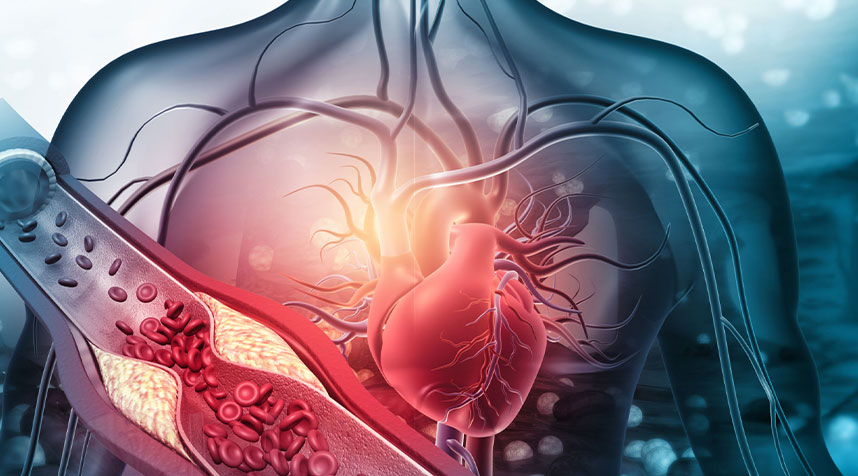
The most common type of heart surgery is a coronary artery bypass graft (CABG), in which the blocked coronary artery is replaced with a healthy artery or vein from another section of your body to allow blood to flow normally again. By avoiding the obstructed area of the coronary artery, the grafted artery or vein establishes a new route for blood to travel to the heart muscle. CABG is also known as heart bypass surgery or coronary artery bypass surgery.
Cost of Coronary Artery Bypass Grafting (CABG) in IndiaÂ| Cities Name | CABG Cost in USD |
|---|---|
| Delhi | $4500 - $7000 |
| Mumbai | $5000 - $7200 |
| Kolkata | $2700 - $5500 |
| Hyderabad | $4700 - $6000 |
| Bangalore | $5300 - $7000 |
| Chennai | $4500 - $6500 |
| Pune | $5000 - $6000 |
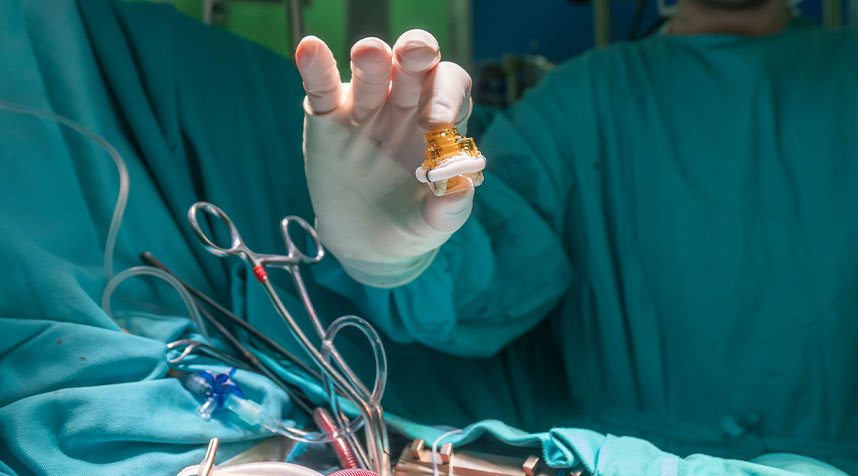
With an artificial or biological valve made from pig, cow, or human heart tissue, surgeons can either repair or replace the cardiac valve. Even in these cases, a catheter is inserted into a significant blood vessel, and guided to the heart, and a tiny balloon is inflated and deflated at the catheter's tip to widen a tight valve.
Cost of Heart Valve Repair or Replacement in India| City Name | Heart Valve Repair or Replacement Cost in USD |
|---|---|
| Delhi | $6500 - $9000 |
| Mumbai | $7000 - $9800 |
| Kolkata | $6200 - $7700 |
| Hyderabad | $5800 - $8500 |
| Bangalore | $7500 - $9000 |
| Chennai | $7200 - $8600 |
Insertion of a Pacemaker or an Implantable Cardioverter-Defibrillator (ICD)
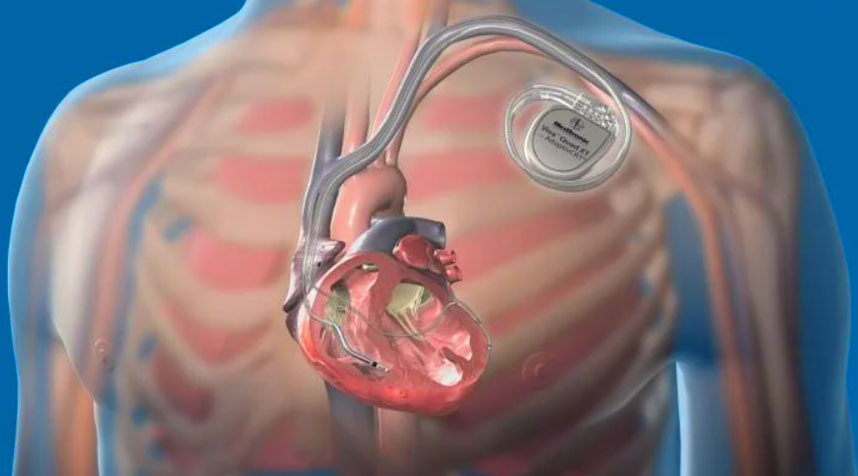
The disorder known as arrhythmia is characterized by abnormally fast, sluggish, or irregular heartbeats. Medicine is usually the initial therapeutic option. A surgeon may implant a pacemaker under the skin of the chest or abdomen, with wires connecting it to the heart chambers if medicine fails. When a sensor identifies an aberrant heart rhythm, the device utilizes electrical pulses to control it. When an ICD detects a worrisome arrhythmia, it delivers an electric shock to restore the normal rhythm.
Cost of ICD in India| City Name | ICD Cost in USD |
|---|---|
| Delhi | $10000 - $12500 |
| Mumbai | $10560 - $12900 |
| Kolkata | $800 - $10500 |
| Hyderabad | $9600 - $11900 |
| Bangalore | $1000 - $13000 |
| Chennai | $9880 - $12450 |
Heart Transplant
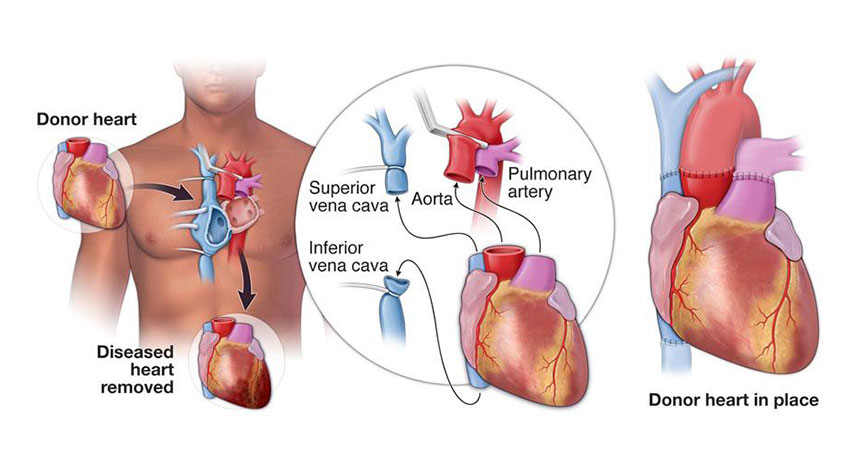
A sick or failing heart is swapped out with a healthier donor heart during a heart transplant. A heart transplant is normally reserved for patients whose condition has not improved enough with medications or other surgeries. Even though a heart transplant is a significant and difficult procedure, your chances of survival are good with the right aftercare.
Cost of Heart Transplant in India| City Name | ICD Cost in USD |
|---|---|
| Delhi | $35000 - $45000 |
| Mumbai | $60000 - $80000 |
| Kolkata | $48500 - $55000 |
| Hyderabad | $57000 - $69000 |
| Bangalore | $60000 - $73000 |
| Chennai | $60000 - $70000 |
Insertion of a ventricular assist device (VAD)/LVAD
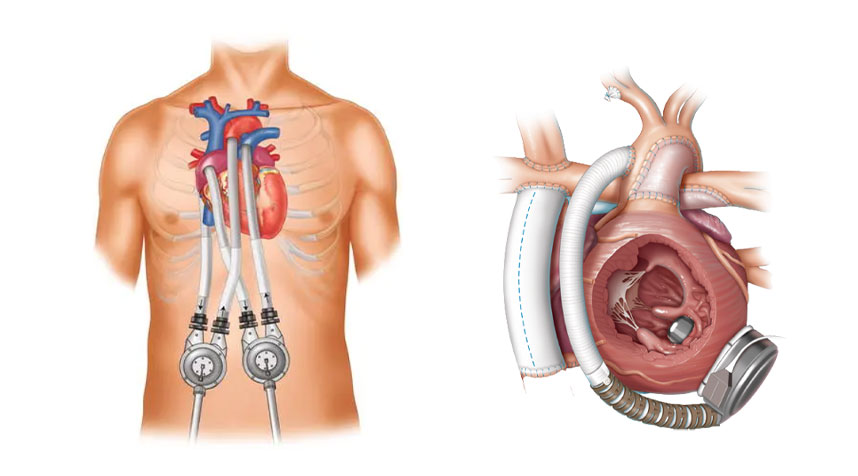
A VAD is a mechanical pump that supports heart function and blood flow. A TAH replaces the two lower chambers of the heart. Your chest is implanted with a left ventricular assist device (LVAD). It helps pump blood from the lower left heart chamber (left ventricle) to the rest of your body. A small aperture (port) in your skin connects a control unit and battery pack, which are carried externally, to the LVAD.
Cost of LVAD in India| City Name | LVAD Cost in USD |
|---|---|
| Delhi | $54000 - $70000 |
| Mumbai | $60000 - $75000 |
| Kolkata | $53000 - $62000 |
| Hyderabad | $58000 - $65000 |
| Bangalore | $60500 - $74000 |
| Chennai | $60000 - $74000 |
The following factors determine the cost of Open Heart Surgery in India-
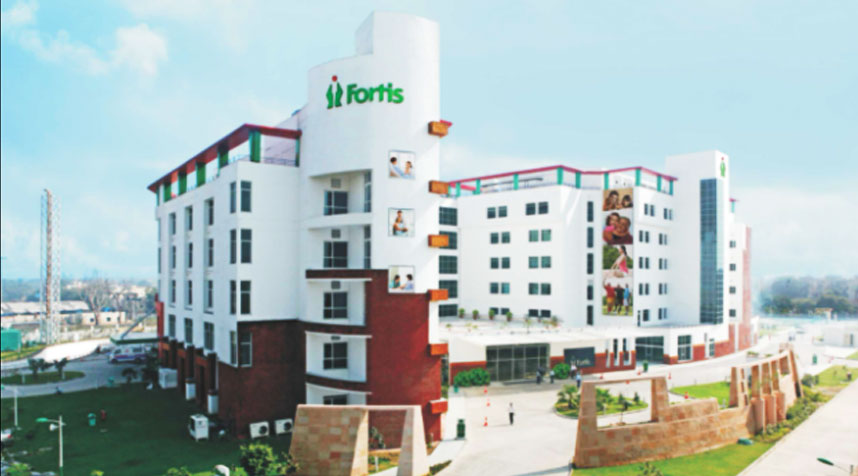
Fortis Hospital is a multispecialty facility that offers a range of modern treatments for patients. It is situated in the vibrant city of Delhi, India, and has set benchmarks for delivering quality medical services to its patients. Fortis Hospital has 262 beds and around 35 specialties including neurosurgery and cardiology. A NABH and NABL-accredited hospital, its medical staff consists of highly trained and skilled doctors and nurses. It uses advanced technologies to address patients’ concerns like a 3D laparoscopic system, flat panel CATH lab, ERCP, and EUS. Fortis Hospital has an International patient team that helps overseas patients with visa, airport transfer, and translation services. The cardiac sciences team at Fortis is capable of performing catheterizations, angioplasty, and stenting.
2. Sri Ramachandra Medical Center, Chennai
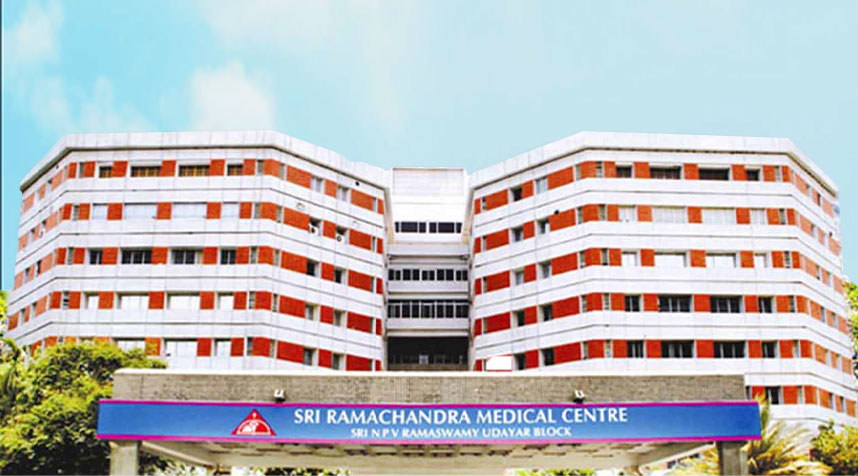
Sri Ramachandra Medical Center has emerged as a leading medical facility in the southern part of India. Though started as a teaching facility, It has evolved into a center for high-quality patient care. Equipped with 800 beds and a blood bank unit, it has the best surgeons, nurses, and physicians on the payroll. Since its inception, Sri Ramachandra Medical Center has been on a quest to attain the highest possible quality of healthcare delivery. It has received several accreditations like NABH, JCI, AABB, and NABL. Sri Ramachandra Medical Center’s cardiac care team is dedicated to improving the management and treatment of various cardiac conditions. It can cater to the heart problems of adults, children, and senior citizens. The cardiac care center has an emergency area, a non-invasive area, and invasive laboratory services.
3. Pushpawati Singhania Research Institute(PSRI), New Delhi
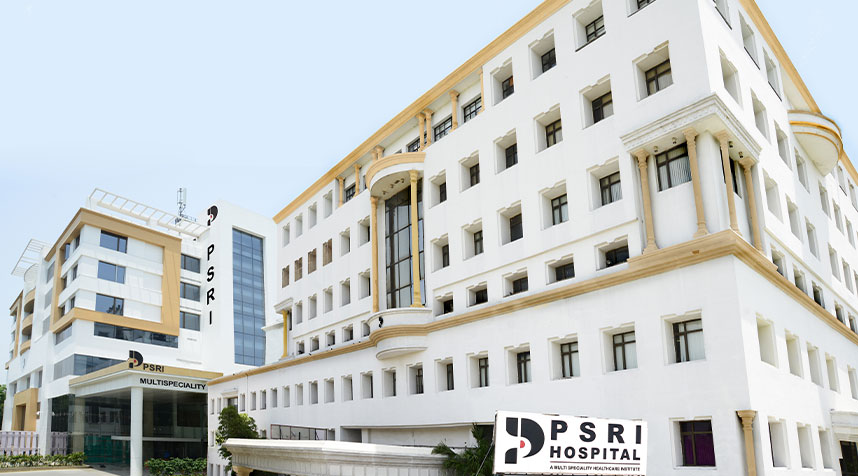
The Pushpawati Singhania research institute in New Delhi is a world-renowned hospital that offers state-of-the-art medical facilities and treatments. The hospital has expertise in multiple specialties and consists of a well-trained medical team. PSRIÂ believes in using a wholesome approach to addressing various diseases. Having received various accreditations like the NABH and NABL, the hospital offers highly-specialized treatments by expert doctors. Its cardiac sciences department is a leading center for treating various heart conditions like heart failure, rheumatic heart disease, angina, and cerebrovascular disease. PSRI also offers a range of services for its International patients like visa, travel, and accommodation assistance.
4. Aakash Healthcare Super Speciality Hospital, New Delhi
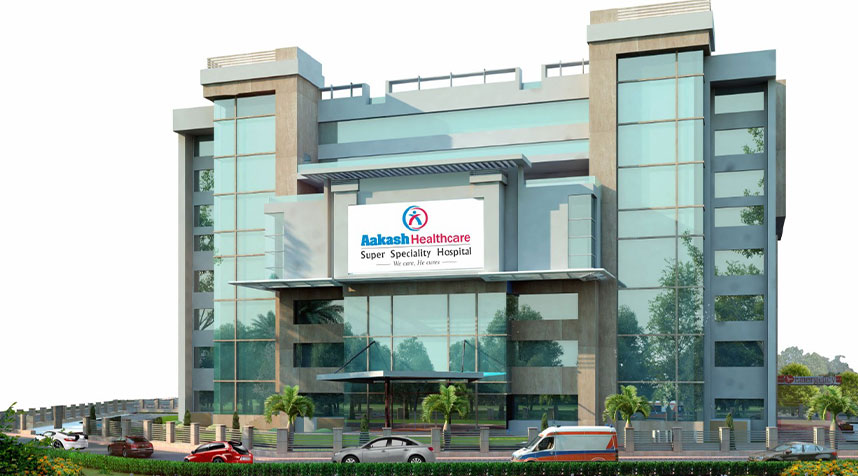
Aakash Healthcare Super Speciality is a leading hospital in New Delhi. It is a NABH and NABL-certified facility with around 230 beds. The hospital has an excellent team of doctors that are highly trained and proficient in managing various illnesses. Aakash Healthcare aims to deliver optimum care for diseases that require well-rounded expertise and proficiency. The cardiology and cardiac surgery department at Aakash Hospital is equipped with the requisite technologies for solving patients’ heart problems. These include diagnostic tests like ECG, EEG, Holter monitoring, carotid ultrasound, and stress test. Aakash Hospital also offers minimally invasive cardiac surgery, coronary artery bypass grafting, and LVAD implantation.
5. Aster Medcity, Kochi
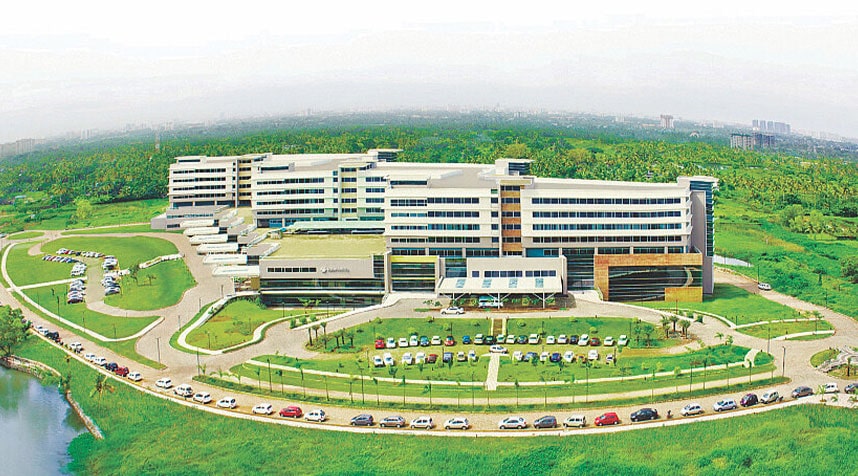
Spread over a sprawling 40-acre campus, Aster Medcity has a world-class medical staff that consists of exceptional and talented healthcare providers. The center offers advanced and latest treatments and diagnostics. These include an automated pharmacy robot, 256-slice Philips ICT, CT scanner, and robotic surgeries for delivering the highest accuracy. Aster Medcity uses a holistic approach to quality treatment and is the first JCI-certified hospital in its state. The cardiac care center offers a range of services including a heart rhythm clinic, interventional cardiac procedures, and implantation of cardiac devices.
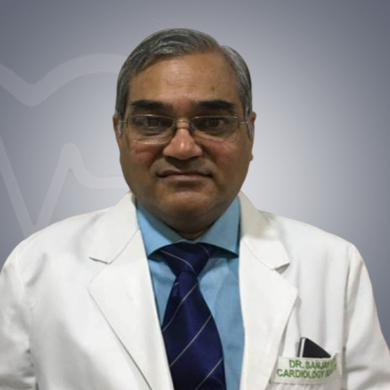
1. Dr. Sanjay Gupta
Designation: Director, Cardiothoracic Vascular Surgery, Fortis Flt. Lt. Rajan Dhall Hospital, Vasant Kunj Experience: 33 years
[doctor-cta id='2640' name='Dr. Sanjay Gupta' image="https://static.medigence.com/uploads/doctor/images/748a6ecbf44aadfb2ed8ab4aca78f6be.jpg" location='New Delhi, India' text='Consult with Dr. Sanjay Gupta' doctor_types='Cardiac Surgeon']
2. Dr. Yugal Kishore Mishra
Designation: Head of Cardiac Sciences and Chief cardiovascular surgeon, Manipal Hospital, Dwarka, Delhi Experience: 40 years
[doctor-cta id='5095' name='Dr. Yugal Kishore Mishra' image="https://static.medigence.com/uploads/doctor/images/1f02c0e511df53a9672e293b628a4b0e.jpg" location='New Delhi, India' text='Consult with Dr. Yugal Kishore Mishra' doctor_types='Cardio Thoracic & Vascular Surgeon']
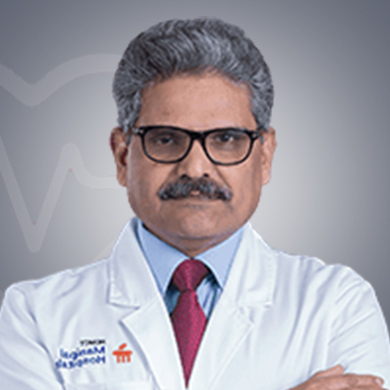
3. Dr. Dinesh Kumar Mittal
Designation: Director, Cardiothoracic Vascular Surgery, Fortis Hospital, Shalimar Bagh, New Delhi, India Experience: 20 years
[doctor-cta id='2671' name='Dr. Dinesh Kumar Mittal' image="https://static.medigence.com/uploads/doctor/images/d973cd5d728153b4156d52e2428d4c6c.jpg" location='New Delhi, India' text='Consult with Dr. Dinesh Kumar Mittal' doctor_types='Cardio Thoracic & Vascular Surgeon']
Designation: Consultant, Cardiac Sciences, Fortis Escorts Heart Institute, Okhla Experience: 31 years
[doctor-cta id='1973' name='Dr. Suman Bhandari' image="https://static.medigence.com/uploads/doctor/images/7332b7c5bef3a32111138cb8e39226e3.jpg" location='New Delhi, India' text='Consult with Dr. Suman Bhandari' doctor_types='Cardiac Surgeon']
Designation: Consultant, Cardiac Sciences, Fortis Escorts Heart Institute, Okhla Experience: 31 years
[doctor-cta id='1973' name='Dr. Gaurav Mahajan' image="https://static.medigence.com/uploads/doctor/images/7332b7c5bef3a32111138cb8e39226e3.jpg" location='New Delhi, India' text='Consult with Dr. Gaurav Mahajan' doctor_types='Cardiac Surgeon']
Open heart surgery is a major surgical operation used to correct heart diseases like coronary artery disease and congenital heart defects. It could also be performed for heart transplantation. Due to the high effectiveness and low cost of open heart surgery in India, the country has become an attractive destination for many patients.
 Traveling abroad for open heart surgery can seem challenging. However, Patients can avail of carefully crafted packages to make the process easy for them. These packages come with various features without any hidden costs. Some of the features of an open heart surgery package in India are:
[card_callback card="packages" procedure_slug="cabg" country_slug="all" limit="3"]
Package for Heart Valve Repair or Replacement
[card_callback card="packages" procedure_slug="double-valve-replacement" country_slug="all" limit="3"]
Open heart surgery is a major operation that requires close monitoring and immediate post-operative support. The first few days will be spent in an intensive care unit. Once your heart rhythm and blood pressure have stabilized and you no longer require intravenous medications, you will be transferred to a regular room. After surgery, you'll most likely spend four to six days in the hospital. Some complex procedures such as pediatric cardiac surgery for cardiac defects, Bentall surgery, Norwood procedure, etc. may require a stay of up to 15 days at the hospital.
Once it's assessed safe, your attending specialist/team will remove the chest drainage tubes and temporary pacing wires in the days following surgery. You'll work with cardiac rehab and potentially physical and occupational therapists to improve your strength and mobility during your stay.
Traveling for your treatment may seem confusing at first. But, by following a few simple steps, you can conveniently travel to India for treatment. Your medical travel journey with MediGence would entail the given steps:
You Should be Allowed to Return Home Once You've Completed the Following Activities:
Following surgery, your doctor will schedule follow-up appointments to check your recovery and may also recommend some routine tests to keep a check on the cardiac status and condition. These tests may include blood work-up, Echo, ECG, and other tests.
We propose that you undergo cardiac rehabilitation as part of your treatment to regain your strength. This medically supervised program provides additional assistance, knowledge, and coaching to help you get back on track.
The recovery from open-heart surgery is always slow but steady. It could take up to six weeks before one begins to feel better, and it could take up to six months for the surgery to fully benefit one. The following activities can help to maintain one's heart healthy:
Closed Heart Surgery: Symptoms, Classification, Diagnosis & Recovery
Heart Port Surgery: Symptoms, Classification, Diagnosis & Recovery
ICD Combo Device (Only Surgery): Symptoms, Classification, Diagnosis &
Heart Double Valve Replacement: Symptoms, Classification, Diagnosis &
Device Closure of ASD (Amplatzer Septal Occluder): Symptoms,
Classification, Diagnosis & Recovery
Device Closure of ASD (Amplatzer Septal Occluder): Symptoms,
Classification, Diagnosis & Recovery
Coronary Artery Bypass Grafting (CABG): Symptoms, Classification,
CABG - Redo: Symptoms, Classification, Diagnosis & Recovery
Some of the steps that you can follow before open heart surgery are:
The cardiologist will analyze certain components of your heart health before deciding your suitability for open heart surgery:
Several factors can affect the cost of your open heart surgery. These include:
You may have to stay in the hospital for about 4-5 days after your open heart surgery. Once discharged, you will require nearly 8 weeks to return to your normal routine.
It is recommended that patients travel via air after 10 days of their open heart surgery. However, each airline has its regulations. You should check with the airline before planning your travel.

Amit Bansal is an entrepreneur, Co-Founder, and CEO of MediGence. He has more than 17 years of strong technology experience. Having worked for some of the recognised companies in India, Australia, and travelled worldwide to help businesses grow multi-fold under his leadership and strategic guidance.

Delhi, India

Istanbul, Turkey

Istanbul, Turkey

Istanbul, Turkey
 Active


