Your Notifications
All done, no notifications

Cost of Mitrofanoff Procedure Worldwide

Costs starts from Get a Quote
Filters

When regular urination is difficult or impossible, the Mitrofanoff procedure provides a reliable, controlled method for emptying the bladder. In order to facilitate easier self-catheterisation and better bladder management, it is frequently advised for individuals with neurogenic bladder, congenital urinary tract anomalies, bladder dysfunction, or urine incontinence.

If you experience bleeding, difficulties catheterising, urine leaks from the stoma, or infection symptoms like fever or abdominal pain, consult a physician. Additionally, if you experience chronic stoma discomfort, swelling, or unusual discharge, consult a physician, as these may indicate conditions requiring immediate attention.

To reduce the risk of infection, it is crucial to empty the intestines as much as possible prior to Mitrofanoff surgery. Usually, preparation entails:
  • Before surgery, patients typically fast and only drink clear liquids.
  • Cleaning your bowels as directed by your doctor
A safer procedure and a quicker recovery are ensured by adhering to these guidelines.

Under general anaesthesia, the Mitrofanoff technique is carried out. The appendix is removed during surgery and attached to a small abdominal orifice (stoma) at one end and the bladder at the other. To prevent urine leakage, a valve is formed at the junction of the ureteral orifice and the bladder. Ureteral stents may be utilised if necessary to guarantee appropriate urine flow from the kidneys, and a temporary catheter may be inserted to drain urine while the bladder recovers. Subsequently, dissolvable sutures are used to close the primary incision.

The average time for a Mitrofanoff procedure is three to six hours, but it can take longer if it is combined with other surgeries, such as bladder augmentation. After the procedure, patients must remain in the hospital for approximately six weeks to allow the channel to heal before resuming regular use.

  • Stoma leakage
  • Mucus buildup in the tunnel
  • Electrolyte imbalance
  • Bladder stones (calculi)
  • Bleeding
  • Infections
  • Intestinal obstruction
  • Need for revision surgery

  • Reduces urinary leakage and incontinence by providing a controlled method for bladder emptying.
  • Easier and more comfortable catheterisation through an abdominal opening instead of the urethra.
  • Improves independence, as many patients can perform self-catheterisation.
  • Suitable for children, including young children who can learn to catheterise themselves.
  • Improved quality of life through better bladder management and continence control.

For a few weeks after surgery, patients may experience blood in the urine (hematuria) and painful bladder spasms. Pain relievers and medications to relax the bladder muscle are often prescribed to manage these symptoms.Around six weeks after the procedure, patients typically visit their healthcare provider to learn self-catheterisation through the stoma, which is essential for long-term bladder management and independence.

When it comes to enhancing bladder management and maintaining continence, the Mitrofanoff procedure has a high overall success rate, typically 70-90%. Although occasional adjustments may be required to resolve stoma or tunnel-related concerns, the majority of patients report improved independence and quality of life.

Would you like some help? We are available.

Get Help
Explore Hospitals ( 80 )
Mitrofanoff Procedure in Kasemrad Ramkhamhaeng Hospital: Costs, Top Doctors, and Reviews

Bangkok, Thailand

  • Joint Commission International, or JCI

Apart from in-detail treatment procedures available, Kasemrad Ramkhamhaeng Hospital located in Bangkok, Thailand has a wide variety of facilities available for International Patients. Some of the facilities which are provided by them are Accommodation, Airport Transfer, Choice of Meals, Interpreter, SIM, TV inside room. Also listed below are some of the most prominent infrastructural details:

  • Initially started with 1.5 acres of land and expanded to 3.5 acres
  • 139 beds, 39 Examination Rooms
  • 13 Specialties Departments/Centers
  • 24*7 Emergency Department
  • Accommodation facilities are available- VIP rooms, Single special room, 6-bed dormitory, baby room
Mitrofanoff Procedure in Liv Hospital Ulus: Costs, Top Doctors, and Reviews

Istanbul, Turkey

4.9 ( 1 Reviews )
  • Joint Commission International, or JCI

Liv Hospital Ulus located in Istanbul, Turkey is accredited by JCI. Also listed below are some of the most prominent infrastructural details:

  • The Istanbul center consists of 154 beds, 8 operating rooms, and 50 clinics
  • Boasts of most experienced and talented Robotic surgeons in the world and is the only hospital in Turkey to receive the Robotic Surgery Center of Excellence certification
  • Highest form and techniques in Radiation Oncology among Hospitals in Turkey
  • Highly advanced Cancer treatment techniques like Immunotherapy, Nuclear Medicine, Robotic Surgery, etc
  • Specialized treatments like Box Technique, Zygomatic Implants
  • IVF Center
  • Hair Transplant Clinic
  • Check Up Center
  • Stem Cell Center
  • Emergency Department
  • Diabetes Polyclinic
  • Pediatric Ear, Nose & Throat Clinic
Mitrofanoff Procedure in Indraprastha Apollo Hospital: Costs, Top Doctors, and Reviews

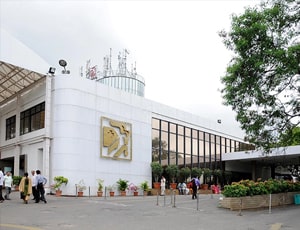
Delhi, India

4.4 ( 5 Reviews )
  • Joint Commission International, or JCI

Indraprastha Apollo Hospital is known for delivering treatment to over 200,000 patients every year; 10,000 of which are generally medical tourists. The efficient team of doctors has the record of 99.6 percent success rate. Indraprastha Apollo Hospital deals in treatment of over 50 specialities.  

Let’s see some of the features of the infrastructure:

  • Spread over 15 acres, the hospital has 710 beds.
  • 6 beds dedicated to bone marrow transplant units with very strict infection control practices.
  • 64-Slice Scan coupled with data acquisition which provides highest temporal resolution
  • One of the hospitals to be using Da Vinci Robotics Surgery System
  • In South Asia, the Spect-CT and Pet-CT got their first installation at Indraprastha Apollo Hospital in India
  • Technologies such as PET- MR, BrainLab Navigation System, PET-CT, Portable CT Scanner, Tilting MRI, NovalisTx, Cobalt based HDR Brachytherapy, Hyperbaric Chamber, DSA Lab, Fibroscan, 3 Tesla MRI, Endosonography, 128 Slice CT scanner are all installed at the hospital.
  • The Cancer Institute at Indraprastha Apollo is equipped with a highly advanced Radiation Oncology Center with ClinaciX, NovalisTx, and HDR-Brachytherapy.
  • It is equipped with the largest Sleep Lab in Asia, & has one of the largest Dialysis Units in India.
  • A large number of ICU beds than any other Private Hospitals in India.
  • WIFI is accessible across the whole campus.
Mitrofanoff Procedure in Apollo Hospitals: Costs, Top Doctors, and Reviews

Hyderabad, India

  • Joint Commission International, or JCI

Apollo Hospitals located in Hyderabad, India is accredited by JCI, NABH. Also listed below are some of the most prominent infrastructural details:

  • A premier multi-specialty hospital with 477-bed capacity
  • More than 50 specialties, super-specialties
  • 12 Centers of Excellence
  • The Institutes for Heart Diseases, Neurosciences, Cancer, Emergency, Orthopaedics, Renal Diseases, and Transplants
  • Centers of Excellence are known for patient care, training and research
  • Doctors with years of truly global experience in healthcare delivery
Mitrofanoff Procedure in Medicana International Istanbul: Costs, Top Doctors, and Reviews

Istanbul, Turkey

  • Joint Commission International, or JCI

Medicana International Istanbul located in Istanbul, Turkey is accredited by ISO, JCI. Also listed below are some of the most prominent infrastructural details:

  • Covers an indoor area of 30.000 m
  • Capacity of 191 beds
  • 34 ICUs
  • 8 NICUs
  • 8 Operation Theatres
  • Inpatient Floors
  • Outpatient Floors
  • Internal and Surgical Intensive Unit Care
  • Cardiovascular Surgery Intensive Care Unit
  • Coronary Intensive Care Unit
  • Neonatal Intensive Care Unit
  • Patient comfort CIP, VIP and Standard Patient Rooms
  • Intensive care patient rooms
  • Technology Advancement- PET-CT, ERCP, BT/MR 1.5 Tesla
Mitrofanoff Procedure in Memorial Antalya Hospital: Costs, Top Doctors, and Reviews

Antalya, Turkey

  • Joint Commission International, or JCI

Memorial Antalya Hospital located in Antalya, Turkey is accredited by JCI. Also listed below are some of the most prominent infrastructural details:

  • 114 patients and 28 intensive care beds
  • 5 Operating theatres
  • Radiology Department with advanced technology
  • Intensive care units
  • Interventional Radiology Unit
  • Chemotherapy and Art Center
  • The Hospital uses advanced technologies like Hydra Facial, Cardiac MR, Heart Tomography-Coronary CT Angiography and many more
  • Patient rooms and living spaces with all the 5-star hotel features
Mitrofanoff Procedure in Rabin Medical Center: Costs, Top Doctors, and Reviews

Petah Tikva, Israel

  • Joint Commission International, or JCI

Rabin Medical Center located in Petah Tikva, Israel is accredited by JCI. Also listed below are some of the most prominent infrastructural details:

  • There are as many as 6 intensive care departments at the center.
  • The hospital has been able to treat and manage complex heart conditions by exceptional cardiologists.
  • The Emergency care services of the hospital have also helped a large number of patients.
  • The Cardiothoracic Center is also worth mentioning for the care it has provided to patients.
  • The hospital is also recognised for its organ transplantation facilities with 70% of organ transplants in Israel done in Beilinson Hospital.
  • Bone Marrow transplants performed at the Davidoff Cancer Research and Treatment Center have been a boon for many patients.
Mitrofanoff Procedure in University Hospital: Costs, Top Doctors, and Reviews

Basel, Switzerland

University Hospital located in Basel, Switzerland is accredited by ISO. Also listed below are some of the most prominent infrastructural details:

  • The bed capacity of the hospital is 670.
  • There are as many as 50 clinics.
  • A 24/7 emergency unit is also present for all kinds of medical emergencies.
  • The hospital has been home to various innovative applications in medicine in addition to the regular advancements in every specialty.
  • There are centers which are committed to providing care in certain specialties such as for heart, strokes, stem cells, tumors, spine centers and lungs.
  • There is an international patient care center which brings respite to medical travellers coming to University Hospital Basel and provides all kinds of assistance to them from travel, transfer arrangements, stay bookings, accommodation, appointments and translators.
Mitrofanoff Procedure in Medical Park Trabzon Star Hospital: Costs, Top Doctors, and Reviews

Trabzon, Turkey

  • Joint Commission International, or JCI

Apart from in-detail treatment procedures available, Medical Park Trabzon Star Hospital located in Trabzon, Turkey has a wide variety of facilities available for International Patients. Some of the facilities which are provided by them are Accommodation, Airport Transfer, Choice of Meals, Interpreter, TV inside room. Also listed below are some of the most prominent infrastructural details:

  • Covers a 12,000 sqm of indoor area
  • 107 beds
  • ICU (17 beds)
  • 12 beds in Neonatal ICU (NICU)
  • 6 Operating rooms
Mitrofanoff Procedure in VM Medical Park Ankara: Costs, Top Doctors, and Reviews

Ankara, Turkey

  • Joint Commission International, or JCI

Apart from in-detail treatment procedures available, VM Medical Park Ankara located in Ankara, Turkey has a wide variety of facilities available for International Patients. Some of the facilities which are provided by them are Accommodation, Airport Transfer, Choice of Meals, Interpreter, TV inside room. Also listed below are some of the most prominent infrastructural details:

  • Covers an area of 22,000 sqm
  • Capacity of 44 beds
  • 6 Operating Rooms
  • 72 Outpatient Clinics
  • Online doctor consultation
  • Medical records transfer
  • Rehabilitation
  • Translation services
  • Interpreter services
  • Airport pickup
  • Hotel booking
  • Free Wi-fi
  • Phone in the room
  • TV in the room
  • Special dietary requests accepted
  • Private rooms for patients available
  • Family accommodation
  • Pharmacy
  • Laundry
  • Mobility accessible rooms

Need Some Advice From Our Experts?

Request a Call Back Now!

Our team of healthcare experts would be happy to assist you

trusted Patientstrusted Patients+99
Trusted by 50000+ Patients
Required | alphabets and spaces
Required | A valid, working email address
Required | A valid contact

Process Involved for Mitrofanoff Procedure

Diagnosis & Pre-Surgical Evaluation

  • Urological evaluation, cystoscopy, imaging (CT/MRI/ultrasound), urine and blood tests
  • Assessment of bladder and kidney function, overall health, and surgical fitness

Pre-Surgery Preparations

  • Medication review, fasting, and bowel preparation if needed
  • Stoma site marking and counselling on catheterisation and stoma care
  • Discussion of surgical approach (open, laparoscopic, or robotic)

Procedure

  • Removal of the appendix (or another suitable conduit)
  • Creation of a catheterizable channel connecting the bladder to an abdominal stoma
  • Formation of a valve at the bladder end to prevent urine leakage
  • Placement of a temporary catheter to allow bladder healing and, if needed, ureteral stents to ensure urine flow

Post-Surgical Recovery

  • Hospital stay with pain management and gradual return to fluids and diet
  • Training in self-catheterisation through the stoma
  • Monitoring for complications such as infections, stoma issues, or bladder spasms

Long-Term Follow-Up

  • Regular visits to monitor kidney function, stoma health, and electrolyte levels (if irrigation is required)
  • Ongoing catheterisation and stoma care guidance
  • Severe bladder dysfunction
  • Neurogenic bladder
  • Congenital urinary tract abnormalities
  • Radiation-damaged bladder
  • Chronic bladder disease
  • Risk of progressive kidney damage
  • Patients with severe bladder dysfunction not manageable with medications or less invasive treatments
  • Individuals with a neurogenic bladder, causing unsafe urine storage, infections, or kidney damage
  • Patients with congenital urinary tract abnormalities affecting normal urine flow
  • Individuals with a radiation-damaged bladder leading to poor capacity or incontinence
  • Patients with chronic bladder disease for whom other treatments have failed
  • Individuals at risk of kidney damage due to impaired urine drainage
  • Patients medically fit for surgery who can perform or receive long-term catheterisation through the stoma
  • Bladder augmentation (cystoplasty)
  • Appendectomy or use of other conduits
  • Ureteral reimplantation
  • Stoma creation
  • Temporary catheter or suprapubic tube placement
  • Correction of urethral or bladder anomalies
  • Reliable bladder emptying via a stoma that can be catheterised
  • Decreased leaking and incontinence of the urine
  • Easier self-catheterisation leads to increased independence and quality of life.
  • Improved kidney function protection through safe urine drainage
  • Long-term efficacy when catheterisation and stoma care are appropriately maintained
  • Ability for children and adults to manage bladder emptying independently or with minimal assistance
  • Fill out the inquiry form: Fill out the form to provide us with the relevant information about your condition.
  • Consult with Our Healthcare Expert:One of our qualified specialists will contact you for a consultation
  • Receive a Detailed Treatment Plan:After examining your situation, we will provide you with a detailed treatment plan that includes expert views and cost breakdowns for various choices.
  • Choose your preferred option: Choose the treatment option that suits you the best.

Instantly Connect with our Mitrofanoff Procedure Specialists

Doctor 1
Doctor 2
Doctor 3
Doctor 4
Doctor 5
Doctor 6
Doctor 7
Doctor 8
Our Services to Better your Experience

Opinion & Option

We submit the most accurate opinion and options from one or more countries for your review

Consult Privately

Consult with a certified specialist privately on our telemedicine platform even before you decide to travel

Logistics

We handle flights, visas, transfers, and accommodation—so you can focus on your health.

Recovery

Our In-house rehabilitation service packages to better your recovery and treatment outcome

Frequently Asked Questions

Initial recovery usually takes 4-6 weeks, during which patients gradually regain strength and learn self-catheterisation. Full adaptation and independence in stoma care may require additional time, depending on the patient’s age and health status.

In addition to the procedure cost, patients may incur:
  • Pre-treatment tests
  • Medications during recovery
  • Follow-up consultations
  • Patients typically stay in the hospital for 5-10 days, depending on recovery, absence of complications, and readiness to begin stoma care and catheterisation.

    Long-term care includes regular self-catheterisation, stoma care, monitoring for infections, periodic check-ups for kidney function, and management of potential stoma complications. Some patients may also require occasional revisions over time.

    Patients choose All for Mitrofanoff surgery due to experienced urologists, advanced surgical technology, comprehensive post-operative care, cost-effectiveness, and support for international patients. The procedure can greatly improve continence and independence.

    Pre-treatment tests typically include urological evaluation, cystoscopy, imaging (CT/MRI/ultrasound), urine and blood tests, kidney function assessment, and overall surgical fitness evaluation.

    Yes, the Mitrofanoff procedure in All is considered safe for international patients. Hospitals adhere to international safety standards and provide dedicated international patient support services for coordination, accommodation, and post-treatment follow-up.

    Yes, the Mitrofanoff procedure in All is considered safe for international patients. Hospitals adhere to international safety standards and provide dedicated international patient support services for coordination, accommodation, and post-treatment follow-up.

    Author

    Dr. Vishwas Kaushik

    MBBS, MD

    5 Years of Experience

    Dr. Vishwas Kaushik is a qualified medical professional holding an MBBS from the prestigious Belgorod State University, Russia, with a strong foundation in clinical medicine and healthcare practice. His comprehensive medical training has equipped him with a profound understanding of evidence-based clinical practices, patient-centered care, and the evolving landscape of modern medicine. With a keen interest in medical research and scientific communication, he consistently translates complex clinical concepts into clear, accurate, and accessible content for diverse audiences. His work reflects a deep commitment to advancing medical knowledge, delivering impactful healthcare insights, and bridging the gap between clinical expertise and accessible medical communication.. View More