Your Notifications
All done, no notifications

Plasmapheresis Cost in Turkey

USD 1200 - USD 2500

Affordable World-class Treatment - Accredited Hospitals - Free Treatment Plan in 24 Hrs

1
Days in Hospital
4
Post-Hospital
80 - 95%
Success Rate
Plasmapheresis
JCI/ISO 100,000+ Patients 24X7 Coordinator Visa & Travel handled
Your all-in-one medical travel platform for treatment, recovery & care.

Get Your Personalised Treatment Plan in Just 24 Hours.

Share your details to receive a personalised treatment plan, estimated costs, hospital recommendations, and expert guidance, “completely free.”

Required | alphabets and spaces
Required | A valid, working email address
Required | A valid contact
Connect with an Expert

Your information is protected with HIPAA-compliant security standards. We only share your details with hospitals after your consent.

Estimated Treatment Cost
USD 1200 - USD 2500
All-inclusive • Hospital + Medications + Recovery Assistance + Dedicated Care Coordinator

International Quality. Affordable Care.

What's included in your Plasmapheresis quote?

Plasmapheresis treatment
Specialist fee, equipment, and consumables
Specialist consultations
Pre-treatment evaluation, treatment, and follow-up
Key: Day-care or 1-day hospital stay
Procedure, monitoring, and recovery observation
3–5-day in-country follow-up
Value: Blood tests, recovery assessment
Visa & medical-visa invite letter
Airport pickup & transfers

Cost of Plasmapheresis in Major Cities of Turkey

City Cost (USD)
Ankara $1,200 – $2,500 Explore More
Istanbul $1,200 – $2,500 Explore More

Plasmapheresis - Turkey Vs the World

$0 - $0
$500 - $2k
$500 - $1k
$600 - $2k
$600 - $2k
$800 - $2k
$1k - $2k
$2k - $3k
$2k - $8k
$2k - $118k
Dr. Vihan Gautam
Author

BPT, MS in Healthcare Mgmt

4 Years of Experience

Last Reviewed - June 2026

Dr. Vihan Gautam is a distinguished Rehabilitation Specialist and Healthcare Management Professional, holding a Bachelor of Physiotherapy (BPT) from Rajiv Gandhi University of Health Sciences and a Master of Science in Healthcare Management (MSc) from the prestigious University of London, United Kingdom. With specialized clinical experience and his advanced medical knowledge in neuro-rehabilitation, musculoskeletal disorders, and evidence-based physiotherapy practices, enables him to develop patient-centered rehabilitation protocols and AI-driven care models that deliver measurable functional recovery outcomes. His diverse contributions across international rehabilitation programs, multidisciplinary care, and AI-driven healthcare initiatives uniquely position him as an emerging leader in neuro-rehabilitative care globally.
View More
Dr. Akash Khandelwal
Reviewer

Hematologist

9 Years of Experience

Last Reviewed - June 2026

Dr. Akash Khandelwal is a distinguished Hematologist, Hemato-oncologist, and Bone Marrow Transplant (BMT) Physician with extensive training from the prestigious AIIMS New Delhi. His expertise encompasses a wide range of specialized techniques in bone marrow transplantation, including autologous and allogeneic transplants such as matched sibling donors, matched unrelated donors (MUD), and haploidentical donor transplants. Dr. Khandelwal has personally supervised and conducted over 100 bone marrow transplants.
View More

Need Help Choosing the Right Treatment? Talk to a Medical Advisor

Our dedicated Medical Patient Advisors are here to answer your questions, help you compare treatment options, estimate costs, and guide you through every step of your healthcare journey.

15 min
Average response time

Serving Patients Worldwide in Multiple Languages.

Plasmapheresis is a medical procedure used to extract plasma from blood. It is often performed to obtain donor plasma from healthy individuals, which is used by healthcare providers in the treatment of specific medical conditions.

Various conditions require plasmapheresis. These conditions are

  • Hemolytic uremic syndrome,
  • Fulminant Wilson disease,
  • Autoimmune diseases,
  • Pancreatitis,
  • Thrombocytopenic purpura,
  • Hyperviscosity syndrome.

The efficacy and relief are determined by the condition's severity. In certain circumstances, patients find alleviation within 1-2 days of the surgery. In other circumstances, it may take many weeks before the patient's symptoms improve. In most circumstances, the patient requires a repeat of the surgery. The patients may also face certain negative effects. These symptoms include impaired vision, exhaustion, fainting, cramping, and cold. Some individuals are at higher risk of blood clotting, infection, and allergic responses. Plasmapheresis may not be recommended to patients who have hypocalcemia, are allergic to heparin, or are hemodynamically unstable.

Is it a painful Process?

Plasma exchange isn't painful, though you may experience discomfort during the insertion of intravenous lines in your arms. Some individuals may also notice mild sensations of numbness or tingling, nausea, lightheadedness, or a sensation of coldness during the procedure.

Types:

There are generally 3 types of plasmapheresis that can be distinguished:

Autologous therapy: it involves extracting a patient's blood plasma, treating it, and then reintroducing it into the same person.

In plasma exchange therapy (PE, PLEX, or PEX), a patient's plasma is removed and replaced with donor plasma, albumin, or a combination of albumin and saline. The discarded plasma is replenished with these chemicals.

Donation involves extracting a patient's blood plasma, separating its components, reintroducing some back into the patient, and donating the remainder as blood products for others in need.

Plasmapheresis is used to treat autoimmune illnesses and ailments that require the removal of harmful substances like antibodies from the blood plasma. Guillain-Barré syndrome, myasthenia gravis, lupus, and several kidney ailments are among the conditions for which it is frequently used.

See a doctor if you experience inexplicable numbness or weakness in your muscles or have trouble speaking or breathing. These might indicate a severe neurological or autoimmune disease.

In preparation for plasmapheresis, your physician might do blood tests, go over your medical history, and if your veins are difficult to reach, place a central line. You might be instructed to stay hydrated and to refrain from taking specific drugs.

A needle or catheter is used to remove blood from your body during plasmapheresis. The blood cells are combined with a substitute fluid and sent back into your body after a machine separates the plasma from them. The procedure may need several sessions and typically takes two to four hours.

Plasmapheresis usually takes about 2 to 4 hours per session.

  • Infection at the needle insertion site
  • Allergic reactions to the fluid replacement
  • Fatigue or dizziness
  • Numbness or tingling

  • Helps remove toxins and harmful substances from the body
  • Provide relief from symptoms of autoimmune diseases

For plasmapheresis, post-operative recovery includes relaxing, drinking plenty of water, and keeping an eye out for adverse symptoms like dizziness or bruises. Most patients can return to normal activities after a brief rest period.

The success rate of plasmapheresis varies by condition, with neurological disorders.

Explore Hospitals ( 2 )

Ankara, Turkey

JCI

Get Your Plasmapheresis
Plan in 24 hrs.

Our experienced Medical Patient Advisors have supported 100,000+ patients across 120+ countries with personalised treatment plans, hospital recommendations, cost estimates, and travel assistance, all free.

HIPAA-Compliant Data SecurityShared Only with Your Consent

Free Consultation No Obligation Personalized Treatment Plan Response Within 24 Hours

Required | alphabets and spaces
Required | A valid, working email address
Required | A valid contact

Your medical info has is HIPAA-style confidential. We never share with hospitals without your consent.

Jenny Wilson
Your Dedicated Medical Patient Advisor
Treatment planning • Hospital coordination • Multilingual support • Response within 15 minutes.
Our Services to Better your Experience

Opinion & Option

We submit the most accurate opinion and options from one or more countries for your review

Consult Privately

Consult with a certified specialist privately on our telemedicine platform even before you decide to travel

Logistics

We handle flights, visas, transfers, and accommodation—so you can focus on your health.

Recovery

Our In-house rehabilitation service packages to better your recovery and treatment outcome

Patient Stories

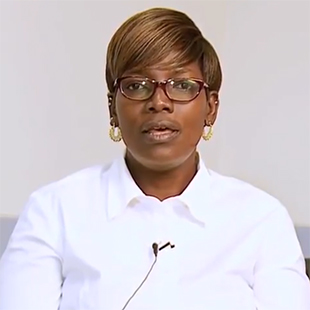
Marsha Akatu, Bone marrow transplant
Marsha Akatu
Marsha Akatu:Bone marrow transplant

Marsha Akatu from Kenya was suffering from Sickle Cell Anaemia. She got her treatment done at Medanta Hospital, Gurgaon, India.

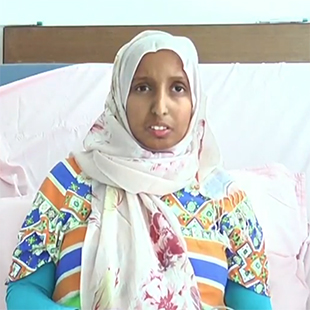
Bushra Masoud
Bushra Masoud
Bushra Masoud:Brain Tumor Treatment

Patient Testimonial: Bushra Masoud for Brain Marrow Treatment from Apollo Hospitals

Conditions treated by Plasmapheresis

Frequently Asked Questions

The cost of Plasmapheresis in Turkey may differ from one medical facility to the other. The cost quoted by some of the best hospitals for Plasmapheresis in Turkey generally covers the pre-surgery investigations of the patient. The Plasmapheresis procedure in Turkey includes the fees of the surgeon, hospitalization and anesthesia as well. There are many things that may increase the cost of Plasmapheresis in Turkey, including prolonged hospital stay and complications after the procedure.

There are many hospitals across the country that offer Plasmapheresis to international patients. Some of the most renowned hospitals for Plasmapheresis in Turkey include the following:

  1. Medical Park Gaziosmanpasa Hospital

While the speed of recovery may vary from patient to patient, they are still required to stay for about 5 days after discharge. This period is important to conduct all the follow-up tests to ensure that the surgery was successful and the patient can go back to the home country.

Turkey is undoubtedly one of the best countries for Plasmapheresis in the world. It offers the best medical expertise and good patient experience at an affordable cost. Some of the other popular destinations for Plasmapheresis include the following:

CountryCost
IndiaUSD 800

Apart from the Plasmapheresis cost, there are a few other daily charges that the patient may have to pay. These are the charges for daily meals and accommodation outside the hospital. The extra charges may start from USD 50 per person.

Some of the best cities in Turkey which offer Plasmapheresis are:

  1. Istanbul
  2. Antalya
  3. Ankara
  4. Fethiye

There are many Plasmapheresis surgeons who offer video telemedicine consultation to patients who need this treatment. Some of them include the following:

DoctorCostSchedule Your Appointment
Dr. Erdal KaraozUSD 160Schedule Now
Dr. Havva EvrengulUSD 130Schedule Now
Dr. Yasemin Altuner TorunUSD 130Schedule Now
Dr. Ozan OzkayaUSD 130Schedule Now
Dr. Makbule ErenUSD 130Schedule Now
Dr. Ayhan DinckanUSD 130Schedule Now

After Plasmapheresis, the patient is supposed to stay for about 1 day in the hospital for recovery and monitoring. The patient is subjected to several biochemistry and radiological scans to see that everything is okay and the recovery is on track. After making sure that patient is clinically stable, discharge is planned.

The average rating for Plasmapheresis hospitals in Turkey is 3.6. This rating is automatically calculated on the basis of several parameters such as the infrastructure of the hospital, quality of services, nursing support and other services.

There are more than 1 hospitals that offer Plasmapheresis in Turkey. Such clinics have the required infrastructure and a dedicated unit where patients can be treated. Also, these hospitals follow the necessary guidelines as required by the medical associations for the treatment of Plasmapheresis patients.

FAQ's Related to Turkey

Turkey has been globally recognized as a therapeutic center, where patients get world-class treatments at reasonable costs. Turkey boasts of having some of the best multispecialty hospitals supported by highly trained and experienced doctors, world-class facilities, and advanced technology. Hospitals strictly follow the policies set by the government and accreditation bodies to cater to desired needs of patients and to set quality benchmarks in the healthcare industry. The best multispecialty hospitals in Turkey are:

  1. Emsey Hospital, Pendik,
  2. Kolan International Hospital, Istanbul,
  3. Acibadem Hospitals Group
  4. American Hospital, Istanbul,
  5. Florence Nightingale Hospital, İstanbul,
  6. Medipol University Hospital, İstanbul,
  7. Anadolu Medical Center, Kocaeli,
  8. Smile Hair Clinic, Istanbul.

Hospitals in Turkey adhere to the quality standards set by Joint Commission International (JCI), a major healthcare accrediting body in the country. All the accredited hospitals in Turkey make sure they meet the international healthcare quality standards. The standards act as a framework for hospitals to meet international healthcare standards and focus on the quality of care and patient safety. The standards require regular monitoring of critical events related to treatments and offer a comprehensive corrective action plan for ensuring quality culture at all levels.

Turkey is one of most preferred destinations for seeking treatment due a number of factors, such as excellent healthcare infrastructure, best doctors, use of advanced medical technology, and affordable cost. Some other reasons for the popularity of medical tourism in Turkey are cheap medicines, low consultation fee, low-cost medical treatments, and affordable accommodations. Hospitals and healthcare centers in Turkey provide premium, Western-standardized care to their patients. Doctors in Turkey are well-qualified and many of them are trained in America and Europe who prefer to practice in Turkey.

Turkey has world-class doctors who are highly trained to handle all kinds of cases. They have also been educated at premier educational institutions in the world. Doctors in Turkey have deep subject knowledge and their skill set and area of expertise are vast. Board-certified doctors deliver high-quality care to their patients and have the ability to practice at the top of their profession.

You need to carry documents like medical History, test reports, records, doctor referral notes, passport copies, residence/ driver’s license/ bank statement/ details of Health insurance. Packing is important when it comes traveling to another country for medical treatment.Packing is important when it comes traveling to another country for medical treatment. Don't forget to make a list of all the essential things you might need during your stay in Turkey. The required documents may vary as per your destination, so please check before traveling.

The most popular procedures available in Turkey are

  1. Ophthalmic surgery,
  2. Dental treatments,
  3. Plastic surgery,
  4. Hair transplant,
  5. IVF,
  6. Hematological oncology,
  7. Stem cell transplantation,
  8. Dermatological treatment,
  9. Bariatric surgery,
  10. Kidney transplant.

The reasons for the popularity of these procedures in Turkey are affordable cost and a high success rate. Besides offering popular procedures, hospitals in Turkey provide the best possible treatments in almost every therapeutic area. Turkey’s advanced medical technology available at lower costs has made the country the best destination for popular procedures all across the world.

Most medical tourists choose cities like Ankara, Istanbul, and Antalya which also are some of Turkey’s most famous tourist destinations. These cities offers world-class services to global medical tourists who visit the country. Turkey with a number of world-class cities attracts almost one million medical tourists every year due to several reasons like world-class infrastructure, transportation facilities, availability of medical visas, and a wide range of food options. One of the global destinations for medical tourism, Turkey has many cities full of history and mesmerizing sandy beaches.

Hospitals in Turkey offer all modern facilities to patients to ensure that get the treatment in a confortable environment. Facilities that are available at hospitals in Turkey include visa assistance, travel arrangements, airport transfers, coordination of all medical appointments, accommodations for patients and companions, international staff translators, shopping and recreational options, Internet with wi-fi, mobile sim cards, lockers, and multiple food options. Hospitals provide assistance to their patients at every step of their journey, right from initial queries, preparations for their travel, arrival, visit of the hospital, and follow-up care.

Turkey has a large number of network hospitals which accept health insurance. You need to intimate your hospital in case you have any health insurance plan that is internationally valid. Contact your insurance company in your country to check whether the procedure you want to avail is covered at the hospital in Turkey. If it is an approved insurance provider, the hospital will request the Guarantee of Payment from the insurance directly to commence your treatment cashless.

Not Sure About Your Treatment Plan? Get a Free Second Opinion

Have your reports reviewed by independent oncology experts to help you make a confident treatment decision, all online within 48 hours.

Upload Your Reports
Free second opinion on your CAR-T plan

Get Insight with our Blogs

Richard’s Road to Renewal: Overcoming Heavy Metal Toxicity with Plasmapheresis in Turkey
Patient Stories

Richard’s Road to Renewal: Overcoming Heavy Metal Toxicity with Plasmapheresis in Turkey

Richard, a 45-year-old professional from the United Kingdom, had been dealing with a persistent and concerning health issue, an excessive buildup of heavy metals in his bloodstream.

Published: 17 Nov, 2025
Updated: 17 Nov, 2025