Your Notifications
All done, no notifications

Hand Transplant Cost in Turkey

USD 40 - USD 250000

Affordable World-class Treatment - Accredited Hospitals - Free Treatment Plan in 24 Hrs

2
Days in Hospital
12-18 hrs
Procedure Time
85-90%
Success Rate
JCI/ISO 100,000+ Patients 24X7 Coordinator Visa & Travel handled
Your all-in-one medical travel platform for treatment, recovery & care.

Get Your Personalised Treatment Plan in Just 24 Hours.

Share your details to receive a personalised treatment plan, estimated costs, hospital recommendations, and expert guidance, “completely free.”

Required | alphabets and spaces
Required | A valid, working email address
Required | A valid contact
Connect with an Expert

Your information is protected with HIPAA-compliant security standards. We only share your details with hospitals after your consent.

Estimated Treatment Cost
USD 40 - USD 250000
All-inclusive • Hospital + Medications + Recovery Assistance + Dedicated Care Coordinator

International Quality. Affordable Care.

How Much Does Hand Transplant Cost in Turkey?

A hand transplant in Turkey will generally cost between USD 53000, based on the patient's health, the hospital's location, and the surgery's complexity.

The surgical operation, follow-up care, immunosuppression medication, and rehabilitation are all generally covered in this cost.

Factors Influencing the Cost of Hand Transplants

In Turkey, various considerations influence the cost of a hand transplant:

  • Hospital and Location: One of the most significant cost determinants is the location of the hospital (metropolitan locations are usually more costly).
  • Complexity of the Surgery: The overall expense of a hand transplant can change based on how complex it is, whether it is a single or double hand transplant.
  • Surgeon Expertise: Even though expert and specialised surgeons usually are more expensive, their expertise can raise the chances of a successful transplant.
  • Post-Surgery Rehabilitation and Care: Physiotherapy, post-surgery care, and rehabilitation sessions are a significant part of the overall cost.
  • Follow-up Consultations: The overall cost is also influenced by the cost of additional treatments and follow-up consultations during the recuperation period.

What's included in your Hand Transplant quote?

Comprehensive pre-transplant evaluation
Blood tests, tissue typing, imaging, donor matching, psychological and functional assessment
Multidisciplinary Transplant Team
Microsurgical transplantation of the donor hand with bone, tendons, nerves, blood vessels, muscles, and skin
Hospital stay + ICU as needed
ICU monitoring followed by inpatient rehabilitation and wound care
Country stay monitoring
Intensive hand therapy, occupational therapy, splinting, and functional training
Visa & medical-visa invite letter
Airport pickup & transfers

Cost of Hand Transplant in Major Cities of Turkey

CityCost (USD)
Ankara $53,000 Explore More
Antalya $53,000 Explore More
Istanbul $53,000 Explore More
Kocaeli $53,000 Explore More

Hand Transplant - Turkey Vs the World

$18k - $30k
$25k - $50k
$50k - $100k
$53k - $70k
$53k - $0
$70k - $100k
$300k - $500k
$500k - $0
Fauzia Zeb Fatima
Author

M.Pharm

4 Years of Experience

Fauzia Zeb is a distinguished medical and scientific content writer with a robust academic foundation in pharmaceutical sciences, holding a B.Pharm and M.Pharm degree from prestigious institutions, including MIT and Jamia Hamdard University. Her comprehensive expertise in pharmacology, clinical sciences, and biomedical research enables her to translate complex medical and scientific concepts into precise, evidence-based content tailored for diverse audiences. Specializing in peer-reviewed articles, clinical blog posts, and research-driven publications, she demonstrates a consistent ability to bridge the gap between advanced medical science and accessible, audience-specific communication.
View More
Dr. Akash Khandelwal
Reviewer

Hematologist

9 Years of Experience

Last Reviewed - June 2026

Dr. Akash Khandelwal is a distinguished Hematologist, Hemato-oncologist, and Bone Marrow Transplant (BMT) Physician with extensive training from the prestigious AIIMS New Delhi. His expertise encompasses a wide range of specialized techniques in bone marrow transplantation, including autologous and allogeneic transplants such as matched sibling donors, matched unrelated donors (MUD), and haploidentical donor transplants. Dr. Khandelwal has personally supervised and conducted over 100 bone marrow transplants.
View More

Need Help Choosing the Right Treatment? Talk to a Medical Advisor

Our dedicated Medical Patient Advisors are here to answer your questions, help you compare treatment options, estimate costs, and guide you through every step of your healthcare journey.

15 min
Average response time

Serving Patients Worldwide in Multiple Languages.

The surgical procedure of transplanting your hand or part of your upper limb with that of a donor's hand is referred to as a hand transplant (hand transplantation). If you lost one or both of your hands or part of your upper extremity, you may be contemplating a hand/upper extremity transplant.

In the medical field, hand transplants are a new and controversial surgery. This is because this procedure has a lot of risks. Transplants of vital organs, like the kidney or liver, can also enable you to live longer and have a better survival rate. You do not require your hands to live. A hand transplant, however, will allow you to live a good life.

A hand transplant helps people who have lost one or both hands due to disease or trauma regain function, sensibility, and appearance. It greatly enhances the quality of life by making it possible to carry out daily duties. To guarantee the greatest functional and attractive result, donor matching is meticulously based on blood type, tissue compatibility, skin colour, age, sex, hand size, and muscle bulk.

Consult a doctor if you have lost hand function due to injury, amputation, or congenital issues, and are considering hand transplantation as a treatment option. A specialized transplant team can evaluate your suitability for the procedure.

A comprehensive medical and psychological evaluation, including imaging, blood testing, and physical examinations, is part of the preparation process for a hand transplant. If accepted, you will be put on a donor waiting list after meeting with a transplant specialist to determine your suitability. To lower risks and enhance results, you need to stick to certain guidelines before surgery, such as stopping smoking, modifying medication, controlling medical problems, and going to physical therapy.

  • Anaesthesia: To keep you pain-free and sleeping, you are put under general anaesthesia.
  • Preparation: The surgeon prepares the donor hand and your arm for connection.
  • Bone Connection: Plates and screws are used to align and secure the recipient's and donor's bones.
  • Soft Tissue Connection: Nerves, blood vessels, muscles, and tendons are intricately linked.
  • Skin Closure: The skin is sutured to finish the transplant and seal the wounds.

The completion of a hand transplant may take up to 24 hours, and occasionally longer.

Rejection, in which the body fights the donor hand, is the primary risk associated with hand transplantation. Bleeding, infection, blood clots, and perhaps losing the transplanted hand are among the risks associated with surgery. Skin colour mismatch, skin cancer, post-transplant lymphoproliferative disease, and psychological rejection are possible additional challenges.

A hand transplant can greatly enhance self-esteem and body image and restore hand function, mobility, and sensation. Many people find that improving their emotional health and quality of life outweighs the risks.

To prevent rejection, recovery involves a hospital stay, rigorous physical therapy, ongoing monitoring, and lifelong immunosuppressive medication. Consistent follow-up care and emotional support are also crucial.

Although success varies, many individuals regain partial to considerable hand function with the right care. Results vary depending on age, health, immunological response, and medication adherence, but most significantly increase quality of life.

85-90%

1-year graft survival rate in carefully selected patients receiving appropriate immunosuppression

2-4 weeks

in hospital post-infusion

6-12 Months

Intensive rehabilitation to regain movement, strength, and functional use of the transplanted hand
Explore Hospitals ( 31 )

Ankara, Turkey

230+ Beds · 224+ Procedures
JCI

Istanbul, Turkey

441+ Beds · 296+ Procedures
JCI
Starting
USD 18000

Istanbul, Turkey

804+ Beds · 209+ Procedures
JCI
Starting
USD 150

Antalya, Turkey

114+ Beds · 239+ Procedures
Starting
USD 60000

Istanbul, Turkey

197+ Beds · 171+ Procedures
ISO JCI
Starting
USD 18000

Istanbul, Turkey

4.9 - 1 review · 154+ Beds · 271+ Procedures
JCI
Starting
USD 18000

Ankara, Turkey

215+ Beds · 233+ Procedures
JCI
Starting
USD 40000

Istanbul, Turkey

186+ Beds · 237+ Procedures
JCI
Starting
USD 80000

Antalya, Turkey

114+ Beds · 222+ Procedures
JCI

Antalya, Turkey

228+ Beds · 154+ Procedures
JCI

Get Your Hand Transplant
Plan in 24 hrs.

Our experienced Medical Patient Advisors have supported 100,000+ patients across 120+ countries with personalised treatment plans, hospital recommendations, cost estimates, and travel assistance, all free.

HIPAA-Compliant Data SecurityShared Only with Your Consent

Free Consultation No Obligation Personalized Treatment Plan Response Within 24 Hours

Required | alphabets and spaces
Required | A valid, working email address
Required | A valid contact

Your medical info is kept HIPAA-style confidential. We never share with hospitals without your consent.

Process Involved for Hand Transplant in Turkey

The treatment process for a hand transplant typically involves several stages, each requiring careful planning and coordination. Here's an overview:

  • Evaluation and Preparation: A thorough medical and psychological evaluation is conducted to determine if the patient is a suitable candidate. Matching with a donor is based on factors like blood type, tissue type, skin color, and hand size.
  • Preoperative Phase: The patient undergoes preparatory procedures, including immunosuppressive therapy to prevent rejection of the donor hand.
  • Surgery: The transplant surgery is a complex procedure that can take 18 to 24 hours. It involves connecting bones, blood vessels, nerves, tendons, and muscles of the donor hand to the recipient
  • Postoperative Care: Close monitoring for signs of rejection or complications is essential. Immunosuppressive medications are administered to prevent the immune system from attacking the transplanted hand.
  • Rehabilitation: Intensive physical therapy is required to regain function and sensation in the transplanted hand. Psychological support is often provided to help the patient adjust to the new hand.
  • Long-term Follow-up: Regular check-ups are necessary to monitor the health of the transplanted hand and manage any side effects of immunosuppressive therapy.
  • Trauma or Injury
  • Congenital Abnormalities
  • Infections or Illnesses
  • Cancer or Tumors
  • Failed Prosthetics

Eligibility for hand transplant surgery relies on multiple factors, including the patient's health, psychological preparedness, and donor compatibility:

  • Amputation Level: Patients who have lost one or both hands at or below the elbow are typically eligible.
  • Good Overall Health: Candidates should not have severe medical conditions such as uncontrolled diabetes, infections, or heart disease.
  • Psychological Readiness: A psychological evaluation is essential to ensure the patient is mentally prepared for surgery, rehabilitation, and lifelong immunosuppressive medication.
  • Donor Compatibility: A suitable donor is required, taking into account factors like blood type, tissue type, hand size, and skin tone.
  • Commitment to Rehabilitation: Candidates must be dedicated to undergoing extensive physical therapy and following post-surgical care guidelines.

A hand transplant offers numerous benefits, especially for individuals who have lost one or both hands due to injury, illness, or other conditions. Key advantages include:

  • Restoration of Functionality: Transplanted hands provide improved grip strength, mobility, and dexterity, enabling patients to perform everyday tasks like eating, writing, and dressing.
  • Enhanced Sensation: As nerves regenerate, patients may regain the ability to feel textures, temperatures, and pressure, enhancing tactile feedback in the transplanted hand.
  • Improved Quality of Life: By restoring hand function, transplants significantly enhance independence and emotional well-being, reducing reliance on prosthetics or assistance.
  • Aesthetic Restoration: Transplanted hands appear more natural compared to prosthetics, helping patients feel a sense of normalcy and boost self-confidence.
  • Psychological Benefits: Having a natural-looking hand can positively impact mental health by helping patients overcome trauma and rebuild self-esteem.
  • Personal Interaction: Functional hands improve social interactions, allowing for gestures, handshakes, or simply holding a loved one's hand.
  • Plastic and Reconstructive Surgeons:
  • Orthopedic Surgeons:
  • Fill out the inquiry form: Fill out the form to provide us with the relevant information about your condition.
  • Consult with Our Healthcare Expert: One of our qualified specialists will contact you for a consultation.
  • Receive a Detailed Treatment Plan: After examining your situation, we will provide you with a detailed treatment plan that includes expert views and cost breakdowns for various choices.
  • Choose your preferred option: Choose the therapy option that best suits you.
  • Seamless Organization: We will manage all the details, including visas, flights, accommodations, and transfers, for a stress-free journey.
Jenny Wilson
Your Dedicated Medical Patient Advisor
Treatment planning • Hospital coordination • Multilingual support • Response within 15 minutes.
Our Services to Better your Experience

Opinion & Option

We submit the most accurate opinion and options from one or more countries for your review

Consult Privately

Consult with a certified specialist privately on our telemedicine platform even before you decide to travel

Logistics

We handle flights, visas, transfers, and accommodation—so you can focus on your health.

Recovery

Our In-house rehabilitation service packages to better your recovery and treatment outcome

Patient Stories

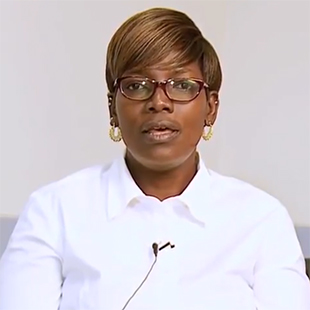
Marsha Akatu, Bone marrow transplant
Marsha Akatu
Marsha Akatu:Bone marrow transplant

Marsha Akatu from Kenya was suffering from Sickle Cell Anaemia. She got her treatment done at Medanta Hospital, Gurgaon, India.

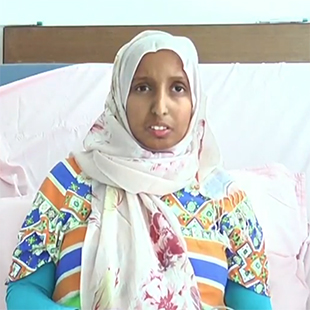
Bushra Masoud
Bushra Masoud
Bushra Masoud:Brain Tumor Treatment

Patient Testimonial: Bushra Masoud for Brain Marrow Treatment from Apollo Hospitals

Frequently Asked Questions

The cost of Hand Transplant in Turkey may vary depending on whether a unilateral or bilateral transplant is performed, the complexity of the surgery, donor availability, pre-transplant evaluations, hospital charges, surgeon's fees, intensive care requirements, rehabilitation, immunosuppressive medications, and long-term follow-up care. The overall cost may include specialist consultations, diagnostic investigations, donor matching, transplant surgery, hospitalisation, medications, rehabilitation therapy, and postoperative monitoring.MediGence can help international patients explore suitable transplant centres and obtain an estimated treatment plan based on the patient's condition, eligibility, and clinical requirements.

The best hospitals in Turkey for Hand Transplant are those with experienced reconstructive and transplant surgeons, microsurgeons, orthopaedic and plastic surgeons, transplant immunologists, anaesthesiologists, rehabilitation specialists, physiotherapists, occupational therapists, psychologists, and multidisciplinary transplant teams. Patients should consider hospitals with dedicated composite tissue transplantation programmes, advanced microsurgical facilities, specialised transplant intensive care units, and comprehensive long-term rehabilitation services.

Patients should choose a reconstructive microsurgeon or transplant surgeon experienced in vascularised composite allotransplantation (VCA), including Hand Transplant procedures. Important factors include expertise in complex microsurgery, nerve and tendon reconstruction, immunosuppressive management, transplant rejection monitoring, and long-term functional rehabilitation.The treating team should assess the level of amputation, residual limb condition, nerve and vascular status, overall physical health, psychological readiness, rehabilitation potential, and eligibility for lifelong immunosuppressive therapy before recommending Hand Transplant.

Hand Transplant has an overall success rate of approximately , depending on donor-recipient compatibility, surgical expertise, adherence to immunosuppressive therapy, rehabilitation participation, nerve regeneration, and the patient's overall health. Outcomes are generally more favourable when the procedure is performed at experienced transplant centres with dedicated multidisciplinary rehabilitation programmes.

Hospitals in Turkey may use high-resolution CT angiography, MRI, Doppler ultrasonography, three-dimensional surgical planning, advanced microsurgical operating microscopes, intraoperative nerve monitoring, vascular imaging, tissue compatibility testing, immunological assessment, specialised transplant intensive care, and comprehensive physiotherapy and occupational rehabilitation.Hand Transplant involves transplanting a donor hand or hands by carefully reconnecting bones, tendons, muscles, arteries, veins, nerves, and skin using advanced microsurgical techniques. Lifelong immunosuppressive therapy and intensive rehabilitation are essential to optimise graft survival and functional recovery.

Possible risks and complications may include:
  • Acute or chronic transplant rejection
  • Infection
  • Bleeding
  • Blood clots
  • Delayed wound healing
  • Nerve regeneration problems
  • Reduced hand function
  • Vascular complications affecting the transplanted hand
  • Side effects of lifelong immunosuppressive medications
  • Kidney or liver complications related to immunosuppression
  • Increased risk of certain cancers due to immunosuppression
  • Psychological or emotional adjustment challenges
  • Rare need for graft removal (transplant failure)
  • The transplant team will explain the potential risks based on the patient's health, transplant eligibility, and long-term treatment requirements.

    Patients should share all relevant medical records with the transplant team before travelling. These may include amputation records, imaging studies, vascular assessments, previous surgical reports, blood test results, immunological evaluations, rehabilitation records, medication history, and allergy information.Patients should also discuss donor availability, transplant waiting time, expected hospital stay, rehabilitation programme, caregiver arrangements, long-term immunosuppressive therapy, and follow-up requirements before making travel arrangements.

    Yes. International patients can arrange an online consultation with a reconstructive microsurgeon or transplant specialist before travelling to Turkey. The specialist may review the patient's amputation level, imaging studies, medical history, rehabilitation status, and overall clinical condition to determine whether Hand Transplant is an appropriate treatment option.MediGence can help coordinate online consultations and facilitate the secure sharing of relevant medical records with suitable specialists.

    International patients should carry a valid passport and relevant medical documents, including:
  • Amputation and previous surgical records
  • CT angiography, MRI, or Doppler imaging reports
  • Blood test and tissue compatibility reports
  • Rehabilitation and physiotherapy records
  • Previous specialist consultation records
  • Current prescriptions and medication details
  • Allergy and complete medical history
  • Vaccination records, if requested
  • Psychological assessment reports, if available
  • The required stay in Turkey depends on donor availability, surgical complexity, postoperative recovery, rehabilitation progress, and transplant monitoring. Patients generally require prolonged hospitalisation followed by intensive outpatient rehabilitation and frequent follow-up visits.International patients may need to remain in Turkey for several weeks or months until the transplanted hand is functioning satisfactorily, immunosuppressive medications are stabilised, wound healing is adequate, and the transplant team confirms that the patient is fit to travel.

    Recovery after Hand Transplant is gradual and may continue for several months to years. Intensive physiotherapy and occupational therapy begin soon after surgery to promote nerve regeneration, improve movement, restore strength, and maximise hand function.Long-term follow-up includes monitoring for transplant rejection, medication adjustments, rehabilitation progress, functional assessments, and ongoing psychological support.

    If complications occur, patients should contact the transplant team or seek immediate medical attention. Prompt evaluation may be required for swelling, redness, colour changes in the transplanted hand, fever, wound infection, severe pain, reduced movement, decreased sensation, signs of rejection, or medication-related side effects.Patients should receive detailed discharge instructions, immunosuppressive medication guidance, rehabilitation recommendations, emergency contact information, and a structured transplant follow-up plan before returning home.

    International patients can submit their medical records, imaging studies, and previous surgical reports through the MediGence website. Following an initial review, the MediGence care team can help patients explore suitable transplant hospitals and experienced reconstructive microsurgeons, coordinate consultations, and support transplant evaluation and medical travel planning.The final treatment recommendation is made by the treating multidisciplinary transplant team after a comprehensive clinical evaluation and donor eligibility assessment.

    International patients may choose Turkey for access to experienced reconstructive microsurgeons, specialised vascularised composite allotransplantation programmes, advanced microsurgical technology, comprehensive transplant rehabilitation, multidisciplinary transplant teams, and long-term immunological monitoring.The destination should be evaluated based on physician expertise, hospital accreditation, transplant programme experience, patient safety standards, rehabilitation capabilities, donor programme regulations, and long-term transplant outcomes.

    Treatment options depend on the level of amputation, functional impairment, donor availability, overall health, and patient preferences. Options may include:
  • Advanced prosthetic hand fitting
  • Myoelectric prosthetic devices
  • Reconstructive microsurgery
  • Nerve and tendon reconstruction
  • Hand Transplant (Vascularised Composite Allotransplantation)
  • Revision amputation surgery, when indicated
  • Intensive physiotherapy and occupational therapy
  • Lifelong immunosuppressive therapy following transplantation
  • Long-term rehabilitation and transplant follow-up
  • The treating multidisciplinary transplant team will recommend the most appropriate treatment plan after evaluating the patient's condition and overall clinical status.

    International patients may choose Turkey for access to specialised transplant centres, experienced reconstructive microsurgeons, advanced microsurgical techniques, multidisciplinary transplant care, comprehensive rehabilitation programmes, and long-term functional recovery services.MediGence can assist patients with hospital and specialist selection, medical record coordination, consultation scheduling, transplant evaluation, treatment planning, and travel-related support. The final destination should be selected according to the patient's clinical condition, eligibility, rehabilitation goals, treatment requirements, and the hospital's expertise in Hand Transplant.

    Not Sure About Your Treatment Plan? Get a Free Second Opinion

    Have your reports reviewed by independent oncology experts to help you make a confident treatment decision, all online within 48 hours.

    Upload Your Reports
    Free second opinion on your CAR-T plan