Your Notifications
All done, no notifications

ORIF Cost in Jordan

USD 4000 - USD 8000

Affordable World-class Treatment - Accredited Hospitals - Free Treatment Plan in 24 Hrs

2
Days in Hospital
12
Post-Hospital
90 - 95%
Success Rate
JCI/ISO 100,000+ Patients 24X7 Coordinator Visa & Travel handled
Your all-in-one medical travel platform for treatment, recovery & care.

Get Your Personalised Treatment Plan in Just 24 Hours.

Share your details to receive a personalised treatment plan, estimated costs, hospital recommendations, and expert guidance, “completely free.”

Required | alphabets and spaces
Required | A valid, working email address
Required | A valid contact
Connect with an Expert

Your information is protected with HIPAA-compliant security standards. We only share your details with hospitals after your consent.

Estimated Treatment Cost
USD 4000 - USD 8000
All-inclusive • Hospital + Medications + Recovery Assistance + Dedicated Care Coordinator

International Quality. Affordable Care.

How Much Does ORIF Cost in Jordan?

Depending on the type and severity of the fracture, the bone involved (hip, ankle, wrist, femur, etc.), the type of implants used (plates, screws, rods, or pins), the orthopedic surgeon's experience, the hospital/surgical center standards, and whether the procedure is done as day care or necessitates an extended hospital stay, the cost of ORIF Surgery (Open Reduction and Internal Fixation) in Jordan typically ranges between USD 4000 - USD 8000.

The total cost of treatment may also include pre-surgery investigations (X-rays, CT scans, blood tests), anaesthesia charges, surgical implants, post-operative medications, physiotherapy sessions, follow-up visits, and management of any associated complications or rehabilitation requirements.

Factors Influencing the Cost of ORIF

  • Type of Fracture: Costs vary depending on whether the fracture is simple, complex, comminuted, or involves multiple bones.
  • Location of the Fracture: Fractures of areas like the hip, femur, or ankle are typically more complex and expensive to treat than smaller bones.
  • Hospital or Surgical Centre Standards: Advanced orthopedic centres with high-quality facilities and imaging technology may charge more.
  • Surgeon’s Expertise: Orthopedic surgeons with specialised training in trauma or joint reconstruction may have higher professional fees.
  • Pre-Surgical Evaluations: X-rays, CT scans, blood tests, and pre-operative assessments add to the initial cost.
  • Anaesthesia Type: General or regional anaesthesia costs may vary based on the duration and complexity of the surgery.
  • Use of Implants and Hardware: Plates, screws, rods, and specialised fixation devices can significantly increase the total expense.
  • Post-Surgical Medications: Pain medication, antibiotics, and anti-inflammatory drugs add to the treatment cost.
  • Rehabilitation Needs: Physiotherapy sessions required for recovery and mobility restoration contribute to overall expenses.
  • Management of Complications: Additional costs may arise if complications such as infection, implant failure, or delayed healing occur.
  • Follow-Up Visits: Regular follow-ups, imaging scans, and progress evaluations add to the total expenditure.

What's included in your ORIF quote?

ORIF (Open Reduction and Internal Fixation)
Surgical repair of fractured bones using plates, screws, or rods to restore alignment and stability
Orthopaedic surgeon consultation
Pre-surgery evaluation, treatment planning, and post-operative follow-up consultations
Key: Hospital stay & supportive care
Surgery, anaesthesia, nursing care, and recovery monitoring
Follow-up monitoring
X-rays, wound assessment, and physiotherapy guidance
Visa & medical-visa invite letter
Airport pickup & transfers

Cost of ORIF in Major Cities of Jordan

City Cost (USD)
Amman $4,000 – $8,000 Explore More

Orif - Jordan Vs the World

$0 - $0
$2k - $6k
$2k - $8k
$3k - $8k
$4k - $10k
$5k - $15k
$5k - $15k
$5k - $12k
$6k - $10k
$6k - $14k
$8k - $10k
$10k - $30k
$10k - $30k
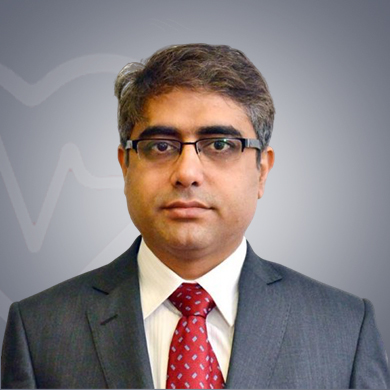
Dr. Vihan Gautam
Author

BPT, MS in Healthcare Mgmt

4 Years of Experience

Last Reviewed - June 2026

Dr. Vihan Gautam is a distinguished Rehabilitation Specialist and Healthcare Management Professional, holding a Bachelor of Physiotherapy (BPT) from Rajiv Gandhi University of Health Sciences and a Master of Science in Healthcare Management (MSc) from the prestigious University of London, United Kingdom. With specialized clinical experience and his advanced medical knowledge in neuro-rehabilitation, musculoskeletal disorders, and evidence-based physiotherapy practices, enables him to develop patient-centered rehabilitation protocols and AI-driven care models that deliver measurable functional recovery outcomes. His diverse contributions across international rehabilitation programs, multidisciplinary care, and AI-driven healthcare initiatives uniquely position him as an emerging leader in neuro-rehabilitative care globally.
View More
Dr. Manoj Miglani
Reviewer

Orthopedic Surgeon

22 Years of Experience

Last Reviewed - June 2026

Known for his soft-spoken nature, Dr. Manon Miglani had completed his MBBS from Maulana Azad Medical College and MS (Ortho) for All India Institute of Medical Sciences. Dr. Miglani was awarded AO spine fellowship from Queen’s Medical Center, Nottingham and he also received Stryker fellowship in Arthroplasty from Indraprastha Apollo Hospital. Dr. Manon Miglani has provided his expert services to various hospitals of Delhi and NCR including AIIMS, Indraprastha Apollo, Jaipur Golden hospital, and Artemis hospital Presently, Dr. Manon is the additional director of Fortis, Vasant Kunj and senior consultant at Fortis, Shalimar Bagh.
View More

Need Help Choosing the Right Treatment? Talk to a Medical Advisor

Our dedicated Medical Patient Advisors are here to answer your questions, help you compare treatment options, estimate costs, and guide you through every step of your healthcare journey.

15 min
Average response time

Serving Patients Worldwide in Multiple Languages.

Open reduction and internal fixation (ORIF) is a surgical procedure to stabilize and heal broken bones. This procedure may be necessary to treat a fractured ankle.

The ankle joint is composed of three bones: the tibia (shinbone), the fibula (the smaller bone in the leg), and the talus (a bone in the foot). Various injuries can affect the lower tibia, lower fibula, or talus. You may have a fracture in just one of these bones, or you could have fractures in two or more of them. In some fractures, the bone breaks but the fragments remain properly aligned. In other fractures, the injury causes the bone fragments to shift out of alignment.

Types:

There are two types of ORIF Surgery:

  • Internal Fixation
  • External Fixation

Internal fixation is a surgical method used to reconnect bones, typically involving the use of specialized screws, plates, rods, wires, or nails. The surgeon places These devices inside the bones to ensure they heal correctly and prevent abnormal healing. The procedure is generally performed under general anesthesia.

External fixation involves stabilizing a fracture by inserting pins, screws, and wires into the bone on both sides of the break. These pins are then connected outside the skin using a series of clamps and rods, forming an external frame to hold the bones in place

Who needs ORIF?

ORIF surgery is used to stabilize the broken bones in which could be in any sections of the body. The following are some of the common conditions that are treated with the help of an ORIF surgery:

The bone parts such as the knee, hip, tibia-fibula, humerus, and femur are substantially out of alignment

The bone pieces are piercing out through the skin

The part of the bones in the above-mentioned regions of the body is fractured, resulting in the development of multiple pieces.

The fracture involves a knee joint.

Even after receiving conservative treatment, bone repair does not occur normally.

Open reduction refers to open surgery that aimed to set the bones as may be necessary following a fracture, whereas internal fixation means fixing of plates or screws and intramedullary bone nails in the case of humerus, tibia, or femur bones to facilitate the overall healing process.

Rigid fixation inhibits micromotion between the fracture lines, which not only promotes healing but also avoids additional infection, which can occur when plates such as dynamic compression plates are utilized as implants.

Explore Hospitals ( 1 )

Amman, Jordan

JCI

Get Your ORIF
Plan in 24 hrs.

Our experienced Medical Patient Advisors have supported 100,000+ patients across 120+ countries with personalised treatment plans, hospital recommendations, cost estimates, and travel assistance, all free.

HIPAA-Compliant Data SecurityShared Only with Your Consent

Free Consultation No Obligation Personalized Treatment Plan Response Within 24 Hours

Required | alphabets and spaces
Required | A valid, working email address
Required | A valid contact

Your medical info has is HIPAA-style confidential. We never share with hospitals without your consent.

Jenny Wilson
Your Dedicated Medical Patient Advisor
Treatment planning • Hospital coordination • Multilingual support • Response within 15 minutes.
Our Services to Better your Experience

Opinion & Option

We submit the most accurate opinion and options from one or more countries for your review

Consult Privately

Consult with a certified specialist privately on our telemedicine platform even before you decide to travel

Logistics

We handle flights, visas, transfers, and accommodation—so you can focus on your health.

Recovery

Our In-house rehabilitation service packages to better your recovery and treatment outcome

Patient Stories

Kevin Stewart
Kevin Stewart
Kevin Stewart: Slip Disc Treatment in UAE

Kevin Stewart from Scotland could barely walk straight due to a Slip Disc. He faced many discomforts for the past…

Mr.Mohamed Dumia
Mr.Mohamed Dumia
Mr.Mohamed Dumia: Knee Replacement

Mr. Muhammed Dumia was suffering from painful left Knee and was in considerable pain for the last 2 months. He…

Frequently Asked Questions

ORIF (Open Reduction and Internal Fixation) is advised when a patient:
  • Has a severe or displaced bone fracture that cannot heal properly with casting or splints
  • Experiences fractures involving joints, multiple fragments, or misalignment
  • Suffers fractures caused by trauma, accidents, or sports injuries requiring surgical stabilisation
  • Needs proper anatomical alignment to restore movement and prevent long-term complications
  • Eligibility depends on overall health, fracture severity, bone condition, and ability to tolerate surgery.
  • Pre-Surgery:
  • X-rays or CT scans to assess the fracture, blood tests, and planning the surgical approach.
  • Surgery:
  • Performed under general or regional anaesthesia
  • Bone fragments are realigned (open reduction)
  • Metal plates, screws, or rods are placed to stabilise the bone (internal fixation)
  • Duration: 1-3 hours, depending on fracture type and locationPost-Surgery:
  • Patients are monitored for pain, swelling, and proper limb circulation. Physiotherapy begins gradually to restore mobility and strength.
  • Potential risks include:
  • Infection or bleeding
  • Blood clots
  • Nerve or blood vessel injury
  • Hardware irritation or failure
  • Delayed bone healing or non-union
  • Rare need for hardware removal or revision surgery
  • The leading hospital in Jordan is:
  • Arab Medical Center,Amman
  • This centre provides experienced orthopaedic surgeons, advanced operating rooms, and high-quality postoperative care.

  • Hospital stay is usually 1-3 days, depending on the fracture
  • Light activities resume in 2-4 weeks
  • Full recovery and bone healing may take 8-12 weeks or longer
  • Physiotherapy is essential for restoring mobility and strength
  • Extra costs may include:
  • Pre-surgery X-rays, CT scans, or MRI
  • Post-operative medications and physiotherapy
  • Hospital stay and nursing care
  • Follow-up visits and potential hardware removal
  • Amman is the primary destination due to skilled orthopaedic surgeons, modern surgical facilities, and strong support for international patients.

  • Expert orthopaedic and trauma surgeons
  • Advanced imaging and surgical technology
  • Affordable treatment options compared to those in many Western countries
  • High-quality rehabilitation and follow-up care
  • Strong support services for international patients
  • High success rates for restoring bone alignment and function
  • Most patients regain good mobility with proper physiotherapy
  • Complications are rare and manageable with timely follow-up
  • Not Sure About Your Treatment Plan? Get a Free Second Opinion

    Have your reports reviewed by independent oncology experts to help you make a confident treatment decision, all online within 48 hours.

    Upload Your Reports
    Free second opinion on your CAR-T plan