Your Notifications
All done, no notifications

Legg-Calve-Perthes Disease (LCPD) Treatment Cost in Thailand

Costs starts from USD9000 to USD17000
Filters

How Much Does Legg-Calve-Perthes Disease (LCPD) Treatment Cost in Thailand?

Legg-Calve-Perthes Disease (LCPD) Treatment in Thailand usually costs between USD 9000 - USD 17000, but prices can vary depending on the treatment method, hospital, and location.

This estimated cost often includes doctor consultations, diagnostic imaging, surgery (if required), hospital stay, and follow-up rehabilitation or therapy.

The final cost depends on the complexity of the case and the level of care offered by the selected medical facility.

Factors Influencing the Cost of Legg-Calve-Perthes Disease (LCPD) Treatment in Thailand

Cost of Legg-Calve-Perthes Disease (LCPD) Treatment in Major cities of Thailand

CityMinimum Cost (USD)Minimum Cost (THB)Maximum Cost (USD)Maximum Cost (THB)
BangkokUSD 9000294390USD 17000556070
KrabiUSD 8100264951USD 15300500463

Legg-Calve-Perthes Disease (LCPD) Treatment Cost : A Global Comparison

CountryMinimum CostMinimum Local CurrencyMaximum CostMaximum Local Currency
HungaryUSD 12000HUF 4284960USD 22000HUF 7855760
IndiaUSD 6000INR 513840USD 11000INR 942040
IsraelUSD 18000ILS 63720USD 28000ILS 99120
JordanUSD 9000JOD 6390USD 15000JOD 10650
LithuaniaUSD 11000LTL 37628USD 18000LTL 61573
MalaysiaUSD 8000MYR 33920USD 15000MYR 63600
PolandUSD 7000PLN 26320USD 13000PLN 48880
Saudi ArabiaUSD 10000SAR 37500USD 20000SAR 75000
SingaporeUSD 16000SGD 20640USD 32000SGD 41280
South AfricaUSD 9000ZAR 161730USD 17000ZAR 305490
South KoreaUSD 12000KRW 16511760USD 23000KRW 31647540
SpainUSD 11000ESP 1617439USD 21000ESP 3087838
SwitzerlandUSD 22000CHF 18260USD 40000CHF 33200
ThailandUSD 9000THB 294390USD 17000THB 556070
TunisiaUSD 7000TND 20860USD 13000TND 38740
TurkeyUSD 6500TRY 253890USD 12000TRY 468720
United Arab EmiratesUSD 12000AED 44040USD 23000AED 84410
United KingdomUSD 13000GBP 9620USD 24000GBP 17760
United StatesUSD 20000USD 20000USD 50000USD 50000
VietnamUSD 6000VND 156770940USD 11000VND 287413390

Need Help Planning Your Treatment Abroad?

Your 24/7 AI Health Assistant

Legg-Calve-Perthes Disease (LCPD) keeps the femoral head positioned correctly in the hip socket while it heals. In less severe cases, non-surgical strategies such as reduced physical activity, pain control, and guided physiotherapy may be effective. However, surgical procedures like osteotomy are often required to realign the hip joint and improve motion when the condition is more advanced. These operations are done under anaesthesia and followed by using a brace or cast to protect the hip during early healing. A stepwise rehabilitation program is started soon after to support recovery, improve mobility, and strengthen the muscles around the hip. Most children regain good joint function with timely care and can return to normal activities.

Treatment for Legg-Calvé-Perthes Disease (LCPD) aims to restore normal hip joint function and prevent long-term damage to the femoral head. The disease causes a temporary loss of blood supply to the femoral head, which can lead to its collapse and deformity. Timely treatment helps maintain the femoral head's round shape and proper positioning in the socket. This reduces stiffness, pain, and the risk of early arthritis in adulthood.

Parents should consult a doctor if a child limps without an injury, complains of hip, thigh, or knee pain, or has reduced hip motion. These signs often appear gradually and can worsen over time. If left untreated, LCPD may lead to permanent hip deformity. Early diagnosis is crucial for initiating therapy during the active stage of the disease.

Preparation includes physical exams, assessments of range of motion, and imaging studies, such as X-rays or MRIs. These tests help determine the stage of the disease and the appropriate treatment. Children and parents may also receive advice on activity restrictions or recommendations for assistive devices, such as crutches or braces. For surgical cases, routine preoperative evaluations and anesthesia clearance are necessary.

Mild cases may only require physiotherapy, rest, or bracing. In moderate to severe cases, surgery, such as femoral or pelvic osteotomy, is performed to reposition the hip joint. This ensures that the femoral head stays properly seated while it heals. Post-surgical care involves immobilisation, followed by targeted rehabilitation to restore movement.

Conservative treatment may last several months to years, depending on the disease's progression and individual response. Surgical procedures usually take 2 to 3 hours, with a hospital stay of 2 to 4 days. Healing and bone remodelling may continue for up to 2 years. Long-term follow-up is crucial for monitoring hip joint development and preventing complications.

  • Infection or bleeding after surgery
  • Uneven leg length or altered hip shape
  • Stiffness or limited range of motion
  • Early-onset hip arthritis occurs if the femoral head remains deformed

  • Preserves the shape and function of the femoral head
  • Reduces pain and limp associated with joint deformity
  • Improves hip movement and walking ability
  • Delays or prevents arthritis in adulthood

After surgery, a cast or brace may be used to keep the hip in position. Physical therapy is gradually introduced to improve strength and flexibility. Most children return to their daily activities within several months, provided they undergo regular monitoring. Pain management, follow-up imaging, and adjusted activity levels are part of long-term care.

The success of LCPD treatment largely depends on the child's age and the stage at diagnosis. Children under 6 tend to have excellent outcomes with conservative care. In older children, surgery can significantly improve the shape and function of the joint. Overall, early intervention has a success rate of 80-90% in maintaining a pain-free and functional hip.

Would you like some help? We are available.

Get Help
Explore Hospitals ( 9 )
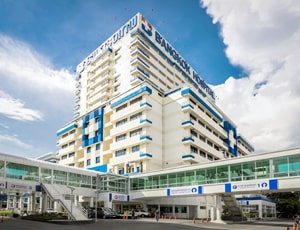
Legg-Calve-Perthes Disease (LCPD) Treatment in Bangkok Hospital: Costs, Top Doctors, and Reviews

Bangkok, Thailand

  • Joint Commission International, or JCI

Bangkok Hospital located in Bangkok, Thailand is accredited by JCI. Also listed below are some of the most prominent infrastructural details:

  • It is recognised for the application of the newest healthcare technology.
  • Blood analysis center that is not just the best in Thailand but in Asia Pacific as well.
  • Biomolecule center that is the seed of healthcare equipment for Thailand and overseas.
  • International affiliations and collaborations with universities and hospitals in Japan and the United States of America.
  • 11 hospitals are recognised as Centers of Excellence.
  • Known excellence in Trauma, Orthopedics, Cardiovascular, Neurology as well as Cancer Care.
  • There is a proper streamlined patient services process followed in Bangkok Dusit Medical Services, Bangkok, Thailand.
  • A well developed research center showcases the intent of the organisation to provide research based treatment opportunities to the patients.
  • The group has several Medical industry partnerships as well to ensure healthcare solutions.
Legg-Calve-Perthes Disease (LCPD) Treatment in Bangpakok 9 International Hospital: Costs, Top Doctors, and Reviews

Bangkok, Thailand

  • Joint Commission International, or JCI

Bangpakok 9 International Hospital located in Bangkok, Thailand is accredited by JCI. Also listed below are some of the most prominent infrastructural details:

  • It would be prudent to summarise the Medical Services provided at the Bangpakok 9 International Hospital (BPK 9), Bangkok, Thailand:
  • Cosmetic Dentistry
  • Dental Implants
  • Electrocardiogram (EKG or ECG)
  • Exercise Stress Test
  • Health Screening
  • Laser Vagina Firming
  • Pediatric Physical Therapy
  • Perfect Slim by Vela II
  • Physical Therapy for Musculoskeletal
  • Prosthodontics
  • The Medical Services are also inclusive of the International Patient Services such as the ones listed here:
  • Thai, English, French, Arabic, Chinese, Myanmar, Cambodia, Bangladeshi, Bahasa and Tagalog are the languages in which there are Translation services available for International Patients.
  • Visa extension related assistance
  • International health insurance related assistance
  • Embassy and international organizations related assistance
  • A variety of meals of choice for International Patients
  • Email consultation services
  • Transfer to either airport and/or hotels
  • Prayer room
  • Four different types of rooms are available such as Deluxe room, two kinds of suites, and a VIP suite.
  • Hospital facilities like The Coffee shop, Food Hall, Cafe and Medical Spa.
  • Complete health and safety protocols are maintained in the various Medical Centers some of whom are as follows:
  • Aesthetic Center
  • 24 Hour Emergency Center
  • Allergy Center
  • Breast Center
  • bSmart Center
  • Checkup Center
  • Dental Center,
  • Happy Long Life Center
  • Medical Fitness Center
  • Psychiatric Center
  • Rehabilitation Center
  • Sleep Disorders Center
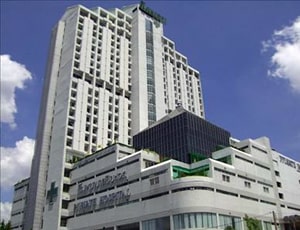
Legg-Calve-Perthes Disease (LCPD) Treatment in Phyathai 2 International Hospital: Costs, Top Doctors, and Reviews

Bangkok, Thailand

  • Joint Commission International, or JCI

Phyathai 2 International Hospital located in Bangkok, Thailand is accredited by JCI. Also listed below are some of the most prominent infrastructural details:

  • Fully equipped rooms are available for convenience of the patients- Gold B Room, Gold A Room, Pediatric Gold A, Platinum room, and Prestige ward
  • Nearby accommodations are also available- Abloom Service Apartments, Bangkok Patio, VIB Best Western Sanam Pao, VIC3 Hotel
  • Operating room
  • International Patient Medical Center to assist overseas patients
Legg-Calve-Perthes Disease (LCPD) Treatment in Krabi Nakharin International Hospital: Costs, Top Doctors, and Reviews

Krabi, Thailand

  • Joint Commission International, or JCI

Krabi Nakharin International Hospital located in Krabi, Thailand is accredited by JCI. Also listed below are some of the most prominent infrastructural details:

  • Capacity of Imported electronically adjustable 100 beds
  • Housing Facility in VIP Rooms, Deluxe Rooms, Superior Rooms, 2-Beds room, 9-Beds room
  • All rooms are fully equipped with Smart TV, Refrigerator with soft drinks, Wi-fi, sofacumbed, personal nurse call system, telephone for local & international calls, Microwave,
  • Main meals and snacks are also included
  • Medical Technology includes- 64-slice CT scan, MRI, Fluoroscopy Examination, Digital Mammogram, Computed Radiography and 4D-Ultrasound
  • 14 Treatment Centers and Clinics
  • 24*7 Intensive Care Unit (ICU)
  • Outpatient Department (OPD)
  • Emergency Department
Legg-Calve-Perthes Disease (LCPD) Treatment in Yanhee International Hospital: Costs, Top Doctors, and Reviews

Bangkok, Thailand

  • Joint Commission International, or JCI
  • ISO 9001

Yanhee International Hospital located in Bangkok, Thailand is accredited by JCI. Also listed below are some of the most prominent infrastructural details:

  • The hospital is located in 10 stories and 4 connected buildings.
  • International patient care is provided with accommodation, flight booking, airport transfer, choice of meals available.
  • There is a Cosmetic and Beauty Center and a 24/7 Dental Center in the hospital.
  • Some of the important healthcare specialties are Cardiac Sciences, ENT, Gastroenterology, General Surgery, Gynecology, Neurology, and Orthopedics etc.
  • The healthcare delivery by the Yanhee International Hospital stands strong with:
  • 155 Physicians
  • 183 Medical Specialists
  • 2000 nurses and other healthcare personnel
Legg-Calve-Perthes Disease (LCPD) Treatment in Sikarin Hospital: Costs, Top Doctors, and Reviews

Bangkok, Thailand

  • Joint Commission International, or JCI

Apart from in-detail treatment procedures available, Sikarin Hospital located in Bangkok, Thailand has a wide variety of facilities available for International Patients. Some of the facilities which are provided by them are Airport Transfer, Choice of Meals, Interpreter, SIM, TV inside room. Also listed below are some of the most prominent infrastructural details:

  • Sikarin Hospital has a 258-bed capacity.
  • The hospital caters to the healthcare needs of both local and international patients.
  • Dedicated and skilled, experienced healthcare professionals are the strength of the organization.

It has also received many awards and certifications and some of them are:

  • APSIC CSSD Center of Excellence Award (2017-18)
  • Accreditation by the Joint Commission International
  • HA-Hospital/Healthcare Accreditation
  • HACCP Certificate of Registration
  • The Best Under a Billion Award 
  • ISO 14001 Environment Management System
  • ISO 9001 Quality Management System

The various clinics and centers of Sikarin Hospital are as follows:

  • Pediatric Institute
  • Orthopedic Institute
  • Dental Center
  • Health Check-up Center
  • Heart Disease Center
  • Cerebral and Nervous System Center
  • Internal Medicine Clinic
  • Diagnostic Radiology Center
  • Diagnostic Laboratory
  • Endoscopic Surgery Center
  • International Medical Center
  • Emergency Medical Center
  • Sikarin Beauty Center
  • Eye Center
  • Rehabilitation Center
  • Women’s Health Center
  • Ear, Nose and Throat Center
  • Specialized Internal Medicine Center
  • Center for Gastrointestinal and Liver Diseases

The medical technology present in Sikarin Hospital is outlined here:

  • MRI (Magnetic Resonance Imaging) magnetic resonance imaging
  • Hybrid Operating Room
  • Endoscopic Surgery - Gastrointestinal medical technology with tiny capsules
  • S.R. Laboratory
  • Cardiac Catheterization Lab 
  • Dental Operating Microscope, an innovative endoscopic root canal treatment
  • 128-Slice CT Scan
  • ORTHOPANTOMOGRAPH OP 3D oral X-ray machine
  • Digital Mammogram
  • Optical Coherence Tomography
  • INFRARED (IR) IMAGING Surgical Technology “Cure Cancer” – Direct, Accurate, Fast
  • 3D endoscopic surgery technology
  • Laparoscopic Surgery
  • Dental Aerosol Suction Dental Intraoral Aerosol Remover
  • Comprehensive Dental Center
  • iTeroElement 5D
Legg-Calve-Perthes Disease (LCPD) Treatment in Kasemrad Ramkhamhaeng Hospital: Costs, Top Doctors, and Reviews

Bangkok, Thailand

  • Joint Commission International, or JCI

Apart from in-detail treatment procedures available, Kasemrad Ramkhamhaeng Hospital located in Bangkok, Thailand has a wide variety of facilities available for International Patients. Some of the facilities which are provided by them are Accommodation, Airport Transfer, Choice of Meals, Interpreter, SIM, TV inside room. Also listed below are some of the most prominent infrastructural details:

  • Initially started with 1.5 acres of land and expanded to 3.5 acres
  • 139 beds, 39 Examination Rooms
  • 13 Specialties Departments/Centers
  • 24*7 Emergency Department
  • Accommodation facilities are available- VIP rooms, Single special room, 6-bed dormitory, baby room
Legg-Calve-Perthes Disease (LCPD) Treatment in Piyavate Hospital: Costs, Top Doctors, and Reviews

Bangkok, Thailand

  • Joint Commission International, or JCI
  • ISO 9001

Piyavate Hospital located in Bangkok, Thailand is accredited by JCI. Also listed below are some of the most prominent infrastructural details:

  • Medicine Centre: Piyavate Hospital provides advanced holistic treatment for their patients. They offer a complete range of services and physicians that specialize in various fields like the endocrine system, the nervous system, kidney function, cardiovascular care, respiratory and digestive system. They pride themselves for the familial care that they provide to their patients.

  • Fertility and In-Vitro Fertilization Centre: Helping the couples who walk into the Piyavate Hospital to achieve their dream of having a family. They have a medical team that specializes in male and female fertility. They offer consultation services, fertility check-up for both men and women and complete IVF services. They have advanced IVF cycle treatment facilities that offer a high rate of success.

  • Bone and Joint Institute: Piyavate Hospital houses one of the frontrunners in Orthopaedic health care in all of SouthEast Asia. They offer a wide range of services and surgeries in their bone and joint institute that include hand surgery, hip and knee replacement surgery, spinal cord surgery, upper extremity surgery, arthroscopic surgery and sports medicine.

  • Eye and Lasik Centre: Piyavate Hospital is fully equipped with the latest and most advanced technology for eye care and houses highly skilled ophthalmologists, sub-specialists and qualified nurses.

  • Physical Therapy and Rehabilitation Centre: One of the first hospitals to be equipped with the Hybrid Assistive Limb technology that will help a neurologically challenged patient to control the rehabilitation robot limb with a signal from their brain. The Physical Therapy and Rehabilitation Centre at Piyavate Hospital uses this system encourage patients to regain muscle memory to walk and function normally.

Amenities for Patient’s Family:

Piyavate Hospital also offers additional apartment facilities to house the kin of the patients who come to visit them from distant places. A restaurant, a flower shop and a café are a few of the other amenities provided by the hospital.

These are the most popular services offered by the Piyavate Hospital in Bangkok, Thailand. They also provide a plethora of other medical services that are listed below:

  • Diabetic Foot Centre

  • Check-up centre

  • Urology Centre 

  • Heart Institute

  • Paediatric Centre 

  • Obstetrics and Gynaecology Centre

  • Surgery Centre

  • Ear Nose Throat Centre

  • Haemodialysis Centre 

  • Dental Centre

  • X-Ray Centre

  • Gastroenterology Centre

  • Cancer Centre

  • Neonatal Intensive Care Unit (NICU)

  • Emergency Services and Centre

  • Tele-medicine

Legg-Calve-Perthes Disease (LCPD) Treatment in MALI Interdisciplinary Hospital: Costs, Top Doctors, and Reviews

Bangkok, Thailand

  • National Accreditation Board for Hospitals & Healthcare Providers (NABH)
  • Joint Commission International, or JCI

MALI Interdisciplinary Hospital located in Bangkok, Thailand is accredited by JCI. Also listed below are some of the most prominent infrastructural details:

  • Operating Room
  • X-Ray Department
  • Laboratory
  • Inpatient Department
  • Emergency Department

Need Some Advice From Our Experts?

Request a Call Back Now!

Our team of healthcare experts would be happy to assist you

trusted Patientstrusted Patients+99
Trusted by 50000+ Patients
Required | alphabets and spaces
Required | A valid, working email address
Required | A valid contact

Process Involved for Legg-Calve-Perthes Disease (LCPD) Treatment in Thailand

Treatment Stages for Legg-Calve-Perthes Disease (LCPD) Treatment are:-

  • Initial Stage (Diagnosis and Rest): At this stage, the main goal is to reduce pain and inflammation. Children are advised to rest and avoid putting weight on the affected leg. Pain relief medications and activity restrictions are commonly introduced.
  • Containment Stage (Maintaining Hip Shape): The focus is on keeping the ball of the thighbone (femoral head) well-positioned within the hip socket. Braces, crutches, or special casts may be used. Physical therapy helps preserve hip mobility.
  • Reossification Stage (Bone Healing Begins): Doctors closely monitor hip development through regular X-rays as the bone starts to re-form. Movement and strength exercises are gradually increased under supervision.
  • Remodelling Stage (Bone Reshaping): The femoral head continues to heal and reshape itself. At this point, most children regain near-normal joint function. If deformities remain, surgical correction may be considered.
  • Recovery and Long-Term Follow-Up: Ongoing physiotherapy supports muscle strength and flexibility. Long-term check-ups are needed to monitor joint health and detect any early signs of arthritis or complications.

The following conditions are treated in Legg-Calve-Perthes Disease (LCPD) Treatment:

  • Loss of Blood Flow to the Hip Bone: LCPD treatment focuses on managing the temporary loss of blood supply to the ball-shaped part of the hip, which can lead to bone damage.
  • Reduced Hip Movement: It helps improve joint flexibility and reduce stiffness caused by the damaged hip structure.
  • Bone Deformity or Poor Joint Fit : The treatment reshapes and guides the proper growth of the thigh bone so it fits well in the hip socket.
  • Weak Hip Muscles: Strengthening exercises improve the muscles around the hip and support joint function.
  • Long-Term Hip Pain and Uneven Walking: Pain control, physical therapy, and assistive devices aim to ease discomfort and correct limping.
  • Initial Assessment and Diagnosis: The process begins with a physical examination, followed by imaging tests like X-rays or MRI to confirm LCPD and evaluate the severity of femoral head damage.
  • Pain Management and Activity Modification: Anti-inflammatory medications may be prescribed to ease discomfort. Children are usually advised to limit high-impact activities that stress the hip joint, such as running or jumping.
  • Physical Therapy: A guided physiotherapy program helps maintain hip range of motion and muscle strength. Stretching and low-impact exercises are introduced to prevent stiffness and improve mobility.
  • Assistive Devices (if needed): In some cases, crutches or braces reduce pressure on the affected hip and allow the bone to heal correctly.
  • Surgical Intervention: If the condition is severe or doesn’t improve with conservative measures, surgery (such as osteotomy or joint realignment) may be needed to reshape or stabilise the hip joint.
  • Follow-Up and Monitoring: Regular check-ups with imaging are essential to track bone healing and ensure the hip remains in the correct position. Treatment is adjusted as the child grows.
  • Long-Term Rehabilitation: Once healing progresses, children undergo long-term physiotherapy and lifestyle modifications to restore full function and avoid future joint problems like early arthritis.
  • Osteotomy
  • Physiotherapy
  • Bracing
  • Casting
  • Arthrography
  • Traction
  • Rehabilitation
  • Monitoring

Benefits of Legg-Calve-Perthes Disease (LCPD) Treatment include:

  • Pain Relief: Treatment helps reduce hip pain and discomfort, improving the child’s daily comfort.
  • Improved Hip Mobility: Therapy and proper care restore joint flexibility and movement.
  • Correct Bone Growth: Early treatment guides proper reshaping of the femoral head, supporting healthy bone development.
  • Better Quality of Life: With reduced pain and improved movement, children can return to normal activities and enjoy better overall well-being.
  • Lower Risk of Future Arthritis: Managing LCPD early helps prevent long-term joint damage and reduces the chances of early-onset hip arthritis.

The following are the treating team members for Legg-Calve-Perthes Disease (LCPD) Treatment:

  • Orthopedic Surgeon
  • Pediatrician
  • Physiotherapist
  • Radiologist
  • Rehabilitation Specialist
  • Pain Specialist
  • Occupational Therapist
  • Nurse
  • Psychologist
  • Fill out the inquiry form: Please complete the form to provide us with relevant information about your condition.
  • Consult with Our Healthcare Expert: One of our qualified specialists will contact you for a consultation.
  • Receive a Detailed Treatment Plan: After examining your situation, we will provide you with a detailed treatment plan that includes expert views and cost breakdowns for various choices.
  • Choose your preferred option: Choose the therapy option that best suits you.
  • Seamless Organisation: We will manage all the details, including visas, flights, accommodations, and transfers, for a stress-free journey.

Instantly Connect with our Legg-Calve-Perthes Disease (LCPD) Treatment Specialists

Doctor 1
Doctor 2
Doctor 3
Doctor 4
Doctor 5
Doctor 6
Doctor 7
Doctor 8
Our Services to Better your Experience

Opinion & Option

We submit the most accurate opinion and options from one or more countries for your review

Consult Privately

Consult with a certified specialist privately on our telemedicine platform even before you decide to travel

Logistics

We handle flights, visas, transfers, and accommodation—so you can focus on your health.

Recovery

Our In-house rehabilitation service packages to better your recovery and treatment outcome

Other Popular Countries for Legg-Calve-Perthes Disease (LCPD) Treatment

Our network connects you with the leading medical tourism destinations globally, offering a wide range of cities, top doctors, and flexible pricing options.

India
Vietnam
United Arab Emirates
United Kingdom

Frequently Asked Questions

Factors that raise the risk of Legg-Calve-Perthes Disease (LCPD) Treatment:

  • Late Diagnosis: In rural areas, LCPD may be misdiagnosed or untreated due to limited awareness.
  • Cultural Preferences: A preference for traditional treatments over modern medical interventions could delay treatment.
  • Access to Rehabilitation: Limited access to quality physiotherapy or rehabilitation services may slow recovery.

The success rate in Thailand is approximately 75-85% in urban hospitals with well-equipped facilities. However, delayed diagnosis or limited access to specialised care in rural areas can lower the success rate. Early treatment is key to improving the prognosis and ensuring effective recovery.

Vejthani in Bangkok is renowned for its orthopaedic care. Their pediatric units treat LCPD with minimally invasive options and advanced therapy. International accreditation ensures high safety and quality standards. Multidisciplinary teams help improve mobility and prevent joint damage.

The following are precautions of Legg-Calve-Perthes Disease (LCPD) Treatments:-

  • Gradual physical activity: Slowly reintroduce physical activities after treatment, avoiding high-impact exercises until the hip is fully healed.
  • Routine follow-up visits: Regular appointments with healthcare providers are essential to ensure the joint heals properly and address complications.
  • Sufficient rest: Ensure adequate rest and avoid putting undue stress on the affected hip, especially in the initial stages of recovery.

Author

Dr. Shagufta Parveen

Doctor of Pharmacy

1.5 Years of Experience

Dr. Shagufta Parveen is a medical and scientific content writer with expertise in clinical pharmacology and pharmacotherapeutics. She holds a B.Pharm and Doctor of Pharmacy (Post-Baccalaureate) degree from Teerthanker Mahaveer University, Moradabad. During her clinical stint at BLK-Max Super Speciality Hospital and Indraprastha Apollo Hospital, she gained hands-on experience in the Clinical Pharmacology Department. Combining scientific knowledge with strong medical writing skills, Dr. Shagufta develops evidence-based healthcare content, treatment guides, and patient education resources. Her work focuses on simplifying complex medical concepts while maintaining scientific accuracy, helping readers better understand healthcare advancements and treatment options. . View More

Reviewer

Dr. Manoj Miglani

Orthopedic Surgeon

22 Years of Experience

Known for his soft-spoken nature, Dr. Manon Miglani had completed his MBBS from Maulana Azad Medical College and MS (Ortho) for All India Institute of Medical Sciences. Dr. Miglani was awarded AO spine fellowship from Queen’s Medical Center, Nottingham and he also received Stryker fellowship in Arthroplasty from Indraprastha Apollo Hospital. Dr. Manon Miglani has provided his expert services to various hospitals of Delhi and NCR including AIIMS, Indraprastha Apollo, Jaipur Golden hospital, and Artemis hospital Presently, Dr. Manon is the additional director of Fortis, Vasant Kunj and senior consultant at Fortis, Shalimar Bagh. View More