Your Notifications
All done, no notifications

Cost of Legg-Calve-Perthes Disease (LCPD) Treatment Worldwide

Get a Quote

Affordable World-class Treatment - Accredited Hospitals - Free Treatment Plan in 24 Hrs

3
Days in Hospital
2-4 hrs
Procedure Time
80 - 90%
Success Rate
Legg-Calve-Perthes Disease (LCPD) Treatment
JCI/ISO 100,000+ Patients 24X7 Coordinator Visa & Travel handled
Your all-in-one medical travel platform for treatment, recovery & care.

Get Your Personalised Treatment Plan in Just 24 Hours.

Share your details to receive a personalised treatment plan, estimated costs, hospital recommendations, and expert guidance, “completely free.”

Required | alphabets and spaces
Required | A valid, working email address
Required | A valid contact
Connect with an Expert

Your information is protected with HIPAA-compliant security standards. We only share your details with hospitals after your consent.

Estimated Treatment Cost
All-inclusive • Hospital + Medications + Recovery Assistance + Dedicated Care Coordinator

International Quality. Affordable Care.
Dr. Vihan Gautam
Author

BPT, MS in Healthcare Mgmt

4 Years of Experience

Last Reviewed - June 2026

Dr. Vihan Gautam is a distinguished Rehabilitation Specialist and Healthcare Management Professional, holding a Bachelor of Physiotherapy (BPT) from Rajiv Gandhi University of Health Sciences and a Master of Science in Healthcare Management (MSc) from the prestigious University of London, United Kingdom. With specialized clinical experience and his advanced medical knowledge in neuro-rehabilitation, musculoskeletal disorders, and evidence-based physiotherapy practices, enables him to develop patient-centered rehabilitation protocols and AI-driven care models that deliver measurable functional recovery outcomes. His diverse contributions across international rehabilitation programs, multidisciplinary care, and AI-driven healthcare initiatives uniquely position him as an emerging leader in neuro-rehabilitative care globally.
View More
Dr. Manoj Miglani
Reviewer

Orthopedic Surgeon

22 Years of Experience

Last Reviewed - June 2026

Known for his soft-spoken nature, Dr. Manon Miglani had completed his MBBS from Maulana Azad Medical College and MS (Ortho) for All India Institute of Medical Sciences. Dr. Miglani was awarded AO spine fellowship from Queen’s Medical Center, Nottingham and he also received Stryker fellowship in Arthroplasty from Indraprastha Apollo Hospital. Dr. Manon Miglani has provided his expert services to various hospitals of Delhi and NCR including AIIMS, Indraprastha Apollo, Jaipur Golden hospital, and Artemis hospital Presently, Dr. Manon is the additional director of Fortis, Vasant Kunj and senior consultant at Fortis, Shalimar Bagh.
View More

Need Help Choosing the Right Treatment? Talk to a Medical Advisor

Our dedicated Medical Patient Advisors are here to answer your questions, help you compare treatment options, estimate costs, and guide you through every step of your healthcare journey.

15 min
Average response time

Serving Patients Worldwide in Multiple Languages.

Legg-Calve-Perthes Disease (LCPD) keeps the femoral head positioned correctly in the hip socket while it heals. In less severe cases, non-surgical strategies such as reduced physical activity, pain control, and guided physiotherapy may be effective. However, surgical procedures like osteotomy are often required to realign the hip joint and improve motion when the condition is more advanced. These operations are done under anaesthesia and followed by using a brace or cast to protect the hip during early healing. A stepwise rehabilitation program is started soon after to support recovery, improve mobility, and strengthen the muscles around the hip. Most children regain good joint function with timely care and can return to normal activities.

Treatment for Legg-Calvé-Perthes Disease (LCPD) aims to restore normal hip joint function and prevent long-term damage to the femoral head. The disease causes a temporary loss of blood supply to the femoral head, which can lead to its collapse and deformity. Timely treatment helps maintain the femoral head's round shape and proper positioning in the socket. This reduces stiffness, pain, and the risk of early arthritis in adulthood.

Parents should consult a doctor if a child limps without an injury, complains of hip, thigh, or knee pain, or has reduced hip motion. These signs often appear gradually and can worsen over time. If left untreated, LCPD may lead to permanent hip deformity. Early diagnosis is crucial for initiating therapy during the active stage of the disease.

Preparation includes physical exams, assessments of range of motion, and imaging studies, such as X-rays or MRIs. These tests help determine the stage of the disease and the appropriate treatment. Children and parents may also receive advice on activity restrictions or recommendations for assistive devices, such as crutches or braces. For surgical cases, routine preoperative evaluations and anesthesia clearance are necessary.

Mild cases may only require physiotherapy, rest, or bracing. In moderate to severe cases, surgery, such as femoral or pelvic osteotomy, is performed to reposition the hip joint. This ensures that the femoral head stays properly seated while it heals. Post-surgical care involves immobilisation, followed by targeted rehabilitation to restore movement.

Conservative treatment may last several months to years, depending on the disease's progression and individual response. Surgical procedures usually take 2 to 3 hours, with a hospital stay of 2 to 4 days. Healing and bone remodelling may continue for up to 2 years. Long-term follow-up is crucial for monitoring hip joint development and preventing complications.

  • Infection or bleeding after surgery
  • Uneven leg length or altered hip shape
  • Stiffness or limited range of motion
  • Early-onset hip arthritis occurs if the femoral head remains deformed

  • Preserves the shape and function of the femoral head
  • Reduces pain and limp associated with joint deformity
  • Improves hip movement and walking ability
  • Delays or prevents arthritis in adulthood

After surgery, a cast or brace may be used to keep the hip in position. Physical therapy is gradually introduced to improve strength and flexibility. Most children return to their daily activities within several months, provided they undergo regular monitoring. Pain management, follow-up imaging, and adjusted activity levels are part of long-term care.

The success of LCPD treatment largely depends on the child's age and the stage at diagnosis. Children under 6 tend to have excellent outcomes with conservative care. In older children, surgery can significantly improve the shape and function of the joint. Overall, early intervention has a success rate of 80-90% in maintaining a pain-free and functional hip.

Explore Hospitals ( 242 )

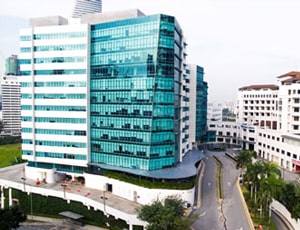
Kuala Lumpur, Malaysia

277+ Beds · 284+ Procedures
MSQH

Istanbul, Turkey

112+ Beds · 233+ Procedures
JCI

Dubai, United Arab Emirates

4.5 - 1 review · 100+ Beds · 165+ Procedures
JCI

Novena, Singapore

313+ Beds · 202+ Procedures
JCI

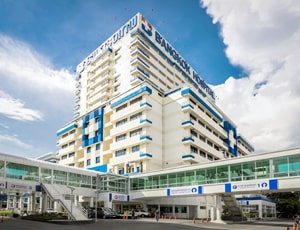
Bangkok, Thailand

580+ Beds · 255+ Procedures
JCI

Seoul, South Korea

2700+ Beds · 245+ Procedures
ISO

Singapore, Singapore

345+ Beds · 203+ Procedures
JCI

Delhi, India

5.0 - 1 review · 650+ Beds · 302+ Procedures
JCI NABH

Dubai, United Arab Emirates

100+ Beds · 161+ Procedures
JCI

Bangkok, Thailand

263+ Beds · 229+ Procedures
JCI

Get Your Legg-Calve-Perthes Disease (LCPD) Treatment
Plan in 24 hrs.

Our experienced Medical Patient Advisors have supported 100,000+ patients across 120+ countries with personalised treatment plans, hospital recommendations, cost estimates, and travel assistance, all free.

HIPAA-Compliant Data SecurityShared Only with Your Consent

Free Consultation No Obligation Personalized Treatment Plan Response Within 24 Hours

Required | alphabets and spaces
Required | A valid, working email address
Required | A valid contact

Your medical info is kept HIPAA-style confidential. We never share with hospitals without your consent.

Process Involved for Legg-Calve-Perthes Disease (LCPD) Treatment

Treatment Stages for Legg-Calve-Perthes Disease (LCPD) Treatment are:-

  • Initial Stage (Diagnosis and Rest): At this stage, the main goal is to reduce pain and inflammation. Children are advised to rest and avoid putting weight on the affected leg. Pain relief medications and activity restrictions are commonly introduced.
  • Containment Stage (Maintaining Hip Shape): The focus is on keeping the ball of the thighbone (femoral head) well-positioned within the hip socket. Braces, crutches, or special casts may be used. Physical therapy helps preserve hip mobility.
  • Reossification Stage (Bone Healing Begins): Doctors closely monitor hip development through regular X-rays as the bone starts to re-form. Movement and strength exercises are gradually increased under supervision.
  • Remodelling Stage (Bone Reshaping): The femoral head continues to heal and reshape itself. At this point, most children regain near-normal joint function. If deformities remain, surgical correction may be considered.
  • Recovery and Long-Term Follow-Up: Ongoing physiotherapy supports muscle strength and flexibility. Long-term check-ups are needed to monitor joint health and detect any early signs of arthritis or complications.

The following conditions are treated in Legg-Calve-Perthes Disease (LCPD) Treatment:

  • Loss of Blood Flow to the Hip Bone: LCPD treatment focuses on managing the temporary loss of blood supply to the ball-shaped part of the hip, which can lead to bone damage.
  • Reduced Hip Movement: It helps improve joint flexibility and reduce stiffness caused by the damaged hip structure.
  • Bone Deformity or Poor Joint Fit : The treatment reshapes and guides the proper growth of the thigh bone so it fits well in the hip socket.
  • Weak Hip Muscles: Strengthening exercises improve the muscles around the hip and support joint function.
  • Long-Term Hip Pain and Uneven Walking: Pain control, physical therapy, and assistive devices aim to ease discomfort and correct limping.
  • Initial Assessment and Diagnosis: The process begins with a physical examination, followed by imaging tests like X-rays or MRI to confirm LCPD and evaluate the severity of femoral head damage.
  • Pain Management and Activity Modification: Anti-inflammatory medications may be prescribed to ease discomfort. Children are usually advised to limit high-impact activities that stress the hip joint, such as running or jumping.
  • Physical Therapy: A guided physiotherapy program helps maintain hip range of motion and muscle strength. Stretching and low-impact exercises are introduced to prevent stiffness and improve mobility.
  • Assistive Devices (if needed): In some cases, crutches or braces reduce pressure on the affected hip and allow the bone to heal correctly.
  • Surgical Intervention: If the condition is severe or doesn’t improve with conservative measures, surgery (such as osteotomy or joint realignment) may be needed to reshape or stabilise the hip joint.
  • Follow-Up and Monitoring: Regular check-ups with imaging are essential to track bone healing and ensure the hip remains in the correct position. Treatment is adjusted as the child grows.
  • Long-Term Rehabilitation: Once healing progresses, children undergo long-term physiotherapy and lifestyle modifications to restore full function and avoid future joint problems like early arthritis.
  • Osteotomy
  • Physiotherapy
  • Bracing
  • Casting
  • Arthrography
  • Traction
  • Rehabilitation
  • Monitoring

Benefits of Legg-Calve-Perthes Disease (LCPD) Treatment include:

  • Pain Relief: Treatment helps reduce hip pain and discomfort, improving the child’s daily comfort.
  • Improved Hip Mobility: Therapy and proper care restore joint flexibility and movement.
  • Correct Bone Growth: Early treatment guides proper reshaping of the femoral head, supporting healthy bone development.
  • Better Quality of Life: With reduced pain and improved movement, children can return to normal activities and enjoy better overall well-being.
  • Lower Risk of Future Arthritis: Managing LCPD early helps prevent long-term joint damage and reduces the chances of early-onset hip arthritis.

The following are the treating team members for Legg-Calve-Perthes Disease (LCPD) Treatment:

  • Orthopedic Surgeon
  • Pediatrician
  • Physiotherapist
  • Radiologist
  • Rehabilitation Specialist
  • Pain Specialist
  • Occupational Therapist
  • Nurse
  • Psychologist
  • Fill out the inquiry form: Please complete the form to provide us with relevant information about your condition.
  • Consult with Our Healthcare Expert: One of our qualified specialists will contact you for a consultation.
  • Receive a Detailed Treatment Plan: After examining your situation, we will provide you with a detailed treatment plan that includes expert views and cost breakdowns for various choices.
  • Choose your preferred option: Choose the therapy option that best suits you.
  • Seamless Organisation: We will manage all the details, including visas, flights, accommodations, and transfers, for a stress-free journey.
Jenny Wilson
Your Dedicated Medical Patient Advisor
Treatment planning • Hospital coordination • Multilingual support • Response within 15 minutes.
Our Services to Better your Experience

Opinion & Option

We submit the most accurate opinion and options from one or more countries for your review

Consult Privately

Consult with a certified specialist privately on our telemedicine platform even before you decide to travel

Logistics

We handle flights, visas, transfers, and accommodation—so you can focus on your health.

Recovery

Our In-house rehabilitation service packages to better your recovery and treatment outcome

Not Sure About Your Treatment Plan? Get a Free Second Opinion

Have your reports reviewed by independent oncology experts to help you make a confident treatment decision, all online within 48 hours.

Upload Your Reports
Free second opinion on your CAR-T plan