Your Notifications
All done, no notifications

Knock Knee Surgery Cost in United Arab Emirates

USD 4000 - USD 30000

Affordable World-class Treatment - Accredited Hospitals - Free Treatment Plan in 24 Hrs

6
Days in Hospital
2-4 hrs
Procedure Time
90 - 95%
Success Rate
Knock Knee Surgery
JCI/ISO 100,000+ Patients 24X7 Coordinator Visa & Travel handled
Your all-in-one medical travel platform for treatment, recovery & care.

Get Your Personalised Treatment Plan in Just 24 Hours.

Share your details to receive a personalised treatment plan, estimated costs, hospital recommendations, and expert guidance, “completely free.”

Required | alphabets and spaces
Required | A valid, working email address
Required | A valid contact
Connect with an Expert

Your information is protected with HIPAA-compliant security standards. We only share your details with hospitals after your consent.

Estimated Treatment Cost
USD 4000 - USD 30000
All-inclusive • Hospital + Medications + Recovery Assistance + Dedicated Care Coordinator

International Quality. Affordable Care.

How Much Does Knock Knee Surgery Cost in United Arab Emirates?

Knock Knee Surgery in United Arab Emirates typically costs between USD 13000 - USD 24000.

Estimated costs might include expenses from doctor visits, testing, surgery, staying at the hospital and surgery-related complications. The expenses might also include costs like medications, rehabilitation, therapy, and follow-ups.

Factors Influencing the Cost of Knock Knee Surgery

  • Costs in Hospitals: Costs of treatment differ in various hospitals and regions. Public hospitals and specialist clinics may charge lower amounts than advanced private hospitals, as the latter are equipped with ultra-modern facilities and a large array of services for patients.
  • Pre-Surgical Diagnostic Tests: Some diagnostic procedures, such as X-ray, CT scan, MRI scan, and blood tests, may be needed before surgery to assess the patient's bone condition. Each procedure will cost a certain amount of money and will add to the treatment costs.
  • Experience of the Surgeon: The qualifications of the surgeon, the level of expertise in surgeries, and the amount of experience can influence his/her fees. Complex deformity correction procedures require a specialist who possesses relevant knowledge and skills in corrective surgery.
  • Rehabilitation After Surgery: To recover properly after knock knee surgery, it is crucial to undergo physiotherapy and rehabilitation procedures. The duration and intensity of rehabilitation procedures can differ from one patient to another and can therefore influence the final cost.
  • Supportive Equipment: During recuperation, patients might be advised to use crutches, knee braces, or individual orthopedic devices. The particular equipment and the period for which it is used contribute to the total cost.
  • Hospital Stay and Post-Operative Care: The length of hospitalisation may vary depending on the surgical procedure and the patient's recovery. Additional inpatient care, medications, wound care, and follow-up assessments may increase the total treatment cost.

What's included in your Knock Knee Surgery quote?

Comprehensive tests and imaging
X-rays, bone healing assessment, implant evaluation, and scheduled follow-up consultations
Orthopedic specialists team
Comprehensive evaluation, deformity analysis, gait assessment, and personalized surgical planning
Hospital stay + ICU as needed
2-5 days post-operative monitoring, pain management, wound care, and assisted mobilisation
Country stay monitoring
Customised rehabilitation program focusing on gait correction, muscle strengthening, range of motion, and balance training
Visa & medical-visa invite letter
Airport pickup & transfers

Cost of Knock Knee Surgery in Major Cities of United Arab Emirates

CityCost (USD)
Abu Dhabi $13,000 – $24,000 Explore More
Dubai $13,000 – $24,000 Explore More
Sharjah $13,000 – $24,000 Explore More

Knock Knee Surgery - United Arab Emirates Vs the World

$6k - $12k
$7k - $12k
$7k - $13k
$8k - $15k
$9k - $17k
$12k - $22k
$12k - $22k
$14k - $26k
$15k - $28k
$18k - $35k
$20k - $32k
$25k - $60k
Dr. Shagufta Parveen
Author

Doctor of Pharmacy

3 Years of Experience

Dr. Shagufta Parveen is a Clinical researcher and medical writer with expertise in clinical pharmacology and pharmacotherapeutics. She holds a B.Pharm and Doctor of Pharmacy (Post-Baccalaureate) degree from Teerthanker Mahaveer University, Moradabad.

During her clinical stint at BLK-Max Super Speciality Hospital and Indraprastha Apollo Hospital, she gained hands-on experience in the Clinical Pharmacology Department. Combining scientific knowledge with strong medical writing skills, Dr. Shagufta develops evidence-based healthcare content, treatment guides, and patient education resources.

Her work focuses on simplifying complex medical concepts while maintaining scientific accuracy, helping readers better understand healthcare advancements and treatment options.

In addition to her writing expertise, she is actively involved in scientific research and has contributed to peer-reviewed publications.

Her research work is accessible through the following links:

https://scholar.google.com/citations?user=lMVK1eIAAAAJ&hl=en

https://carcinogenesis.com/index.php/JOC/article/view/870

https://carcinogenesis.com/index.php/JOC/article/view/868

https://wjpsronline.com/abstract/0000000760

View More
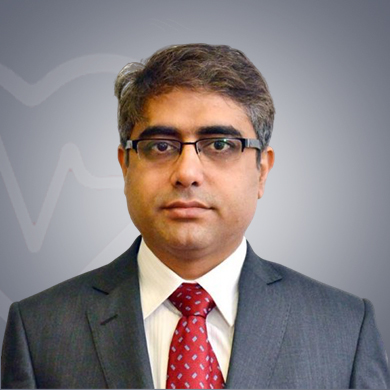
Dr. Manoj Miglani
Reviewer

Orthopedic Surgeon

22 Years of Experience

Last Reviewed - June 2026

Known for his soft-spoken nature, Dr. Manon Miglani had completed his MBBS from Maulana Azad Medical College and MS (Ortho) for All India Institute of Medical Sciences. Dr. Miglani was awarded AO spine fellowship from Queen’s Medical Center, Nottingham and he also received Stryker fellowship in Arthroplasty from Indraprastha Apollo Hospital. Dr. Manon Miglani has provided his expert services to various hospitals of Delhi and NCR including AIIMS, Indraprastha Apollo, Jaipur Golden hospital, and Artemis hospital Presently, Dr. Manon is the additional director of Fortis, Vasant Kunj and senior consultant at Fortis, Shalimar Bagh.
View More

Need Help Choosing the Right Treatment? Talk to a Medical Advisor

Our dedicated Medical Patient Advisors are here to answer your questions, help you compare treatment options, estimate costs, and guide you through every step of your healthcare journey.

15 min
Average response time

Serving Patients Worldwide in Multiple Languages.

Knock-knee surgery corrects the inward angling of the knees, improving leg alignment and joint function. The primary goal is to alleviate discomfort, prevent joint damage, and restore a natural walking posture.

The surgery usually involves an osteotomy, where the bone is cut and repositioned to align the knees correctly. Depending on the case, either minimally invasive techniques or traditional open surgery may be used. Soft tissues around the knee are sometimes adjusted to support better alignment.

Recovery includes using crutches for a few weeks and following a tailored physiotherapy plan. This helps strengthen muscles, improve flexibility, and speed up the return to normal activities.

In most cases, patients experience better leg alignment, reduced pain, and a significantly improved quality of life after rehabilitation.

Knock-knee surgery is performed to realign the knees, improve walking mechanics, and relieve pain caused by abnormal stress on joints. It prevents early arthritis and improves physical appearance and function.It\u2019s usually needed when non-surgical methods fail.

See a doctor if your knees touch but ankles remain apart, causing pain, limping, or joint strain.If deformity persists after childhood or worsens over time, evaluation is needed. Chronic knee pain, poor posture, and difficulty walking are key triggers.

You\u2019ll undergo X-rays, gait analysis, and blood tests to assess deformity and overall health. Doctors may advise stopping certain medications like blood thinners. Fasting is required before surgery, and physiotherapy guidance may be given pre-op.

A small cut is made, and the bone is either cut and realigned (osteotomy) or guided growth is used in children.Metal plates, rods, or screws are inserted to fix the alignment. Surgery is typically done under general or spinal anesthesia.

The surgery takes about 1 to 2 hours, depending on the complexity and method used. Hospital stay may last 1\u20133 days. Recovery starts the same day or next day with gradual mobilization.

Risks include infection, blood clots, nerve damage, or non-union of bone. There may be temporary swelling, stiffness, or implant issues. Proper post-op care minimizes most complications.

Improved leg alignment reduces pain and improves gait and joint function. It prevents or delays arthritis and enhances posture. Patients often return to sports and normal activities with better mobility.

Initial recovery takes 4\u20136 weeks with crutches or brace support. Physiotherapy is crucial for full function and muscle strength. Complete healing may take 3\u20136 months depending on age and procedure.

Success rate ranges between 85%\u201395%, especially in younger patients. Most patients regain near-normal alignment and mobility. Outcomes depend on surgical expertise and adherence to rehab.

90-95%

Complete remission (pediatric ALL)

6-8 weeks

Initial bone healing with gradual progression to full weight-bearing

4-6 months

Typical return to normal daily activities; complete recovery may take longer
Explore Hospitals ( 12 )

Dubai, United Arab Emirates

4.5 - 1 review · 100+ Beds · 165+ Procedures
JCI
Starting
USD 5000

Dubai, United Arab Emirates

100+ Beds · 161+ Procedures
JCI
Starting
USD 18000

Dubai, United Arab Emirates

1.0 - 1 review · 114+ Beds · 208+ Procedures
JCI NABH NABL
Starting
USD 5000

Sharjah, United Arab Emirates

3.3 - 5 reviews · 137+ Beds · 204+ Procedures
JCI
Starting
USD 12000

Dubai, United Arab Emirates

4.6 - 1 review · 300+ Beds · 212+ Procedures
JCI
Starting
USD 18000

Abu Dhabi, United Arab Emirates

3.0 - 2 reviews · 750+ Beds · 177+ Procedures
JCI
Starting
USD 15000

Abu Dhabi, United Arab Emirates

500+ Beds · 223+ Procedures
JCI
Starting
USD 12000

Sharjah, United Arab Emirates

75+ Beds · 247+ Procedures
JCI
Starting
USD 8000

Dubai, United Arab Emirates

220+ Beds · 215+ Procedures
Starting
USD 16500

Abu Dhabi, United Arab Emirates

209+ Beds · 126+ Procedures
JCI
Starting
USD 7000

Get Your Knock Knee Surgery
Plan in 24 hrs.

Our experienced Medical Patient Advisors have supported 100,000+ patients across 120+ countries with personalised treatment plans, hospital recommendations, cost estimates, and travel assistance, all free.

HIPAA-Compliant Data SecurityShared Only with Your Consent

Free Consultation No Obligation Personalized Treatment Plan Response Within 24 Hours

Required | alphabets and spaces
Required | A valid, working email address
Required | A valid contact

Your medical info is kept HIPAA-style confidential. We never share with hospitals without your consent.

Process Involved for Knock Knee Surgery in United Arab Emirates

  • Initial Evaluation: The diagnosis is confirmed through a physical examination and imaging tests, such as X-rays or magnetic resonance imaging (MRI). This helps identify the type of impingement and plan the surgery accordingly.
  • Surgery: A minimally invasive approach, usually hip arthroscopy, uses small incisions to reshape the bone or repair damaged tissues.
  • Post-Surgery Care: Pain relief is provided after surgery, and the patient is advised to limit weight-bearing using crutches or a walker to protect the joint.
  • Rehabilitation: Physical therapy begins shortly after the procedure to improve flexibility, strength, and mobility over the following weeks.
  • Follow-up: Ongoing checkups are scheduled to monitor progress, manage complications, and guide patients in returning to daily activities and sports.

The following conditions are treated in knock-knee surgery:

  • Labral Tears: Damage to the cartilage that forms the labrum, which helps stabilise the hip joint, often caused by abnormal bone contact during movement.
  • Osteoarthritis is the degeneration of cartilage in the hip joint, leading to pain, stiffness, and reduced mobility. It often results from impingement over time.
  • Bone Spurs (Osteophytes): Abnormal bone growths that develop in the hip joint due to repeated friction, contributing to pain and restricted movement.
  • Hip Impingement: Abnormal bone contact between the femur and acetabulum, leading to joint damage, pain, and limited range of motion.
  • Cartilage Damage: Wear and tear or injury to the articular cartilage inside the hip joint, which can be aggravated by the abnormal movement of bones during hip impingement.
  • Snapping Hip Syndrome: A snapping or clicking sensation occurs in the hip during movement, often linked to the structural changes caused by FAI.
  • Initial Assessment: The first step in determining whether surgery is necessary involves a thorough evaluation. The doctor conducts a physical examination and may order imaging tests, such as X-rays, to assess the severity of the knock-knee condition. This helps determine if surgery is the best option and which procedure would be most suitable for the patient.
  • Pre-Surgical Planning: Once surgery is deemed necessary, further imaging tests, such as CT scans, may be performed to map the degree accurately. The medical team will assess the patient's overall health to ensure they are fit for surgery and provide clear preparation instructions. This includes guidelines for preoperative tests and fasting before the procedure.
  • Surgical Procedure: In most cases, surgery involves a procedure known as osteotomy, where the bones are realigned to correct the knee's angle. The surgeon will make an incision, reposition the bones, and secure them using surgical plates, screws, or rods. The aim is to restore proper alignment and improve the overall function of the knee joint.
  • Additional Adjustments (if needed): Depending on the patient's specific needs, the surgeon may also need to adjust surrounding tissues, such as ligaments or tendons, to enhance knee stability and support. These adjustments ensure the knee functions correctly and support the healing process.
  • Postoperative Care and Immobilisation: After surgery, the incision is carefully closed, and the knee is often immobilised with a brace or cast to protect the joint during the initial healing phase. Patients will be advised not to put weight on the knee and may need to use crutches for support during the early stages of recovery.
  • Rehabilitation and Recovery: Physical therapy plays a crucial role in the recovery process following knee surgery. The rehabilitation process focuses on restoring strength, flexibility, and range of motion to the knee. Over time, patients are encouraged to return to their normal activities gradually. Recovery can take several months, and follow-up appointments are essential to monitor progress and adjust the rehabilitation plan.
  • Osteotomy
  • Arthroscopy
  • Physiotherapy
  • Ligamentoplasty
  • CartilageRepair
  • KneeReplacement

Benefits of knock-knee surgery include:

  • Improved Leg Alignment – Corrects the inward angling of knees for a straighter posture.
  • Better Mobility – Enhances walking ability and overall movement.
  • Pain Relief – Reduces joint pain caused by uneven pressure on knees.
  • Lower Risk of Arthritis – Helps prevent long-term joint damage and osteoarthritis.
  • Boosted Confidence – Improves physical appearance and self-esteem.
  • Please complete the inquiry form to provide us with relevant information about your condition.
  • Consult with Our Healthcare Expert: One of our qualified specialists will contact you for a consultation.
  • Receive a Detailed Treatment Plan: After examining your situation, we will provide you with a detailed treatment plan that includes expert opinions and a cost breakdown for various options.
  • Select your preferred option: Choose the therapy option that best suits your needs.
  • Seamless Organisation: We will manage all the details, including visas, flights, accommodations, and transfers, for a stress-free journey.
Jenny Wilson
Your Dedicated Medical Patient Advisor
Treatment planning • Hospital coordination • Multilingual support • Response within 15 minutes.
Our Services to Better your Experience

Opinion & Option

We submit the most accurate opinion and options from one or more countries for your review

Consult Privately

Consult with a certified specialist privately on our telemedicine platform even before you decide to travel

Logistics

We handle flights, visas, transfers, and accommodation—so you can focus on your health.

Recovery

Our In-house rehabilitation service packages to better your recovery and treatment outcome

Patient Stories

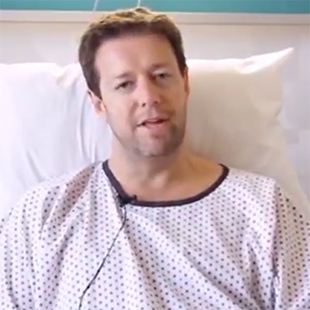
Kevin Stewart
Kevin Stewart
Kevin Stewart: Slip Disc Treatment in UAE

Kevin Stewart from Scotland could barely walk straight due to a Slip Disc. He faced many discomforts for the past…

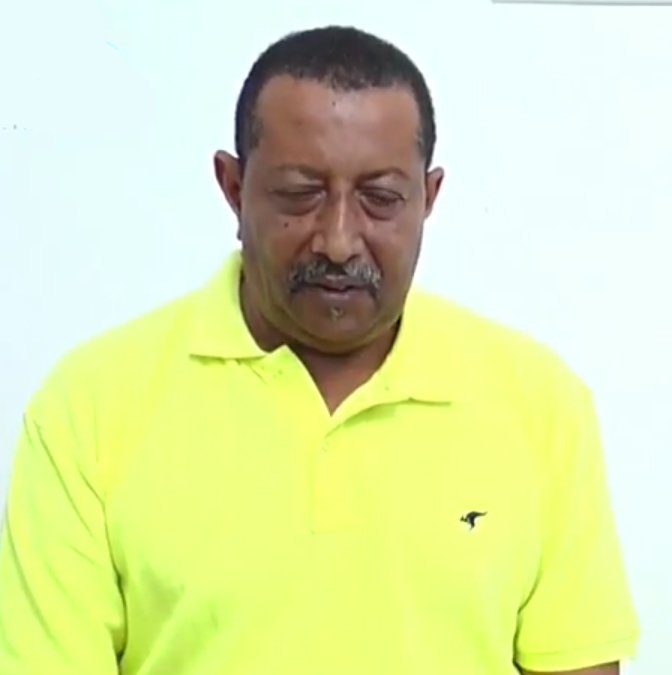
Mr.Mohamed Dumia
Mr.Mohamed Dumia
Mr.Mohamed Dumia: Knee Replacement

Mr. Muhammed Dumia was suffering from painful left Knee and was in considerable pain for the last 2 months. He…

Frequently Asked Questions

The cost of Knock Knee Surgery in United Arab Emirates depends on the patient's age, severity and cause of the deformity, type of surgery, diagnostic tests, surgeon and hospital fees, anaesthesia, implants or fixation devices, hospital stay, and rehabilitation. Costs may also differ between children requiring growth-guided correction and adults requiring corrective osteotomy.MediGence can help international patients obtain a personalised treatment estimate based on their medical records, imaging, and proposed treatment.

Patients should look for hospitals with experienced orthopaedic or paediatric orthopaedic surgeons, advanced limb-alignment imaging, modern operating facilities, and dedicated rehabilitation services.Hospitals experienced in corrective osteotomy, growth-guided procedures, limb reconstruction, and knee preservation may be suitable depending on the patient's age and condition.

Choose a specialist experienced in treating genu valgum and performing corrective alignment procedures. For children, a paediatric orthopaedic surgeon may be appropriate, while adults may require a knee or limb-alignment specialist.The doctor should assess the patient's age, skeletal maturity, degree of deformity, mechanical alignment, symptoms, and X-ray findings before recommending surgery.

The outcome depends on the patient's age, cause and severity of the deformity, surgical technique, associated joint problems, and postoperative rehabilitation.Successful treatment may result in improved leg alignment, walking mechanics, knee function, and pain. In children, the outcome also depends on remaining growth and appropriate timing of treatment.

Hospitals may use standing long-leg X-rays, digital alignment assessment, MRI or CT when required, computer-assisted planning, intraoperative imaging, and specialised fixation systems.Treatment can include growth-guided surgery in children or corrective osteotomy in adults and selected older patients. Plates, screws, or other fixation devices may be used to maintain the corrected alignment.

Possible risks include:
  • Infection
  • Bleeding
  • Nerve or blood vessel injury
  • Blood clots
  • Knee stiffness
  • Delayed bone healing
  • Non-union or malunion
  • Incomplete or excessive correction
  • Recurrence of deformity
  • Growth disturbance in children
  • Implant irritation or failure
  • Persistent pain
  • Need for additional surgery
  • Anaesthesia-related complications
  • Share recent X-rays, alignment studies, medical records, previous treatment details, and medication information with the treating specialist before travelling.Patients should also discuss the planned procedure, hospital stay, mobility restrictions, rehabilitation, and follow-up schedule. International patients should arrange suitable accommodation and transportation for the early recovery period.

    Yes. An online consultation with an orthopaedic or paediatric orthopaedic specialist can be arranged before travelling. The doctor can review imaging, medical history, symptoms, and previous treatment to determine whether surgery may be appropriate.MediGence can assist with consultation coordination and secure sharing of medical records with suitable specialists.

    Patients should carry:
  • Passport and identification documents
  • Standing or long-leg X-rays
  • Alignment reports, if available
  • MRI or CT reports when applicable
  • Previous orthopaedic records
  • Previous surgery or injury reports
  • Recent blood tests
  • Current medication list
  • Allergy information
  • Relevant medical history
  • Digital copies of important records should also be kept for easy access.

    The stay depends on the type of surgery, the patient's age, whether one or both legs are treated, recovery, and the need for follow-up.Patients undergoing corrective osteotomy may require a longer stay than those undergoing simpler growth-guided procedures. International patients should remain until the surgeon confirms satisfactory recovery, wound condition, and safe mobility.

    Recovery depends on the procedure performed. Children undergoing growth-guided surgery may return to normal activities sooner, although regular monitoring is required.Corrective osteotomy generally requires a longer recovery because the bone needs to heal. Physiotherapy, protected weight-bearing, crutches, or a brace may be required during recovery. Return to sports and strenuous activities should follow the surgeon's clearance.

    Patients should contact their treating team if they experience severe pain, increasing swelling, fever, wound discharge, numbness, weakness, or changes in limb colour or temperature.Depending on the complication, treatment may involve medication, additional monitoring, physiotherapy, imaging, prolonged weight-bearing restrictions, or revision surgery.

    International patients can submit their medical records and imaging through MediGence. The care team can help identify suitable hospitals and specialists, arrange consultations, develop a treatment plan, and coordinate medical travel requirements.The final surgical recommendation is made by the treating orthopaedic specialist after a detailed evaluation.

    United Arab Emirates may offer access to experienced orthopaedic specialists, advanced limb-alignment imaging, modern corrective procedures, specialised fixation systems, and rehabilitation facilities.Patients should compare hospitals based on accreditation, specialist expertise, surgical infrastructure, patient safety standards, and postoperative care rather than cost alone.

    Treatment depends on age, skeletal maturity, severity of genu valgum, symptoms, and underlying cause. Options may include:
  • Observation and monitoring
  • Physiotherapy
  • Activity modification
  • Orthotic support in selected cases
  • Growth-guided surgery
  • Hemiepiphysiodesis
  • Distal femoral osteotomy
  • Proximal tibial osteotomy in selected cases
  • Combined corrective osteotomy
  • Internal or external fixation
  • Treatment of associated knee conditions
  • Knee replacement in selected adults with advanced joint damage
  • The treating specialist will select the most appropriate approach based on the patient's clinical and imaging findings.

    International patients may choose United Arab Emirates for access to specialised orthopaedic centres, experienced knee and paediatric orthopaedic surgeons, advanced imaging, corrective alignment procedures, and rehabilitation services.MediGence can assist with hospital selection, specialist consultations, medical record coordination, treatment planning, and travel support. The final destination should be selected according to the patient's age, deformity, treatment needs, and the hospital's expertise in knock knee correction.

    Not Sure About Your Treatment Plan? Get a Free Second Opinion

    Have your reports reviewed by independent oncology experts to help you make a confident treatment decision, all online within 48 hours.

    Upload Your Reports
    Free second opinion on your CAR-T plan