Your Notifications
All done, no notifications

Carpal Tunnel Release Cost in United Kingdom

USD 2000 - USD 45000

Affordable World-class Treatment - Accredited Hospitals - Free Treatment Plan in 24 Hrs

15-45 min
Procedure Time
85 - 95%
Success Rate
JCI/ISO 100,000+ Patients 24X7 Coordinator Visa & Travel handled
Your all-in-one medical travel platform for treatment, recovery & care.

Get Your Personalised Treatment Plan in Just 24 Hours.

Share your details to receive a personalised treatment plan, estimated costs, hospital recommendations, and expert guidance, “completely free.”

Required | alphabets and spaces
Required | A valid, working email address
Required | A valid contact
Connect with an Expert

Your information is protected with HIPAA-compliant security standards. We only share your details with hospitals after your consent.

Estimated Treatment Cost
USD 2000 - USD 45000
All-inclusive • Hospital + Medications + Recovery Assistance + Dedicated Care Coordinator

International Quality. Affordable Care.

How Much Does Carpal Tunnel Release Cost in the United Kingdom?

The cost of Carpal Tunnel Release in the United Kingdom is USD 3100 - USD 3400

The total amount will depend on the severity of the condition, the surgical method used, the geographic location, the hospital's prestige, the surgeon's credentials, and the patient's condition. Additional costs are associated with various medical examinations before surgery, anaesthesia, medicine, aftercare visits and rehabilitation.

Factors Influencing the Cost of Carpal Tunnel Release:

  • Surgical Procedure: Costs differ depending on whether the carpal tunnel is surgically opened using one of the two methods mentioned above. The minimally invasive option tends to be the most expensive.
  • Hospital Location: Treatment costs differ between hospitals and cities. Specialised hospitals for orthopedic surgery may charge more due to advanced technology and experience.
  • Experience of the Surgeon: Highly experienced hand surgeons or orthopedic specialists may have higher professional charges.
  • Pre-Treatment Evaluation: The cost of treatment includes costs associated with procedures performed at the time of evaluation, including consultation, nerve conduction studies (NCS), electromyography (EMG), blood tests, and anaesthesia evaluation. In some cases, ultrasound may be advised.
  • Post-Surgery Recovery: The cost of treatment increases due to the need for medications, wrist splints (if applicable), physiotherapy and consultations after the intervention.
  • Hospitalisation: Carpal tunnel release can be performed as a day procedure. Hospital admission for carpal tunnel surgery is rare and takes place only if complications arise or if there are some existing medical conditions.

What's included in your Carpal Tunnel Release quote?

Key: Carpal Tunnel Release
Surgical procedure to relieve pressure on the median nerve and restore hand function
Orthopedic/Hand surgeon consultation
Pre-surgery evaluation, treatment planning, and follow-up consultations
Procedure & supportive care
Surgery, anesthesia, nursing care, and recovery monitoring
Follow-up monitoring
Wound assessment, hand function evaluation, and routine follow-up visits
Visa & medical-visa invite letter
Airport pickup & transfers

Cost of Carpal Tunnel Release in Major Cities of United Kingdom

CityCost (USD)
Bury Saint Edmunds $2,790 – $3,060 Explore More
Carmarthen $2,790 – $3,060 Explore More
Cheadle $2,790 – $3,060 Explore More
Darlington $2,790 – $3,060 Explore More
London $3,100 – $3,400 Explore More
Northwood $2,790 – $3,060 Explore More
Reading $2,790 – $3,060 Explore More

Carpal Tunnel Release - United Kingdom Vs the World

$0 - $0
$472 - $1k
$800 - $2k
$1k - $4k
$1k - $16k
$2k - $4k
$2k - $4k
$2k - $4k
$2k - $4k
$2k - $3k
$2k - $7k
$2k - $6k
Dr. Vishwas Kaushik
Author

MBBS, MD

7 Years of Experience

Dr. Vishwas Kaushik is a qualified medical professional holding an MBBS from the prestigious Belgorod State University, Russia, with a strong foundation in clinical medicine and healthcare practice. His comprehensive medical training has equipped him with a profound understanding of evidence-based clinical practices, patient-centered care, and the evolving landscape of modern medicine. With a keen interest in medical research and scientific communication, he consistently translates complex clinical concepts into clear, accurate, and accessible content for diverse audiences. His work reflects a deep commitment to advancing medical knowledge, delivering impactful healthcare insights, and bridging the gap between clinical expertise and accessible medical communication.
View More
Dr. Manoj Miglani
Reviewer

Orthopedic Surgeon

22 Years of Experience

Last Reviewed - June 2026

Known for his soft-spoken nature, Dr. Manon Miglani had completed his MBBS from Maulana Azad Medical College and MS (Ortho) for All India Institute of Medical Sciences. Dr. Miglani was awarded AO spine fellowship from Queen’s Medical Center, Nottingham and he also received Stryker fellowship in Arthroplasty from Indraprastha Apollo Hospital. Dr. Manon Miglani has provided his expert services to various hospitals of Delhi and NCR including AIIMS, Indraprastha Apollo, Jaipur Golden hospital, and Artemis hospital Presently, Dr. Manon is the additional director of Fortis, Vasant Kunj and senior consultant at Fortis, Shalimar Bagh.
View More

Need Help Choosing the Right Treatment? Talk to a Medical Advisor

Our dedicated Medical Patient Advisors are here to answer your questions, help you compare treatment options, estimate costs, and guide you through every step of your healthcare journey.

15 min
Average response time

Serving Patients Worldwide in Multiple Languages.

“Carpal tunnel decompression”, also known as “carpal tunnel release,” is a surgical procedure designed to alleviate symptoms associated with carpal tunnel syndrome.

The carpal tunnel is a narrow passageway in the wrist through which the median nerve and several tendons travel from the forearm to the hand. Responsible for controlling movement in most fingers except the pinky, the median nerve can become compressed within this tunnel due to excessive pressure. This compression leads to symptoms such as numbness, tingling, weakness, or pain in the fingers, collectively known as carpal tunnel syndrome.

Treatment for carpal tunnel syndrome varies based on severity and symptom duration. Initially, physicians typically recommend non-surgical approaches like corticosteroid injections and wrist splints to alleviate symptoms. However, if symptoms persist or worsen, surgery may be advised under certain circumstances. Surgery becomes necessary if there's confirmed nerve damage causing loss of finger or hand function, or if symptoms persist despite two to seven weeks of non-surgical treatment. Additionally, difficulty in daily activities due to reduced thumb strength, loss of sensation, or coordination issues, along with sleep disturbances caused by pain, may warrant surgical intervention, especially if rheumatoid arthritis is the underlying cause.

Carpal tunnel treatment surgery, usually an open technique, involves making an incision in the transverse carpal ligament, which forms the tunnel's roof. By enlarging this space, the surgery aims to alleviate pressure on the median nerve and tendons, thereby providing relief from symptoms. This procedure creates more room for the nerve and tendons to pass through the tunnel, ultimately reducing pressure and restoring hand function. Overall, surgical treatment aims to improve symptoms and enhance the individual's quality of life affected by carpal tunnel syndrome.

It alleviates pressure on the median nerve in the wrist caused by compression within the carpal tunnel. It is generally performed when conservative management fails and symptoms, such as numbness, tingling, and weakness, prevent the patient from carrying out daily activities.

A doctor should be consulted if you experience constant numbness and pain in your hands, particularly at night, accompanied by weakness in your hands or thumbs, or if you find problems gripping objects. An early diagnosis will prevent your nerve from permanently being damaged.

Most surgeries require nerve testing (EMG/NCS) to confirm the diagnosis beforehand. Tell your doctor about all medications and health conditions. You will usually be told to stop taking blood thinners. Also, arrange for someone to drive you home after the procedure.

The procedure can be done through open or endoscopic techniques. Under local or regional anesthesia, the ligament pressing on the nerve is cut to relieve pressure. It is usually carried out on an outpatient basis.

The procedure usually lasts 15 to 30 minutes, and most patients are discharged home the same day.

  • Infection
  • Nerve injury
  • Stiffness
  • Scar tenderness
  • Incomplete symptom relief

While it provides pain relief, numbness, and tingling, the procedure also strengthens hand function. Most patients experience a marked improvement in their symptoms and quality of life.

Mild pain and swelling can be expected after surgery. Early hand motion is encouraged, although heavy use is discouraged for a few weeks. The patients take approximately 4-6 weeks to recover fully and return to normal activities; some may take longer.

Success rates remain relatively high, between 85 and 95%, with most reporting a lasting relief in symptoms and improvement in hand function.

90–95%

Success rate for symptom relief and improved hand function

Same day

Typical hospital stay (outpatient procedure)

2–6 weeks

Return to normal daily activities depending on recovery and hand rehabilitation
Explore Hospitals ( 9 )

London, United Kingdom

234+ Beds · 425+ Procedures
JCI
Starting
USD 6000

Darlington, United Kingdom

38+ Beds · 205+ Procedures
Starting
USD 4500

Carmarthen, United Kingdom

19+ Beds · 189+ Procedures
Starting
USD 12000

Reading, United Kingdom

159+ Procedures
Starting
USD 2000

London, United Kingdom

178+ Procedures
Starting
USD 22000

Bury Saint Edmunds, United Kingdom

137+ Procedures
Starting
USD 4800

London, United Kingdom

82+ Beds · 221+ Procedures
Starting
USD 14000

Northwood, United Kingdom

42+ Beds · 123+ Procedures
Starting
USD 4000

Cheadle, United Kingdom

183+ Procedures
NABH
Starting
USD 25000

Get Your Carpal Tunnel Release
Plan in 24 hrs.

Our experienced Medical Patient Advisors have supported 100,000+ patients across 120+ countries with personalised treatment plans, hospital recommendations, cost estimates, and travel assistance, all free.

HIPAA-Compliant Data SecurityShared Only with Your Consent

Free Consultation No Obligation Personalized Treatment Plan Response Within 24 Hours

Required | alphabets and spaces
Required | A valid, working email address
Required | A valid contact

Your medical info is kept HIPAA-style confidential. We never share with hospitals without your consent.

Process Involved for Carpal Tunnel Release in United Kingdom

  • Consultation with a specialist: To confirm CTS, a hand surgeon evaluates symptoms, medical history, and diagnostic tests such as nerve conduction studies or electromyography (EMG).
  • Preoperative Testing: Diagnostic tests may include imaging (X-rays, ultrasound) or nerve studies to assess the severity of nerve compression.
  • Personalised Treatment Plan: The surgeon explains the procedure, expected recovery, and post-surgery care. Open or endoscopic release options are discussed based on the patient’s condition.
  • Surgical Procedure: The surgeon performs the carpal tunnel release to relieve pressure on the median nerve.
  • Postoperative Care: Pain management, wrist elevation, and physical therapy are all part of the recovery process to regain strength and mobility. Follow-up appointments guarantee proper healing and nerve repair.
  • Carpal Tunnel Syndrome (CTS)
  • Nerve Compression and Impingement in the Wrist
  • Chronic Pain and Numbness in the Hand and Fingers
  • Decreased Grip Strength and Function in the Hand
  • Individuals with carpal tunnel syndrome (CTS)
  • Candidates who haven’t responded to treatments like splinting, medication, or physical therapy.
  • Patients with significant wrist weakness, trouble gripping objects, or difficulty performing daily tasks due to CTS.
  • Physical Therapy
  • Wrist Splinting
  • Wrist Imaging (for evaluating structural issues)
  • Reduces numbness, tingling, and pain in the hands and wrists.
  • Restores normal hand function, allowing patients to resume daily tasks and activities.
  • Reduces long-term nerve damage from untreated carpal tunnel syndrome.
  • Individuals with severe CTS who are having difficulty sleeping or functioning daily would benefit from this treatment.
  • Orthopedic Surgeon
  • Physiotherapist
  • Fill out the inquiry form: Fill out the form to provide us with the relevant information about your condition.
  • Consult with Our Healthcare Expert: One of our qualified specialists will contact you for a consultation.
  • Receive a Detailed Treatment Plan: After examining your situation, we will provide you with a detailed treatment plan that includes expert views and cost breakdowns for various choices.
  • Choose your preferred option: Choose the treatment option that suits you the best.
Jenny Wilson
Your Dedicated Medical Patient Advisor
Treatment planning • Hospital coordination • Multilingual support • Response within 15 minutes.
Our Services to Better your Experience

Opinion & Option

We submit the most accurate opinion and options from one or more countries for your review

Consult Privately

Consult with a certified specialist privately on our telemedicine platform even before you decide to travel

Logistics

We handle flights, visas, transfers, and accommodation—so you can focus on your health.

Recovery

Our In-house rehabilitation service packages to better your recovery and treatment outcome

Patient Stories

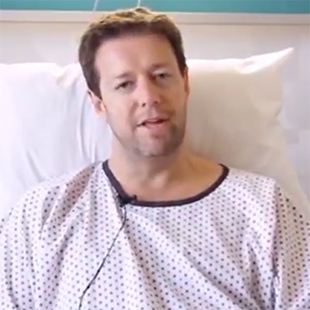
Kevin Stewart
Kevin Stewart
Kevin Stewart: Slip Disc Treatment in UAE

Kevin Stewart from Scotland could barely walk straight due to a Slip Disc. He faced many discomforts for the past…

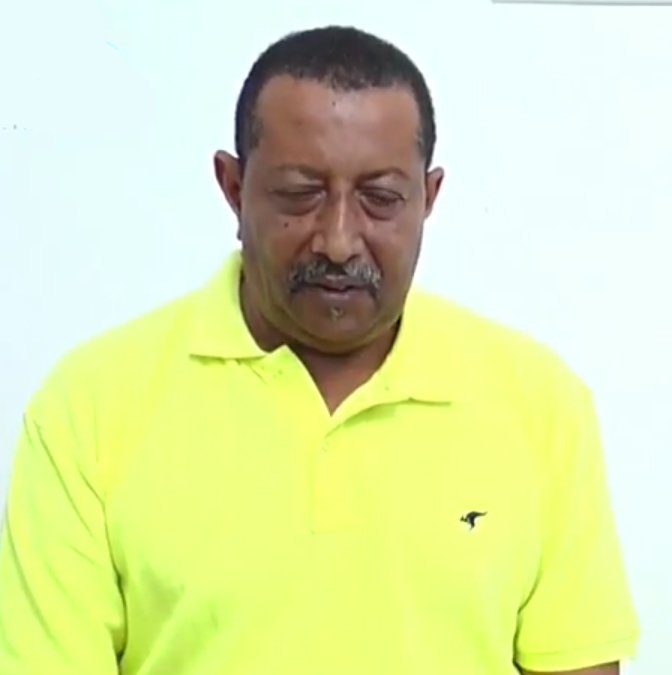
Mr.Mohamed Dumia
Mr.Mohamed Dumia
Mr.Mohamed Dumia: Knee Replacement

Mr. Muhammed Dumia was suffering from painful left Knee and was in considerable pain for the last 2 months. He…

Frequently Asked Questions

The cost of Carpal Tunnel Release in United Kingdom is USD 3100 - 3400, which varies depending on the hospital, surgeon's expertise, surgical technique, anaesthesia, diagnostic tests, and post-operative care. The overall cost may include consultation, nerve conduction studies, imaging when required, surgery, hospital or day-care charges, medications, and follow-up appointments. International patients should request a detailed treatment estimate before travelling.

Some of the best hospitals in United Kingdom for Carpal Tunnel Release include:
  • Bishops Wood Hospital
  • Circle Reading Hospital
  • Parkside Private Hospital
  • Shirley Oaks Hospital
  • St Edmunds Hospital
  • Choose an experienced orthopaedic, hand, or peripheral nerve surgeon who regularly treats carpal tunnel syndrome. Consider the surgeon's qualifications, experience with open and endoscopic carpal tunnel release, surgical outcomes, hospital facilities, and approach to post-operative rehabilitation. An online consultation can also help you understand whether surgery is appropriate for your condition.

    Carpal tunnel release generally provides significant improvement in pain, numbness, tingling, and hand function for most patients. Success rates, such as 85-95%, depend on the severity and duration of nerve compression, the presence of nerve damage, underlying health conditions, and adherence to post-operative care. Patients with long-standing or severe nerve compression may have slower or incomplete nerve recovery.

    Yes. Carpal tunnel release is commonly performed under local anaesthesia, although the anaesthesia approach may vary according to the surgical technique, patient preference, medical condition, and surgeon's recommendation. Some patients may receive additional sedation if required.

    Carpal tunnel release is generally a relatively short procedure and often takes around 15–30 minutes, although the total time at the hospital can be longer because of preparation, anaesthesia, recovery, and post-operative assessment.

    Patients can generally begin gentle finger and hand movements soon after surgery, as advised by the surgeon. Light activities may be resumed progressively, but heavy lifting, forceful gripping, and strenuous wrist activities should usually be avoided until the incision has healed and adequate strength has returned.

    No. Pressure on the median nerve is relieved immediately when the ligament is released, but nerve recovery can take time. Patients with mild or recent compression may experience relatively rapid improvement, whereas those with severe or long-standing nerve damage may require weeks or months for maximum recovery.

    Recurrence after a properly performed carpal tunnel release is relatively uncommon, but symptoms can persist or return in some patients. Possible reasons include incomplete ligament release, recurrent scar tissue, another nerve condition, or an alternative cause of the original symptoms. Persistent or recurrent symptoms should be evaluated by a specialist.

    Carpal tunnel release may be performed using open or endoscopic techniques. Open release involves a small incision in the palm to divide the transverse carpal ligament, while endoscopic release uses a small camera and specialised instruments in United Kingdom. Depending on the centre, surgeons may also use minimally invasive approaches and advanced diagnostic tools such as nerve conduction studies and electromyography to assess nerve function.

    Potential complications include infection, bleeding, swelling, temporary or persistent numbness, pillar pain, scar sensitivity, nerve or blood-vessel injury, stiffness, and incomplete symptom relief. In some cases, symptoms may recur, or additional treatment may be required. The risk profile depends on the patient's health, severity of nerve compression, and surgical technique.

    Before travelling, patients should obtain their previous nerve conduction study or electromyography reports, medical records, imaging reports, prescriptions, and details of previous treatments. Inform the surgeon about diabetes, blood-thinning medication, allergies, previous hand surgery, and other medical conditions. International patients should also arrange accommodation and transportation suitable for limited hand use during the initial recovery period.

    Yes. International patients can generally arrange an online consultation with an orthopaedic or hand specialist in United Kingdom. The doctor can review symptoms, medical history, nerve conduction studies, previous treatments, and available imaging to determine whether carpal tunnel release may be appropriate. A physical examination may still be required before surgery.

    Patients should carry their passport, medical records, nerve conduction or EMG reports, imaging reports, previous treatment records, medication list, allergy information, laboratory reports, and referral letters, where applicable. Keeping electronic copies of these documents can also help the treating team review the patient's history efficiently.

    Carpal tunnel release is often performed as a day-care or short-stay procedure. International patients may need to remain in United Kingdom for several days to complete the pre-operative assessment, undergo surgery, and attend an initial follow-up appointment. The exact duration depends on the patient's recovery, surgical technique, and the treating hospital's protocol.

    Initial recovery usually takes a few weeks, although complete recovery of strength and nerve function can take longer, particularly when nerve compression has been severe or present for a long time. Light hand activities can often be resumed gradually, while heavy lifting and strenuous activities may need to be avoided until adequate healing has occurred.

    If a complication develops, the patient should contact the treating surgeon promptly. Management may involve medication, wound care, physiotherapy, additional diagnostic testing, or further surgery depending on the problem. International patients should obtain clear post-operative instructions and emergency contact information before leaving the hospital.

    International patients can submit their medical history, nerve conduction studies, imaging, previous treatment records, and other relevant reports for specialist evaluation through the MediGence platform. Following the assessment, the hospital can provide a treatment recommendation, estimated cost, expected hospital stay, and proposed schedule. Once confirmed, the patient's hospital appointment and travel arrangements can be coordinated.

    United Kingdom may provide access to experienced hand and orthopaedic specialists, modern surgical facilities, advanced diagnostic testing, and both open and minimally invasive carpal tunnel release techniques. International patients may also benefit from coordinated medical travel services and rehabilitation support. The choice should ultimately depend on the surgeon's expertise, hospital quality, treatment plan, and expected outcomes.

    Treatment depends on the severity of carpal tunnel syndrome. Mild or moderate cases may initially be managed with activity modification, wrist splinting, medications, corticosteroid injections, and physiotherapy or hand therapy in United Kingdom. For persistent, severe, or nerve-damaging compression, surgical carpal tunnel release may be recommended. Surgery can be performed using an open or endoscopic approach.

    Not Sure About Your Treatment Plan? Get a Free Second Opinion

    Have your reports reviewed by independent oncology experts to help you make a confident treatment decision, all online within 48 hours.

    Upload Your Reports
    Free second opinion on your CAR-T plan