Your Notifications
All done, no notifications

Radiation Therapy Cost in South Korea

USD 10000 - USD 30000

Affordable World-class Treatment - Accredited Hospitals - Free Treatment Plan in 24 Hrs

5
Days in Hospital
15-30 min/session
Procedure Time
80 - 95%
Success Rate
uploads/procedure/images/1772169668_74f08a23e12bce882a7e.png
JCI/ISO 100,000+ Patients 24X7 Coordinator Visa & Travel handled
Your all-in-one medical travel platform for treatment, recovery & care.

Get Your Personalised Treatment Plan in Just 24 Hours.

Share your details to receive a personalised treatment plan, estimated costs, hospital recommendations, and expert guidance, “completely free.”

Required | alphabets and spaces
Required | A valid, working email address
Required | A valid contact
Connect with an Expert

Your information is protected with HIPAA-compliant security standards. We only share your details with hospitals after your consent.

Estimated Treatment Cost
USD 10000 - USD 30000
All-inclusive • Hospital + Medications + Recovery Assistance + Dedicated Care Coordinator

International Quality. Affordable Care.

How Much Does Radiation Therapy Cost in South Korea?

The cost of radiation therapy in South Korea ranges between USD 10000 - USD 25000.

However, the total cost varies depending on the type of radiation therapy, the number of treatment sessions required, the type and stage of cancer, the complexity of the treatment plan, the technology used, the treatment centre, and the expertise of the radiation oncology team.

Additional expenses may include pre-treatment imaging and planning, advanced radiation delivery techniques, medications to manage side effects, follow-up consultations, and supportive care, all of which contribute to the overall treatment cost.

Factors Affecting the Cost of Radiation Therapy

  • Radiation Therapy Type: The price of radiation therapy depends on the acquired type. For instance, 3D Conformal Radiation Therapy (3D-CRT), Intensity-Modulated Radiation Therapy (IMRT), Image-Guided Radiation Therapy (IGRT), Stereotactic Radiosurgery (SRS), Stereotactic Body Radiation Therapy (SBRT), Brachytherapy, and Proton Therapy belong to different cost groups. The cost involved is usually greater for modern forms of treatment.
  • Number of Sessions: Generally, radiation therapy is performed in several sessions, referred to as fractions. A larger number of fractions means greater overall expenditures, while fewer means less expense.
  • Technologies and Equipment: The use of cutting-edge technology such as LINACs and image-guided equipment can increase treatment costs significantly because it requires precision and investment.
  • Hospital and Cancer Centre: The more effective the hospital or cancer centre is, the higher its fees are likely to be.
  • Radiation oncologist's skills: The greater the expertise of radiation oncologists, the more expensive services are; however, high qualifications help in proper treatment planning.
  • Cost of pre-treatment planning: The planning process includes CT scans, MRIs, and PET-CT when necessary, as well as dosimetry procedures, calculations, and quality assurance procedures.

What's included in your Radiation Therapy quote?

Comprehensive tests and imaging
Echocardiography, ECG, Chest X-ray, Cardiac CT/MRI (if required), cardiac catheterisation (if indicated), routine blood tests
Pediatric cardiac specialist team
Pre-operative evaluation, surgical planning, post-operative cardiac care
Hospital stay + ICU as needed
Outpatient radiation sessions with regular monitoring throughout the treatment course
Country stay monitoring
Clinical assessment, imaging, side effect management, and long-term surveillance
Visa & medical-visa invite letter
Airport pickup & transfers

Cost of Radiation Therapy in Major Cities of South Korea

CityCost (USD)
Seoul $10,000 – $25,000 Explore More

Radiation Therapy - South Korea Vs the World

$2k - $6k
$4k - $10k
$4k - $14k
$5k - $15k
$10k - $25k
$10k - $25k
$10k - $25k
$10k - $24k
$12k - $28k
$12k - $35k
$15k - $35k
$25k - $100k
Tanya Bose
Author

MSc Biotechnology

4 Years of Experience

Tanya Bose is a medical content specialist with a strong medical background. She has completed her Bachelor's and Master’s in Biotechnology from Amity University. With a deep understanding of biomedical sciences and research, she develops authoritative and patient-focused medical content covering treatments, surgical procedures, and healthcare innovations. Her writing emphasizes accuracy, clarity, and evidence-based information to help readers better understand complex medical topics. She is dedicated to improving patient awareness and supporting informed healthcare decisions by delivering trustworthy medical insights in a clear and accessible format.
View More
Dr Prateek Varshney
Reviewer

Surgical Oncologist

15 Years of Experience

Last Reviewed - June 2026

Dr. Prateek Varshney is a renowned Surgical Oncologist. He has experience of more than 15+ years in surgical Oncology. He is currently practicing as a consultant at Metro Mass Hospital and Cancer Institute. He was also previously associated as a consultant with Sir Ganga Ram Hospital and as a professor at Gujarat Cancer Research Institute.
View More

Need Help Choosing the Right Treatment? Talk to a Medical Advisor

Our dedicated Medical Patient Advisors are here to answer your questions, help you compare treatment options, estimate costs, and guide you through every step of your healthcare journey.

15 min
Average response time

Serving Patients Worldwide in Multiple Languages.

Radiation therapy is used to kill cancer cells, reduce tumors, alleviate symptoms and prevent recurrence. It can be used as a stand-alone treatment or in conjunction with surgery, chemotherapy,y or immunotherapy.

It works by disrupting the DNA of cancer cells, preventing them from growing or dividing. Radiation therapy is also often used to reduce tumors prior to surgery or to eliminate any leftover cancer cells following surgery. In advanced situations, it relieves tumor-related discomfort, pressure, or bleeding while also improving the patient's quality of life.

You should consult a doctor if you are diagnosed with cancer, experience unexplained lumps, persistent pain, abnormal bleeding/ symptoms suggesting tumor growth and recurrence.

Preparation includes medical evaluation, imaging studies, and a treatment planning session. Patients may be advised on positioning, dietary restriction, skin care and medical adjustments before starting therapy.

A simulation session may be used to establish the precise area to be treated. Doctors meticulously label or map the treatment area to ensure precision during each session. Patients are also warned of potential adverse effects and how to control them throughout therapy.

Radiation therapy is delivered using high-energy radiation beams targeted precisely at the affected area. Treatments are usually administered on an outpatient basis, using external machines or implanted radioactive sources.

Advanced imaging techniques are employed to minimise injury to adjacent healthy tissues. To ensure uniformity, each session adheres to a well-planned routine. The operation is painless, and patients can usually return to normal activities thereafter.

Each radiation session typically lasts 10-30 minutes. The full course of treatment may extend over several weeks, depending upon the conditions and treatment plan.

  • Skin irritation or burns
  • Fatigue
  • Hair loss in the treated area
  • Nausea/ vomiting
  • Digestive discomfort
  • Tissue scaring/ Inflammation
  • Long-term organ-specific side effects.

Radiation therapy successfully targets diseased cells, shrinks tumors, relieves symptoms, increases survival rates, and can preserve organ function when surgery is not an option.

During treatment, most patients resume their normal daily activities recovery focuses on controlling fatigue and side effects, with progressive recovery occurring weeks after therapy is completed.

The success rate of radiation therapy varies based on the type and stage of cancer, as well as the patient\u2019s overall health. Many cancers can achieve significant tumor control or remission when treated properly.

80-95%

Successful smile transformation with enhanced aesthetics, function, and long-term oral health

5-10 days

Typical hospital stay

4-8 weeks

Typical recovery with regular pediatric cardiology follow-up
Explore Hospitals ( 3 )

Seoul, South Korea

2700+ Beds · 245+ Procedures
ISO
Starting
USD 10000

Seoul, South Korea

808+ Beds · 193+ Procedures
JCI

Seoul, South Korea

57+ Procedures

Get Your Radiation Therapy
Plan in 24 hrs.

Our experienced Medical Patient Advisors have supported 100,000+ patients across 120+ countries with personalised treatment plans, hospital recommendations, cost estimates, and travel assistance, all free.

HIPAA-Compliant Data SecurityShared Only with Your Consent

Free Consultation No Obligation Personalized Treatment Plan Response Within 24 Hours

Required | alphabets and spaces
Required | A valid, working email address
Required | A valid contact

Your medical info is kept HIPAA-style confidential. We never share with hospitals without your consent.

Process Involved for Radiation Therapy in South Korea

  • Diagnosis and Evaluation: Imaging, biopsy, and staging
  • Treatment Planning: CT simulation and dose planning
  • Radiation Delivery: Scheduled treatment sessions
  • Monitoring: Side effect assessment during therapy
  • Post-Treatment Follow-Up: Long-term monitoring and care
  • Breast cancer
  • Prostate cancer
  • Lung cancer
  • Brain tumors
  • Head and neck cancers
  • Cervical cancer
  • Colorectal cancer
  • Lymphomas
  • External Beam Radiation Therapy (EBRT)
  • Intensity-Modulated Radiation Therapy (IMRT)
  • Image-Guided Radiation Therapy (IGRT)
  • Stereotactic Radiosurgery (SRS)
  • Stereotactic Body Radiation Therapy (SBRT)
  • Brachytherapy
  • Proton Beam Therapy
  • Patients diagnosed with cancer or tumours that respond to radiation
  • Individuals needing to shrink tumors before surgery
  • Patients seeking relief from symptoms or palliative care
  • Patients who are healthy enough to handle radiation treatment
  • Radioactive implants (Brachytherapy sources): These implants contain radioactive material. They are used mainly in cancer treatment to deliver radiation directly to the tumor site. Also, destroy cancer cells while minimising damage to nearby healthy tissues. Commonly used in cancer-like prostate, cervical, breast, and head and neck cancers.
  • Non-radioactive implants: These implants do not emit radiation. They are used for structural support, drug delivery, or functional replacement in the body. Common applications include orthopaedic implants (hip/knee replacement), dental implants, cardiac devices, and cosmetic implants.
  • Chemotherapy
  • Surgery
  • Immunotherapy
  • Hormonal therapy
  • Targets cancer cells precisely
  • Preserves surrounding healthy tissue
  • Reduces pain and tumor-related symptoms
  • Can be combined with other cancer treatments
  • Improves overall survival and quality of life
  • Reducing or eliminating tumor cells
  • Relief from symptoms
  • Improved disease control
  • Improved long-term outcomes
  • Fill out the inquiry form: Fill out the form to provide us with the relevant information about your condition.
  • Consult with Our Healthcare Expert:One of our qualified specialists will contact you for a consultation
  • Receive a Detailed Treatment Plan:After examining your situation, we will provide you with a detailed treatment plan that includes expert views and cost breakdowns for various choices.
  • Choose your preferred option: Choose the treatment option that suits you the best.
Jenny Wilson
Your Dedicated Medical Patient Advisor
Treatment planning • Hospital coordination • Multilingual support • Response within 15 minutes.
Our Services to Better your Experience

Opinion & Option

We submit the most accurate opinion and options from one or more countries for your review

Consult Privately

Consult with a certified specialist privately on our telemedicine platform even before you decide to travel

Logistics

We handle flights, visas, transfers, and accommodation—so you can focus on your health.

Recovery

Our In-house rehabilitation service packages to better your recovery and treatment outcome

Patient Stories

Ms. Monica
Ms. Monica
Monica from Ghana for AV Malformation Treatment in India

Monica from Ghana suffered from AV malformation. She decided to look for options for medical treatment when she started experiencing…

Silim Shabani
Silim Shabani
Patient Testimonial: Silim Shabani for Ovarian Cancer Treatment in Turkey

Nasrin (Sister of the patient ) explains the journey of how MediGence helped for the treatment of Silim Shabani for…

Frequently Asked Questions

The cost of Radiation Therapy in South Korea is USD 10000 - 25000, which varies depending on the type of cancer, treatment technique, number of sessions, treatment area, hospital, and the patient's overall health. The final cost may also include treatment planning, imaging, consultations, radiation delivery, medications, and follow-up care. Patients should obtain an individualised treatment estimate after their medical records have been reviewed.

Some of the best hospitals in South Korea for Radiation Therapy include:
  • Asan Medical Centre
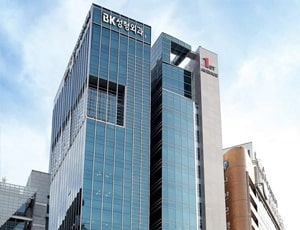
  • BK Plastic Surgery
  • International St. Mary's Hospital
  • Choose a radiation oncologist with relevant experience in treating your specific type and stage of cancer. Consider the doctor's qualifications, years of experience, expertise with advanced radiation techniques, treatment outcomes, and access to a multidisciplinary cancer team. An online consultation can help you review your diagnosis and proposed treatment plan before travelling.

    The success of radiation therapy, such as , depends primarily on the type, stage, location, and biology of the cancer, as well as whether radiation is used alone or with surgery, chemotherapy, immunotherapy, or other treatments. Many cancers respond well to radiation, but there is no single success rate applicable to all patients. Your radiation oncologist can provide a more meaningful prognosis based on your individual diagnosis.

    The radiation treatment itself is generally painless. Patients usually lie still while the radiation machine delivers the prescribed dose. However, side effects such as skin irritation, fatigue, inflammation, or discomfort in the treated area may develop during or after a course of treatment.

    The number of sessions depends on the type and location of cancer, treatment objective, radiation technique, and overall treatment plan. Some patients may require a single or small number of highly focused treatments, while conventional treatment may involve several sessions over multiple weeks.

    Yes. Radiation therapy may be combined with chemotherapy in certain cancers. This approach, known as chemoradiation, can improve cancer control in selected patients but may also increase side effects. The decision depends on the cancer type, stage, treatment goals, and the patient's overall health.

    External-beam radiation therapy delivers radiation from a machine outside the body, whereas brachytherapy places a radioactive source inside or close to the tumour. The choice depends on the cancer's location, size, stage, and treatment objective. Some patients may receive both approaches as part of a comprehensive treatment plan.

    This depends on the type of radiation treatment received and the patient's condition. After most external-beam radiation therapy, patients are not radioactive and can generally travel when medically fit. However, certain internal radiation treatments may require specific radiation-safety precautions. The treating team will advise the patient on when it is safe to travel and what precautions, if any, are necessary.

    Depending on the hospital and patient's condition, radiation therapy may include 3D conformal radiation therapy (3D-CRT), intensity-modulated radiation therapy (IMRT), image-guided radiation therapy (IGRT), volumetric modulated arc therapy (VMAT), stereotactic body radiation therapy (SBRT), stereotactic radiosurgery (SRS), and brachytherapy in South Korea. Advanced imaging and computer-assisted treatment planning may help target the tumour while limiting radiation exposure to surrounding healthy tissues.

    Possible side effects vary according to the treatment area, radiation dose, and individual health. Common effects may include fatigue, skin irritation, swelling, nausea, changes in appetite, and hair loss in the treated area. Depending on the body part treated, patients may experience site-specific effects. Some side effects can occur later, so patients should discuss both short-term and potential long-term risks with their radiation oncologist.

    Before travelling, collect your biopsy and pathology reports, imaging scans, laboratory results, previous treatment records, medication list, and treatment summaries. Obtain an oncologist's assessment and discuss the proposed radiation schedule. Confirm the expected number of sessions, accommodation, transportation, insurance requirements, and follow-up arrangements. Your treating team may also recommend additional investigations before starting therapy.

    Yes. International patients can generally arrange an online consultation with a radiation oncologist before travelling to South Korea. The specialist can review medical records, pathology reports, imaging, previous treatments, and the diagnosis to determine whether radiation therapy may be appropriate. A preliminary treatment plan and estimated treatment duration can then be discussed, although the final plan may require an in-person assessment and additional tests.

    International patients should bring passport and visa documents, medical history, biopsy and pathology reports, CT/MRI/PET scans and reports, blood-test results, previous treatment records, discharge summaries, medication prescriptions, and vaccination or other relevant medical records. It is advisable to carry both original documents and digital copies. If possible, pathology slides or blocks may also be requested for review.

    The length of stay depends on the treatment technique and number of sessions. Some stereotactic treatments may require only a few treatment visits, while conventional radiation therapy can involve multiple sessions over several weeks. Patients should also allow time for treatment planning, simulation, consultations, and follow-up. The treating hospital can provide a more precise travel timeline after reviewing the case.

    Recovery varies according to the treatment site, radiation dose, cancer type, and whether radiation is combined with other treatments. Some patients continue normal activities during treatment, while others may experience fatigue or other side effects that persist for several weeks after completion. Recovery is generally gradual, and follow-up appointments are important for monitoring side effects and treatment response.

    Patients should contact their treating oncology team if they develop severe or unexpected symptoms during or after treatment. The medical team can assess the symptoms and provide appropriate supportive treatment, medication, or further investigations. International patients should obtain clear instructions regarding post-treatment follow-up and emergency care before leaving South Korea.

    International patients can begin by submitting their medical reports, pathology results, imaging, and treatment history for evaluation through the Medigence platform. After medical review, a suitable radiation oncologist and hospital can be identified. The treatment plan, estimated costs, expected duration, and required investigations can then be discussed. Once the treatment is confirmed, arrangements can be made for appointments, travel, accommodation, and other international-patient services.

    South Korea may be considered by international patients seeking specialised cancer care, experienced radiation oncologists, advanced treatment technologies, and multidisciplinary oncology services. Depending on the destination, patients may also benefit from coordinated international-patient support and potentially competitive treatment costs. The suitability of South Korea should ultimately be assessed based on the hospital's capabilities and the patient's specific cancer diagnosis.

    Radiation therapy may be delivered using different approaches depending on the cancer and treatment objective. Options can include external-beam radiation therapy, 3D-CRT, IMRT, IGRT, VMAT, SBRT, SRS, and brachytherapy. Radiation may be used as the primary treatment or combined with surgery, chemotherapy, immunotherapy, targeted therapy, or other cancer treatments in South Korea. The appropriate approach is determined after detailed clinical and imaging evaluation.

    Not Sure About Your Treatment Plan? Get a Free Second Opinion

    Have your reports reviewed by independent oncology experts to help you make a confident treatment decision, all online within 48 hours.

    Upload Your Reports
    Free second opinion on your CAR-T plan