Your Notifications
All done, no notifications

Ovarian Cancer Treatment Cost in Tel Aviv

USD 25 - USD 1814

Affordable World-class Treatment - Accredited Hospitals - Free Treatment Plan in 24 Hrs

3
Days in Hospital
3-6 hrs
Procedure Time
70 - 90%
Success Rate
Ovarian Cancer: Cost, Procedure and Clinics | MediGence
JCI/ISO 100,000+ Patients 24X7 Coordinator Visa & Travel handled
Your all-in-one medical travel platform for treatment, recovery & care.

Get Your Personalised Treatment Plan in Just 24 Hours.

Share your details to receive a personalised treatment plan, estimated costs, hospital recommendations, and expert guidance, “completely free.”

Required | alphabets and spaces
Required | A valid, working email address
Required | A valid contact
Connect with an Expert

Your information is protected with HIPAA-compliant security standards. We only share your details with hospitals after your consent.

Estimated Treatment Cost
USD 25 - USD 1814
All-inclusive • Hospital + Medications + Recovery Assistance + Dedicated Care Coordinator

International Quality. Affordable Care.

The average cost of Ovarian Cancer Treatment in Tel Aviv approximately starts from USD 25 - USD 1814

Cost of Ovarian Cancer Treatment in Major Cities of Israel

CityMinimum Cost (USD)Minimum Cost (ILS)Maximum Cost (USD)Maximum Cost (ILS)
HerzliyaUSD 2278USD 16325777
Petah TikvaUSD 2071USD 14515137
Ramat GanUSD 2278USD 16325777
RehovotUSD 2588USD 18146422
Tel AvivUSD 2588USD 18146422

Cost of Ovarian Cancer Treatment in Major Cities of Israel

City Cost (USD)
Herzliya $22 – $1,632 Explore More
Petah Tikva $25 – $1,814 Explore More
Ramat Gan $22 – $1,632 Explore More
Rehovot $25 – $1,814 Explore More
Tel Aviv $25 – $1,814 Explore More

Find the Right Destination for Your Ovarian Cancer Treatment Journey

Tanya Bose
Author

MSc Biotechnology

4 Years of Experience

Last Reviewed - June 2026

Tanya Bose is a medical content specialist with a strong medical background. She has completed her Bachelor's and Master’s in Biotechnology from Amity University. With a deep understanding of biomedical sciences and research, she develops authoritative and patient-focused medical content covering treatments, surgical procedures, and healthcare innovations. Her writing emphasizes accuracy, clarity, and evidence-based information to help readers better understand complex medical topics. She is dedicated to improving patient awareness and supporting informed healthcare decisions by delivering trustworthy medical insights in a clear and accessible format.
View More
Dr Prateek Varshney
Reviewer

Surgical Oncologist

15 Years of Experience

Last Reviewed - June 2026

Dr. Prateek Varshney is a renowned Surgical Oncologist. He has experience of more than 15+ years in surgical Oncology. He is currently practicing as a consultant at Metro Mass Hospital and Cancer Institute. He was also previously associated as a consultant with Sir Ganga Ram Hospital and as a professor at Gujarat Cancer Research Institute.
View More

Need Help Choosing the Right Treatment? Talk to a Medical Advisor

Our dedicated Medical Patient Advisors are here to answer your questions, help you compare treatment options, estimate costs, and guide you through every step of your healthcare journey.

15 min
Average response time

Serving Patients Worldwide in Multiple Languages.

Ovarian cancer is the abnormal growth of cells in the ovaries, which are an important part of the female reproductive system. Ovaries are two small glands, located on either side of the uterus. They help produce female sex hormones and store or release eggs. An ovarian tumor is it is the eighth most common type of cancer among women. It is the fifth most common cause of cancer deaths in women around the world. Ovarian cancer can be life-threatening if not diagnosed and treated on time, however, the chances of survival are great in the case of early diagnosis.

Ovarian cancer forms when normal ovarian cell growth fails, and there is an uncontrolled growth of cells. Most of the ovarian cancers arise from the lining cells (epithelium) of the ovary. The ovarian tumor can metastasize and spread to other organs of the body.

Ovarian Cancer Causes: There is no identified and known cause of ovarian cancer. However, there are some risk factors associated with the disease. Family history (genetics) of ovarian cancer, older age, breast cancer, obesity, and endometriosis are some of the known ovarian cancer risk factors. Other than these, menstrual cycles play a major role in ovarian cancer. The higher the number of total lifetime ovulations, the greater the risk of ovarian cancer. That is, women who have had their periods before the age of 12 are at an increased risk of ovarian cancer.

The risk of ovarian cancer is also high in women suffering from familial melanoma, which is characterized by the presence of certain genes. These genes are inherited from parents and mostly occur when two or more relatives suffer from the aggressive form of melanoma or skin cancer.

The kind of ovarian cancer you have depends on where the cancer starts in the body. There are three main types:

  • Epithelial Ovarian Cancer: This is the most common type and has different subtypes like serous carcinoma and mucinous carcinoma.
  • Stromal Tumors: These are uncommon, but they are often found at an earlier stage compared to other ovarian cancers.
  • Germ Cell Tumors: These rare cancers happen more often in younger people.

The primary aims of treatment for ovarian cancer include eliminating or destroying cancer cells, halting the development of the disease, alleviating symptoms, and improving quality of life and survival rates. Successful outcomes rely on early detection and treatment.

If any symptoms or indicators bother you, schedule a visit with your physician.

Transvaginal ultrasonography, imaging studies, blood test, pelvic exam, and perhaps a biopsy are all included in the diagnosis and treatment planning. A patient's healthcare providers may recommend that they discontinue certain medications, fast before surgery, and discuss lifestyle modification and fertility concerns.

  • Surgery entails the removal of the uterus (hysterectomy), fallopian tubes, one or both ovaries (oophorectomy), and any adjacent tissues or lymph nodes.
  • Chemotherapy: Often employed to shrink a tumour either as neoadjuvant or as an adjuvant post-surgery.
  • Targeted Therapy: PARP inhibitors and other drugs act on specific genetic mutations in cancer cells.
  • Hormone therapy: Sometimes used for slow-growing cancers that respond to shifts in hormone levels.
  • Radiation Therapy: While not often utilised, radiation therapy is sometimes employed to treat localised diseases in certain situations.

Hospital stays vary from three to ten days, and surgical procedures may take three to five hours. Chemotherapy tends to be three to six cycles over several months. Based on the response, hormonal or targeted therapies can last for extended periods.

  • Blood clots
  • Infection
  • Haemorrhage
  • Damage to surrounding organs,
  • Early menopause

Effectively treated, especially if diagnosed early, cancer can be eliminated, reduce tumour burden, control spread, reduce symptoms, and improve survival.

Recovery from ovarian cancer treatment typically involves hospitalisation, pain management, and a gradual return to normal. Nutritional support and hydration are crucial after surgery, and follow-up visits are needed to monitor recurrence and side effects. During healing, psychological and emotional support may also be required.

The success rate of the treatment depends on the stage of ovarian cancer at diagnosis. Up to 90% of women with early-stage ovarian cancer live for five years.

70–90%

Treatment success rate for early-stage ovarian cancer

3–7 days

Typical hospital stay (depending on treatment)

4–8 weeks

Return to normal daily activities depending on treatment and recovery
Explore Hospitals ( 2 )

Tel Aviv, Israel

300+ Beds · 238+ Procedures
JCI
Starting
USD 18000

Tel Aviv, Israel

1500+ Beds · 214+ Procedures
JCI
Starting
USD 15000

Get Your Ovarian Cancer Treatment
Plan in 24 hrs.

Our experienced Medical Patient Advisors have supported 100,000+ patients across 120+ countries with personalised treatment plans, hospital recommendations, cost estimates, and travel assistance, all free.

HIPAA-Compliant Data SecurityShared Only with Your Consent

Free Consultation No Obligation Personalized Treatment Plan Response Within 24 Hours

Required | alphabets and spaces
Required | A valid, working email address
Required | A valid contact

Your medical info is kept HIPAA-style confidential. We never share with hospitals without your consent.

Process Involved for Ovarian Cancer Treatment in Tel Aviv

  • Consultation: Talk to a gynecologic oncologist or oncologist about the diagnosis and staging of ovarian cancer.
  • Preoperative Evaluation: Imaging studies and a physical examination are done to identify the tumour's location, size, and extent.
  • Treatment Discussion: The treatment options consist of chemotherapy, radiation (when necessary), immunotherapy, targeted therapy, surgery, or more than one of these.
  • Planning a Surgery: If surgery is advised, details of the surgery, like resection of the tumor or oophorectomy, will be explained.
  • Follow-up, After Surgery: Schedule regular follow-up appointments to monitor recovery, check for recurrence, and manage any persistent symptoms or issues.
  • Ovarian cancer
  • Fallopian tube cancer
  • Peritoneal cancer
  • Metastatic ovarian cancer
  • Patients diagnosed with ovarian cancer are recommended to do so. Whether the patient is a candidate for treatment will depend on the type, stage, and location of the tumor, the overall health of the patient and any other medical conditions.
  • Surgical resection (oophorectomy, hysterectomy)
  • Chemotherapy
  • Radiation therapy (in some cases)
  • Immunotherapy
  • Targeted therapy
  • Biopsy and staging procedures
  • Enhances the survival prospects by either removing or decreasing the tumor.
  • Decreases symptoms like abdominal pain, bloating, and pelvic pressure.
  • It prevents metastasis and regulates the growth of cancer.
  • Enhances the quality of life, primarily when detected and treated.
  • Medical Oncologist
  • Surgical Oncologist
  • Radiation Oncologist
  • Fill out the inquiry form: Fill out the form to provide us with the relevant information about your condition.
  • Consult with Our Healthcare Expert:One of our qualified specialists will contact you for a consultation
  • Receive a Detailed Treatment Plan:After examining your situation, we will provide you with a detailed treatment plan that includes expert views and cost breakdowns for various choices.
  • Choose your preferred option: Choose the treatment option that suits you the best.
Jenny Wilson
Your Dedicated Medical Patient Advisor
Treatment planning • Hospital coordination • Multilingual support • Response within 15 minutes.
Our Services to Better your Experience

Opinion & Option

We submit the most accurate opinion and options from one or more countries for your review

Consult Privately

Consult with a certified specialist privately on our telemedicine platform even before you decide to travel

Logistics

We handle flights, visas, transfers, and accommodation—so you can focus on your health.

Recovery

Our In-house rehabilitation service packages to better your recovery and treatment outcome

Patient Stories

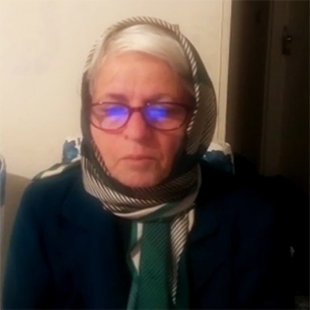
Silim Shabani
Silim Shabani
Patient Testimonial: Silim Shabani for Ovarian Cancer Treatment in Turkey

Nasrin (Sister of the patient ) explains the journey of how MediGence helped for the treatment of Silim Shabani for…

Frequently Asked Questions

The cost of Ovarian Cancer Treatment in Tel Aviv starts from $15000. JCI are just some of the accreditations which top hospitals in Tel Aviv hold where a Ovarian Cancer Treatment is conducted.

Ovarian Cancer Treatment package cost in Tel Aviv has different inclusions and exclusions. The Ovarian Cancer Treatment package cost usually includes all the expenses related to pre and post surgery expenses of the patient. The treatment cost usually includes the expenses related to hospitalization, surgery, nursing, medicines, and anesthesia. There are many things that may increase the cost of Ovarian Cancer Treatment in Tel Aviv, including prolonged hospital stay and complications after the procedure.

There are many hospitals that perform Ovarian Cancer Treatment in Tel Aviv. The top hospitals for Ovarian Cancer Treatment in Tel Aviv include the following:

The recovery of the patient many vary, depending on several factors. However, on an average, patient is supposed to stay for about 16 days in the country after discharge. This duration of stay is recommended to complete all the necessary follow-ups and control tests to ensure that the surgery was successful.

While Tel Aviv is considered to be one of the best destinations for Ovarian Cancer Treatment owing to the standard of Hospitals, and expertise of doctors Some of the other top destinations for Ovarian Cancer Treatment include the following:

Apart from the cost of Ovarian Cancer Treatment, the patient is also required to pay additionally for daily meals and guest house accommodation. These include the cost of accommodation and meals outside hospital. The per day cost in this case may range from 75 USD.

The patient is supposed to stay at the hospital for about 5 Days after Ovarian Cancer Treatment surgery for monitoring and care. This phase is important to ensure that the patient is recovering well and is clinically stable. During this time, several tests are performed before the patient is deemed suitable for discharge.

There are about 2 Hospitals in Tel Aviv that offer Ovarian Cancer Treatment to international patients. These hospitals have propoer infrastructure as well as offer good quality of services when it comes to Ovarian Cancer Treatment surgery. Also, these hospitals follow the necessary guidelines as required by the medical associations for the treatment of Ovarian Cancer Treatment patients.

Some of the most sought after doctors for Ovarian Cancer Treatment in Tel Aviv are:

Tel Aviv, Israel, is recognized as one of the top cities in the world for healthcare and medical treatment. Tel Aviv has cutting-edge medical facilities as well as excellent treatment modalities. While citizens have access to free healthcare, many patients prefer to seek private medical treatment and consult with doctors from private hospitals. Some of the most popular treatments available in Tel-Aviv include Oncology, Orthopaedics, Cardiology, Neurosurgery, Gastroenterology, Paediatrics, Bone marrow transplants, Pulmonology, etc. Tel Aviv's healthcare system and health insurance ensure high-quality care to its residents. The difference between the city's public and private healthcare systems is not in the quality of care but in the availability of more amenities. Israelis must enroll in the universal public healthcare system. People in the country have the option of purchasing "supplementary insurance" from one of the country's four health funds or private insurance from an insurance provider. This covers items like dental and optical coverage that the government does not provide. The city is equipped with cutting-edge medical technology and equipment. All in all the healthcare standards of the city are pretty amazing and appreciated around the world.

The hospitals in Tel Aviv deliver quality care and treatment. They are internationally recognized and accredited by healthcare organizations like JCI and ISO. Some of the top hospitals in the city include:

  1. Assuta Hospital: Assuta Hospital in Tel Aviv is one of Maccabi Healthcare's many private medical centers. Assuta medical centers are noted for their minimally invasive surgery, and they do 13% of all surgery in Israel. The hospital performs surgery in a variety of medical fields, including brain, breast, eye, gastroenterology, gynecology, heart, orthopedics, and urology.
  2. Lis Maternity and Women's Hospital: Lis Maternity and Women's Hospital, part of the Tel Aviv Sourasky Medical Center, is a premier hospital in Tel Aviv. Gynecology, Obstetrics, Gynaecology Oncology, IVF, Women's Health, and Paediatrics are among its specialties.
  3. Tel Aviv Sourasky Medical Center: Tel Aviv Sourasky Medical Center (Ichilov) is Israel's leading multidisciplinary healthcare institution, and a global leader in medical tourism providing treatment in multiple areas like orthopedics, neurology, cardiology, gynecology, etc.

The doctors in Tel Aviv play a vital role in delivering top-level healthcare services focusing on each patient’s needs. Some of the top doctors in the city include:

  1. Dr. Michael Cohen: He is a skilled and certified general practitioner and medicine specialist. He has received excellent reviews and ratings from his patients.
  2. Dr. Kyle Kumin: Dr. Kumin is a general practitioner who specialises in providing treatment for various conditions like fever, pneumonia, gastric issues, etc.
  3. Dr. Tal Fligelman: Dr. Fligelman is a board-certified obstetrician and gynaecologist who also specialises in female pelvic medicine and reconstructive surgery.

Tel Aviv is an easily reachable city by train, bus, and flight. The nearest airport to Tel Aviv is Tel Aviv (TLV) International Airport from where you can travel to the city by bus or cab. If you are planning to undergo treatment here, MediGence can assist you in planning your medical travel.

FAQ's Related to Israel

Tel Aviv, Israel, is recognized as one of the top cities in the world for healthcare and medical treatment. Tel Aviv has cutting-edge medical facilities as well as excellent treatment modalities. While citizens have access to free healthcare, many patients prefer to seek private medical treatment and consult with doctors from private hospitals. Some of the most popular treatments available in Tel-Aviv include Oncology, Orthopaedics, Cardiology, Neurosurgery, Gastroenterology, Paediatrics, Bone marrow transplants, Pulmonology, etc. Tel Aviv's healthcare system and health insurance ensure high-quality care to its residents. The difference between the city's public and private healthcare systems is not in the quality of care but in the availability of more amenities. Israelis must enroll in the universal public healthcare system. People in the country have the option of purchasing "supplementary insurance" from one of the country's four health funds or private insurance from an insurance provider. This covers items like dental and optical coverage that the government does not provide. The city is equipped with cutting-edge medical technology and equipment. All in all the healthcare standards of the city are pretty amazing and appreciated around the world.

The hospitals in Tel Aviv deliver quality care and treatment. They are internationally recognized and accredited by healthcare organizations like JCI and ISO. Some of the top hospitals in the city include:

  1. Assuta Hospital: Assuta Hospital in Tel Aviv is one of Maccabi Healthcare's many private medical centers. Assuta medical centers are noted for their minimally invasive surgery, and they do 13% of all surgery in Israel. The hospital performs surgery in a variety of medical fields, including brain, breast, eye, gastroenterology, gynecology, heart, orthopedics, and urology.
  2. Lis Maternity and Women's Hospital: Lis Maternity and Women's Hospital, part of the Tel Aviv Sourasky Medical Center, is a premier hospital in Tel Aviv. Gynecology, Obstetrics, Gynaecology Oncology, IVF, Women's Health, and Paediatrics are among its specialties.
  3. Tel Aviv Sourasky Medical Center: Tel Aviv Sourasky Medical Center (Ichilov) is Israel's leading multidisciplinary healthcare institution, and a global leader in medical tourism providing treatment in multiple areas like orthopedics, neurology, cardiology, gynecology, etc.

The doctors in Tel Aviv play a vital role in delivering top-level healthcare services focusing on each patient’s needs. Some of the top doctors in the city include:

  1. Dr. Michael Cohen: He is a skilled and certified general practitioner and medicine specialist. He has received excellent reviews and ratings from his patients.
  2. Dr. Kyle Kumin: Dr. Kumin is a general practitioner who specialises in providing treatment for various conditions like fever, pneumonia, gastric issues, etc.
  3. Dr. Tal Fligelman: Dr. Fligelman is a board-certified obstetrician and gynaecologist who also specialises in female pelvic medicine and reconstructive surgery.

Tel Aviv is an easily reachable city by train, bus, and flight. The nearest airport to Tel Aviv is Tel Aviv (TLV) International Airport from where you can travel to the city by bus or cab. If you are planning to undergo treatment here, MediGence can assist you in planning your medical travel.

Not Sure About Your Treatment Plan? Get a Free Second Opinion

Have your reports reviewed by independent oncology experts to help you make a confident treatment decision, all online within 48 hours.

Upload Your Reports
Free second opinion on your CAR-T plan