Your Notifications
All done, no notifications

Nasopharyngeal Cancer Treatment Cost in Gurgaon

Starts from USD 10000

Disclaimer: Cost range is subject to change based on clinical evaluation.

Affordable World-class Treatment - Accredited Hospitals - Free Treatment Plan in 24 Hrs

5
Days in Hospital
3-6 hrs
Procedure Time
70 - 90%
Success Rate
JCI/ISO 100,000+ Patients 24X7 Coordinator Visa & Travel handled
Your all-in-one medical travel platform for treatment, recovery & care.

Get Your Personalised Treatment Plan in Just 24 Hours.

Share your details to receive a personalised treatment plan, estimated costs, hospital recommendations, and expert guidance, “completely free.”

Required | alphabets and spaces
Required | A valid, working email address
Required | A valid contact

Your information is protected with HIPAA-compliant security standards. We only share your details with hospitals after your consent.

Estimated Treatment Cost
Starts from USD 10000
All-inclusive • Hospital + Medications + Recovery Assistance + Dedicated Care Coordinator

International Quality. Affordable Care.
The average cost of Nasopharyngeal Cancer Treatment in Gurgaon starts from USD 10000.

Cost of Nasopharyngeal Cancer Treatment in Major Cities of India

CityCost (USD)
Bangalore Starting $9.5k Explore More
Chennai Starting $9.5k Explore More
Delhi Starting $9.5k Explore More
Faridabad Starting $9.5k Explore More
Ghaziabad Starting $10.5k Explore More
Gurgaon Starting $10k Explore More
Gurugram Starting $9.5k Explore More
Hyderabad Starting $9.5k Explore More
Kochi Starting $9.5k Explore More
Kolkata Starting $10.5k Explore More
Mohali Starting $10.5k Explore More
Mumbai Starting $11k Explore More
Noida Starting $9.5k Explore More
Panjim Starting $10.5k Explore More
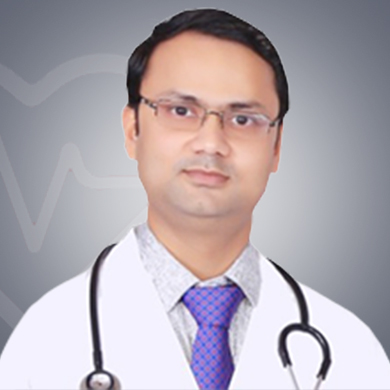
Dr. Vishwas Kaushik
Author

MBBS, MD

7 Years of Experience

Dr. Vishwas Kaushik is a qualified medical professional holding an MBBS from the prestigious Belgorod State University, Russia, with a strong foundation in clinical medicine and healthcare practice. His comprehensive medical training has equipped him with a profound understanding of evidence-based clinical practices, patient-centered care, and the evolving landscape of modern medicine. With a keen interest in medical research and scientific communication, he consistently translates complex clinical concepts into clear, accurate, and accessible content for diverse audiences. His work reflects a deep commitment to advancing medical knowledge, delivering impactful healthcare insights, and bridging the gap between clinical expertise and accessible medical communication.
View More
Dr Prateek Varshney
Reviewer

Surgical Oncologist

15 Years of Experience

Last Reviewed - June 2026

Dr. Prateek Varshney is a renowned Surgical Oncologist. He has experience of more than 15+ years in surgical Oncology. He is currently practicing as a consultant at Metro Mass Hospital and Cancer Institute. He was also previously associated as a consultant with Sir Ganga Ram Hospital and as a professor at Gujarat Cancer Research Institute.
View More

Need Help Choosing the Right Treatment? Talk to a Medical Advisor

Our dedicated Medical Patient Advisors are here to answer your questions, help you compare treatment options, estimate costs, and guide you through every step of your healthcare journey.

15 min
Average response time

Serving Patients Worldwide in Multiple Languages.

Nasopharyngeal cancer treatment is the medical assistance to eradicate or control the cancer arising from the nasopharynx (the upper region of the throat behind the nose). The objective is to destroy cancer cells, palliate symptoms, and prevent recurrence.

Treatment for nasopharyngeal cancer (NPC) aims to remove the tumour, stop it from spreading, and protect the surrounding tissues, including the ears, nose, and throat. Additionally, it aids in the relief of symptoms such as neck lumps, hearing loss, nosebleeds, and nasal congestion. Treatment is essential to increase survival, lower recurrence, and preserve quality of life.

Preparation includes a thorough physical examination, nasendoscopy, biopsy, and imaging tests like MRI, CT, or PET scans to determine the extent of the cancer. EBV indicators and blood tests may also be assessed. Follow your oncology team's pre-treatment guidelines.

Preparation includes a thorough physical examination, nasendoscopy, biopsy, and imaging tests like MRI, CT, or PET scans to determine the extent of the cancer. EBV indicators and blood tests may also be assessed. Follow your oncology team's pre-treatment guidelines.

  • Radiation Therapy (Mainstay): The mainstay of radiation therapy is intensity-modulated radiation therapy (IMRT), which accurately targets the tumour while preserving healthy tissue.
  • Chemotherapy: In moderate to advanced stages, chemotherapy is frequently used in conjunction with radiation. Cisplatin and other medications are used to increase the effectiveness of treatment.
  • Surgery (Rarely Used): Surgery is rarely used for persistent or recurring cancers that do not improve with chemotherapy or radiation.
  • Targeted Therapy/Immunotherapy: Based on biomarker testing, targeted therapy or immunotherapy may be considered in advanced or metastatic situations.

Usually, radiation therapy lasts six to seven weeks. Depending on the course of treatment, chemotherapy is given in cycles either during or after this time. Weeks to months may pass before side symptoms subside, and years of long-term monitoring may be necessary.

  • Dry mouth or difficulty swallowing
  • Fatigue and nausea
  • Hearing loss
  • Neck stiffness or fibrosis
  • Risk of local recurrence or distant spread
  • Dental issues due to radiation exposure
  • Rare risk of secondary malignancies

Timely and personalised treatment improves tumour control, enhances survival rates, and relieves symptoms. Modern radiation and chemotherapy regimens are highly effective in early to moderate stages, and advancements in therapy options offer hope even in advanced cases.

Although surgery is uncommon, coping with chemoradiation side effects like exhaustion, dry lips, and trouble swallowing is part of the rehabilitation process. Rehabilitation requires monthly ENT or oncology follow-up, speech therapy, and nutrition support.

Over 85% of patients with early-stage NPC survive for five years, indicating a good cure rate. Although rates are lower in advanced stages, combination therapeutic approaches increase outcomes. Long-term surveillance ensures prompt care of late effects or recurrence.

70–90%

Effective tumor control

5–10 days

Typical hospital stay

4–8 weeks

to typical return to work
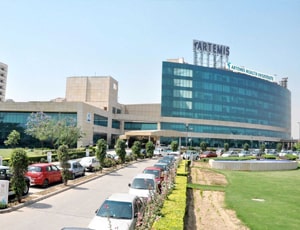
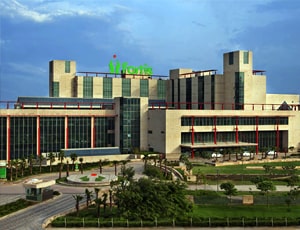
Explore Hospitals ( 8 )

Gurgaon, India

4.1 - 5873 reviews · 750+ Beds · 291+ Procedures
JCI NABH
Starting
USD 11000
Chat with a Medical Advisor

Gurgaon, India

4.2 - 10689 reviews · 1250+ Beds · 280+ Procedures
JCI NABH
Starting
USD 11000
Chat with a Medical Advisor

Gurgaon, India

104+ Beds · 271+ Procedures
ISO NABH NABL
Starting
USD 11000
Chat with a Medical Advisor

Gurgaon, India

4.7 - 62 reviews · 100+ Beds · 42+ Procedures
Chat with a Medical Advisor

Gurgaon, India

4.7 - 15684 reviews · 380+ Beds · 236+ Procedures
NABL NABH
Starting
USD 11000
Chat with a Medical Advisor

Gurgaon, India

3.4 - 39 reviews · 311+ Beds · 273+ Procedures
JCI NABH NABL
Chat with a Medical Advisor

Gurgaon, India

345+ Beds · 164+ Procedures
NABH NABL
Chat with a Medical Advisor

Gurgaon, India

4.5 - 4936 reviews · 250+ Beds · 261+ Procedures
NABH NABL
Starting
USD 10000
Chat with a Medical Advisor

Get Your Nasopharyngeal Cancer Treatment
Plan in 24 hrs.

Our experienced Medical Patient Advisors have supported 100,000+ patients across 120+ countries with personalised treatment plans, hospital recommendations, cost estimates, and travel assistance, all free.

HIPAA-Compliant Data SecurityShared Only with Your Consent

✓ Free Consultation ✓ No Obligation ✓ Personalized Treatment Plan ✓ Response Within 24 Hours

Required | alphabets and spaces
Required | A valid, working email address
Required | A valid contact

Your medical info is kept HIPAA-style confidential. We never share with hospitals without your consent.

Jenny Wilson
Your Dedicated Medical Patient Advisor
Treatment planning • Hospital coordination • Multilingual support • Response within 15 minutes.
Our Services to Better your Experience

Opinion & Option

We submit the most accurate opinion and options from one or more countries for your review

Consult Privately

Consult with a certified specialist privately on our telemedicine platform even before you decide to travel

Logistics

We handle flights, visas, transfers, and accommodation—so you can focus on your health.

Recovery

Our In-house rehabilitation service packages to better your recovery and treatment outcome

Patient Stories

Ms. Monica
Ms. Monica
Monica from Ghana for AV Malformation Treatment in India

Monica from Ghana suffered from AV malformation. She decided to look for options for medical treatment when she started experiencing…

Silim Shabani
Silim Shabani
Patient Testimonial: Silim Shabani for Ovarian Cancer Treatment in Turkey

Nasrin (Sister of the patient ) explains the journey of how MediGence helped for the treatment of Silim Shabani for…

Frequently Asked Questions

The cost of Nasopharyngeal Cancer Treatment in Gurgaon may vary depending on the stage of the cancer, tumour location, treatment approach, diagnostic investigations, hospital charges, specialist consultation fees, radiation therapy sessions, chemotherapy or targeted therapy, supportive care, and length of treatment. The overall cost may include consultations, imaging studies, biopsy, pathology, radiotherapy, systemic therapy, surgery when indicated, medications, hospitalisation, and follow-up care.MediGence can help international patients explore suitable cancer centres and obtain an estimated treatment plan based on the patient's diagnosis, cancer stage, and clinical requirements.

The best hospitals in Gurgaon for Nasopharyngeal Cancer Treatment are those with experienced head and neck oncologists, radiation oncologists, medical oncologists, ENT (otolaryngology) surgeons, radiologists, pathologists, and multidisciplinary cancer teams. Patients should consider hospitals with comprehensive cancer centres, advanced radiation therapy technologies, modern imaging facilities, specialised pathology services, and supportive oncology care.

Patients should choose a multidisciplinary team led by an experienced head and neck oncologist, radiation oncologist, or ENT oncologic surgeon with expertise in treating nasopharyngeal cancer. Important factors include experience in managing early and advanced-stage disease, expertise in intensity-modulated radiotherapy (IMRT), chemotherapy protocols, targeted therapies, and long-term surveillance.The treating team should evaluate tumour stage, biopsy findings, imaging results, lymph node involvement, Epstein-Barr virus (EBV) status where appropriate, overall health, and treatment goals before recommending a personalised treatment plan.

The success rate of Nasopharyngeal Cancer Treatment is approximately 70 - 90%, depending on the stage of the disease at diagnosis, tumour characteristics, response to treatment, overall health, and the treatment approach used. Early-stage nasopharyngeal cancer generally has favourable outcomes, while advanced disease may require multimodal treatment. Outcomes are generally improved when treatment is provided at experienced multidisciplinary cancer centres.

Hospitals in Gurgaon may use nasoendoscopy, MRI, CT scan, PET-CT imaging, image-guided biopsy, molecular pathology, Epstein-Barr virus (EBV) testing where appropriate, intensity-modulated radiotherapy (IMRT), image-guided radiotherapy (IGRT), stereotactic radiotherapy in selected cases, chemotherapy, targeted therapy, immunotherapy, and advanced supportive oncology care.Radiotherapy is the primary treatment for most nasopharyngeal cancers and is often combined with chemotherapy for locally advanced disease. Surgery is generally reserved for selected recurrent or persistent tumours or lymph node disease.

Possible risks and complications may include:
  • Mouth sores (oral mucositis)
  • Dry mouth (xerostomia)
  • Difficulty swallowing (dysphagia)
  • Taste changes
  • Fatigue
  • Skin irritation from radiation therapy
  • Hearing impairment or ear problems
  • Weight loss and nutritional deficiencies
  • Nausea and vomiting related to chemotherapy
  • Low blood cell counts and increased infection risk
  • Neck stiffness or fibrosis
  • Damage to nearby structures such as salivary glands or jawbone
  • Recurrence of cancer
  • Side effects related to targeted therapy or immunotherapy, when used
  • The oncology team will explain the potential risks based on the patient's cancer stage, treatment plan, and overall health.

    Patients should share all relevant medical records with the treating oncology team before travelling. These may include biopsy and pathology reports, MRI, CT, or PET-CT scans, blood test results, previous treatment records, EBV testing results if available, medication history, and allergy information.Patients should also discuss the expected treatment duration, accommodation requirements, nutritional support, possible treatment-related side effects, caregiver arrangements, and follow-up plan before making travel arrangements.

    Yes. International patients can arrange an online consultation with a head and neck oncologist, radiation oncologist, or medical oncologist before travelling to Gurgaon. The specialist may review the patient's pathology reports, imaging studies, cancer stage, previous treatments, and overall clinical condition to recommend an appropriate treatment plan.MediGence can help coordinate online consultations and facilitate the secure sharing of relevant medical records with suitable specialists.

    International patients should carry a valid passport and relevant medical documents, including:
  • Biopsy and pathology reports
  • MRI, CT, and PET-CT imaging reports
  • Nasoendoscopy findings
  • Blood test results
  • Previous oncology consultation records
  • Radiation therapy or chemotherapy records, if applicable
  • Current prescriptions and medication details
  • Allergy and complete medical history
  • Epstein-Barr virus (EBV) test results, if available
  • The required stay in Gurgaon depends on the stage of the cancer and the recommended treatment plan. Radiation therapy combined with chemotherapy may require several weeks of treatment, while surgery, if indicated, may require additional hospitalisation and recovery time.Patients may need to remain in Gurgaon until the planned treatment cycle is completed, treatment-related side effects are well managed, and the oncology team confirms that the patient is fit to travel.

    Recovery varies depending on the treatment received and the patient's overall health. Patients undergoing radiotherapy and chemotherapy may experience gradual improvement over several weeks to months after treatment completion. Recovery may include nutritional rehabilitation, speech and swallowing therapy, pain management, and regular follow-up imaging.Long-term follow-up is essential to monitor for recurrence, manage late treatment-related side effects, and assess overall health.

    If complications occur, patients should contact the treating oncology team or seek immediate medical attention. Prompt evaluation may be required for persistent fever, difficulty breathing or swallowing, severe dehydration, uncontrolled pain, excessive bleeding, significant weight loss, persistent vomiting, neurological symptoms, or signs of infection.Patients should receive detailed discharge instructions, nutritional guidance, medication information, emergency contact details, and a structured oncology follow-up plan before returning home.

    International patients can submit their medical records, pathology reports, and imaging studies through the MediGence website. Following an initial review, the MediGence care team can help patients explore suitable cancer hospitals and experienced oncology specialists, coordinate consultations, and support treatment planning and medical travel arrangements.The final treatment recommendation is made by the treating multidisciplinary oncology team after a comprehensive clinical evaluation.

    International patients may choose Gurgaon for access to experienced head and neck oncology specialists, multidisciplinary cancer centres, advanced radiation therapy technologies, modern imaging facilities, personalised treatment planning, and comprehensive supportive cancer care.The destination should be evaluated based on physician expertise, hospital accreditation, patient safety standards, access to advanced cancer therapies, and experience in treating nasopharyngeal cancer.

    Treatment options depend on the stage of the cancer, tumour extent, lymph node involvement, overall health, and treatment goals. Options may include:
  • Intensity-Modulated Radiation Therapy (IMRT)
  • Image-Guided Radiation Therapy (IGRT)
  • Chemotherapy
  • Concurrent chemoradiotherapy
  • Targeted therapy for selected patients
  • Immunotherapy for recurrent or metastatic disease, when indicated
  • Surgery for selected recurrent or persistent disease
  • Nutritional support and rehabilitation
  • Speech and swallowing therapy
  • Long-term oncology follow-up and surveillance
  • The treating oncology team will recommend the most appropriate treatment plan after evaluating the patient's cancer stage and overall clinical condition.

    International patients may choose Gurgaon for access to specialised head and neck cancer centres, experienced multidisciplinary oncology teams, advanced radiotherapy technologies, comprehensive diagnostic services, personalised treatment planning, and coordinated supportive care.MediGence can assist patients with hospital and specialist selection, medical record coordination, consultation scheduling, treatment planning, and travel-related support. The final destination should be selected according to the patient's diagnosis, cancer stage, clinical requirements, treatment goals, and the hospital's expertise in Nasopharyngeal Cancer Treatment.

    Not Sure About Your Treatment Plan? Get a Second Opinion

    Get your medical reports reviewed by experienced doctors to help you make a confident treatment decision, all online within 48 hours.

    Upload Your Reports
    Free second opinion on your CAR-T plan