Your Notifications
All done, no notifications

Gamma Knife Radiosurgery Cost in Malaysia

Costs starts from USD7000 to USD10000
Filters

How Much Does Gamma Knife Radiosurgery Cost in Malaysia?

The cost of Gamma Knife Radiosurgery in Malaysia is USD 7000 - USD 10000

However, this cost can vary depending on several factors, including the type and severity of the condition, treatment techniques chosen, the healthcare facility's location and reputation, the treating professionals' experience and specialisation, and the patient's overall health status.

Additionally, factors like the duration of treatment, the need for follow-up care, and the use of advanced technologies or specialised treatments can further influence the overall cost.

Factors Influencing the Cost of Gamma Knife Treatment:

Gamma Knife treatment is a noninvasive radiation therapy that treats cancers and disorders of the brain and upper spine using computer-guided planning. The Gamma Knife delivers Highly concentrated energy beams to a designated treatment region. This kind of radiation reduces the damage to the surrounding tissue.

The name "gamma knife" refers to the accuracy of gamma rays. These are photons, which are electromagnetic radiation particles with high energy. Gamma rays may precisely target a specific brain region without making incisions in your body, just like a surgical knife.

Stereotactic radiosurgery includes Gamma Knife surgery. Other names for it are Gamma Knife radiation and Gamma Knife radiosurgery.

Cost of Gamma Knife Radiosurgery in Major Cities of Malaysia

CityMinimum Cost (USD)Minimum Cost (MYR)Maximum Cost (USD)Maximum Cost (MYR)
Kuala LumpurUSD 700029680USD 1000042400

Gamma Knife Radiosurgery Cost : A Global Comparison

CountryMinimum CostMinimum Local CurrencyMaximum CostMaximum Local Currency
IndiaUSD 4000INR 342560USD 7000INR 599480
IsraelUSD 8000ILS 28320USD 15000ILS 53100
LithuaniaUSD 5000LTL 17104USD 10000LTL 34207
MalaysiaUSD 7000MYR 29680USD 10000MYR 42400
PolandUSD 5000PLN 18800USD 10000PLN 37600
SingaporeUSD 60000SGD 77400USD 70000SGD 90300
SpainUSD 5000ESP 735200USD 10000ESP 1470399
ThailandUSD 7000THB 228970USD 10000THB 327100
TunisiaUSD 5000TND 14900USD 10000TND 29800
TurkeyUSD 8100TRY 316386USD 9900TRY 386694
United Arab EmiratesUSD 6828AED 25059USD 13657AED 50121
United KingdomUSD 3900GBP 2886USD 4900GBP 3626

Need Help Planning Your Treatment Abroad?

Your 24/7 AI Health Assistant

Gamma Knife radiosurgery a kind of “minimally invasive surgery”, is used for treating brain tumors, abnormal blood vessels, and other cerebral anomalies. Unlike conventional surgeries, it doesn't involve incisions. Instead, it employs numerous precise radiation beams focused on the target area, minimizing the impact on surrounding healthy tissue while delivering a potent radiation dose to the focal point. This accuracy ensures minimal radiation exposure to nearby healthy tissues.it is generally completed in a single session, Gamma Knife radiosurgery offers efficient treatment with reduced risk to surrounding structures.

What is the application of Gamma Knife?

Gamma Knife radiation is for treating brain lesions and inoperable tumors by delivering precise doses of radiation to the targeted area. Post-procedure, the lesion is anticipated to shrink, disintegrate, or cease further growth. This form of radiosurgery is utilized for various conditions including primary or metastatic brain cancers, benign tumors like meningioma and pituitary adenomas, vascular malformations such as arteriovenous malformations, and functional disorders like trigeminal neuralgia.

The primary conditions addressed by Gamma Knife surgery, a non-surgical method, include brain tumours, vascular malformations, trigeminal neuralgia, and other brain diseases. Treating abnormal tissues with highly focused radiation while sparing surrounding healthy brain structures is the objective to decrease or control lesions, improve symptoms, and avoid open surgery.

If you have persistent neurological symptoms, such as recurring headaches, seizures, difficulty seeing or speaking, facial pain, or dizziness, consult a doctor. A neurosurgeon or neurologist can recommend imaging in cases of suspected brain lesions.

Consult a doctor if you develop persistent neurological symptoms, including recurrent headaches, seizures, difficulty seeing or speaking, facial pain, or dizziness. If brain lesions are suspected, a neurosurgeon or neurologist may recommend imaging.

  • Immobilisation with Head Frame or Mask: Throughout the procedure, the patient's head is perfectly immobilised by being held in place with a specially fitted mask or a stereotactic head frame.
  • Imaging for Target Localisation: Imaging scans are employed to identify the precise location of the target area in the brain.
  • A radiation oncologist and a neurosurgeon, among others, are among the specialists who analyse the imaging information to create a customised treatment plan.
  • The patient is placed on a special table, and the mask or head frame is positioned to align with the Gamma Knife machine.
  • Focused Gamma Radiation Delivery: The target is the careful concentration of many gamma-ray beams. Treatment time varies from 30 minutes to several hours, depending on the situation.

The real process with the Gamma Knife lasts 30 to 2 hours. Treatment depends on the affected brain area's location, size, and shape.

  • Vomiting and feeling queasy
  • A headache
  • Experiencing fatigue
  • Bruising and discolouration of the skin
  • tingling or numbness in the scalp
  • Loss of hair

The following are some benefits of Gamma Knife surgery; however, they are not exclusive:
  • You do not require incisions or cuts in the skin.
  • It can safely treat deep brain lesions or inaccessible tumours with standard surgery.
  • Several cancers and lesions could be addressed at once by the therapy.

Recovery is quick after Gamma Knife surgery. You can return to your normal activities the following day without interruption. Your physician may instruct you not to do anything too strenuous for a few days following the surgery. Your provider will give you the best estimate of how long it will take you to recover.

Gamma Knife surgery effectively treats small tumours and other brain lesions. In one study, a 95% tumour control rate was reported. Tumour control occurs when tumour cells are destroyed, which impacts their growth.

Would you like some help? We are available.

Get Help
Explore Hospitals ( 4 )
Gamma Knife Radiosurgery in Prince Court Medical Centre: Costs, Top Doctors, and Reviews

Kuala Lumpur, Malaysia

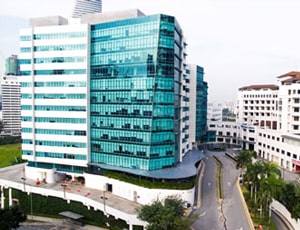
Prince Court is a private medical facility in the center of Kuala Lumpur that has 277 individual beds. Our dedication is to provide you with the best treatment possible from the time you arrive until you depart, healthier and happier. We are well-known for our top-notch facilities, cutting-edge technology, and friendly customer service.

Gamma Knife Radiosurgery in ParkCity Medical Centre: Costs, Top Doctors, and Reviews

Kuala Lumpur, Malaysia

  • Joint Commission International, or JCI

In Kuala Lumpur, Malaysia, ParkCity Medical Centre is a 300-bed, cutting-edge, interdisciplinary private hospital that provides award-winning private healthcare in an environment of lush vegetation.

Gamma Knife Radiosurgery in Subang Jaya Medical Centre: Costs, Top Doctors, and Reviews

Kuala Lumpur, Malaysia

  • Joint Commission International, or JCI

Subang Jaya Medical Center is renowned for pioneering radiation oncology treatments and infrastructure in Malaysia. The hospital also has a state-of-the-art Cancer Radiosurgery Centre (CRC), which is fully furnished with the latest medical technology for cancer detection, monitoring, and treatment.

Gamma Knife Radiosurgery in Bukit Tinggi Medical Centre: Costs, Top Doctors, and Reviews

Kuala Lumpur, Malaysia

As a tertiary care hospital, Bukit Tinggi Medical Centre (BTMC) is committed to providing high-quality, reasonably priced healthcare.

With a focus on patient care and a team of committed medical professionals and personnel, we want to realize our ambition of becoming Klang's go-to healthcare provider. Orthopedics, neurosurgery, cardiac surgery, obstetrics and gynecology, pediatrics and rehabilitation, aesthetic surgery, and other specialties are all part of our multidisciplinary team approach. Additionally, BTMC has a Health Screening Center that provides a range of health packages to meet the requirements of diverse patient types.

Need Some Advice From Our Experts?

Request a Call Back Now!

Our team of healthcare experts would be happy to assist you

trusted Patientstrusted Patients+99
Trusted by 50000+ Patients
Required | alphabets and spaces
Required | A valid, working email address
Required | A valid contact

Process Involved for Gamma Knife Radiosurgery in Malaysia

  • Consultation: Review the diagnosis, location of the tumor, and whether GammaKnife radiosurgery is an appropriate treatment.
  • Pre-treatment Evaluation: Imaging studies are performed to establish the tumour's precise location, size, and related structures.
  • Treatment Planning: Advanced imaging is employed to create an individualised treatment plan for accurate radiation delivery to the tumor.
  • GammaKnife Radiosurgery: A minimally invasive treatment in which highly concentrated radiation beams are aimed at the tumor from various angles in a single or series of treatments.
  • Post-treatment follow-up imaging and check-ups are performed to check how the tumor responds to treatment and detect any side effects.
  • Brain tumors (benign and malignant)
  • Metastatic brain cancer
  • Arteriovenous malformations (AVMs)
  • Trigeminal neuralgia
  • Pituitary tumors
  • Acoustic neuromas
  • Meningiomas
  • Appropriate for patients with brain tumors, metastases, arteriovenous malformations (AVMs), or other conditions that can be treated by accurate radiation.
  • Reserved for those patients who are not good candidates for standard surgery or desire a non-surgical option.
  • Suitable for patients with small to medium-sized tumors in hard-to-reach locations by conventional surgery.
  • Stereotactic radiosurgery
  • Potential use of chemotherapy or other treatments in combination
  • The highly accurate delivery of radiation reduces damage to nearby healthy brain tissue.
  • Efficacious in treating cancer or conditions not suitable for conventional surgery.
  • Neurosurgeon
  • Radiation Oncologist
  • Neurologist
  • Fill out the inquiry form: Fill out the form to provide us with the relevant information about your condition.
  • Consult with Our Healthcare Expert: One of our qualified specialists will contact you for a consultation.
  • Receive a Detailed Treatment Plan: After examining your situation, we will provide you with a detailed treatment plan that includes expert views and cost breakdowns for various choices.
  • Choose your preferred option: Choose the treatment option that suits you the best.

Instantly Connect with our Gamma Knife Radiosurgery Specialists

Doctor 1
Doctor 2
Doctor 3
Doctor 4
Doctor 5
Doctor 6
Doctor 7
Doctor 8
Our Services to Better your Experience

Opinion & Option

We submit the most accurate opinion and options from one or more countries for your review

Consult Privately

Consult with a certified specialist privately on our telemedicine platform even before you decide to travel

Logistics

We handle flights, visas, transfers, and accommodation—so you can focus on your health.

Recovery

Our In-house rehabilitation service packages to better your recovery and treatment outcome

Other Popular Countries for Gamma Knife Radiosurgery

Our network connects you with the leading medical tourism destinations globally, offering a wide range of cities, top doctors, and flexible pricing options.

United Kingdom
Singapore
China
Spain

Frequently Asked Questions

A. Many hospitals in Malaysia perform Gamma Knife Radiosurgery. Some of the most renowned hospitals for Gamma Knife Radiosurgery in Malaysia include the following:

  1. Parkway Pantai
  2. Subang Jaya Medical Centre
  3. Ara Damansara Medical Centre
  4. ParkCity Medical Centre
  5. Bukit Tinggi Medical Centre
  6. Prince Court Medical Centre
  7. Sunway Medical Centre

A. Upon discharge from the hospital after Gamma Knife Radiosurgery in Malaysia, the patients are advised to stay for about 15 days for recovery. This duration of stay is recommended to complete all the necessary follow-ups and control tests to ensure that the surgery was successful.

A. Apart from the Gamma Knife Radiosurgery cost, there are a few other daily charges that the patient may have to pay. These are the charges for daily meals and accommodation outside the hospital. The per day extra expenses in Malaysia per person are about USD 100 per person.

Many cities offer Gamma Knife Radiosurgery in Malaysia, including the following:

  • Kuala Lumpur
  • Subang Jaya
  • Shah Alam
  • Port Klang

A. After the Gamma Knife Radiosurgery takes place, the average duration of stay at the hospital is about 1 day. During the recovery, the patient is carefully monitored and control tests are performed to see that everything is okay. If required, physiotherapy sessions are also planned during recovery in the hospital.

A. There are more than 1 hospitals that offer Gamma Knife Radiosurgery in Malaysia. These hospitals have proper infrastructure as well as offer good quality of services when it comes to Gamma Knife Radiosurgery Additionally, these hospitals are known to comply with international standards as well as local legal requirements for the treatment of patients.

A. GammaKnife radiosurgery is a medical treatment that has no invasive method and is used for the treatment of tumors in the brain as well as other nervous system problems. However, as the term suggests, GammaKnife is not a surgery in the traditional sense of the term.

However, it gives a very concentrated dose of radiation therapy on the specific area within the brain with the use of gamma rays in a very compact and focused way. This treatment is intended to eliminate or reduce tumors and to treat specific disorders in the brain, including arteriovenous malformations or trigeminal neuralgia.

A. GammaKnife is in the way that it uses high-energy gamma radiation to make a customized dosage. lt to the tumor or the portion of the brain that is affected. The system employs a helmet-like structure that is incorporated with more than 192 gamma-ray sources directed at the tumor from different angles. This makes it possible to focus on the tumor and away from well-functioning tissues and organs of the body. GammaKnife radiates the tumor causing growth cessation and often the actual shrinking or killing of the tumor.

A. GammaKnife is effective for treating a variety of brain tumors, including:

  • Benign tumors: Meningiomas, acoustic neuromas or vestibular schwannomas, and pituitary adenomas.
  • Malignant tumors: Also, metastatic brain tumors, meaning cancer that has reached the brain from another body part.
  • Functional tumors: Such as those that result in disruption of normal hormone production.
  • Other neurological conditions: Such as intracranial arteriovenous malformations AVMs and facial neuralgia, or trigeminal neuralgia.

A. GammaKnife has several advantages over traditional brain surgery:

  • Non-invasive: GammaKnife is different from other operations in that deep cuts, stitches, and stay in the hospital are not required. Do not require anesthetic agents or surgical operations.
  • Precision: A very high dose of radiation is delivered directly to the tumor without affecting the healthy neighboring tissues, reducing the chance of developing complications.
  • Faster recovery: Unlike surgery, GammaKnife does not leave the patient incapacitated instead, more often people under this treatment can get back to their regular activities within a few days.
  • Ideal for high-risk patients: It is useful when the patient’s age is above 65, or the tumor is situated in an important part of the brain that cannot be treated with surgery.

A. GammaKnife surgery normally lasts for 1-2 hours depending on the compounding nature of the case under treatment. It consists of the creation of a headholder to immobilize the head of the patient during the treatment, and then the use of imaging such as MRI or CT to accurately locate the tumor. The delivery of the radiation is however fast compared to the time spent on the treatment, which is approximately between half an hour to an hour though the session may take longer because of preparation.

A. Any side effects of the GammaKnife treatment may be minimal, due to its accuracy. However, they can include:

  • Fatigue: As for the side effects of this treatment, some patients may feel a little tired afterward for about 3-5 days.
  • Headaches: Mineral and vitamin deficiencies could be behavioral issues that cause minor headaches in the first couple of days.
  • Swelling: Edema around the tumor may be observed, and may result in conditions such as nausea or dizziness.
  • Hair loss: Great loss of hair may occur in the treated area especially if the tumor is close to the head.
  • Neurological effects: In occasional situations, side effects may manifest themselves as temporary disturbances of vision, speech, or coordination.

A. Well, yes, GammaKnife radiosurgery is safe to say. It is a conventional cancer treatment that has been in practice for many years and used in the treatment of brain tumors and diseases of the nervous system. As it is a minimally invasive procedure that only uses focused radiation, there are comparatively fewer side effects than with traditional brain surgery. However, like any medical treatment, there is always some risk and this is decided by the possibilities and risks of the medical team treating the patient.

A. GammaKnife treatment is most beneficial in the management of both benign and malignant cerebral tumors. When the tumors are benign, MWA has a therapeutic effect, reducing or eradicating the neoplasm. For malignant tumors especially metastases, GammaKnife can help to arrest the growth of the tumor, enhance survival, and alleviate the symptoms.

In patients with multiple areas of brain involvement, GammaKnife is capable of focusing a beam of radiation on each of the tumors separately. The treatment is mostly very effective in controlling the disease and the symptoms and can be used in conjunction with other treatments such as surgery or chemotherapy.

A. The time taken to get back to normal life after GammaKnife treatment is usually short. Because the procedure is non-surgical, most patients can return to their usual activities the day after the procedure or the following day. Patients do not require hospitalization; they do not have to be bedridden or unable to work due to the disease.

The side effects are normally transient and could include things like fatigue or even a tendency to get headaches and such symptoms disappear in two to three weeks at most. These are appointments to check whether the tumor is not growing back or if the patient experiences other health complications.

Author

Dr. Abdullah Rahil

MPT (Neuro)

5 Years of Experience

Dr. Abdullah Rahil, M.P.T. (Neurology), is a dedicated physiotherapy professional specializing in orthopedic, neurological, and musculoskeletal rehabilitation. With strong clinical expertise, he focuses on improving patient mobility, reducing pain, and restoring functional independence through evidence-based rehabilitation techniques. He is skilled in advanced therapeutic approaches that support effective rehabilitation and recovery for a wide range of musculoskeletal and neurological conditions, focusing on improving mobility, reducing pain, and restoring functional independence. Dr. Rahil has extensive experience managing diverse rehabilitation cases. His patient-centered approach emphasizes personalized treatment plans, continuous assessment, and comprehensive rehabilitation to achieve optimal recovery outcomes. . View More

Reviewer

Dr Prateek Varshney

Surgical Oncologist

15 Years of Experience

Dr. Prateek Varshney is a renowned Surgical Oncologist. He has experience of more than 15+ years in surgical Oncology. He is currently practicing as a consultant at Metro Mass Hospital and Cancer Institute. He was also previously associated as a consultant with Sir Ganga Ram Hospital and as a professor at Gujarat Cancer Research Institute. View More