Schwannoma Treatment in Malaysia
- Top Accredited Hospitals
- Global Medical Standards
- Cutting-Edge Technology
- Proven Treatment Options
- High Success Rate
- Trusted by Millions

What is Schwannoma?
A schwannoma is a type of tumor that arises from Schwann cells found in the nerve roots or the peripheral nervous system. They typically grow slowly and are benign. Vestibular schwannomas, which develop in an inner ear nerve, are the most prevalent kind.
What is the Importance of Timely Treatment?
In addition to minimising potential complications by treating the tumor while it is still small and before it causes significant damage or symptoms, early treatment of a schwannoma is essential because it allows for better preservation of function in the affected area, especially when the tumor is near vital nerves like those responsible for hearing and balance.
What are the Common Symptoms of Schwannoma?
- Constant or sporadic pain at the tumor's location (however, not all schwannomas are painful)
- Tingling and numbness in the damaged nerve's vicinity
- Loss of feeling in the damaged nerve's vicinity
- Weakened muscles or altered reflexes
- Lightheadedness or issues with balance.
Causes and Risk Factors of Schwannoma
Causes
Most of the time, the cause of schwannomas is unknown. About 90% of cases happen infrequently or at random.
- Schwannomatosis,
- Neurofibromatosis 2 (NF2)
- Carney complex
According to genetic research, the NF2 gene on chromosome 22 is crucial for schwannoma formation.
Risk Factors
- Bleeding
- Infection
- Anesthesia-related side effects
- Nerve injury
- Paralysis
- Numbness or weakness in the afflicted area.
Connect with our advisor for a PRIORITY response
Schwannoma Prevention Tips
- Unfortunately, there is no way to avoid schwannomas. Most of the time, they occur at random for unclear causes. Genetic factors that increase your risk of developing specific tumour types are linked to 10% of instances.
Treatment options for Schwannoma
Stereotactic Radio Therapy: To eradicate tumours, stereotactic radiosurgery (SRS) employs many laser beams that are carefully focused. To avoid potential difficulties, your doctor could suggest SRS rather than surgery if the tumour is close to important blood vessels or nerves.
Cost Start From USD 3000 - USD 8000Explore Options
Gamma Knife Radiosurgery: Brain stereotactic radiosurgery is another name for gamma knife radiosurgery. Since no incision is made into the brain tissue, it is not surgery in the conventional sense. About 200 beams of focused radiation are directed straight at the vestibular schwannoma using specialised equipment.
Cost Start From USD 7000 - USD 10000Explore Options
The following imaging studies can be used to diagnose a schwannoma:
- MRI: A big magnet, radio waves, and a computer are used in magnetic resonance imaging (MRI), a painless procedure that creates obvious pictures of the organs and structures inside your body. This imaging test is recommended to identify and diagnose schwannomas.
- Computed tomography (CT) scan: A CT scan creates images of the internal components of your body using computers and X-rays.
- Ultrasound: Ultrasound produces live images or films of internal organs or other soft tissues by using high-frequency sound waves. Medical professionals can use ultrasound to find schwannomas beneath your skin.
- Nutritional Counseling: Diet plans to reduce inflammation and maintain a healthy weight.
- Personalised Therapy Plans: Individually tailored treatments for pain management and enhanced mobility.
- Rehabilitation post-surgery: physiotherapy sessions focused on restoring joint function and strength.
- Nutrition Guidance: Customized dietary plan for reducing inflammation and maintaining a healthy weight for overall recovery.
Healthcare professionals may suggest medications that treat nerve pain.
Instantly Connect with our Specialists


Hospitals for Schwannoma in Malaysia
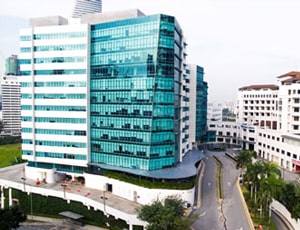
Parkway Pantai
Kuala Lumpur, Malaysia
Parkway Pantai located in Kuala Lumpur, Malaysia is accredited by JCI. Also listed below are some of the most prominent infrastructural details:
- Capacity of 335 beds
- 200+ specialist Doctors
- Critical Care Unit
- Neonatal Intensive Care Unit
- Operating Theatre
- International Patient Care Center
- Types of rooms available- Premier Suite, Supreme Suite, Deluxe Single Room, 2-bedded room, 4-bedded room, Deluxe Suite, Premier Single room, and Supreme Single room

Sunway Medical Centre
Kuala Lumpur, Malaysia
Sunway Medical Centre has initiated a comprehensive expansion plan close to its current hospital facility to enhance its ability to provide services to the global market. The new Cancer Radiosurgery Center and Nuclear Medicine Center, which will also house additional Centers of Excellence like the Digestive Health Center and Dialysis Center, marked the completion of Tower C's first phase in October 2016.

Prince Court Medical Centre
Kuala Lumpur, Malaysia
Prince Court is a private medical facility in the center of Kuala Lumpur that has 277 individual beds. Our dedication is to provide you with the best treatment possible from the time you arrive until you depart, healthier and happier. We are well-known for our top-notch facilities, cutting-edge technology, and friendly customer service.
Our Services to better your experience
Opinion & Option
We submit the most accurate opinion and options from one or more countries for your review
Consult Privately
Consult with a certified specialist privately on our telemedicine platform even before you decide to travel
Logistics
We handle flights, visas, transfers, and accommodation—so you can focus on your health.
Recovery
Our In-house rehabilitation service packages to better your recovery and treatment outcome
Why Choose Malaysia for Schwannoma Treatment?
Here are some of the reasons for choosing Malaysia:
- Due to advancements in medical facilities, such as minimally invasive surgical techniques and immunosuppression therapy.
- World-class experts include highly experienced doctors and JCI-accredited healthcare institutions.
- Compared to other countries, treatment in Malaysian hospitals is cost-effective.
- Malaysia's hospitals provide international patient services, including a multilingual support system.
- Improved treatment methods and biological therapies.
Frequently Asked Questions
It is treatable, yes. Schwannomas are usually not malignant, but they can develop and become more problematic if left untreated. Some schwannomas can be removed without damaging the surrounding nerve tissue, but if your tumor is large or deeply implanted, more surgery might be necessary.
The nation's healthcare institutions offer high-quality treatment alternatives, resulting in favourable outcomes for many patients. Depending on the location and size of the tumour, treatment for Schwannomas in Malaysia is thought to be effective. Surgical options such as microsurgery and minimally invasive Gamma Knife radiosurgery, particularly for smaller tumours, allow for reasonable tumour control while preserving essential functions such as hearing. To acquire the best results, seek treatment from a medical facility with experienced neurosurgeons.
Yes, many Malaysian hospitals offer the following for Schwannoma treatment:
- Advanced diagnostic tools like MRI, CT scan, electromyography, and PET scan for accuratediagnosis of Schwannoma
- Skilled neurologist and surgeons for Schwannoma treatment.
- Advanced gamma knife radiation therapy
- Comprehensive post-surgery care and rehabilitation for long-term health benefits.
Always consider the following factors when selecting a hospital in Malaysia:
- Hospitals that are accredited (authorised by JCI).
- Patient reviews and success rates.
- Hospitals that provide seamless care to patients from abroad.
In Malaysia, the therapeutic success rate for schwannomas is often high. The primary treatment is surgical removal, with most patients receiving positive outcomes such as tumour removal, symptom reduction, and minimal recurrence. Radiation therapy may be utilised when surgery is not an option.
Depending on where the tumour is located, a doctor will perform a physical examination, order imaging tests like an MRI scan, and possibly perform a biopsy to confirm the diagnosis. If your child has a schwannoma, you should look for symptoms such as a painless or painful lump that grows slowly, numbness or tingling in a specific area, one-sided hearing loss, dizziness, facial weakness, or pain.
Depending on the tumour's location, size, and treatment, a patient may experience long-term effects from a schwannoma such as tinnitus (ear ringing), balance issues, facial weakness or numbness, persistent hearing loss, and occasionally even trouble swallowing or moving the eye. However, most schwannomas are benign and slow-growing, so if they are appropriately diagnosed and treated, they rarely significantly impact life expectancy.
Providing a supportive environment, managing symptoms with medication and therapies as directed by the doctor, closely monitoring the child's seizures, seeking specialised care such as physical, occupational, and speech therapy, and being ready for any necessary surgical procedures, such as a hemispherectomy, are all part of caring for a child with Schwannoma.

Reviewer

Dr. Mohit Agarwal
Medical Oncologist
14 Years of Experience
One of the finest Oncologist in New Delhi, India, Dr. Mohit Agarwal has worked with several world class multidisciplinary hospitals over the years. Dr. Mohit Agarwal has over 14+ years of experience in his field. The doctor treats and manages a wide range of conditions such as Stomach Cancer, Rectal Cancer, Breast Cancer, Brain Cancer View More
Last Reviewed - January 2026