Your Notifications
All done, no notifications

Chemotherapy Cost in Rehovot

USD 1000 - USD 1500

Affordable World-class Treatment - Accredited Hospitals - Free Treatment Plan in 24 Hrs

30 min-8 hrs/session
Procedure Time
50 - 90%
Success Rate
Chemotherapy: Cost, Procedure and Clinics | MediGence
JCI/ISO 100,000+ Patients 24X7 Coordinator Visa & Travel handled
Your all-in-one medical travel platform for treatment, recovery & care.

Get Your Personalised Treatment Plan in Just 24 Hours.

Share your details to receive a personalised treatment plan, estimated costs, hospital recommendations, and expert guidance, “completely free.”

Required | alphabets and spaces
Required | A valid, working email address
Required | A valid contact
Connect with an Expert

Your information is protected with HIPAA-compliant security standards. We only share your details with hospitals after your consent.

Estimated Treatment Cost
USD 1000 - USD 1500
All-inclusive • Hospital + Medications + Recovery Assistance + Dedicated Care Coordinator

International Quality. Affordable Care.

The average cost of Chemotherapy in Rehovot approximately starts from USD 1000 - USD 1500

Cost of Chemotherapy in Major Cities of Israel

CityMinimum Cost (USD)Minimum Cost (ILS)Maximum Cost (USD)Maximum Cost (ILS)
HerzliyaUSD 9003186USD 13504779
Petah TikvaUSD 8002832USD 12004248
Ramat GanUSD 9003186USD 13504779
RehovotUSD 10003540USD 15005310
Tel AvivUSD 10003540USD 15005310

Cost of Chemotherapy in Major Cities of Israel

City Cost (USD)
Herzliya $900 – $1,350 Explore More
Petah Tikva $1,000 – $1,500 Explore More
Ramat Gan $900 – $1,350 Explore More
Rehovot $1,000 – $1,500 Explore More
Tel Aviv $1,000 – $1,500 Explore More

Find the Right Destination for Your Chemotherapy Journey

Fauzia Zeb Fatima
Author

M.Pharm

4 Years of Experience

Last Reviewed - June 2026

Fauzia Zeb is a distinguished medical and scientific content writer with a robust academic foundation in pharmaceutical sciences, holding a B.Pharm and M.Pharm degree from prestigious institutions, including MIT and Jamia Hamdard University. Her comprehensive expertise in pharmacology, clinical sciences, and biomedical research enables her to translate complex medical and scientific concepts into precise, evidence-based content tailored for diverse audiences. Specializing in peer-reviewed articles, clinical blog posts, and research-driven publications, she demonstrates a consistent ability to bridge the gap between advanced medical science and accessible, audience-specific communication.
View More
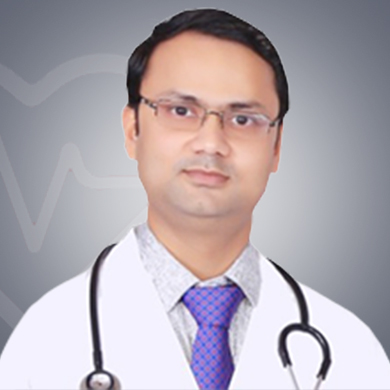
Dr Prateek Varshney
Reviewer

Surgical Oncologist

15 Years of Experience

Last Reviewed - June 2026

Dr. Prateek Varshney is a renowned Surgical Oncologist. He has experience of more than 15+ years in surgical Oncology. He is currently practicing as a consultant at Metro Mass Hospital and Cancer Institute. He was also previously associated as a consultant with Sir Ganga Ram Hospital and as a professor at Gujarat Cancer Research Institute.
View More

Need Help Choosing the Right Treatment? Talk to a Medical Advisor

Our dedicated Medical Patient Advisors are here to answer your questions, help you compare treatment options, estimate costs, and guide you through every step of your healthcare journey.

15 min
Average response time

Serving Patients Worldwide in Multiple Languages.

Chemotherapy, also called "chemo," is a form of cancer treatment utilizing drugs aimed at combating various types of cancer. It is among the array of cancer therapies available, alongside surgery, radiation therapy, immunotherapy, and targeted therapy.

Chemotherapy, widely employed in cancer treatment, utilizes drugs to eliminate cancer cells and impede tumor growth. Often combined with other cancer therapies like radiation or surgery, chemotherapy is typically administered intravenously, directly into the bloodstream. While effective, it can also lead to various side effects.

Chemotherapy is a versatile treatment option for both localized (primary) and metastasized (spread) cancers. The selection of chemotherapy is determined by several factors:

  1. The specific location of the cancer within the body.
  2. The stage of cancer indicates its progression and severity.
  3. The overall health and medical background of the patient.

Types:

The following are the main types of chemotherapy:

  • Alkylating Agents: Drugs like cisplatin, cyclophosphamide, and busulfan are used to damage the DNA of cancer cells.
  • Antimetabolites: Drugs like methotrexate, fluorouracil, and gemcitabine are used to disrupt DNA and RNA production.
  • Anthracyclines: Some drugs like doxorubicin, daunorubicin, and epirubicin can inhibit the synthesis of DNA and RNA.
  • Cytotoxic Antibiotics: cytotoxic antibiotics bind to DNA, causing breaks and preventing replication. Examples include bleomycin, dactinomycin, and mitomycin.
  • Targeted Therapy: Targeted drugs specifically attack cancer cells by targeting specific molecules involved in cancer growth, such as proteins or genes. Examples include tyrosine kinase inhibitors (e.g., imatinib), monoclonal antibodies (e.g., trastuzumab), and immune checkpoint inhibitors (e.g., pembrolizumab).

Chemotherapy is given to kill or slow down the growth of cancer cells. One could get chemotherapy to treat and cure the cancer, prevent its spread, shrink a tumor before surgery or radiation, or decrease pain in an advanced stage.

Once diagnosed with cancer or having some symptoms such as unexplained weight loss, fatigue, lumps, or persistent pain, you will want to get further advice from a doctor. The recommendation for chemotherapy will depend on the type, stage, and spread of the cancer.

Preparation includes blood tests and imaging scans while checking for your medical history. You may be advised to stop or alter some of your medications, and you may want to secure arrangements for support because of side effects. Your chemotherapy regimen will be individualised according to your cancer.

Depending on the cancer type, chemotherapy drugs may be given through an intravenous line (IV), taken by mouth, given by injection, or applied to the skin. It is offered mainly in cycles with rest periods to allow your body to recuperate.

Depending on the actual drugs, sessions can take from 30 minutes to several hours. The complete course of treatment may last for several weeks to months, with breaks for monitoring and rest scheduled.

  • Nausea
  • Fatigue
  • Hair loss
  • Infections
  • Anemia
  • Mouth sores
  • Appetite loss

It can shrink or destroy tumors, prevent them from spreading to many areas, relieve symptoms, and increase survival rates. For added effectiveness, it is mainly used with treatments like surgery and radiation.

Post-treatment recovery varies between patients. Some regain their strength between cycles, while others may need weeks to months to feel energised again. Periodic checkups are necessary for monitoring side effects and treatment response.

It depends much on the type and stage of cancer. Chemotherapy can cure many cancers, such as leukemia, lymphoma, and testicular cancers and also enhances the survival of many solid tumors when followed by other treatments. It can offer a success rate between 65 - 90%.

60–90%

Treatment response rate (depends on cancer type and stage)

Same day

Typical hospital stay (outpatient treatment for most cycles)

1–3 days

Return to normal daily activities depending on treatment tolerance
Explore Hospitals ( 1 )

Rehovot, Israel

1100+ Beds · 188+ Procedures
JCI
Starting
USD 7000

Get Your Chemotherapy
Plan in 24 hrs.

Our experienced Medical Patient Advisors have supported 100,000+ patients across 120+ countries with personalised treatment plans, hospital recommendations, cost estimates, and travel assistance, all free.

HIPAA-Compliant Data SecurityShared Only with Your Consent

Free Consultation No Obligation Personalized Treatment Plan Response Within 24 Hours

Required | alphabets and spaces
Required | A valid, working email address
Required | A valid contact

Your medical info is kept HIPAA-style confidential. We never share with hospitals without your consent.

Process Involved for Chemotherapy in Rehovot

  • Consultation: The oncologist will present the diagnosis, cancer staging, and the role of chemotherapy in the treatment plan.
  • Pre-treatment Testing: Various diagnostic procedures will be carried out to test the cancer's nature and that of the patient.
  • Discussion with Treatment Team: The oncologist will discuss what kind of chemotherapy drugs there are and how much, maybe based on type of cancer, stage, and response to chemotherapy.
  • Administration of Chemotherapy: Chemotherapy is often administered through intravenous infusion, oral drug administration, or a combination. Treatment is individualised according to cancer type and individual requirements.
  • Post-Treatment Monitoring: Regular follow-up visits and imaging will monitor the efficacy of chemotherapy and toxicity and assess recurrence.
  • lung cancer
  • Ovarian cancer
  • Breast cancer
  • Colorectal cancer
  • Lymphomas
  • Leukemia
  • Chemotherapy is advised for cancer patients with lung cancer and other forms of cancer based on the stage, type, and site of the tumour, as well as the general health of the patient.
  • It can be used with other therapies such as surgery, radiation, or immunotherapy.
  • Chemotherapy infusion
  • Combination therapies with surgery, radiation, or immunotherapy
  • Stem cell transplant (in certain cancers, as part of chemotherapy treatment)
  • Prevents the growth of cancer cells or destroys them.
  • Shrinks tumors, possibly reducing symptoms.
  • Reduces the risk of certain tumors recurring after radiation therapy or surgery.
  • Increases survival chances in individuals whose cancers are advanced or not amenable to surgery.
  • Lowers the incidence of cancer and improves overall health.
  • Medical Oncologist
  • Radiation Oncologist
  • Surgical Oncologist
  • Fill out the inquiry form: Fill out the form to provide us with the relevant information about your condition.
  • Consult with Our Healthcare Expert: One of our qualified specialists will contact you for a consultation.
  • Receive a Detailed Treatment Plan: After examining your situation, we will provide you with a detailed treatment plan that includes expert views and cost breakdowns for various choices.
  • Choose your preferred option: Choose the treatment option that suits you the best.
Jenny Wilson
Your Dedicated Medical Patient Advisor
Treatment planning • Hospital coordination • Multilingual support • Response within 15 minutes.
Our Services to Better your Experience

Opinion & Option

We submit the most accurate opinion and options from one or more countries for your review

Consult Privately

Consult with a certified specialist privately on our telemedicine platform even before you decide to travel

Logistics

We handle flights, visas, transfers, and accommodation—so you can focus on your health.

Recovery

Our In-house rehabilitation service packages to better your recovery and treatment outcome

Patient Stories

Mr. Chiamaka Ufuoma
Mr. Chiamaka Ufuoma
Mr. Chiamaka from Nigeria Underwent Radiation Therapy along with Chemotherapy In India

I am grateful to Artemis Hospital and the healthcare team for ensuring a seamless Radiation therapy and Chemotherapy treatment. I…

Jennifer
Jennifer
Jennifer’s Medical Journey of Overcoming Breast Cancer

Mrs. Jennifer, a 46-year-old educator from the Philippines, led an active life. She did not give her health any special…

Frequently Asked Questions

$7000 is the starting cost of Chemotherapy Surgery in Rehovot. Many multispeciality hospitals in Rehovot that are JCI certified are approved and most sought after for treating international patients with Chemotherapy.

Chemotherapy package cost in Rehovot has different inclusions and exclusions. The top hospitals for Chemotherapy in Rehovot covers all the expenses related to the pre-surgery investigations of the candidate. The comprehensive Chemotherapy package cost includes the cost of investigations, surgery, medicines and consumables. There are many things that may increase the cost of Chemotherapy in Rehovot, including prolonged hospital stay and complications after the procedure.

Chemotherapy in Rehovot is offered by multiple hospitals across the country. For quick reference, the following are some of the leading hospitals for Chemotherapy in Rehovot:

After Chemotherapy in Rehovot, the patient is supposed to stay in guest house for another 20 days. This period is important to conduct all the follow-up tests to ensure that the surgery was successful and the patient can go back to the home country.

Rehovot is one of the most popular cities for Chemotherapy in the world. The country offers the best cost of Chemotherapy, best doctors, and advanced hospital infrastructure. Some of the other destinations that are popular for Chemotherapy include the following:

There are certain expenses additional to the Chemotherapy cost that the patient may have to pay for. These are the chanrges for daily meals and hotel stay outside the hospital. The extra charges may vary from 75 USD.

After the Chemotherapy surgery takes place, the average duration of stay at the hospital is about 1 Days. The doctors team review the patient's recovery during this time with the help of blood tests and imaging scans. Once they feel that everything is on track, the patient is discharged.

There are about 1 Hospitals in Rehovot that offer Chemotherapy to international patients. These hospitals have the required infrastructure and a decided Chemotherapy unit where renal failure patients can be treated. Apart from good services, the hospitals are known to follow all standard and legal guidelines as dictated by the local medical affairs body or organization.

Not Sure About Your Treatment Plan? Get a Free Second Opinion

Have your reports reviewed by independent oncology experts to help you make a confident treatment decision, all online within 48 hours.

Upload Your Reports
Free second opinion on your CAR-T plan