Your Notifications
All done, no notifications

Chemotherapy Cost in Kolkata

Get a Quote

Affordable World-class Treatment - Accredited Hospitals - Free Treatment Plan in 24 Hrs

30 min-8 hrs/session
Procedure Time
50 - 90%
Success Rate
Chemotherapy: Cost, Procedure and Clinics | MediGence
JCI/ISO 100,000+ Patients 24X7 Coordinator Visa & Travel handled
Your all-in-one medical travel platform for treatment, recovery & care.

Get Your Personalised Treatment Plan in Just 24 Hours.

Share your details to receive a personalised treatment plan, estimated costs, hospital recommendations, and expert guidance, “completely free.”

Required | alphabets and spaces
Required | A valid, working email address
Required | A valid contact

Your information is protected with HIPAA-compliant security standards. We only share your details with hospitals after your consent.

Estimated Treatment Cost
All-inclusive • Hospital + Medications + Recovery Assistance + Dedicated Care Coordinator

International Quality. Affordable Care.
The average cost of Chemotherapy in Kolkata ranges between available on request.

Cost of Chemotherapy in Major Cities of India

CityCost (USD)
Ahmedabad $540 – $630 Explore More
Amroha $480 – $560 Explore More
Bangalore $600 – $700 Explore More
Calicut $480 – $560 Explore More
Chennai $600 – $700 Explore More
Delhi $600 – $700 Explore More
Faridabad $600 – $700 Explore More
Ghaziabad $600 – $700 Explore More
Gurgaon $600 – $700 Explore More
Gurugram $600 – $700 Explore More
Hyderabad $600 – $700 Explore More
Kochi $600 – $700 Explore More
Kolkata $600 – $700 Explore More
Mohali $540 – $630 Explore More
Mumbai $600 – $700 Explore More
Noida $600 – $700 Explore More
Panjim $540 – $630 Explore More
Pune $540 – $630 Explore More
Nimra Haseeb
Author

MSc Biochemistry

4 Years of Experience

Miss Nimra Haseeb is a medical researcher and a scientific content writer. She holds a Bachelor’s degree in Biotechnology and a Master’s in Biochemistry from Integral University, Lucknow. With strong experience in healthcare research, she specializes in secondary research, clinical data analysis, and evidence-based medical writing. Her work focuses on transforming complex scientific and medical information into clear, accurate, and reliable healthcare content for patients and healthcare audiences. She is also experienced in interpreting medical studies and healthcare trends to deliver well-researched and informative content that supports better health awareness and decision-making.
View More
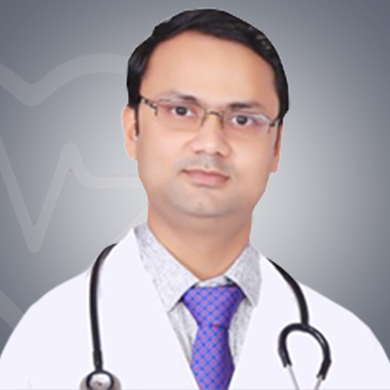
Dr Prateek Varshney
Reviewer

Surgical Oncologist

15 Years of Experience

Last Reviewed - June 2026

Dr. Prateek Varshney is a renowned Surgical Oncologist. He has experience of more than 15+ years in surgical Oncology. He is currently practicing as a consultant at Metro Mass Hospital and Cancer Institute. He was also previously associated as a consultant with Sir Ganga Ram Hospital and as a professor at Gujarat Cancer Research Institute.
View More

Need Help Choosing the Right Treatment? Talk to a Medical Advisor

Our dedicated Medical Patient Advisors are here to answer your questions, help you compare treatment options, estimate costs, and guide you through every step of your healthcare journey.

15 min
Average response time

Serving Patients Worldwide in Multiple Languages.

Chemotherapy, also called "chemo," is a form of cancer treatment utilizing drugs aimed at combating various types of cancer. It is among the array of cancer therapies available, alongside surgery, radiation therapy, immunotherapy, and targeted therapy.

Chemotherapy, widely employed in cancer treatment, utilizes drugs to eliminate cancer cells and impede tumor growth. Often combined with other cancer therapies like radiation or surgery, chemotherapy is typically administered intravenously, directly into the bloodstream. While effective, it can also lead to various side effects.

Chemotherapy is a versatile treatment option for both localized (primary) and metastasized (spread) cancers. The selection of chemotherapy is determined by several factors:

  1. The specific location of the cancer within the body.
  2. The stage of cancer indicates its progression and severity.
  3. The overall health and medical background of the patient.

Types:

The following are the main types of chemotherapy:

  • Alkylating Agents: Drugs like cisplatin, cyclophosphamide, and busulfan are used to damage the DNA of cancer cells.
  • Antimetabolites: Drugs like methotrexate, fluorouracil, and gemcitabine are used to disrupt DNA and RNA production.
  • Anthracyclines: Some drugs like doxorubicin, daunorubicin, and epirubicin can inhibit the synthesis of DNA and RNA.
  • Cytotoxic Antibiotics: cytotoxic antibiotics bind to DNA, causing breaks and preventing replication. Examples include bleomycin, dactinomycin, and mitomycin.
  • Targeted Therapy: Targeted drugs specifically attack cancer cells by targeting specific molecules involved in cancer growth, such as proteins or genes. Examples include tyrosine kinase inhibitors (e.g., imatinib), monoclonal antibodies (e.g., trastuzumab), and immune checkpoint inhibitors (e.g., pembrolizumab).
Explore Hospitals ( 1 )

Kolkata, India

700+ Beds · 269+ Procedures
JCI ISO
Chat with a Medical Advisor

Get Your Chemotherapy
Plan in 24 hrs.

Our experienced Medical Patient Advisors have supported 100,000+ patients across 120+ countries with personalised treatment plans, hospital recommendations, cost estimates, and travel assistance, all free.

HIPAA-Compliant Data SecurityShared Only with Your Consent

✓ Free Consultation ✓ No Obligation ✓ Personalized Treatment Plan ✓ Response Within 24 Hours

Required | alphabets and spaces
Required | A valid, working email address
Required | A valid contact

Your medical info is kept HIPAA-style confidential. We never share with hospitals without your consent.

Process Involved for Chemotherapy in Kolkata

  • Consultation: The oncologist will present the diagnosis, cancer staging, and the role of chemotherapy in the treatment plan.
  • Pre-treatment Testing: Various diagnostic procedures will be carried out to test the cancer's nature and that of the patient.
  • Discussion with Treatment Team: The oncologist will discuss what kind of chemotherapy drugs there are and how much, maybe based on type of cancer, stage, and response to chemotherapy.
  • Administration of Chemotherapy: Chemotherapy is often administered through intravenous infusion, oral drug administration, or a combination. Treatment is individualised according to cancer type and individual requirements.
  • Post-Treatment Monitoring: Regular follow-up visits and imaging will monitor the efficacy of chemotherapy and toxicity and assess recurrence.
  • lung cancer
  • Ovarian cancer
  • Breast cancer
  • Colorectal cancer
  • Lymphomas
  • Leukemia
  • Chemotherapy is advised for cancer patients with lung cancer and other forms of cancer based on the stage, type, and site of the tumour, as well as the general health of the patient.
  • It can be used with other therapies such as surgery, radiation, or immunotherapy.
  • Chemotherapy infusion
  • Combination therapies with surgery, radiation, or immunotherapy
  • Stem cell transplant (in certain cancers, as part of chemotherapy treatment)
  • Prevents the growth of cancer cells or destroys them.
  • Shrinks tumors, possibly reducing symptoms.
  • Reduces the risk of certain tumors recurring after radiation therapy or surgery.
  • Increases survival chances in individuals whose cancers are advanced or not amenable to surgery.
  • Lowers the incidence of cancer and improves overall health.
  • Medical Oncologist
  • Radiation Oncologist
  • Surgical Oncologist
  • Fill out the inquiry form: Fill out the form to provide us with the relevant information about your condition.
  • Consult with Our Healthcare Expert: One of our qualified specialists will contact you for a consultation.
  • Receive a Detailed Treatment Plan: After examining your situation, we will provide you with a detailed treatment plan that includes expert views and cost breakdowns for various choices.
  • Choose your preferred option: Choose the treatment option that suits you the best.
Jenny Wilson
Your Dedicated Medical Patient Advisor
Treatment planning • Hospital coordination • Multilingual support • Response within 15 minutes.
Our Services to Better your Experience

Opinion & Option

We submit the most accurate opinion and options from one or more countries for your review

Consult Privately

Consult with a certified specialist privately on our telemedicine platform even before you decide to travel

Logistics

We handle flights, visas, transfers, and accommodation—so you can focus on your health.

Recovery

Our In-house rehabilitation service packages to better your recovery and treatment outcome

Patient Stories

Mr. Chiamaka Ufuoma
Mr. Chiamaka Ufuoma
Mr. Chiamaka from Nigeria Underwent Radiation Therapy along with Chemotherapy In India

I am grateful to Artemis Hospital and the healthcare team for ensuring a seamless Radiation therapy and Chemotherapy treatment. I…

Jennifer
Jennifer
Jennifer’s Medical Journey of Overcoming Breast Cancer

Mrs. Jennifer, a 46-year-old educator from the Philippines, led an active life. She did not give her health any special…

Conditions treated by Chemotherapy

Frequently Asked Questions

The cost of chemotherapy in Kolkata is available on request and varies depending on the type and stage of cancer, the chemotherapy drugs used, the number of cycles, the treatment setting, the oncologist's expertise, the hospital, and whether chemotherapy is combined with surgery, radiation, targeted therapy, or immunotherapy. The overall expense may also include consultations, blood tests, imaging, medicines, infusion charges, and supportive care. A personalised estimate is usually provided after the oncologist reviews the patient's diagnosis and treatment plan.

Some of the best hospitals in Kolkata for Chemotherapy include:
  • Apollo Multispecialty Hospitals
  • Choose a medical oncologist with experience treating your specific type of cancer. Consider the doctor's qualifications, years of oncology experience, expertise with the required chemotherapy protocols, access to multidisciplinary cancer care, and the hospital's oncology infrastructure. It is also important to choose a specialist who can monitor treatment response and manage chemotherapy-related side effects.

    The effectiveness varies considerably by cancer type, stage, tumour biology, treatment intent, and individual response, but the success rate can vary between 50 - 90%. Chemotherapy may be used to cure cancer, reduce the risk of recurrence, control advanced disease, or relieve symptoms. The treating oncologist can provide a more meaningful prognosis after reviewing the patient's pathology and staging reports.

    Modern chemotherapy may involve carefully selected drug combinations administered through intravenous infusion, oral medicines, injections, or other routes, depending on the cancer. Treatment may be supported by infusion pumps, central venous access devices, laboratory monitoring, imaging, and personalised dosing. Chemotherapy can also be combined with targeted therapy, immunotherapy, hormone therapy, surgery, or radiation when clinically appropriate.

    Potential side effects include fatigue, nausea and vomiting, reduced blood-cell counts, increased infection risk, hair loss, mouth sores, appetite changes, diarrhoea or constipation, and nerve-related symptoms. Some medicines may cause organ-specific effects. Not every patient experiences all side effects, and supportive medicines can help manage many of them. The oncologist will explain the risks associated with the specific drugs being prescribed.

    Before travelling, obtain your pathology and biopsy reports, imaging records, previous treatment details, blood-test results, medication list, and medical summary. Ask the receiving oncologist whether additional tests are required before treatment begins. Discuss your current health, allergies, previous chemotherapy reactions, and other medical conditions with the treatment team.

    Yes. International patients can often arrange an online consultation with a medical oncologist before travelling. The specialist can review pathology, imaging, previous treatment, and other medical records to provide a preliminary treatment recommendation. Additional tests or pathology review may be required before the final chemotherapy protocol is confirmed.

    International patients should generally bring:
  • Passport and travel documents
  • Biopsy and pathology reports
  • Histopathology and molecular or biomarker reports, if available
  • CT, MRI, PET-CT, X-ray, or other relevant imaging
  • Previous chemotherapy or other cancer-treatment records
  • Blood-test and laboratory reports
  • Current medication list
  • Allergy information
  • Doctor's referral or medical summary
  • The duration depends on the chemotherapy protocol. Some chemotherapy cycles can be administered as outpatient treatment over a few hours, while others may require hospitalisation. Treatment is often delivered in multiple cycles separated by recovery periods, meaning international patients may need to stay for several weeks or return for subsequent cycles. The treating oncologist can provide a schedule based on the prescribed regimen.

    Recovery varies according to the chemotherapy drugs, dosage, cancer type, treatment duration, and individual health. Some side effects improve within days after a cycle, while fatigue, changes in blood counts, neuropathy, or other effects may take longer to resolve. Because chemotherapy is commonly administered in cycles, patients generally have recovery periods between treatments.

    Complications should be reported promptly to the treating oncology team. Depending on the problem, management may include medicines, intravenous fluids, antibiotics, blood products, treatment delays, dose adjustments, or hospitalisation. Patients should receive clear instructions about warning signs, particularly fever, severe weakness, breathing difficulties, uncontrolled vomiting, or other potentially serious symptoms, before leaving the treatment centre.

    International patients can start by submitting their medical records, pathology reports, imaging, previous treatment history, and current medical condition for specialist review. The oncologist can then recommend an appropriate treatment plan and provide an estimated cost and treatment schedule. Once the plan is confirmed, consultation, hospital appointments, treatment, accommodation, transportation, and follow-up arrangements can be coordinated.

    Kolkata may offer access to experienced medical oncologists, multidisciplinary cancer teams, modern oncology centres, advanced diagnostic facilities, and a broad range of chemotherapy and supportive-care options. International patients may also benefit from coordinated medical-travel services and potentially competitive treatment costs. The most suitable destination should be selected based on the cancer centre's expertise, treatment facilities, accreditation, and suitability for the patient's specific diagnosis.

    Chemotherapy options vary according to the cancer type and treatment objective. Patients may receive single-drug or combination chemotherapy, administered intravenously or orally. Chemotherapy may be given before surgery (neoadjuvant), after surgery (adjuvant), alongside radiation (chemoradiation), or as treatment for advanced or recurrent cancer. Depending on the disease, it may also be combined with targeted therapy, immunotherapy, or hormone therapy.

    FAQ's Related to India

    Kolkata, commonly known as Calcutta, is the capital of the Indian state of West Bengal, located on the Hooghly River's eastern bank. In the last few years, Kolkata's healthcare sector has grown significantly. In 2010, there were 48 government hospitals, the majority of which were managed by West Bengal's Department of Health and Family Welfare, and 366 private medical companies. For every 10,000 people in the city, there are 61 hospital beds. More than 78 percent of Kolkata residents prefer the private medical sector to the public medical sector. The Kolkata Metropolitan Area has ten Medical and Dental Colleges that function as tertiary referral hospitals in the state. In Kolkata, there are a huge number of pharmacies. Some Kolkata medical stores are open 24*7 to ensure the availability of prescription pharmaceuticals, tonics, and other related things. There are various nursing homes and hospitals in Kolkata that cater to the requirements of the sick. Kolkata, which is quickly becoming a medical tourism hotspot, is peppered with various high-tech hospitals. Patients from all over the country travel to these facilities for specialized care. They provide the necessary treatment to assist patients in getting back on their feet and back to their normal daily routines.

    The hospitals in Kolkata deliver quality care and treatment. They are internationally recognized and accredited by healthcare organizations like JCI and ISO. Some of the top hospitals in the city include:

    1. Medica Superspecialty Hospital: Medica Superspecialty is one of the most trusted and respected tertiary healthcare facilities in Eastern India, with 18 departments and eight Centres of Excellence staffed by renowned surgeons and specialists. The hospital has a capacity of +400 beds and is NABL accredited.
    2. AMRI Hospital, Kolkata (Dhakuria): It holds NABH, NABL, and green OT certifications. The emergency and critical care department is well-equipped with all of the latest technology and a dedicated staff that works around the clock for the patients.
    3. AMRI Hospitals, Saltlake: It is a 220-bed hospital with a wide range of specialties, including a cutting-edge Intensive Care Unit, Cardiothoracic Unit, Neo-natal ICU, Paediatric unit, etc. AMRI Salt Lake has all of the most recent advances, including a 1.5 Tesla ultramodern MRI, a 128 Slice CT scan, a Fibro scan, and many others. It is accredited by NABL.

    The doctors in Kolkata play a vital role in delivering top-level healthcare services focusing on each patient’s needs. Some of the top doctors in the city include:

    1. Dr. Amitabha Ghosh: Dr. Amitabha Ghosh is a skilled laparoscopic surgeon. He is a General Surgeon with over 27 years of expertise. Incisional hernia, Endoscopic Surgery, Gall Bladder (Biliary) Stone Treatment, Piles Surgery, and Laparoscopic Hernia Repair are among his medical interests.
    2. Dr. Mahesh Goenka: Dr. Mahesh Goenka is a renowned gastroenterologist with over 33 years of experience. He is a lifetime member of the Indian Society of Gastroenterology (ISG), the Indian Association for the Study of the Liver (INASL), and the Indian Society of Gastrointestinal Endoscopy.
    3. Dr. Abrar Ahmed: Dr. Abrar Ahmed is a popular Orthopedist and Spine Surgeon with over 24 years of experience. His specialties include Spinal Therapy, Arthroscopy, Shoulder Replacement, Spine Injury, Laminectomy, Hip Resurfacing, Knee Osteotomy, and ACL Reconstruction.

    Kolkata is an easily reachable city by train, bus, and flight. The nearest airport to Kolkata is Netaji Subhash Chandra Bose International Airport (NSBIA) from where you can travel to the city by bus or cab. If you are planning to undergo treatment here, MediGence can assist you in planning your medical travel.

    Not Sure About Your Treatment Plan? Get a Second Opinion

    Get your medical reports reviewed by experienced doctors to help you make a confident treatment decision, all online within 48 hours.

    Upload Your Reports
    Free second opinion on your CAR-T plan