Your Notifications
All done, no notifications

Cost of Hemispherectomy Worldwide

Costs starts from Get a Quote
Filters

A hemispherectomy is a special brain surgery where doctors remove or disconnect the half of your brain that causes bad seizures. Before the surgery, the doctors do tests like brain scans and give you a short sleep test to find out exactly where the seizures start. During the surgery, they gently open the skull, do the procedure, and then put everything back in place carefully.

After surgery, you will stay in the hospital for a few days so doctors and nurses can watch how you’re doing. You’ll probably feel sleepy and need time to heal, but soon you'll begin therapy to help you learn to move, speak, and do everyday tasks again. Medicines that help control seizures will be adjusted over time. Many kids feel much better afterwards and can resume activities like attending school, playing with friends, and learning new things.

Hemispherectomy is a rare but life-changing neurosurgical procedure performed to treat severe, intractable epilepsy that originates from one cerebral hemisphere.It is typically used when seizures do not respond to medications and are caused by extensive damage or malformation in one side of the brain.The goal is to remove or disconnect the affected hemisphere to stop seizure activity, reduce neurological decline, and improve quality of life.

Consult a pediatric or adult epileptologist if you or your child has drug-resistant epilepsy, especially if seizures are frequent, disabling, or result in developmental regression.Early evaluation is critical if imaging (MRI, EEG, PET) shows unilateral cortical dysplasia, Rasmussen’s encephalitis, Sturge-Weber syndrome, or hemimegalencephaly.Surgery is considered when seizures are disabling and localized to one hemisphere, and other treatments have failed.

Preparation involves an extensive pre-surgical epilepsy evaluation, including:
  • Video EEG monitoring to localize seizure origin
  • MRI, PET, or MEG scans to assess brain structure and function
  • Neuropsychological testing to evaluate cognitive and language baseline
  • Multidisciplinary team discussion to ensure the patient is a surgical candidate
  • Patients may also need blood work and a pre-anesthesia evaluation.

Hemispherectomy is done under general anesthesia and may take several forms:
  1. Anatomic Hemispherectomy: Physical removal of one hemisphere (rarely performed today)
  2. Functional Hemispherectomy: Disconnects the dysfunctional hemisphere while leaving most of it in place
  3. Hemidecortication or Hemispherotomy: Disconnection of cortical fibers and seizure pathways with minimal tissue removal
  4. A large craniotomy is performed, and the surgeon uses microsurgical tools to isolate or remove the affected hemisphere. Advanced intraoperative imaging and neuro-navigation are used for precision.

The surgery typically takes 6 to 12 hours, depending on the technique and extent of brain involvement.Postoperative ICU monitoring is usually required for 1–2 days, followed by a hospital stay of 7 to 14 days.Rehabilitation planning begins early in the recovery period.

  • Hemiparesis or weakness on the opposite side (usually pre-existing and expected to remain)
  • Hydrocephalus requiring a shunt
  • Infection, bleeding, or stroke
  • Visual field loss (hemianopia)
  • Cognitive or behavioral changes
  • Seizure recurrence (rare if seizure focus is fully remo Surgery is generally well-tolerated in children due to brain plasticity and the presence of already impaired function in the affected hemisphere.

  • Seizure freedom in up to 85% of patients
  • Improved developmental outcomes, especially in children
  • Reduces reliance on anti-seizure medications
  • Prevents further cognitive and neurological regression
  • Improves overall quality of life, schooling, and social development

Recovery includes close neurological monitoring, followed by intensive rehabilitation for motor function, language, and adaptive skills.Most patients remain hospitalized for 1–2 weeks before transitioning to an inpatient or outpatient neuro-rehab facility.Physical, occupational, and speech therapy are key to maximizing long-term function. Educational support and caregiver training are also essential.

Hemispherectomy offers seizure freedom in 70–85% of patients and significant seizure reduction in over 90%.Younger patients often achieve better outcomes due to neuroplasticity, allowing the remaining hemisphere to adapt.Cognitive and developmental improvements are often seen within months to years post-surgery when combined with consistent rehabilitation.

Would you like some help? We are available.

Get Help
Explore Hospitals ( 95 )
Hemispherectomy in Prince Court Medical Centre: Costs, Top Doctors, and Reviews

Kuala Lumpur, Malaysia

Prince Court is a private medical facility in the center of Kuala Lumpur that has 277 individual beds. Our dedication is to provide you with the best treatment possible from the time you arrive until you depart, healthier and happier. We are well-known for our top-notch facilities, cutting-edge technology, and friendly customer service.

Hemispherectomy in Acibadem International Hospital: Costs, Top Doctors, and Reviews

Istanbul, Turkey

  • Joint Commission International, or JCI

Acibadem International Hospital located in Istanbul, Turkey is accredited by JCI. Also listed below are some of the most prominent infrastructural details:

  • The Acibadem International Hospital is spread over an indoor area of atleast 19,000 square meters.
  • It comprises as many as 122 beds which also means there are intensive care beds (26) with observation beds (16).
  • Medical technologies are present such as Whole Body MR, DSA Digital Angiography, EUS (Endoultrasonography), and Ultrasonography.
  • Additional services like Heliport, Prayer Room, Cafeteria, ATM within premises etc. can also be availed.
  • Patients can choose from either a standard room or a suite during their hospital stay.
Hemispherectomy in Asan Medical Centre: Costs, Top Doctors, and Reviews

Seoul, South Korea

  • ISO 9001

Asan Medical Centre located in Seoul, South Korea is accredited by ISO. Also listed below are some of the most prominent infrastructural details:

  • 524,700 square meters is the floor area of Asan Medical Centre
  • Number of beds is 2,715
  • 67 operating rooms
  • 11,680 outpatients
  • Everday 2,427 inpatients come to the Centre
  • 66,838 Sophisticated surgeries (per year)
  • 1,600 physicians and surgeons
  • 3,100 nurses
  • Five various types of rooms ranging from suites to multi-bed rooms
Hemispherectomy in Mount Elizabeth Hospital: Costs, Top Doctors, and Reviews

Singapore, Singapore

  • Joint Commission International, or JCI

Mount Elizabeth Hospital located in Singapore, Singapore is accredited by JCI. Also listed below are some of the most prominent infrastructural details:

  • 345 bedded Hospital
  • Maternity wards
  • The Mount Elizabeth Patient Assistance Centre (MPAC)
  • 1 major operating unit with 12 operating rooms and 1 operating theatre dedicated to in vitro fertilisation (IVF)
  • Intensive Care Unit
  • High Dependency Unit (HDU)
  • Neonatal Intensive Care Unit (NICU)
  • Accident & Emergency Department
  • Rooms are categorized as Single rooms, 2-bedded rooms, 4-bedded rooms, Executive deluxe suite, Daffodil/Magnolia suite, VIP Room, and Royal Suite
  • All patient rooms are equipped with electric safe, LCD, sofa cum bed, wardrobe, radio channels, and much more
  • Parking lot
Hemispherectomy in BLK-Max Super Speciality Hospital: Costs, Top Doctors, and Reviews

Delhi, India

5.0 ( 1 Reviews )
  • Joint Commission International, or JCI
  • National Accreditation Board for Hospitals & Healthcare Providers (NABH)

BLK-Max Super Speciality Hospital, located in New Delhi, is the leading best-in-class healthcare institution in India, providing tertiary and quaternary care. 650 + beds including 162 critical care beds, 22 OTs with 1,500+ clinical professionals allied to health are at the hospital's disposal. JCI, NABH, and NABL accredited. The hospitals are a leader in transplants, cancer care, and robotic surgery education and implementation. Established in1959 by Dr. B.L. Kapur, the hospital combines state-of-the-art technology with patient-centric values including compassion, efficiency, and consistency.

Hemispherectomy in Kings College Hospital Dubai: Costs, Top Doctors, and Reviews

Dubai, United Arab Emirates

  • Joint Commission International, or JCI

Apart from in-detail treatment procedures available, Kings College Hospital Dubai located in Dubai, United Arab Emirates has a wide variety of facilities available for International Patients. Some of the facilities which are provided by them are Accommodation, Airport Transfer, Choice of Meals, Interpreter, SIM, TV inside room. Also listed below are some of the most prominent infrastructural details:

  • 100 beds in the Hospital
  • Operation Theatres
  • Special Intensive Care Units
  • 24*7 Emergency Department
  • Covid-19 Treatment Clinic
  • Wound & Stoma care center
  • Doctor on call (Telemedicine) is also available
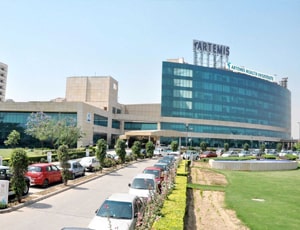
Hemispherectomy in Artemis Health Institute: Costs, Top Doctors, and Reviews

Gurgaon, India

3.3 ( 4 Reviews )
  • Joint Commission International, or JCI
  • National Accreditation Board for Hospitals & Healthcare Providers (NABH)

Artemis Hospital, established in 2007 in Gurgaon, India, is a 750+ bed, state-of-the-art multi-speciality hospital and the first in Gurgaon accredited by JCI and NABH. A flagship of the Apollo Tyres Group, it offers advanced care across cardiology, oncology, orthopaedics, neurology, and transplant medicine, supported by modern infrastructure and 60+ world-class operating theatres. Its Centres of Excellence span critical areas like heart, cancer, neurosciences, orthopaedics, and women & child care. Guided by values of Service, Compassion, and Integrity, Artemis combines innovation, technology, and affordability, making it a trusted international healthcare destination for comprehensive and compassionate patient care.

Hemispherectomy in Gleneagles Hospital: Costs, Top Doctors, and Reviews

Singapore, Singapore

  • Joint Commission International, or JCI

Gleneagles Hospital, located on Napier Road in Singapore, is a leading private healthcare institution offering comprehensive medical services and advanced clinical care. With 221 beds and a strong team of medical specialists, the hospital holds the Singapore Quality Class certification for excellence in healthcare. Its state-of-the-art facilities include ICU, HDU, NICU, Urgent Care Centre, operating theatres, radiology, endoscopy, laboratories, and rehabilitation units. Gleneagles specializes in orthopaedics, oncology, women’s health, and gastroenterology, offering tailored programs for cancer, bone, and gut health. With modern maternity packages and patient-friendly rooms, the hospital ensures compassionate, high-quality care focused on safety, comfort, and recovery.

Hemispherectomy in International St. Mary's Hospital: Costs, Top Doctors, and Reviews

Seoul, South Korea

  • Joint Commission International, or JCI

International St. Mary's Hospital located in Seoul, South Korea is accredited by JCI. Also listed below are some of the most prominent infrastructural details:

  • 3 Basements and 5 Floors Building
  • International Healthcare Center
  • Korean Traditional Medicine Hospital
  • Hybrid Operation Theatres
  • Conference Rooms
  • Seminar Rooms
  • Auditorium
  • Intensive Care Units
  • Hospice ward
  • Chapel
  • Emergency Medical Center
  • Pathology
  • Outpatient Pharmacy
  • 15 Professional Treatment Centers
  • 35 Clinical Departments
  • Transplant Centers
  • Admission & Discharge Center
  • Counseling office
  • Convenience Store
  • Animal Laboratories
  • Parking in basement
  • Food court for patients & visitors
  • Coffee Shop
  • Free Wi-fi is available throughout the Hospital premises
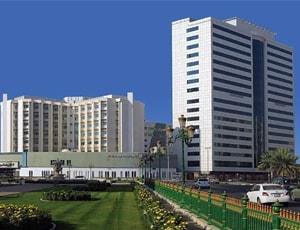
Hemispherectomy in NMC Royal Hospital Sharjah: Costs, Top Doctors, and Reviews

Sharjah, United Arab Emirates

3.3 ( 5 Reviews )
  • Joint Commission International, or JCI

NMC Royal Hospital Sharjah located in Sharjah, United Arab Emirates is accredited by JCI. Also listed below are some of the most prominent infrastructural details:

  • This is a multispecialty hospital with all the latest amenities and state of the art equipment.
  • It has the best of doctors, surgeons, and allied healthcare professionals who are completely dedicated to patient care.
  • It comprises the below mentioned smart healthcare facilities which make getting treated at this hospital a comfortable and satisfying experience for the patients.
  • High-end operation theatre
  • 24*7 ambulance service which has all emergency equipment
  • 24*7 emergency services
  • Option of a free overnight stay for one parent for child up to 12 years of age
  • International patient care center
  • Special men and women health package

Need Some Advice From Our Experts?

Request a Call Back Now!

Our team of healthcare experts would be happy to assist you

trusted Patientstrusted Patients+99
Trusted by 50000+ Patients
Required | alphabets and spaces
Required | A valid, working email address
Required | A valid contact

Process Involved for Hemispherectomy

  • Preoperative: Evaluation using EEG, MRI, neuropsychological, and sometimes Wada tests; medication adjustments; education for family preparation.
  • Intraoperative: Performed under general anaesthesia with either anatomical removal or functional disconnection techniques, guided by intraoperative monitoring (e.g., electrocorticography).
  • Postoperative: ICU monitoring (2–3 days), wound and drain management, continuation of antiepileptic medications, and imaging to detect complications like bleeding or hydrocephalus.
  • Rehabilitation: Early initiation of physical, occupational, and speech therapy, often starting within days with ongoing follow-up to regain motor skills, speech, and functional independence.
  • Hemimegalencephaly: one side of the brain becomes abnormally large and causes frequent, hard-to-control seizures. Surgery disconnects or removes the affected half and usually stops the seizures.
  • Extensive cortical dysplasia: developmental abnormalities in the brain’s cortex (like polymicrogyria) that cause severe, resistant epilepsy. Hemispherectomy disconnects the malfunctioning region.
  • Perinatal stroke or encephalomalacia: damage from early-life stroke or brain injury often leads to persistent, localised seizures. Removing or isolating the damaged hemisphere effectively controls them.
  • Rasmussen’s encephalitis is a rare, progressive condition characterised by a slow-growing inflammation that affects one side of the brain, resulting in seizures, weakness, and loss of function. Surgery halts the disease’s effects.
  • Sturge–Weber syndrome: a congenital vascular brain disorder that causes drug-resistant seizures on one side; hemispherectomy can eliminate the seizure focus and preserve development.
  • Hemiconvulsion–hemiplegia–epilepsy syndrome starts with prolonged convulsions on one side, leading to paralysis and ongoing seizures. Surgery is a key option when medications fail.
  • Traumatic brain injury or porencephalic cyst: severe injury or resulting cysts in one hemisphere may lead to uncontrollable epilepsy; surgery disconnects the faulty tissue
  • Preoperative assessment: Comprehensive evaluations (EEG, MRI, neuropsychological testing, sometimes Wada/MEG) determine seizure origins and assess whether the healthy hemisphere can support vital functions. Patients and families receive education about procedure expectations and medication adjustments.
  • Craniotomy and exposure: Under general anaesthesia, a neurosurgeon makes a scalp incision and removes a portion of the skull to expose the diseased hemisphere.
  • Hemisection or hemisphere removal
    Based on specific needs, the surgeon either disconnects brain connections (functional hemispherectomy or hemispherotomy), including the corpus callosum and key white matter tracts, or removes large parts of the diseased hemisphere (anatomical hemispherectomy).
  • Hemostasis and cleaning: After disconnection or resection, the surgeon controls bleeding, irrigates the cavity with saline, and ensures any exposed brain tissue is cleaned and secured.
  • Watertight dural repair, bone flap replacement, and layered scalp closure—all in one step: a finely sutured dura (often reinforced with graft), precise reattachment of the skull flap using screws or plates, and sequential closure of scalp layers (muscle, fascia, galea, skin) with a drain or dressing to reduce bleeding and swellin
  • Immediate postoperative care: Patients usually spend 1–3 days in the ICU with close monitoring, followed by a hospital stay of around 5–7 days with neurological checks and early imaging to detect complications.
  • Rehabilitation and recovery: Rehabilitation begins within days, with physical, occupational, and speech therapy to promote motor and cognitive recovery. Antiepileptic drugs are continued and tapered gradually. Long-term follow-up supports developmental progress and seizure monitoring.
  • Hemispherotomy
  • Callosotomy
  • Hemidecortication
  • Lesionectomy
  • Lobectomy
  • Resection
  • High likelihood of stopping or significantly reducing seizures, with about 66–83 per cent of patients becoming seizure‑free.
  • Prevents further brain damage by halting ongoing seizure activity.
  • Enables the remaining hemisphere to reorganise functions like speech and movement, especially in young patients.
  • Improves independence, mobility, daily function, and quality of life in most children.
  • Stabilises or even enhances cognitive development, including language and memory, with many showing no decline over long-term follow-up.
False
  • Please complete the form to provide us with relevant information about your condition.
  • Consult with Our Healthcare Expert: One of our qualified specialists will contact you for a consultation.
  • Receive a Detailed Treatment Plan: After examining your situation, we will provide you with a detailed treatment plan that includes expert opinions and a cost breakdown for various options.
  • Select your preferred option: Choose the therapy option that best suits your needs.
  • Seamless Organisation: We will manage all the details, including visas, flights, accommodations, and transfers, for a stress-free journey.

Instantly Connect with our Hemispherectomy Specialists

Doctor 1
Doctor 2
Doctor 3
Doctor 4
Doctor 5
Doctor 6
Doctor 7
Doctor 8
Our Services to Better your Experience

Opinion & Option

We submit the most accurate opinion and options from one or more countries for your review

Consult Privately

Consult with a certified specialist privately on our telemedicine platform even before you decide to travel

Logistics

We handle flights, visas, transfers, and accommodation—so you can focus on your health.

Recovery

Our In-house rehabilitation service packages to better your recovery and treatment outcome

Author

Dr. Vihan Gautam

BPT, MS in Healthcare Mgmt

3 Years of Experience

Dr. Vihan Gautam is a distinguished Rehabilitation Specialist and Healthcare Management Professional, holding a Bachelor of Physiotherapy (BPT) from Rajiv Gandhi University of Health Sciences and a Master of Science in Healthcare Management (MSc) from the prestigious University of London, United Kingdom. With specialized clinical experience and his advanced medical knowledge in neuro-rehabilitation, musculoskeletal disorders, and evidence-based physiotherapy practices, enables him to develop patient-centered rehabilitation protocols and AI-driven care models that deliver measurable functional recovery outcomes. His diverse contributions across international rehabilitation programs, multidisciplinary care, and AI-driven healthcare initiatives uniquely position him as an emerging leader in neuro-rehabilitative care globally. . View More

Reviewer

⁠Dr Rakesh Kumar Dua

Spine & Neurosurgeon

25 Years of Experience

Dr. Rakesh Dua has more than 25+ years of clinical experience in spine surgeries. He is currently providing his services as Director, Neuro & Spine Surgery at Fortis Hospital, Shalimar Bagh. Before joining Fortis Hospital, he was associated with Max super-specialist Hospital, Shalimar Bagh as Director Neurosurgery & Head Neuro Spine, and with UCMS & GTB hospital as head of the neurosurgery department. View More