Your Notifications
All done, no notifications

Chronic Cerebro Spinal Venous Insufficiency (CCSVI) Cost in India

Costs starts from USD7000 to USD11000
Filters

How Much Does Chronic Cerebrospinal Venous Insufficiency (CCSVI) Cost in India?

Chronic Cerebrospinal Venous Insufficiency (CCSVI) treatment in India generally costs between USD 7000 - USD 11000, but the exact price can differ depending on the hospital, treatment type, and location.

This estimated cost typically includes initial doctor visits, diagnostic scans, surgical procedures (if needed), and follow-up care such as rehabilitation or therapy.

The final cost may vary based on the severity of the condition, any added medical needs, and the standard of the healthcare facility chosen.

Factors Influencing the Cost of Chronic Cerebrospinal Venous Insufficiency (CCSVI) in India

Cost of Chronic Cerebro Spinal Venous Insufficiency (CCSVI) in Major cities of India

CityMinimum Cost (USD)Minimum Cost (INR)Maximum Cost (USD)Maximum Cost (INR)
AhmedabadUSD 6300539532USD 9900847836
BangaloreUSD 7000599480USD 11000942040
ChennaiUSD 7000599480USD 11000942040
DelhiUSD 7000599480USD 11000942040
FaridabadUSD 7000599480USD 11000942040
GhaziabadUSD 7000599480USD 11000942040
GurgaonUSD 7000599480USD 11000942040
GurugramUSD 7000599480USD 11000942040
HyderabadUSD 7000599480USD 11000942040
KolkataUSD 7000599480USD 11000942040
MumbaiUSD 7000599480USD 11000942040
NoidaUSD 7000599480USD 11000942040

Chronic Cerebro Spinal Venous Insufficiency (CCSVI) Cost : A Global Comparison

CountryMinimum CostMinimum Local CurrencyMaximum CostMaximum Local Currency
HungaryUSD 10000HUF 3570800USD 16000HUF 5713280
IndiaUSD 7000INR 599480USD 11000INR 942040
IsraelUSD 15000ILS 53100USD 24000ILS 84960
JordanUSD 10000JOD 7100USD 16000JOD 11360
LithuaniaUSD 12000LTL 41048USD 19000LTL 64993
MalaysiaUSD 10000MYR 42400USD 18000MYR 76320
PolandUSD 9000PLN 33840USD 16000PLN 60160
Saudi ArabiaUSD 12000SAR 45000USD 22000SAR 82500
SingaporeUSD 18000SGD 23220USD 35000SGD 45150
South AfricaUSD 10000ZAR 179700USD 18000ZAR 323460
South KoreaUSD 14000KRW 19263720USD 25000KRW 34399500
SpainUSD 13000ESP 1911519USD 23000ESP 3381918
SwitzerlandUSD 25000CHF 20750USD 45000CHF 37350
ThailandUSD 10000THB 327100USD 19000THB 621490
TunisiaUSD 8000TND 23840USD 15000TND 44700
TurkeyUSD 7500TRY 292950USD 14000TRY 546840
United Arab EmiratesUSD 14000AED 51380USD 26000AED 95420
United KingdomUSD 15000GBP 11100USD 28000GBP 20720
VietnamUSD 7000VND 182899430USD 13000VND 339670370

Need Help Planning Your Treatment Abroad?

Your 24/7 AI Health Assistant

Treatment for Chronic Cerebrospinal Venous Insufficiency (CCSVI) typically involves a minimally invasive method called balloon angioplasty, which helps open narrowed veins in the neck or chest to improve blood flow. Sometimes, a stent may be used to maintain the vein's openness. The cost of the procedure can vary based on the hospital's choice, the complexity of the case, and the technology used. Other cost-influencing factors include the surgeon’s expertise, post-treatment care, and whether the procedure is done in a public or private healthcare setting.

Treatment for CCSVI is proposed to improve blood flow from the brain and spinal cord by addressing narrowed or blocked veins, especially in the jugular and azygos veins. It was hypothesized to reduce symptoms in conditions like multiple sclerosis (MS) by relieving venous congestion. The procedure (venous angioplasty) is controversial and not widely accepted as standard therapy.

See a neurologist if you experience MS-related symptoms such as fatigue, cognitive issues, balance problems, or progressive neurological decline. If standard MS therapies are ineffective and CCSVI is suspected based on imaging, further evaluation may be warranted. However, diagnosis and treatment of CCSVI remain experimental in many countries.

Preparation includes Doppler ultrasound, MRV (magnetic resonance venography), or catheter venography to assess venous drainage. Pre-operative blood work and cardiovascular evaluation are conducted to assess risk. Patients should stop anticoagulants if prescribed and fast prior to the procedure, if planned.

If intervention is pursued, venous angioplasty is performed under local anesthesia via a small catheter inserted through the groin. The narrowed veins are dilated using a balloon (percutaneous transluminal angioplasty, PTA), occasionally followed by stent placement. The procedure aims to restore normal blood flow and relieve venous backpressure on the brain.

The angioplasty procedure typically lasts 30–60 minutes. It is done as an outpatient or day-care procedure, with monitoring for a few hours post-op. Patients are generally discharged the same day unless complications occur.

  • Vein rupture or dissection
  • Thrombosis (clot formation)
  • Re-stenosis (re-narrowing of veins)
  • Bleeding or hematoma at the access site
  • No clinical improvement or worsening of symptoms
  • Because CCSVI treatment lacks regulatory approval in many regions, outcomes are inconsistent.

Some patients report temporary relief from fatigue, cognitive fog, and mobility issues. Improved venous outflow may reduce intracranial pressure in certain cases. However, evidence is inconclusive, and benefits are not universally observed or guaranteed.

Most patients resume normal activity within 24–48 hours. Mild groin discomfort or bruising may occur. Follow-up imaging may be advised to monitor vein patency; neurological assessments continue under MS care protocols.

Studies show mixed results — some report symptom improvement in MS, others find no significant benefit. Re-stenosis occurs in up to 50% of cases. CCSVI treatment remains controversial with no consensus on long-term efficacy or inclusion in MS guidelines.

Would you like some help? We are available.

Get Help
Explore Hospitals ( 32 )
Chronic Cerebro Spinal Venous Insufficiency (CCSVI) in BLK-Max Super Speciality Hospital: Costs, Top Doctors, and Reviews

Delhi, India

5.0 ( 1 Reviews )
  • Joint Commission International, or JCI
  • National Accreditation Board for Hospitals & Healthcare Providers (NABH)

BLK-Max Super Speciality Hospital, located in New Delhi, is the leading best-in-class healthcare institution in India, providing tertiary and quaternary care. 650 + beds including 162 critical care beds, 22 OTs with 1,500+ clinical professionals allied to health are at the hospital's disposal. JCI, NABH, and NABL accredited. The hospitals are a leader in transplants, cancer care, and robotic surgery education and implementation. Established in1959 by Dr. B.L. Kapur, the hospital combines state-of-the-art technology with patient-centric values including compassion, efficiency, and consistency.

Chronic Cerebro Spinal Venous Insufficiency (CCSVI) in Artemis Health Institute: Costs, Top Doctors, and Reviews

Gurgaon, India

3.3 ( 4 Reviews )
  • Joint Commission International, or JCI
  • National Accreditation Board for Hospitals & Healthcare Providers (NABH)

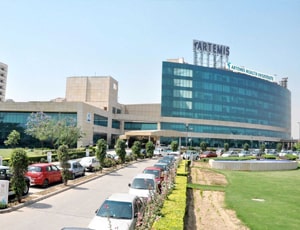
Artemis Hospital, established in 2007 in Gurgaon, India, is a 750+ bed, state-of-the-art multi-speciality hospital and the first in Gurgaon accredited by JCI and NABH. A flagship of the Apollo Tyres Group, it offers advanced care across cardiology, oncology, orthopaedics, neurology, and transplant medicine, supported by modern infrastructure and 60+ world-class operating theatres. Its Centres of Excellence span critical areas like heart, cancer, neurosciences, orthopaedics, and women & child care. Guided by values of Service, Compassion, and Integrity, Artemis combines innovation, technology, and affordability, making it a trusted international healthcare destination for comprehensive and compassionate patient care.

Chronic Cerebro Spinal Venous Insufficiency (CCSVI) in Medanta - The Medicity: Costs, Top Doctors, and Reviews

Gurgaon, India

3.4 ( 1 Reviews )
  • Joint Commission International, or JCI
  • National Accreditation Board for Hospitals & Healthcare Providers (NABH)

Medanta – The Medicity, Gurugram, founded by renowned cardiac surgeon Dr. Naresh Trehan, is a leading multi-super speciality hospital offering advanced yet affordable healthcare. Spread across a 43-acre campus, it houses 1,391 beds, 270 ICU beds, 40 operation theatres, and 900+ doctors across 30+ specialities. Accredited by JCI, NABH, and NABL, Medanta is designed per American Institute of Architects’ healthcare guidelines. Recognised as the Best Private Hospital in India (2020–2025) and among the World’s Top 250 Hospitals (Newsweek 2024), it excels in Cardiac Care, Cancer, Neurosciences, Gastro, Orthopaedics, and Renal Care, ensuring world-class, collaborative, and compassionate treatment.

Chronic Cerebro Spinal Venous Insufficiency (CCSVI) in Indraprastha Apollo Hospital: Costs, Top Doctors, and Reviews

Delhi, India

4.4 ( 5 Reviews )
  • Joint Commission International, or JCI

Indraprastha Apollo Hospital is known for delivering treatment to over 200,000 patients every year; 10,000 of which are generally medical tourists. The efficient team of doctors has the record of 99.6 percent success rate. Indraprastha Apollo Hospital deals in treatment of over 50 specialities.  

Let’s see some of the features of the infrastructure:

  • Spread over 15 acres, the hospital has 710 beds.
  • 6 beds dedicated to bone marrow transplant units with very strict infection control practices.
  • 64-Slice Scan coupled with data acquisition which provides highest temporal resolution
  • One of the hospitals to be using Da Vinci Robotics Surgery System
  • In South Asia, the Spect-CT and Pet-CT got their first installation at Indraprastha Apollo Hospital in India
  • Technologies such as PET- MR, BrainLab Navigation System, PET-CT, Portable CT Scanner, Tilting MRI, NovalisTx, Cobalt based HDR Brachytherapy, Hyperbaric Chamber, DSA Lab, Fibroscan, 3 Tesla MRI, Endosonography, 128 Slice CT scanner are all installed at the hospital.
  • The Cancer Institute at Indraprastha Apollo is equipped with a highly advanced Radiation Oncology Center with ClinaciX, NovalisTx, and HDR-Brachytherapy.
  • It is equipped with the largest Sleep Lab in Asia, & has one of the largest Dialysis Units in India.
  • A large number of ICU beds than any other Private Hospitals in India.
  • WIFI is accessible across the whole campus.
Chronic Cerebro Spinal Venous Insufficiency (CCSVI) in Apollo Hospitals: Costs, Top Doctors, and Reviews

Hyderabad, India

  • Joint Commission International, or JCI

Apollo Hospitals located in Hyderabad, India is accredited by JCI, NABH. Also listed below are some of the most prominent infrastructural details:

  • A premier multi-specialty hospital with 477-bed capacity
  • More than 50 specialties, super-specialties
  • 12 Centers of Excellence
  • The Institutes for Heart Diseases, Neurosciences, Cancer, Emergency, Orthopaedics, Renal Diseases, and Transplants
  • Centers of Excellence are known for patient care, training and research
  • Doctors with years of truly global experience in healthcare delivery
Chronic Cerebro Spinal Venous Insufficiency (CCSVI) in Star Hospitals: Costs, Top Doctors, and Reviews

Hyderabad, India

  • National Accreditation Board for Hospitals & Healthcare Providers (NABH)
  • National Accreditation Board for Testing and Calibration Laboratories (NABL)

Star Hospitals located in Hyderabad, India is accredited by NABH, NABL. Also listed below are some of the most prominent infrastructural details:

  • The bed capacity of Star Hospitals, Hyderabad, India is 130.
  • The hospital has Intensive Care Units which are upgraded with the latest technologies.
  • International patient care services are applied to make the process of medical travel easier for international patients.
  • Centres of Excellence across disciplines such as Cardiac Sciences, Renal Sciences, Critical Care, ENT, Spine Surgery etc.
  • A radiology centre which has been digitised.
  • There are Centers of Excellence for prominent specialties such as cardiac care and neurosciences, there are a total of six.
Chronic Cerebro Spinal Venous Insufficiency (CCSVI) in Sterling Wockhardt Hospital: Costs, Top Doctors, and Reviews

Mumbai, India

  • National Accreditation Board for Testing and Calibration Laboratories (NABL)

Sterling Wockhardt Hospital located in Mumbai, India is accredited by NABH. Also listed below are some of the most prominent infrastructural details:

  • The bed capacity of Sterling Wockhardt Hospital is 50.
  • Critical care and complex cases resolution is done with excellent results.
  • Emergency departments with 3 beds capacity and Intensive Care Unit with 10 beds capacity.
  • The healthcare delivery focus of the hospital is both on prevention as well curing the conditions.
  • Diagnostics are well developed with the latest technological developments.
  • Pharmacy, operating rooms, lab services are at par with the best in the country.
  • 24/7 ambulance services to cover healthcare requirements in Panvel and Vashi.
  • Accommodation, airport transfers, flight bookings and translation services are all available for international patients.
Chronic Cerebro Spinal Venous Insufficiency (CCSVI) in Global Health City: Costs, Top Doctors, and Reviews

Chennai, India

  • National Accreditation Board for Hospitals & Healthcare Providers (NABH)
  • National Accreditation Board for Testing and Calibration Laboratories (NABL)

The Hospital has world-class infrastructure with a capacity of over 1000 beds and much more-

  • 265 Licensed beds
  • 13 Operation Theatres
  • 24*7 Cath Lab
  • 24*7 available Blood Bank
  • 24*7 Emergency Department
  • 24*7 Open Pharmacy
Chronic Cerebro Spinal Venous Insufficiency (CCSVI) in Srikara Hospitals, Miyapur: Costs, Top Doctors, and Reviews

Hyderabad, India

  • National Accreditation Board for Hospitals & Healthcare Providers (NABH)


Chronic Cerebro Spinal Venous Insufficiency (CCSVI) in Tx Hospitals Banjara Hills: Costs, Top Doctors, and Reviews

Hyderabad, India

  • Joint Commission International, or JCI
  • National Accreditation Board for Hospitals & Healthcare Providers (NABH)

Tx Hospitals Group is one of the country’s fastest-growing and most significant chains of multi-super specialty hospitals. The first hospital was established in Hyderabad and six healthcare facilities (including projects under development) in two years since opening. It has been accredited by JCI and NABH certifications. It has a 200-bed capacity with more projects underway.

It offers a comprehensive array of integrated healthcare services, wellness centers, diagnostic labs, retail pharmacies, and fertility centers, ranging from clinics, health insurance, quaternary care facilities, and home healthcare. The hospitals are easy to reach in an emergency, considering the strategic locations of the hospitals within the cities of India. It caters to daycare surgeries across specialties such as general surgery, cardiology, neurology, ENT, dermatology, ophthalmology, vascular surgery, plastic surgery, cosmetology, orthopedics, pediatrics, gynecology, and obstetrics many more specialties.

It has state-of-the-art medical teams that utilize advanced technologies, including international evidence-based protocols, for providing extensive treatment in all specialties of medicine through a wide range. The team places a high priority on patient safety, compassionate care to all of its patients clinical excellence, dignity, quality, affordability, transparency, and accessibility of quality care to ensure that all of the patients receive the best possible care in a patient-friendly environment. The vision is to set new dimensions in healthcare by providing comprehensive medical services to patients.

Need Some Advice From Our Experts?

Request a Call Back Now!

Our team of healthcare experts would be happy to assist you

trusted Patientstrusted Patients+99
Trusted by 50000+ Patients
Required | alphabets and spaces
Required | A valid, working email address
Required | A valid contact

Process Involved for Chronic Cerebro Spinal Venous Insufficiency (CCSVI) in India

Treatment Stages for Chronic Cerebrospinal Venous Insufficiency (CCSVI) are:

  • Initial Consultation and Symptom Review: The treatment begins with a detailed medical consultation, focusing on symptoms like fatigue, cognitive changes, or balance issues. The healthcare provider may also explore any link between CCSVI and conditions such as multiple sclerosis (MS).
  • Diagnostic Imaging and Assessment: Once CCSVI is suspected, diagnostic tests such as Doppler ultrasound, MR venography, or catheter-based venography are performed to detect vein narrowing, reflux, or abnormal blood flow in central nervous system-draining veins.
  • Treatment Planning: A personalised treatment plan is developed based on imaging results and symptom severity. Depending on the individual case, this may involve minimally invasive procedures or conservative management.
  • Endovascular Intervention: A balloon angioplasty may be done to dilate narrowed veins and improve venous return if required. Sometimes, a stent may be placed to keep the vein open, particularly if there’s a high risk of re-narrowing.
  • Post-Procedure Monitoring: Patients are closely monitored after intervention to ensure the veins remain open and the blood flow is stable. Follow-up imaging is often performed to assess the success of the procedure.
  • Rehabilitation and Supportive Care: Patients may benefit from physiotherapy, lifestyle guidance, and medications to support recovery and improve circulation. This stage also includes education on maintaining vascular health and recognising early signs of recurrence.
  • Long-Term Follow-Up: Periodic check-ups are recommended to evaluate vein function, manage symptoms if they persist, and prevent future complications. This ensures sustained treatment benefits and overall well-being.

The following conditions are treated in Chronic Cerebrospinal Venous Insufficiency (CCSVI):

  • Multiple Sclerosis (MS) : Some researchers have explored a potential association between CCSVI and MS. While the connection remains debated, improving venous outflow has been suggested to support symptom management in selected cases.
  • Cognitive Symptoms: Reduced blood drainage from the brain may contribute to difficulties with focus, memory, and overall mental clarity. Addressing venous issues may help relieve such symptoms in some individuals.
  • Frequent Headaches: Persistent or recurring headaches, including migraines, have been reported in individuals with impaired cerebral venous return. Treatments aimed at improving vein flow may provide relief in some instances.
  • Visual Complaints: Blurry vision, double vision, or eye pressure may be linked to poor venous circulation, which can affect the visual pathways in the brain.
  • Impaired Balance and Motor Coordination: Inadequate blood flow from the central nervous system can disrupt coordination and balance, leading to unsteadiness or difficulty with movement.
  • Extreme Fatigue: Chronic tiredness or lack of energy is frequently reported in people with CCSVI and may improve when blood drainage is restored.
  • Muscle Stiffness or Weakness: Changes in venous flow can affect muscle tone and strength, particularly in those with neurological conditions, possibly contributing to spasticity or weakness.
  • Ear-Related Sensations: Some individuals report ringing in the ears (tinnitus) or a sensation of fullness, which may be linked to altered pressure from impaired venous return.

1. Initial Evaluation
The journey begins with thoroughly reviewing symptoms such as fatigue, dizziness, or memory issues. A detailed medical history and neurological exam help determine whether CCSVI may be contributing to these problems.

2. Diagnostic Testing
To confirm CCSVI, doctors use imaging tests that examine blood flow in veins draining the brain and spinal cord. These include:

  • Doppler ultrasound to assess blood flow and detect narrowed or malformed veins.
  • MR Venography for a non-invasive, detailed view of central venous structures.
  • Catheter venography is a more direct method that uses contrast dye and X-ray to visualise the exact location of vein narrowing or blockage.

3. Identification of Venous Abnormalities
The diagnosis focuses on spotting restricted or reversed blood flow in veins like the internal jugular or azygos vein. These blockages may disrupt normal circulation and trigger neurological symptoms.

4. Treatment Approaches
Depending on the severity:

  • Balloon angioplasty may be performed to widen narrowed veins and restore flow.
  • Stent placement is considered if vein collapse is likely to recur.
  • In some cases, medications such as blood thinners or anti-inflammatory drugs reduce risks and improve circulation.

5. Ongoing Monitoring and Recovery
After treatment, patients are regularly monitored to ensure that blood flow remains stable. Follow-up scans help detect any recurrence or complications. Patients may also receive supportive therapies, including physiotherapy or lifestyle guidance, to maintain vein health and manage lingering symptoms.

6. Lifestyle Support
Recommendations may include a healthy diet, staying active, adequate hydration, and avoiding prolonged immobility—each of which supports better venous return and overall well-being..

  • Venography
  • Angioplasty
  • Stenting
  • Ultrasound
  • Phlebography
  • Catheterisation
  • MRV (Magnetic Resonance Venography)
  • Ballooning
  • Imaging
  • Recanalisation

Benefits of Chronic Cerebrospinal Venous Insufficiency (CCSVI) include:

  • Improved Blood Flow: Restoring normal brain and spinal cord venous drainage enhances overall circulation and reduces pressure buildup.
  • Relief from Neurological Symptoms: Some patients report decreased brain fog, better memory, and sharper concentration following treatment.
  • Reduction in Headaches: Treatments aimed at correcting venous narrowing may help reduce the frequency and intensity of headaches.
  • Better Balance and Coordination: Improved circulation may enhance motor function, reducing issues like unsteadiness or poor coordination.
  • Decreased Muscle Spasticity: Addressing venous insufficiency might help ease muscle tightness, especially in individuals with coexisting neurological disorders.
  • Enhanced Visual Clarity: Patients sometimes notice better visual sharpness and reduced eye pressure after successful intervention.
  • Lowered Fatigue Levels: Restoring proper venous return can help ease chronic fatigue, boosting energy and day-to-day functioning.
  • Improved Quality of Life: Collectively, these changes may lead to greater comfort, better physical performance, and enhanced emotional well-being.

The following are the treating team members for Chronic Cerebrospinal Venous Insufficiency (CCSVI):

  • Neurologist
  • Phlebologist
  • Radiologist
  • Angiologist
  • Neurosurgeon
  • Vascularist
  • Interventionist
  • Surgeon
  • Fill out the inquiry form: Please complete the form to provide us with relevant information about your condition.
  • Consult with Our Healthcare Expert: One of our qualified specialists will contact you for a consultation.
  • Receive a Detailed Treatment Plan: After examining your situation, we will provide you with a detailed treatment plan that includes expert views and cost breakdowns for various choices.
  • Choose your preferred option: Choose the therapy option that best suits you.
  • Seamless Organisation: We will manage all the details, including visas, flights, accommodations, and transfers, for a stress-free journey.

Instantly Connect with our Chronic Cerebro Spinal Venous Insufficiency (CCSVI) Specialists

Doctor 1
Doctor 2
Doctor 3
Doctor 4
Doctor 5
Doctor 6
Doctor 7
Doctor 8
Our Services to Better your Experience

Opinion & Option

We submit the most accurate opinion and options from one or more countries for your review

Consult Privately

Consult with a certified specialist privately on our telemedicine platform even before you decide to travel

Logistics

We handle flights, visas, transfers, and accommodation—so you can focus on your health.

Recovery

Our In-house rehabilitation service packages to better your recovery and treatment outcome

Other Popular Countries for Chronic Cerebro Spinal Venous Insufficiency (CCSVI)

Our network connects you with the leading medical tourism destinations globally, offering a wide range of cities, top doctors, and flexible pricing options.

Thailand
United Arab Emirates
Vietnam
Singapore

Frequently Asked Questions

Factors that raise the risk of Chronic Cerebrospinal Venous Insufficiency (CCSVI) are:

  • Thickened blood (polycythemia) due to smoking, lung diseases, or blood disorders can restrict venous flow from the brain.
  • Birth control pills, especially in young women, are commonly linked to blood clots in cerebral veins.
  • Autoimmune conditions like antiphospholipid syndrome may trigger abnormal clotting in brain vessels.
  • Pregnancy and the early postpartum phase are known to raise clotting tendencies naturally.
  • Vitamin deficiencies, especially B12 and folate, can lead to elevated homocysteine, affecting blood vessels.
  • Untreated infections may trigger inflammatory responses, affecting the vein walls and flow.
  • Limited access to prompt diagnosis in remote areas often worsens disease outcomes.

Due to varying access to specialised care, CCSVI treatment success depends on early detection and urban access. In well-equipped centres, success rates for symptom relief and functional improvement range between 70% and 80%, especially with timely anticoagulation and supportive care.

Leading hospitals in India, such as Fortis Healthcare and Max Healthcare, provide specialised services for CCSVI. These institutions are recognised for their advanced healthcare infrastructure and well-trained medical staff, offering patients modern diagnostic tools and effective treatment plans for CCSVI.

The following are precautions of Chronic Cerebrospinal Venous Insufficiency (CCSVI):-

  • Stay active: Avoid remaining stationary too long to encourage proper blood flow.
  • Stay hydrated: Drink plenty of water to maintain blood circulation, especially in hot climates.
  • Follow prescribed treatment: Stick to the doctor’s instructions for medications like blood thinners or anti-inflammatory drugs.
  • Avoid straining: Heavy lifting or physical exertion should be avoided to reduce pressure on the veins.
  • Regular check-ups: You must visit healthcare providers regularly to monitor your condition and treatment progress.

Author

Alvina Hasan

M.Pharm

1 Year of Experience

Alvina Hasan is a dedicated medical researcher and scientific writer with a strong foundation in the pharmaceutical sciences. She holds a B.Pharm from Jamia Hamdard University and an M.Pharm in Quality Assurance from DIPSAR University. With deep medical expertise and a strong interest in healthcare communication, she focuses on transforming complex clinical and scientific information into clear, engaging, and easy-to-understand narratives. She develops insightful healthcare articles and research-driven pieces designed to support both medical professionals and patients, helping bridge the gap between advanced medical knowledge and practical understanding. . View More

Reviewer

⁠Dr Rakesh Kumar Dua

Spine & Neurosurgeon

25 Years of Experience

Dr. Rakesh Dua has more than 25+ years of clinical experience in spine surgeries. He is currently providing his services as Director, Neuro & Spine Surgery at Fortis Hospital, Shalimar Bagh. Before joining Fortis Hospital, he was associated with Max super-specialist Hospital, Shalimar Bagh as Director Neurosurgery & Head Neuro Spine, and with UCMS & GTB hospital as head of the neurosurgery department. View More