Your Notifications
All done, no notifications

Brachial Plexus Injuries/Stereotactic Procedures Cost in Malaysia

Costs starts from USD5000 to USD20000
Filters

How Much Does Brachial Plexus Injuries/Stereotactic Procedures Cost in Malaysia?

The cost of Brachial Plexus Injuries/Stereotactic Procedures in Malaysia is USD 5000 - USD 20000

Additionally, factors like the duration of treatment, the need for follow-up care, and the use of advanced technologies or specialized treatments can further influence the overall cost.

Factors Influencing the Cost of Brachial Plexus Injuries/Stereotactic Procedure:

A regional nerve that arises from the cervical part of the spinal cord, it descends the neck and into the arm. It manages the muscles and feelings all through the extremities involving the shoulder, arm, and hand. BPI arises when these complex nerves get stretched, compressed, or avulsed- this results in a range of affected power, sensory loss, or even complete paralysis of the arm. These injuries may occur through trauma, as is birth palsy (Erb’s palsy), car accidents, sports, or falls.

A stereotactic procedure means a clinical operation to treat specific medical conditions affecting the brain, spinal cord, and other parts of the body through a minimally invasive process. It involves the use of 3D imaging either in a frame or not in a frame to direct the surgeon to a specific point, without making extensive incisions.

This method is more applicable in treating illnesses such as cancerous growth around the head, especially the brain, Parkinson’s disease, epilepsy, and sometimes in the brachial plexus injury in which stimulation or DBS may be required.

Cost of Brachial Plexus Injuries/Stereotactic Procedures in Major Cities of Malaysia

CityMinimum Cost (USD)Minimum Cost (MYR)Maximum Cost (USD)Maximum Cost (MYR)
Kuala LumpurUSD 500021200USD 2000084800

Brachial Plexus Injuries/Stereotactic Procedures Cost : A Global Comparison

CountryMinimum CostMinimum Local CurrencyMaximum CostMaximum Local Currency
CzechiaUSD 6000CZK 132120USD 20000CZK 440400
HungaryUSD 5054HUF 1804682USD 8128HUF 2902346
IndiaUSD 4500INR 385380USD 6500INR 556660
IsraelUSD 4000ILS 14160USD 74000ILS 261960
LithuaniaUSD 8000LTL 27366USD 25000LTL 85518
MalaysiaUSD 5000MYR 21200USD 20000MYR 84800
Moroccoget request
PolandUSD 5000PLN 18800USD 15000PLN 56400
Saudi ArabiaUSD 10000SAR 37500USD 50000SAR 187500
SingaporeUSD 38816SGD 50073USD 732641SGD 945107
South AfricaUSD 5000ZAR 89850USD 20000ZAR 359400
South KoreaUSD 15000KRW 20639700USD 50000KRW 68799000
SpainUSD 3512ESP 516404USD 732641ESP 107727459
SwitzerlandUSD 10000CHF 8300USD 100000CHF 83000
ThailandUSD 4000THB 130840USD 11000THB 359810
TunisiaUSD 4500TND 13410USD 15000TND 44700
TurkeyUSD 5000TRY 195300USD 25000TRY 976500
United Arab EmiratesUSD 3512AED 12889USD 732641AED 2688792
United KingdomUSD 6500GBP 4810USD 26000GBP 19240

Need Help Planning Your Treatment Abroad?

Your 24/7 AI Health Assistant

The brachial plexus is a network of nerves that extends from the spinal cord in the neck down the arm, controlling muscle movement in the wrist, hand, shoulder, and elbow. Brachial plexus injury is a medical emergency caused by trauma to the network of nerves called the brachial plexus, while some brachial plexus injuries are minor, others are more complex and require surgery for treatment. Damage to these nerves, also known as brachial plexopathy, can result in loss of function and sensation. Prompt medical intervention is crucial to evaluate the severity of the nerve damage and initiate appropriate treatment to facilitate recovery and prevent potential long-term complications.


Stereotactic surgery is a minimally invasive procedure that utilizes a three-dimensional coordination system to pinpoint targets within the body and perform actions such as injections, biopsies, ablations, and implantations. This precise surgical technique is essential for ensuring accurate diagnosis and effective treatment for patients. Stereotactic procedures can be performed on any organ in the body, allowing for targeted interventions and improved patient outcomes.

Stereotactic procedures can be classified into several categories based on their specific applications and techniques. Here are some common classifications:

  • Diagnostic Stereotactic Procedures: These procedures involve stereotactic techniques to precisely locate and biopsy abnormal tissue or lesions within the body for diagnostic purposes.
  • Therapeutic Stereotactic Procedures: Therapeutic stereotactic procedures aim to treat or manage various conditions by delivering targeted interventions to specific areas of the body.
  • Functional Stereotactic Procedures: Functional stereotactic procedures are performed to modulate neural activity or alleviate symptoms associated with neurological disorders. This includes deep brain stimulation (DBS) for conditions such as Parkinson's disease, essential tremor, and dystonia, as well as stereotactic ablative procedures for pain management or movement disorders.

Stereotactic procedures for brachial plexus injuries address chronic, treatment-resistant neuropathic pain or restore function when nerve reconstruction is impossible. These are done in various brain and spinal cord regions to interfere with pain signals and help patients for whom all other options have been tried.

You should seek medical advice if you experience progressive or persistent weakness, numbness, or pain of a burning character in your arm after trauma or if such symptoms have not been relieved through surgery or therapies. Timely diagnosis averts permanent nerve damage and ensures a better return.

Preparation involves neurological assessments, imaging (MRI, CT), and nerve conduction studies. If necessary, a pain specialist or neurosurgeon would suggest functional MR imaging of the pain centres. Patients should be aware of the medications considered or fasting protocols to be followed, and they should inform the consultant of any history of seizures, infections, or bleeding disorders.

Stereotactic procedures use a 3D coordinate system to accurately target deep brain or spinal cord structures. They usually consist of radiofrequency ablation and deep brain stimulation (DBS) or spinal cord stimulation of the targeted areas. The neurosurgeon uses frame-based or frameless stereotactic apparatus guidance to administer focused therapy with minimal disturbance to the surrounding tissues. It can be done through Stereotactic Brain Surgery, Stereotactic Radiosurgery (SRS), and Stereotactic Body Radiotherapy (SBRT).

The procedure rarely lasts more or less than 1–4 hours, depending on the technique. Technically, most patients must stay in a hospital for some monitoring period, often 1–3 days. Recovery can vary.

  • Bleeding
  • Infection
  • Unintended nerve or brain injury
  • Hardware malfunction (in stimulation procedures)
  • Lack of pain relief

  • Chronic pain relief and, in some cases, functional limb restoration.
  • It can lessen dependency on medications and improve living standards.

Post-operative recovery usually encompasses pain relief, wound care, and neurological evaluations. Follow-up imaging may also be required to check for treatment accuracy. Rehabilitation processes such as physical or occupational therapy usually start soon after the operation, especially if it offers at least partial motor function improvement.

The success rate depends on the nerve injury type and the damage extent; however, stereotactic procedures have demonstrated promising results in managing neuropathic pain from brachial plexus injuries. Pain relief can be achieved for 60-80% of patients, particularly in patients with localised intractable symptoms and those without any option for surgical reconstruction.

Would you like some help? We are available.

Get Help
Explore Hospitals ( 7 )
Brachial Plexus Injuries/Stereotactic Procedures in Prince Court Medical Centre: Costs, Top Doctors, and Reviews

Kuala Lumpur, Malaysia

Prince Court is a private medical facility in the center of Kuala Lumpur that has 277 individual beds. Our dedication is to provide you with the best treatment possible from the time you arrive until you depart, healthier and happier. We are well-known for our top-notch facilities, cutting-edge technology, and friendly customer service.

Brachial Plexus Injuries/Stereotactic Procedures in Parkway Pantai: Costs, Top Doctors, and Reviews

Kuala Lumpur, Malaysia

  • Joint Commission International, or JCI

Parkway Pantai located in Kuala Lumpur, Malaysia is accredited by JCI. Also listed below are some of the most prominent infrastructural details:

  • Capacity of 335 beds
  • 200+ specialist Doctors
  • Critical Care Unit
  • Neonatal Intensive Care Unit
  • Operating Theatre
  • International Patient Care Center
  • Types of rooms available- Premier Suite, Supreme Suite, Deluxe Single Room, 2-bedded room, 4-bedded room, Deluxe Suite, Premier Single room, and Supreme Single room
Brachial Plexus Injuries/Stereotactic Procedures in Sunway Medical Centre: Costs, Top Doctors, and Reviews

Kuala Lumpur, Malaysia

  • The Australian Council on Healthcare Standards (ACHS)

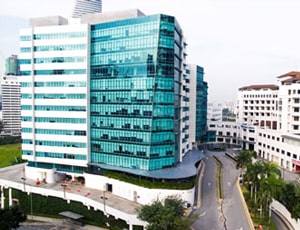
Sunway Medical Centre has initiated a comprehensive expansion plan close to its current hospital facility to enhance its ability to provide services to the global market. The new Cancer Radiosurgery Center and Nuclear Medicine Center, which will also house additional Centers of Excellence like the Digestive Health Center and Dialysis Center, marked the completion of Tower C's first phase in October 2016.

Brachial Plexus Injuries/Stereotactic Procedures in ParkCity Medical Centre: Costs, Top Doctors, and Reviews

Kuala Lumpur, Malaysia

  • Joint Commission International, or JCI

In Kuala Lumpur, Malaysia, ParkCity Medical Centre is a 300-bed, cutting-edge, interdisciplinary private hospital that provides award-winning private healthcare in an environment of lush vegetation.

Brachial Plexus Injuries/Stereotactic Procedures in Subang Jaya Medical Centre: Costs, Top Doctors, and Reviews

Kuala Lumpur, Malaysia

  • Joint Commission International, or JCI

Subang Jaya Medical Center is renowned for pioneering radiation oncology treatments and infrastructure in Malaysia. The hospital also has a state-of-the-art Cancer Radiosurgery Centre (CRC), which is fully furnished with the latest medical technology for cancer detection, monitoring, and treatment.

Brachial Plexus Injuries/Stereotactic Procedures in Ara Damansara Medical Centre: Costs, Top Doctors, and Reviews

Kuala Lumpur, Malaysia

  • Joint Commission International, or JCI

Situated at the junction of Petaling Jaya and Shah Alam, close to the Oasis Ara, Ara Damansara Medical Centre boasts a serene, luxurious ambiance.

The Centre has been awarded several prestigious awards such as the Global Health Asia Pacific Awards 2023, Newsweek Best Specialized Hospital APAC 2023, Healthcare Asia Awards 2023, and Malaysian Healthcare Wellness Excellence.

Brachial Plexus Injuries/Stereotactic Procedures in Bukit Tinggi Medical Centre: Costs, Top Doctors, and Reviews

Kuala Lumpur, Malaysia

As a tertiary care hospital, Bukit Tinggi Medical Centre (BTMC) is committed to providing high-quality, reasonably priced healthcare.

With a focus on patient care and a team of committed medical professionals and personnel, we want to realize our ambition of becoming Klang's go-to healthcare provider. Orthopedics, neurosurgery, cardiac surgery, obstetrics and gynecology, pediatrics and rehabilitation, aesthetic surgery, and other specialties are all part of our multidisciplinary team approach. Additionally, BTMC has a Health Screening Center that provides a range of health packages to meet the requirements of diverse patient types.

Need Some Advice From Our Experts?

Request a Call Back Now!

Our team of healthcare experts would be happy to assist you

trusted Patientstrusted Patients+99
Trusted by 50000+ Patients
Required | alphabets and spaces
Required | A valid, working email address
Required | A valid contact

Process Involved for Brachial Plexus Injuries/Stereotactic Procedures in Malaysia

  • Pre-Operative procedures: MRI, CT, and EMG for diagnostic investigations.
  • Treatment options include nerve grafting, nerve transfers, muscle and tendon transfer, and physical rehabilitation therapy. For Stereotactic brain biopsy, radiosurgery (Gamma Knife, CyberKnife), and deep brain stimulation (DBS) for Parkinson's.
  • Patients with trauma-induced nerve injury, including those from accidents or sports injuries and injuries occurring to the infant at birth.
  • Weakness, numbness, or paralysis affecting the upper extremity (arm, shoulder, hand).
  • Patients with brain tumors, epilepsy, movement disorders (Parkinson's), or chronic pain.
  • Patients eligible for radiosurgery (Gamma Knife, CyberKnife) or deep-brain stimulation (DBS).
  • Electromyography (EMG)
  • Tendon lengthening
  • Joint stabilisation surgery
  • MRI-guided Focused Ultrasound (MRgFUS)
  • Thalamotomy/Pallidotomy
  • Recovery may be partial or complete, depending on the severity of the injury.
  • Best success if treated early, between 6-12 months after injury.
  • Very precise and causes minimal collateral damage to tissues.
  • Shorter recovery time as compared to conventional surgery.
  • Neurosurgeon
  • Orthopedic Surgeon
  • Neurologist
  • Radiation Oncologist
  • Rehabilitation Specialist
  • Fill out the inquiry form: Fill out the form to provide us with the relevant information about your condition.
  • Consult with Our Healthcare Expert: One of our qualified specialists will contact you for a consultation.
  • Receive a Detailed Treatment Plan: After examining your situation, we will provide you with a detailed treatment plan that includes expert views and cost breakdowns for various choices.
  • Choose your preferred option: Choose the treatment option that suits you the best.

Instantly Connect with our Brachial Plexus Injuries/Stereotactic Procedures Specialists

Doctor 1
Doctor 2
Doctor 3
Doctor 4
Doctor 5
Doctor 6
Doctor 7
Doctor 8
Our Services to Better your Experience

Opinion & Option

We submit the most accurate opinion and options from one or more countries for your review

Consult Privately

Consult with a certified specialist privately on our telemedicine platform even before you decide to travel

Logistics

We handle flights, visas, transfers, and accommodation—so you can focus on your health.

Recovery

Our In-house rehabilitation service packages to better your recovery and treatment outcome

Other Popular Countries for Brachial Plexus Injuries/Stereotactic Procedures

Our network connects you with the leading medical tourism destinations globally, offering a wide range of cities, top doctors, and flexible pricing options.

Vietnam
Turkey
Thailand
United Kingdom

Frequently Asked Questions

Brachial Plexus Injuries/Stereotactic Procedures package cost in Malaysia has different inclusions and exclusions. The Brachial Plexus Injuries/Stereotactic Procedures package cost usually includes all the expenses related to pre and post surgery expenses of the patient. The Brachial Plexus Injuries/Stereotactic Procedures cost in Malaysia includes the cost of anesthesia, medicines, hospitalization and the surgeon's fee. Extended hospital stay, complications after the surgery or new diagnosis may affect the overall cost of Brachial Plexus Injuries/Stereotactic Procedures in Malaysia.

Brachial Plexus Injuries/Stereotactic Procedures in Malaysia is offered by multiple hospitals across the country. Some of the best hospitals for Brachial Plexus Injuries/Stereotactic Procedures in Malaysia include the following:

  1. Parkway Pantai

The recovery of the patient many vary, depending on several factors. However, on an average, patient is supposed to stay for about 18 days in the country after discharge. This is important to ensure that the surgery was successful. During this time, control and follow-up tests take place to check for medical fitness.

Apart from the Brachial Plexus Injuries/Stereotactic Procedures cost, the patient may have to pay for additional daily expenses such as for guest house after discharge and meals. The extra charges may start from USD 50 per person.

Some of the cpopular cities in Malaysia that offer Brachial Plexus Injuries/Stereotactic Procedures include the following:

  • Kuala Lumpur

After the Brachial Plexus Injuries/Stereotactic Procedures takes place, the average duration of stay at the hospital is about 3 days. During the recovery, the patient is carefully monitored and control tests are performed to see that everything is okay. If required, physiotherapy sessions are also planned during recovery in hospital.

There are more than 1 hospitals that offer Brachial Plexus Injuries/Stereotactic Procedures in Malaysia. Such hospitals have the required infrastructure and a dedicated unit where patients can be treated. Apart from good services, the hospitals are known to follow all standard and legal guidelines as dictated by the local medical affairs body or organization.

Author

Dr. Vihan Gautam

BPT, MS in Healthcare Mgmt

3 Years of Experience

Dr. Vihan Gautam is a distinguished Rehabilitation Specialist and Healthcare Management Professional, holding a Bachelor of Physiotherapy (BPT) from Rajiv Gandhi University of Health Sciences and a Master of Science in Healthcare Management (MSc) from the prestigious University of London, United Kingdom. With specialized clinical experience and his advanced medical knowledge in neuro-rehabilitation, musculoskeletal disorders, and evidence-based physiotherapy practices, enables him to develop patient-centered rehabilitation protocols and AI-driven care models that deliver measurable functional recovery outcomes. His diverse contributions across international rehabilitation programs, multidisciplinary care, and AI-driven healthcare initiatives uniquely position him as an emerging leader in neuro-rehabilitative care globally. . View More

Reviewer

⁠Dr Rakesh Kumar Dua

Spine & Neurosurgeon

25 Years of Experience

Dr. Rakesh Dua has more than 25+ years of clinical experience in spine surgeries. He is currently providing his services as Director, Neuro & Spine Surgery at Fortis Hospital, Shalimar Bagh. Before joining Fortis Hospital, he was associated with Max super-specialist Hospital, Shalimar Bagh as Director Neurosurgery & Head Neuro Spine, and with UCMS & GTB hospital as head of the neurosurgery department. View More