Your Notifications
All done, no notifications

Thyroidectomy Cost in Thailand

USD 2000 - USD 8000

Affordable World-class Treatment - Accredited Hospitals - Free Treatment Plan in 24 Hrs

1
Days in Hospital
1-3 hrs
Procedure Time
95 - 99%
Success Rate
Thyroidectomy
JCI/ISO 100,000+ Patients 24X7 Coordinator Visa & Travel handled
Your all-in-one medical travel platform for treatment, recovery & care.

Get Your Personalised Treatment Plan in Just 24 Hours.

Share your details to receive a personalised treatment plan, estimated costs, hospital recommendations, and expert guidance, “completely free.”

Required | alphabets and spaces
Required | A valid, working email address
Required | A valid contact
Connect with an Expert

Your information is protected with HIPAA-compliant security standards. We only share your details with hospitals after your consent.

Estimated Treatment Cost
USD 2000 - USD 8000
All-inclusive • Hospital + Medications + Recovery Assistance + Dedicated Care Coordinator

International Quality. Affordable Care.

How Much Does Thyroidectomy Cost in Thailand?

The cost of thyroidectomy in Thailand typically ranges between USD 8500 - USD 12000.

However, this cost can vary depending on several factors, including the type and severity of the condition, treatment techniques chosen, the healthcare facility's location and reputation, the treating professionals' experience and specialisation, and the patient's overall health status.

Additionally, factors like the duration of treatment, the need for follow-up care, and the use of advanced technologies or specialised treatments can further influence the overall cost.

Factors Influencing the Cost of Thyroidectomy:

  • Type of Surgery: The cost depends on the type of thyroidectomy performed, such as hemithyroidectomy (lobectomy), total thyroidectomy, or more complex procedures involving lymph node dissection. Minimally invasive or robotic-assisted surgery may increase the cost.
  • Hospital and Location: Treatment costs vary based on the hospital's accreditation, infrastructure, and location. Hospitals in metropolitan cities or internationally accredited centres generally charge higher fees.
  • Preoperative Evaluation: Preoperative tests, including thyroid function tests, neck ultrasound, FNAC, blood tests, and anaesthetic assessment, contribute to the overall cost. Additional imaging may be required in complex cases.
  • Length of Hospital Stay: A longer hospital stay due to complex surgery or postoperative complications can increase the total treatment cost.
  • Postoperative Care: Expenses for medications, thyroid hormone replacement (when required), calcium supplements, histopathological examination, and follow-up consultations also affect the overall cost.
  • Advanced Surgical Techniques: The use of minimally invasive or robotic-assisted surgery and intraoperative nerve monitoring may increase the overall treatment cost.

What's included in your Thyroidectomy quote?

Thyroidectomy
Surgical removal of part or all of the thyroid gland to treat thyroid disorders or cancer
Endocrine surgeon consultation
Pre-surgery evaluation, treatment planning, and post-operative follow-up consultations
Hospital stay & supportive care
Surgery, anaesthesia, inpatient care, nursing support, and recovery monitoring
Follow-up monitoring
Thyroid hormone assessment, wound evaluation, and routine follow-up visits
Visa & medical-visa invite letter
Airport pickup & transfers

Cost of Thyroidectomy in Major Cities of Thailand

CityCost (USD)
Bangkok $8,500 – $12,000 Explore More

Thyroidectomy - Thailand Vs the World

$0 - $0
$2k - $4k
$2k - $4k
$2k - $5k
$4k - $5k
$5k - $10k
$5k - $8k
$8k - $12k
$10k - $16k
$10k - $20k
Dr. Shagufta Parveen
Author

Doctor of Pharmacy

3 Years of Experience

Dr. Shagufta Parveen is a Clinical researcher and medical writer with expertise in clinical pharmacology and pharmacotherapeutics. She holds a B.Pharm and Doctor of Pharmacy (Post-Baccalaureate) degree from Teerthanker Mahaveer University, Moradabad.

During her clinical stint at BLK-Max Super Speciality Hospital and Indraprastha Apollo Hospital, she gained hands-on experience in the Clinical Pharmacology Department. Combining scientific knowledge with strong medical writing skills, Dr. Shagufta develops evidence-based healthcare content, treatment guides, and patient education resources.

Her work focuses on simplifying complex medical concepts while maintaining scientific accuracy, helping readers better understand healthcare advancements and treatment options.

In addition to her writing expertise, she is actively involved in scientific research and has contributed to peer-reviewed publications.

Her research work is accessible through the following links:

https://scholar.google.com/citations?user=lMVK1eIAAAAJ&hl=en

https://carcinogenesis.com/index.php/JOC/article/view/870

https://carcinogenesis.com/index.php/JOC/article/view/868

https://wjpsronline.com/abstract/0000000760

View More
Dr. Pradeep Jain
Reviewer

General & Laparoscopic Surgeon

33 Years of Experience

Last Reviewed - June 2026

Dr. Pradeep Jain has completed his MBBS, MS - General Surgery, MCh - Surgical Gastroenterology/G.I. Surgery, and MCh - Surgical Oncology. He is a GastroIntestinal Surgeon, General Surgeon, Surgical Oncologist, Bariatric Surgeon par excellence with total experience of 36 years of which about 33+ years have been as a specialist
View More

Need Help Choosing the Right Treatment? Talk to a Medical Advisor

Our dedicated Medical Patient Advisors are here to answer your questions, help you compare treatment options, estimate costs, and guide you through every step of your healthcare journey.

15 min
Average response time

Serving Patients Worldwide in Multiple Languages.

Thyroidectomy involves the surgical extraction of either the entire thyroid gland or a portion thereof. thyroid gland is situated at the front of the neck, the thyroid gland releases thyroid hormone and regulates numerous vital bodily functions.

Types of thyroidectomy

Thyroid removal is of two types:

  • Total Thyroidectomy: If the surgery involves the removal of the whole thyroid gland, then this surgery is called total thyroidectomy. It is used to relieve symptoms of thyroid cancer.
  • Partial Thyroidectomy: This procedure involves the removal of part of the thyroid gland and is used to treat thyroid symptoms.

Types of surgical procedures

1. Conventional Thyroidectomy: In this surgical procedure, the incision is made on the neck that provides direct access to the thyroid gland.

2. Endoscopic Thyroidectomy: Endoscopic thyroidectomy is a minimally invasive procedure that involves small incisions through which a video camera is inserted. The video camera guides the surgeon during the surgery.

3. Robotic Thyroidectomy: This surgery is performed by making incisions on the chest or armpit.

Treatment with thyroidectomy is done to remove all or part of the thyroid gland. It is performed for conditions such as thyroid cancer, large goitres causing symptoms, hyperthyroidism (overactive thyroid), or suspicious thyroid nodules. The goal is to eliminate disease, relieve symptoms, prevent complications, and improve quality of life.

You should see a doctor if you notice a neck lump, difficulty swallowing or breathing, persistent hoarseness, unexplained weight changes, fatigue, or symptoms of an overactive or underactive thyroid. Evaluation is essential for a family history of thyroid disease or cancer.

Preparation includes blood tests (TSH, T3, T4), thyroid ultrasound, fine needle aspiration (FNA) biopsy, and sometimes a thyroid scan or CT/MRI. You may need to stop certain medications, arrange for post-op care, and fast before surgery. If you have hyperthyroidism, medications may be required to stabilise thyroid hormone levels before the procedure.

A thyroidectomy is done under general anaesthesia and may involve:

  • Total thyroidectomy: Removal of the entire thyroid gland.
  • Subtotal or near-total thyroidectomy: Removal of nearly all thyroid tissue.
  • Lobectomy (hemithyroidectomy): Removal of one lobe of the thyroid.

The surgery typically takes 1.5 to 3 hours, depending on the extent of removal. Hospital stay is usually 1\u20132 days, with some cases being same-day discharge.

  • Bleeding
  • Infection
  • Hoarseness or voice changes
  • Low calcium levels
  • Scarring

Thyroidectomy can resolve or improve symptoms caused by thyroid disease, remove cancerous tissue, and reduce the risk of complications from untreated thyroid conditions.

Most patients return to normal activities within 1\u20132 weeks. You may need thyroid hormone replacement therapy. Regular follow-up includes hormone level monitoring and ultrasound if indicated. Voice changes and calcium levels may be temporarily affected and are usually monitored closely after surgery.

The success rate is high, especially for benign conditions and early-stage cancer. Complication rates are low when performed by experienced surgeons. Most patients recover well and lead everyday lives with appropriate follow-up care. The five-year survival rate is generally high, often exceeding 90%.

95–98%

Success rate for successful surgery and symptom control

1–3 days

Typical hospital stay

2–4 weeks

Return to normal daily activities depending on recovery progress
Explore Hospitals ( 3 )

Bangkok, Thailand

300+ Beds · 287+ Procedures
JCI GHA
Starting
USD 5000

Bangkok, Thailand

59+ Beds · 12+ Procedures
ISO JCI

Bangkok, Thailand

150+ Beds · 171+ Procedures
JCI ISO
Starting
USD 2000

Get Your Thyroidectomy
Plan in 24 hrs.

Our experienced Medical Patient Advisors have supported 100,000+ patients across 120+ countries with personalised treatment plans, hospital recommendations, cost estimates, and travel assistance, all free.

HIPAA-Compliant Data SecurityShared Only with Your Consent

Free Consultation No Obligation Personalized Treatment Plan Response Within 24 Hours

Required | alphabets and spaces
Required | A valid, working email address
Required | A valid contact

Your medical info is kept HIPAA-style confidential. We never share with hospitals without your consent.

Process Involved for Thyroidectomy in Thailand

  • Pre-operative preparation: This includes various tests, such as thyroid imaging and thyroid function tests.
  • Surgical procedure: There are surgical procedures for either total or partial removal of the thyroid via open surgery or a minimally invasive approach.
  • Post-operative recovery: Recuperation usually entails hospitalisation for a few days and monitoring of the voice with the possibility of hormonal therapy, resuming usual activities over 2-3 weeks.
  • Total Thyroidectomy: Removes the entire thyroid gland.
  • Partial (Subtotal) Thyroidectomy: Removes part of the thyroid gland and preserves some function.
  • Hemithyroidectomy (Lobectomy): Removes one of the lobes of the thyroid gland.
  • Thyroid Isthmusectomy: Removes only the isthmus of the thyroid gland.
  • With thyroid cancer (malignant tumors).
  • Patients with large goiters that interfere with breathing or swallowing.
  • Hyperthyroidism (overactive thyroid) unresponsive to medication.
  • Suspicious thyroid nodules with inconclusive biopsy results.
  • Recurrent cysts of the thyroid causing discomfort.
  • Fine Needle Aspiration (FNA) Biopsy
  • Thyroid Ultrasound
  • Radioactive Iodine Therapy
  • Parathyroid Gland Monitoring
  • Vocal Cord Function Testing
  • Curative for thyroid cancer by removing malignant tissue.
  • Alleviates symptoms of large goiters (breathing/swallowing difficulties).
  • Treats hyperthyroidism when medications fail.
  • Prevents complications of thyroid nodules or cysts.
  • It prevents life-threatening situations, such as thyroid storms and hyperthyroid emergencies.
  • Endocrinologist
  • Oncologist
  • Fill out the inquiry form: Fill out the form to provide us with the relevant information about your condition.
  • Consult with Our Healthcare Expert: One of our qualified specialists will contact you for a consultation.
  • Receive a Detailed Treatment Plan: After examining your situation, we will provide you with a detailed treatment plan that includes expert views and cost breakdowns for various choices.
  • Choose your preferred option: Choose the treatment option that suits you the best.
Jenny Wilson
Your Dedicated Medical Patient Advisor
Treatment planning • Hospital coordination • Multilingual support • Response within 15 minutes.
Our Services to Better your Experience

Opinion & Option

We submit the most accurate opinion and options from one or more countries for your review

Consult Privately

Consult with a certified specialist privately on our telemedicine platform even before you decide to travel

Logistics

We handle flights, visas, transfers, and accommodation—so you can focus on your health.

Recovery

Our In-house rehabilitation service packages to better your recovery and treatment outcome

Patient Stories

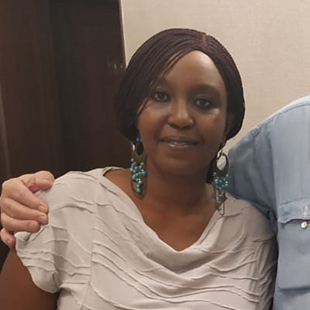
Claudia Boke Chacha Underwent Myomectomy in India
Claudia Boke Chacha
Patient from Kenya underwent Myomectomy Procedure in India

A 41 years old patient from Kenya underwent successful myomectomy procedure in India's leading Jaypee Hospital.

Ms. Fiona Whitecross
Patient From Australia underwent Varicose Veins Treatment in India

Ms. Fiona Whitecross decided to treat herself at Sri Ram Chandra Medical Center, Chennai. Dr. Radhakrishnan, one of the finest…

Frequently Asked Questions

The cost of thyroidectomy in Thailand is USD 8500 - 12000, which depends on several factors, including whether a partial or total thyroidectomy is performed, the hospital, surgeon's expertise, anaesthesia, pre-operative investigations, hospital stay, pathology testing, and post-operative care. Additional costs may include thyroid hormone replacement therapy, calcium supplements, follow-up consultations, and radioactive iodine treatment if indicated.

Some of the best hospitals in Thailand for Thyroidectomy include:
  • Asia clinic thonglor
  • Bangpakok 9 International Hospital
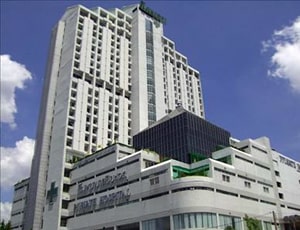
  • Piyavate Hospital
  • Choose an experienced endocrine surgeon, head and neck surgeon, or ENT surgeon who regularly performs thyroid surgeries. Consider the surgeon's experience, complication rates, expertise in thyroid cancer treatment, use of nerve monitoring technology, and access to multidisciplinary endocrine care.

    Patients undergoing total thyroidectomy usually require lifelong thyroid hormone replacement. Those undergoing partial thyroidectomy may retain enough thyroid function and may not need long-term medication, depending on postoperative thyroid hormone levels.

    Yes. Thyroidectomy may be recommended for large benign nodules causing swallowing or breathing difficulties, cosmetic concerns, hyperthyroidism, or when cancer cannot be ruled out through biopsy.

    Temporary hoarseness is relatively common due to irritation near the vocal cord nerves. Permanent voice changes are uncommon when surgery is performed by experienced endocrine surgeons using nerve monitoring technology.

    If thyroid cancer is confirmed, additional treatment may include radioactive iodine therapy, thyroid hormone suppression therapy, regular blood tests, ultrasound examinations, and long-term follow-up based on the cancer type and stage.

    Conventional thyroidectomy leaves a small scar in a natural neck crease that usually fades over time. Some specialised centres also offer minimally invasive, endoscopic, or robotic approaches that minimise or avoid visible neck scars in selected patients.

    Thyroidectomy has a high success rate, such as 90%, when performed by experienced surgeons. Most patients achieve excellent outcomes with effective treatment of thyroid cancer, large goitres, hyperthyroidism, or suspicious thyroid nodules. Success depends on the underlying condition, surgical expertise, and appropriate follow-up care.

    Advanced endocrine centres may offer:
  • Conventional open thyroidectomy
  • Minimally invasive thyroidectomy
  • Endoscopic thyroidectomy
  • Robotic thyroid surgery (selected centres)
  • Intraoperative recurrent laryngeal nerve monitoring
  • Advanced haemostatic devices
  • Intraoperative parathyroid preservation techniques
  • Ultrasound-guided diagnosis
  • Radioactive iodine therapy (when indicated)
  • Multidisciplinary endocrine oncology care
  • Although thyroidectomy is generally safe, potential risks include bleeding, infection, temporary or permanent hoarseness due to recurrent laryngeal nerve injury, low calcium levels (hypocalcaemia), damage to the parathyroid glands, swallowing discomfort, scar formation, anaesthesia-related complications, and the need for lifelong thyroid hormone replacement after total thyroidectomy.

    Patients should undergo thyroid ultrasound, thyroid function tests, blood investigations, fine-needle aspiration biopsy (if required), CT scan (when indicated), medical fitness evaluation, and medication review. Patients with hyperthyroidism may require medical optimisation before surgery.

    Yes. Most hospitals offer virtual consultations where endocrine surgeons review ultrasound images, biopsy reports, thyroid function tests, medical history, and symptoms before recommending the most appropriate treatment plan.

    Patients should carry:
  • Passport and travel documents
  • Thyroid ultrasound reports
  • Fine-needle aspiration (FNA) biopsy reports
  • Thyroid function test results
  • CT or MRI scans (if available)
  • Blood test reports
  • Medication and allergy list
  • Previous surgical records
  • Medical insurance documents (if applicable)
  • The duration of stay depends on the complexity of surgery and recovery. Most patients remain in the hospital for one to three days and should stay in Thailand until the surgeon confirms satisfactory healing and fitness to travel.

    Most patients resume light daily activities within one to two weeks. Complete recovery generally takes several weeks, although recovery may be longer if neck dissection, cancer treatment, or radioactive iodine therapy is required.

    The surgical team will monitor patients for complications such as bleeding, infection, voice changes, low calcium levels, or wound healing problems. Treatment may include medications, calcium supplementation, speech therapy, additional investigations, or further intervention if necessary.

    International patients can upload their medical records through the MediGence website. The MediGence care team will arrange an online consultation with experienced endocrine surgeons, recommend suitable hospitals, provide personalised treatment plans and cost estimates, and assist with visa support, travel, accommodation, and complete treatment coordination.

    Thailand offers internationally accredited endocrine surgery centres, experienced thyroid surgeons, advanced surgical technologies, multidisciplinary cancer care, and comprehensive international patient services. Patients should compare hospitals based on surgeon expertise, technology, patient outcomes, and post-operative support.

    Treatment options depend on the thyroid condition and may include:
  • Hemithyroidectomy (lobectomy)
  • Total thyroidectomy
  • Near-total thyroidectomy
  • Endoscopic thyroidectomy
  • Robotic thyroidectomy
  • Radioactive iodine therapy
  • Active surveillance (selected low-risk thyroid cancers)
  • Medical management for hyperthyroidism
  • Long-term thyroid hormone replacement therapy
  • International patients choose Thailand for thyroidectomy because of experienced endocrine surgeons, internationally accredited hospitals, minimally invasive surgical options, advanced nerve monitoring technology, comprehensive thyroid cancer care, shorter waiting times, transparent pricing, and dedicated international patient support services.

    Not Sure About Your Treatment Plan? Get a Free Second Opinion

    Have your reports reviewed by independent oncology experts to help you make a confident treatment decision, all online within 48 hours.

    Upload Your Reports
    Free second opinion on your CAR-T plan