Your Notifications
All done, no notifications

Thyroidectomy: Symptoms, Classification, Diagnosis & Recovery

Thyroidectomy involves the surgical extraction of either the entire thyroid gland or a portion thereof. thyroid gland is situated at the front of the neck, the thyroid gland releases thyroid hormone and regulates numerous vital bodily functions.

Types of thyroidectomy

Thyroid removal is of two types:

  • Total Thyroidectomy: If the surgery involves the removal of the whole thyroid gland, then this surgery is called total thyroidectomy. It is used to relieve symptoms of thyroid cancer.
  • Partial Thyroidectomy: This procedure involves the removal of part of the thyroid gland and is used to treat thyroid symptoms.

Types of surgical procedures

1. Conventional Thyroidectomy: In this surgical procedure, the incision is made on the neck that provides direct access to the thyroid gland.

2. Endoscopic Thyroidectomy: Endoscopic thyroidectomy is a minimally invasive procedure that involves small incisions through which a video camera is inserted. The video camera guides the surgeon during the surgery.

3. Robotic Thyroidectomy: This surgery is performed by making incisions on the chest or armpit.

Before undergoing a thyroidectomy, individuals may experience a range of signs and symptoms related to thyroid conditions that necessitate the surgery. These can include:

  • goiter (enlarged thyroid gland)
  • benign tumors
  • thyrotoxicosis
  • Hyperthyroidism symptoms, such as rapid heartbeat, sweating, weight loss, and anxiety.
  • Hypothyroidism symptoms include fatigue, weight gain, dry skin, constipation, and cold intolerance
  • Difficulty swallowing or breathing due to pressure from an enlarged thyroid.

Before undergoing thyroidectomy following diagnostic tests are performed to evaluate the thyroid gland function

  • Thyroid Function Tests (TFTs): These blood tests measure levels of thyroid hormones (T3, T4) and thyroid-stimulating hormone (TSH) to evaluate thyroid function. Abnormal levels can indicate hyperthyroidism, hypothyroidism, or other thyroid disorders.
  • Thyroid Ultrasound: This imaging test uses sound waves to create pictures of the thyroid gland and surrounding structures. It helps identify thyroid nodules, assess their size, and determine if they are solid or fluid-filled (cystic).
  • Fine-Needle Aspiration (FNA) Biopsy: This procedure involves using a thin needle to extract cells from thyroid nodules for examination under a microscope. It helps determine if a nodule is benign (noncancerous), malignant (cancerous), or indeterminate.
  • Radioactive Iodine Uptake (RAIU) Test: In this test, a small amount of radioactive iodine is ingested or injected, and a special camera detects how much iodine the thyroid gland absorbs. It helps evaluate thyroid function and detect conditions like hyperthyroidism or thyroid nodules.
  • Computed Tomography (CT) Scan or Magnetic Resonance Imaging (MRI): These imaging tests assess the size and extent of thyroid nodules or thyroid cancer and evaluate nearby structures in the neck.
  • Laryngoscopy: It involves examining the vocal cords and larynx (voice box) using a flexible or rigid scope. It helps assess vocal cord function and identify any pre-existing vocal cord paralysis or injury, which can affect surgical planning and postoperative voice outcomes.

After a thyroidectomy, the patient can expect a hospital stay of at least one night. Managing post-operative pain with prescribed medication and gradually increasing activity levels. Maintain a soft diet initially, and keep the incision site clean and dry. Attend follow-up appointments to monitor healing and thyroid hormone levels.

Permanent thyroid hormone replacement may be necessary if the entire gland is removed. Be mindful of potential complications and seek prompt medical attention for any concerning symptoms.

Please Enquire

Required | alphabets and spaces
Required | A valid, working email address
Required | A valid contact

NOTE: With this information, I as a user, give MediGence the permission to access my healthcare related data and information to help me get the expert opinion. Read our Privacy Policy for more information.

Best Thyroidectomy Hospitals

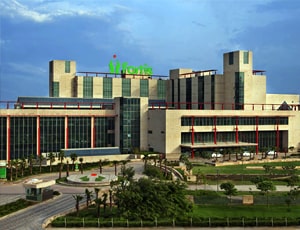
Prince Court Medical Centre

Prince Court Medical Centre

Kuala Lumpur, Malaysia

At the center of Kuala Lumpur, Malaysia, lies a 270-bed private medical facility called Prince Court...more

FACILITIES

Rehabilitation

Foreign Currency Exchange

Religious Facilities

Free Wifi

Consult Online with World’s Best Thyroidectomy

View All Doctors
Dr. Vidit Tripathi
Dr. Vidit Tripathi

ENT Surgeon

Delhi, India

24 of experience

USD  32 for video consultation

Dr. Mahesh Krishna Ram

General Surgeon

Dubai, U.A.E.

23 of experience

USD  150 for video consultation

Dr. Tom Kurzawinski
Dr. Tom Kurzawinski

Pancreatic and Endocrine Surgeon

London, United Kingdom

27 of experience

USD  645 for video consultation

Dr. Meena Aggarwal
Dr. Meena Aggarwal

ENT Surgeon

Delhi, India

34 of experience

USD  32 for video consultation

Explore Top Hospitals Worldwide for Thyroidectomy

Explore Top Hospitals for Thyroidectomy

Author

Dr. Vijita Jayan

BPT, MPT (Neuro)

18 Years of Experience

With over 18 years of distinguished clinical experience, Dr. Vijita Jayan is a highly accomplished Clinical Director and Rehabilitation Specialist, renowned for her expertise in neuro-rehabilitation, functional recovery, and mobility-dependent case management. Her extensive practical knowledge enables her to design and implement individualized, evidence-based rehabilitation protocols that consistently yield measurable patient outcomes. A prolific researcher and academic writer, she has authored numerous peer-reviewed articles and research papers, significantly advancing the field of rehabilitative medicine. The recipient of multiple prestigious accolades, Dr. Jayan is widely regarded as one of the foremost authorities in Physical Medicine and Rehabilitation, continually shaping neuro-rehabilitative care through research, innovation, and clinical excellence.. View More

Reviewer

Dr. Pradeep Jain

General & Laparoscopic Surgeon

33 Years of Experience

Dr. Pradeep Jain has completed his MBBS, MS - General Surgery, MCh - Surgical Gastroenterology/G.I. Surgery, and MCh - Surgical Oncology. He is a GastroIntestinal Surgeon, General Surgeon, Surgical Oncologist, Bariatric Surgeon par excellence with total experience of 36 years of which about 33+ years have been as a specialist View More