Your Notifications
All done, no notifications

Transmyocardial Revascularization (TMR) Cost in South Korea

USD 30000 - USD 45000

Affordable World-class Treatment - Accredited Hospitals - Free Treatment Plan in 24 Hrs

5
Days in Hospital
2-4 hrs
Procedure Time
80 - 90%
Success Rate
Transmyocardial Revascularization (TMR)
JCI/ISO 100,000+ Patients 24X7 Coordinator Visa & Travel handled
Your all-in-one medical travel platform for treatment, recovery & care.

Get Your Personalised Treatment Plan in Just 24 Hours.

Share your details to receive a personalised treatment plan, estimated costs, hospital recommendations, and expert guidance, “completely free.”

Required | alphabets and spaces
Required | A valid, working email address
Required | A valid contact
Connect with an Expert

Your information is protected with HIPAA-compliant security standards. We only share your details with hospitals after your consent.

Estimated Treatment Cost
USD 30000 - USD 45000
All-inclusive • Hospital + Medications + Recovery Assistance + Dedicated Care Coordinator

International Quality. Affordable Care.

What's included in your Transmyocardial Revascularization (TMR) quote?

Comprehensive evaluation
ECG, Echocardiogram, Coronary angiography, Cardiac CT/MRI, blood tests, and anesthesia assessment
Cardiac surgery team
ICU monitoring, cardiac observation, and pain management
Hospital stay + ICU as needed
Cardiac medications, anticoagulation, infection prevention, and rehabilitation planning
Country stay monitoring
Supervised exercise program, lifestyle counseling, nutritional guidance, and recovery support
Visa & medical-visa invite letter
Airport pickup & transfers

Cost of Transmyocardial Revascularization (TMR) in Major Cities of South Korea

CityCost (USD)
Seoul $22,000 – $40,000 Explore More

Transmyocardial Revascularization Tmr - South Korea Vs the World

$6k - $11k
$18k - $32k
$18k - $32k
$18k - $32k
$22k - $40k
$22k - $42k
$25k - $45k
$28k - $48k
$28k - $48k
$35k - $75k
Tanya Bose
Author

MSc Biotechnology

4 Years of Experience

Tanya Bose is a medical content specialist with a strong medical background. She has completed her Bachelor's and Master’s in Biotechnology from Amity University. With a deep understanding of biomedical sciences and research, she develops authoritative and patient-focused medical content covering treatments, surgical procedures, and healthcare innovations. Her writing emphasizes accuracy, clarity, and evidence-based information to help readers better understand complex medical topics. She is dedicated to improving patient awareness and supporting informed healthcare decisions by delivering trustworthy medical insights in a clear and accessible format.
View More
Dr. Naresh Kumar Goyal
Reviewer

Cardiologist

21 Years of Experience

Last Reviewed - June 2026

Dr. Naresh Kumar Goyal is highly trained as a cardiologist with exposure in virtually all aspects of cardiology. He qualified with an MD in internal medicine in 1999 from SMS Medical College, Jaipur, and served in the Cardiology Department as an honorary resident. From this stage, he also started with training in the temporary pacing of the pacemaker as well as interventional services.
View More

Need Help Choosing the Right Treatment? Talk to a Medical Advisor

Our dedicated Medical Patient Advisors are here to answer your questions, help you compare treatment options, estimate costs, and guide you through every step of your healthcare journey.

15 min
Average response time

Serving Patients Worldwide in Multiple Languages.

Transmyocardial Revascularization (TMR) is performed to relieve severe, chronic chest pain (angina) in patients who are not candidates for conventional procedures like angioplasty or coronary artery bypass grafting (CABG). It improves blood flow directly to the heart muscle by creating small channels in the myocardium (heart wall), allowing oxygen-rich blood from the left ventricle to nourish ischemic areas. TMR is especially useful in patients with diffuse coronary artery disease or those with previously failed revascularization attempts.

You should consult a cardiologist if you're experiencing persistent chest pain despite optimal medical therapy, especially if previous stent placement or bypass surgery hasn\u2019t worked or isn\u2019t an option. TMR is typically considered for patients with refractory angina who are at high surgical risk or have complex blockages not amenable to traditional methods.

Preparation for TMR includes a complete cardiac evaluation \u2014 such as ECG, echocardiography, coronary angiography, and stress tests \u2014 to assess heart function and identify suitable candidates. Patients are advised to fast for several hours before the surgery or procedure and to temporarily stop certain medications as instructed. A detailed consultation will cover the procedure, potential risks, and recovery expectations.

Usually, a powerful CO\u2082 or Holmium:YAG laser is used for TMR as a minimally invasive treatment or during open heart surgery:

  • Hybrid or standalone surgical TMR: After making a tiny incision in the chest, 20\u201340 tiny channels are formed in the left ventricle wall using a laser. These channels permit blood to enter oxygen-depleted cardiac tissue straight from the ventricle.
  • A hybrid strategy: In some situations, if only some coronary arteries can be bypassed and others need TMR, TMR and CABG are combined.

The procedure generally takes one to two hours. Hospitalisation typically lasts 3 to 5 days after standalone TMR, while hybrid TMR with bypass surgery may require a longer stay depending on patient condition and surgical complexity.

  • Irregular heart rhythms (arrhythmias)
  • Bleeding
  • Infection
  • Pericardial effusion (fluid around the heart)
  • Stroke or heart attack (rare)
  • Reaction to anesthesia

  • Significant reduction in angina symptoms
  • Improved quality of life and exercise tolerance
  • Decreased dependence on anti-anginal medications
  • Beneficial for patients with no other surgical options
  • May promote long-term blood vessel formation (angiogenesis)

Recovery time varies by the type of procedure. After TMR, patients are typically monitored in the ICU for 24\u201348 hours. Discomfort at the incision site is normal. Physical activity is gradually resumed over weeks. Regular follow-up is essential to monitor heart function and adjust medications.

TMR has an 80\u201390% success rate in easing the symptoms of angina. Many patients report significant pain reduction and increased everyday functioning, even if it might not be able to treat coronary artery disease. The greatest long-term advantages occur when lifestyle changes and the best medical care are combined.

75-85%

Significant relief from refractory angina symptoms

5-7 days

Typical hospital stay after TMR

3-6 Months

Typical recovery period before resuming most daily activities
Explore Hospitals ( 2 )

Seoul, South Korea

2700+ Beds · 245+ Procedures
ISO
Starting
USD 30000

Seoul, South Korea

808+ Beds · 193+ Procedures
JCI
Starting
USD 34000

Get Your Transmyocardial Revascularization (TMR)
Plan in 24 hrs.

Our experienced Medical Patient Advisors have supported 100,000+ patients across 120+ countries with personalised treatment plans, hospital recommendations, cost estimates, and travel assistance, all free.

HIPAA-Compliant Data SecurityShared Only with Your Consent

Free Consultation No Obligation Personalized Treatment Plan Response Within 24 Hours

Required | alphabets and spaces
Required | A valid, working email address
Required | A valid contact

Your medical info is kept HIPAA-style confidential. We never share with hospitals without your consent.

Jenny Wilson
Your Dedicated Medical Patient Advisor
Treatment planning • Hospital coordination • Multilingual support • Response within 15 minutes.
Our Services to Better your Experience

Opinion & Option

We submit the most accurate opinion and options from one or more countries for your review

Consult Privately

Consult with a certified specialist privately on our telemedicine platform even before you decide to travel

Logistics

We handle flights, visas, transfers, and accommodation—so you can focus on your health.

Recovery

Our In-house rehabilitation service packages to better your recovery and treatment outcome

Patient Stories

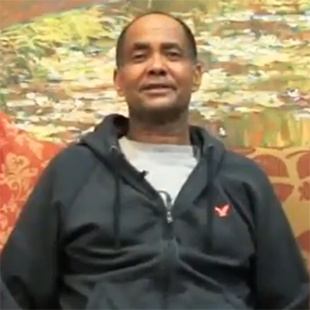
Mr Hailu Kassa : CABG Surgery
Mr Hailu Kassa
Mr Hailu Kassa : CABG Surgery

Mr. Hailu Kassa underwent Coronary Artery Bypass Surgery in Vejthani Hospital, Thailand under the supervision of Dr. Piya, Cardio-Thoracic Surgeon

Rod Schaubroeck
Rod Schaubroeck
Rod Schaubroeck : Double Valve Replacement

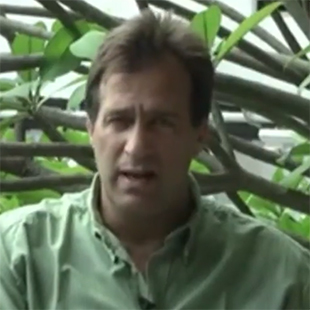
Patient Testimonial: Rod Schaubroeck from United States (U.S.A) underwent heart valve replacement at Fortis Hospital, India

Frequently Asked Questions

The cost of Transmyocardial Revascularisation (TMR) in South Korea may vary depending on the severity of coronary artery disease, extent of myocardial ischaemia, whether TMR is performed alone or with another cardiac procedure, preoperative diagnostic investigations, hospital charges, cardiac surgeon's fees, operating room expenses, anaesthesia, medications, and length of hospital stay. The overall cost may include specialist consultations, ECG, echocardiography, coronary angiography, cardiac imaging, blood tests, TMR, anaesthesia, postoperative monitoring, medications, and follow-up care.MediGence can help international patients explore suitable cardiac centres and obtain an estimated treatment plan based on the patient's coronary artery disease, clinical condition, and treatment requirements.

The best hospitals in South Korea for Transmyocardial Revascularization are those with experienced cardiac surgeons, interventional cardiologists, cardiologists, cardiac anaesthesiologists, cardiac intensivists, and multidisciplinary coronary artery disease teams. Patients should consider hospitals with advanced cardiac operating rooms, cardiac catheterisation laboratories, intensive care units, cardiac imaging, and comprehensive coronary revascularisation services.Hospitals with experience in managing patients with severe coronary artery disease who are not suitable for conventional revascularisation may be particularly suitable for specialised evaluation.

Patients should choose a cardiac surgeon experienced in myocardial revascularisation and the management of advanced coronary artery disease. Important factors include expertise in TMR, assessment of coronary anatomy, management of patients with diffuse or non-revascularisable coronary disease, and experience with combined cardiac procedures where indicated.The treating team should assess symptoms, coronary angiography findings, myocardial viability and ischaemia, ventricular function, previous cardiac procedures, associated medical conditions, and overall health before determining whether TMR is appropriate.

The success of Transmyocardial Revascularization in South Korea varies depending on the severity of coronary artery disease, extent of myocardial ischaemia, ventricular function, patient selection, whether TMR is performed alone or with another procedure, and overall health. The procedure is generally considered for selected patients with severe angina who have limited conventional revascularisation options.Treatment outcomes may be assessed through reduction in angina symptoms, improved quality of life, reduced dependence on anti-anginal medication, exercise tolerance, and overall cardiac function. The treating cardiac team can provide a more individualised prognosis after evaluating the patient's coronary anatomy and clinical condition.

Hospitals in South Korea may use ECG, echocardiography, coronary angiography, cardiac CT, cardiac MRI, myocardial perfusion imaging, cardiac catheterisation, and advanced cardiac operating room technologies.TMR uses a specialised laser to create small channels through the heart muscle in selected areas affected by inadequate blood supply. The procedure is designed to improve symptoms of refractory angina in carefully selected patients. In some cases, TMR may be performed together with coronary artery bypass grafting (CABG) when clinically appropriate.

Possible risks and complications may include:
  • Bleeding
  • Infection
  • Abnormal heart rhythms
  • Chest pain
  • Heart attack
  • Stroke
  • Low blood pressure
  • Heart failure
  • Injury to heart or nearby structures
  • Fluid accumulation around the heart
  • Anaesthesia-related complications
  • Need for additional cardiac procedures
  • The specific risks depend on the patient's coronary artery disease, ventricular function, other medical conditions, and whether TMR is combined with another cardiac procedure. The treating cardiac team will explain the potential risks and expected benefits before treatment.

    Patients should share all relevant cardiac records with the treating team before travelling. These may include ECGs, echocardiography reports, coronary angiography findings, cardiac CT or MRI reports, stress or myocardial perfusion studies, previous cardiac procedure records, blood test results, medication history, and allergy information.Patients should also discuss medication adjustments, including antiplatelet or anticoagulant management where applicable, expected hospital stay, possible intensive care, postoperative restrictions, cardiac rehabilitation, and travel arrangements before making their plans.

    Yes. International patients can arrange an online consultation with a cardiac surgeon, interventional cardiologist, or coronary artery disease specialist before travelling to South Korea. The specialist may review the patient's coronary angiography, cardiac imaging, symptoms, previous treatment, heart function, and overall clinical condition to determine whether TMR may be an appropriate treatment option.MediGence can help coordinate online consultations and facilitate the secure sharing of relevant medical records and cardiac imaging with suitable specialists.

    International patients should carry a valid passport and relevant medical documents, including:
  • ECG reports
  • Echocardiography reports
  • Coronary angiography reports and images
  • Cardiac CT or MRI reports, if applicable
  • Stress testing or myocardial perfusion reports
  • Previous cardiac surgery or procedure records
  • Recent blood test results
  • Current prescriptions and medication details
  • Allergy and complete medical history
  • Patients should also carry digital copies of important medical records and cardiac imaging for easy access during consultations and treatment.

    The required stay in South Korea depends on the patient's cardiac condition, whether TMR is performed alone or with another cardiac procedure, postoperative recovery, and the occurrence of complications. Because TMR is a surgical procedure, patients generally require hospitalisation for postoperative monitoring and cardiac recovery.International patients may need to remain in South Korea until the treating team confirms stable cardiac function, satisfactory wound healing, appropriate medication management, and fitness to travel. Additional follow-up may be required before returning home.

    Recovery after Transmyocardial Revascularisation varies depending on whether TMR is performed alone or combined with another cardiac procedure, the patient's overall health, and postoperative recovery. Patients generally require a period of restricted physical activity before gradually returning to normal activities under medical guidance.Cardiac rehabilitation may be recommended to improve exercise tolerance and support long-term cardiovascular recovery. Follow-up may include cardiology consultations, ECG, echocardiography, medication optimisation, and assessment of angina symptoms and functional capacity.

    If complications occur, patients should contact the treating cardiac team or seek immediate medical attention. Prompt evaluation may be required for severe or persistent chest pain, shortness of breath, fainting, palpitations, fever, excessive bleeding, wound problems, or symptoms suggesting a cardiac complication.Patients should receive detailed discharge instructions, wound-care guidance, medication recommendations, activity restrictions, emergency contact information, and a structured cardiac follow-up plan before returning home.

    International patients can submit their medical records, coronary angiography, cardiac imaging, and previous treatment details through the MediGence website. Following an initial review, the MediGence care team can help patients explore suitable cardiac hospitals and experienced cardiac surgeons, coordinate consultations, and support treatment planning and medical travel arrangements.The final treatment recommendation is made by the treating cardiac team after a comprehensive evaluation of the patient's coronary anatomy, symptoms, heart function, and available revascularisation options.

    International patients may choose South Korea for access to experienced cardiac surgeons, advanced coronary care programmes, modern cardiac operating rooms, sophisticated cardiac imaging, intensive cardiac care, and multidisciplinary heart teams.The destination should be evaluated based on hospital accreditation, patient safety standards, physician expertise, experience in complex coronary artery disease, availability of advanced cardiac technologies, and access to complementary revascularisation procedures when required.

    Treatment options depend on the severity and distribution of coronary artery disease, symptoms, coronary anatomy, myocardial viability, heart function, previous procedures, and overall health. Options may include:
  • Optimised medical therapy for angina
  • Percutaneous coronary intervention (PCI)
  • Coronary artery bypass grafting (CABG)
  • Transmyocardial Revascularization (TMR)
  • TMR combined with CABG in selected patients
  • Management of associated heart failure or arrhythmias
  • Cardiac rehabilitation
  • Lifestyle modification and risk-factor management
  • Long-term cardiology follow-up
  • The treating multidisciplinary cardiac team will recommend the most appropriate treatment plan after evaluating the patient's coronary anatomy, symptoms, previous treatment, heart function, and overall clinical condition.

    International patients may choose South Korea for access to specialised cardiac centres, experienced cardiac surgeons and cardiologists, advanced coronary imaging, modern cardiac operating facilities, multidisciplinary heart teams, and structured postoperative cardiac rehabilitation.MediGence can assist patients with hospital and specialist selection, medical record coordination, consultation scheduling, treatment planning, and travel-related support. The final destination should be selected according to the patient's coronary artery disease, clinical requirements, treatment goals, and the hospital's expertise in Transmyocardial Revascularization.

    Not Sure About Your Treatment Plan? Get a Free Second Opinion

    Have your reports reviewed by independent oncology experts to help you make a confident treatment decision, all online within 48 hours.

    Upload Your Reports
    Free second opinion on your CAR-T plan