Your Notifications
All done, no notifications

Pediatric Cardiomyopathy Treatment Cost in Ankara

Get a Quote

Affordable World-class Treatment - Accredited Hospitals - Free Treatment Plan in 24 Hrs

2
Days in Hospital
2-6 hrs
Procedure Time
80-90%
Success Rate
JCI/ISO 100,000+ Patients 24X7 Coordinator Visa & Travel handled
Your all-in-one medical travel platform for treatment, recovery & care.

Get Your Personalised Treatment Plan in Just 24 Hours.

Share your details to receive a personalised treatment plan, estimated costs, hospital recommendations, and expert guidance, “completely free.”

Required | alphabets and spaces
Required | A valid, working email address
Required | A valid contact
Connect with an Expert

Your information is protected with HIPAA-compliant security standards. We only share your details with hospitals after your consent.

Estimated Treatment Cost
All-inclusive • Hospital + Medications + Recovery Assistance + Dedicated Care Coordinator

International Quality. Affordable Care.

Cost of Pediatric Cardiomyopathy Treatment in Major Cities of Turkey

CityMinimum Cost (USD)Minimum Cost (TRY)Maximum Cost (USD)Maximum Cost (TRY)
AnkaraUSD 23000898380USD 260001015560
AntalyaUSD 23000898380USD 260001015560
BursaUSD 23000898380USD 260001015560
FethiyeUSD 20700808542USD 23400914004
IstanbulUSD 23000898380USD 260001015560
KocaeliUSD 23000898380USD 260001015560
KonyaUSD 23000898380USD 260001015560
OrduUSD 23000898380USD 260001015560
SamsunUSD 23000898380USD 260001015560
TokatUSD 20700808542USD 23400914004
TrabzonUSD 20700808542USD 23400914004

Cost of Pediatric Cardiomyopathy Treatment in Major Cities of Turkey

City Cost (USD)
Ankara Get Quote Explore More
Antalya Get Quote Explore More
Bursa Get Quote Explore More
Fethiye Get Quote Explore More
Istanbul Get Quote Explore More
Kocaeli Get Quote Explore More
Konya Get Quote Explore More
Ordu Get Quote Explore More
Samsun Get Quote Explore More
Tokat Get Quote Explore More
Trabzon Get Quote Explore More

Find the Right Destination for Your Pediatric Cardiomyopathy Treatment Journey

Alvina Hasan
Author

M.Pharm

2 Year of Experience

Last Reviewed - June 2026

Alvina Hasan is a dedicated medical researcher and scientific writer with a strong foundation in pharmaceutical sciences. She holds a B.Pharm from Jamia Hamdard University and an M.Pharm in Quality Assurance from DIPSAR University.

With deep medical expertise and a strong interest in healthcare communication, she focuses on transforming complex clinical and scientific information into clear, engaging, and easy-to-understand narratives. She develops insightful healthcare articles and research-driven content designed to support both medical professionals and patients, helping bridge the gap between advanced medical knowledge and practical understanding.

Readers can explore her published research and articles here:

https://carcinogenesis.com/index.php/JOC/article/view/868

https://carcinogenesis.com/index.php/JOC/article/view/870

View More
Dr. Naresh Kumar Goyal
Reviewer

Cardiologist

21 Years of Experience

Last Reviewed - June 2026

Dr. Naresh Kumar Goyal is highly trained as a cardiologist with exposure in virtually all aspects of cardiology. He qualified with an MD in internal medicine in 1999 from SMS Medical College, Jaipur, and served in the Cardiology Department as an honorary resident. From this stage, he also started with training in the temporary pacing of the pacemaker as well as interventional services.
View More

Need Help Choosing the Right Treatment? Talk to a Medical Advisor

Our dedicated Medical Patient Advisors are here to answer your questions, help you compare treatment options, estimate costs, and guide you through every step of your healthcare journey.

15 min
Average response time

Serving Patients Worldwide in Multiple Languages.

Pediatric cardiomyopathy is a condition where the heart muscle becomes weak or stiff. This reduces the blood supply to heart and body leading to heart failure in infants or children. Other complications include irregular rhythms or even sudden death of infants. The primary types of pediatric cardiomyopathy include:

  • Dilated Cardiomyopathy (DCM): The condition is characterized by thinning and enlargement of heart chambers leading to poor blood flow. It is the most common type of cardiomyopathy.
  • Hypertrophic Cardiomyopathy (HCM): The condition is characterized by thickening of heart muscle leading to poor blood flow. Symptoms like breathlessness, palpitations and fatigue are common.
  • Restrictive Cardiomyopathy (RCM): The heart muscle becomes stiff or rigid characterised by decreased blood flow.
  • Arrhythmogenic Right Ventricular Cardiomyopathy (ARVC): The right ventricle of the heart is affected, leading to irregular rhythms and sudden cardiac disorders.

Treatment for pediatric cardiomyopathy is required when a child is identified with a cardiac muscle condition that impairs the heart's capacity to pump blood efficiently. The three most prevalent kinds are restricted, hypertrophic, and dilated cardiomyopathy. The goals of treatment are to control symptoms, enhance cardiac function, and avoid side effects such as arrhythmias or heart failure.

A pediatric cardiologist should be seen if a child exhibits symptoms including chest pain, irregular heartbeats, exhaustion, fainting, poor feeding, or trouble breathing. Early identification is essential, particularly if there is a family history of cardiomyopathy or sudden cardiac death. Routine imaging and follow-ups determine the right treatment strategy and intervention timing.

A thorough cardiac assessment, which includes an echocardiography, electrocardiogram, chest X-ray, blood tests, and occasionally genetic testing or cardiac MRI, is the first step in the evaluation process. Reviewing medications is crucial to preventing interactions. Fasting and preoperative testing are necessary if surgical treatment or device placement is being considered. Depending on the child's age and condition, the care staff will give detailed instructions.

  • Medications: Used to treat symptoms and enhance cardiac performance.
  • Device Therapy: Device therapy may involve the implantation of pacemakers, ICDs, or VADs, if necessary.
  • Surgery/Transplant: In extreme, non-responsive instances, a heart transplant may be considered.
  • Monitoring: It's important to have routine examinations, imaging, and lifestyle modifications.

Treatment is ongoing and depends on the severity and progression of the disease. Medication adjustments, follow-ups, and lifestyle adaptations are part of lifelong management. If surgery or transplant is needed, hospitalisation may last from several days to weeks, followed by extended recovery.

  • Heart failure
  • Life-threatening arrhythmias
  • Stroke or blood clots
  • Device-related complications
  • Side effects from long-term medications

Early and adequate treatment can relieve symptoms, improve cardiac function, and increase survival. It also improves the child's quality of life by enabling them to play, grow, and go to school. The disease's course can frequently be halted or reduced.

Rehabilitation, medication management, and hospital monitoring are all part of the healing process for kids after surgery or device placement. Regular cardiologist visits, imaging, and family education regarding symptom awareness and lifestyle measures are all part of ongoing care.

Success depends on the type and stage of cardiomyopathy. Medical and technological therapy are effective for many kids. Improvements in early intervention and pediatric cardiac care continue to increase survival and quality of life.

80-90%

Long-term symptom control and improved quality of life with appropriate treatment

2-7 days

Typical hospital stay for medical management or interventional procedures

1-2Months

Regular follow-up with pediatric cardiology for monitoring heart function and disease progression
Explore Hospitals ( 4 )

Ankara, Turkey

230+ Beds · 224+ Procedures
JCI

Ankara, Turkey

215+ Beds · 233+ Procedures
JCI

Ankara, Turkey

254+ Beds · 296+ Procedures
GHA

Ankara, Turkey

124+ Beds · 287+ Procedures
JCI

Get Your Pediatric Cardiomyopathy Treatment
Plan in 24 hrs.

Our experienced Medical Patient Advisors have supported 100,000+ patients across 120+ countries with personalised treatment plans, hospital recommendations, cost estimates, and travel assistance, all free.

HIPAA-Compliant Data SecurityShared Only with Your Consent

Free Consultation No Obligation Personalized Treatment Plan Response Within 24 Hours

Required | alphabets and spaces
Required | A valid, working email address
Required | A valid contact

Your medical info is kept HIPAA-style confidential. We never share with hospitals without your consent.

Jenny Wilson
Your Dedicated Medical Patient Advisor
Treatment planning • Hospital coordination • Multilingual support • Response within 15 minutes.
Our Services to Better your Experience

Opinion & Option

We submit the most accurate opinion and options from one or more countries for your review

Consult Privately

Consult with a certified specialist privately on our telemedicine platform even before you decide to travel

Logistics

We handle flights, visas, transfers, and accommodation—so you can focus on your health.

Recovery

Our In-house rehabilitation service packages to better your recovery and treatment outcome

Patient Stories

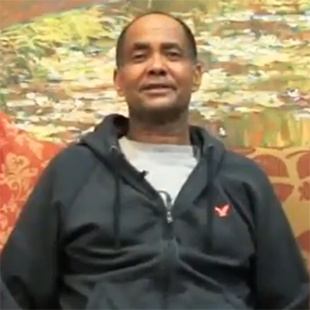
Mr Hailu Kassa : CABG Surgery
Mr Hailu Kassa
Mr Hailu Kassa : CABG Surgery

Mr. Hailu Kassa underwent Coronary Artery Bypass Surgery in Vejthani Hospital, Thailand under the supervision of Dr. Piya, Cardio-Thoracic Surgeon

Rod Schaubroeck
Rod Schaubroeck
Rod Schaubroeck : Double Valve Replacement

Patient Testimonial: Rod Schaubroeck from United States (U.S.A) underwent heart valve replacement at Fortis Hospital, India

Not Sure About Your Treatment Plan? Get a Free Second Opinion

Have your reports reviewed by independent oncology experts to help you make a confident treatment decision, all online within 48 hours.

Upload Your Reports
Free second opinion on your CAR-T plan