Your Notifications
All done, no notifications

Pediatric Cardiomyopathy Treatment Cost in India

Costs starts from USD1450 to USD4650
Filters

How Much Does Pediatric Cardiomyopathy Treatment Cost in India?

The cost of pediatric cardiomyopathy treatment in India ranges between USD 1450 - USD 4650, depending on the severity of the condition and the treatment approach. Pediatric cardiomyopathy is a serious heart disease affecting children which leads to weakened heart muscles and improper blood circulation. There are 4 types of cardiomyopathies which influence the treatment significantly. These are as follows

The cost of treatment is influenced by several factors, including the type of cardiomyopathy, the severity of symptoms, and any other medical interventions required. Cardiomyopathy is a serious condition that requires immediate treatment based on early diagnosis.

Factors Influencing the Cost of Pediatric Cardiomyopathy Treatment in India

Here are key factors that determine the cost of pediatric cardiomyopathy treatment:

Cost of Pediatric Cardiomyopathy Treatment in Major Cities of India

CityMinimum Cost (USD)Minimum Cost (INR)Maximum Cost (USD)Maximum Cost (INR)
AhmedabadUSD 1305111760USD 4185358403
BangaloreUSD 1450124178USD 4650398226
ChennaiUSD 1450124178USD 4650398226
DelhiUSD 1450124178USD 4650398226
FaridabadUSD 1450124178USD 4650398226
GhaziabadUSD 1450124178USD 4650398226
GurgaonUSD 1450124178USD 4650398226
GurugramUSD 1450124178USD 4650398226
HyderabadUSD 1450124178USD 4650398226
KochiUSD 1450124178USD 4650398226
KolkataUSD 1450124178USD 4650398226
MohaliUSD 1305111760USD 4185358403
MumbaiUSD 1450124178USD 4650398226
NoidaUSD 1450124178USD 4650398226
PanjimUSD 1305111760USD 4185358403
PuneUSD 1305111760USD 4185358403

Pediatric Cardiomyopathy Treatment Cost : A Global Comparison

CountryMinimum CostMinimum Local CurrencyMaximum CostMaximum Local Currency
Czechiaget request
Hungaryget request
IndiaUSD 1450INR 124178USD 4650INR 398226
Israelget request
Malaysia - - USD 3000MYR 12720
Polandget request
Saudi Arabiaget request
Singaporeget request
South Africaget request
SpainUSD 16000ESP 2352638USD 30000ESP 4411197
Switzerlandget request
ThailandUSD 15000THB 490650USD 35000THB 1144850
TurkeyUSD 23000TRY 898380USD 26000TRY 1015560
United Arab EmiratesUSD 21000AED 77070USD 34000AED 124780
United Kingdomget request

Need Help Planning Your Treatment Abroad?

Your 24/7 AI Health Assistant

Pediatric cardiomyopathy is a condition where the heart muscle becomes weak or stiff. This reduces the blood supply to heart and body leading to heart failure in infants or children. Other complications include irregular rhythms or even sudden death of infants. The primary types of pediatric cardiomyopathy include:

  • Dilated Cardiomyopathy (DCM): The condition is characterized by thinning and enlargement of heart chambers leading to poor blood flow. It is the most common type of cardiomyopathy.
  • Hypertrophic Cardiomyopathy (HCM): The condition is characterized by thickening of heart muscle leading to poor blood flow. Symptoms like breathlessness, palpitations and fatigue are common.
  • Restrictive Cardiomyopathy (RCM): The heart muscle becomes stiff or rigid characterised by decreased blood flow.
  • Arrhythmogenic Right Ventricular Cardiomyopathy (ARVC): The right ventricle of the heart is affected, leading to irregular rhythms and sudden cardiac disorders.

Treatment for pediatric cardiomyopathy is required when a child is identified with a cardiac muscle condition that impairs the heart's capacity to pump blood efficiently. The three most prevalent kinds are restricted, hypertrophic, and dilated cardiomyopathy. The goals of treatment are to control symptoms, enhance cardiac function, and avoid side effects such as arrhythmias or heart failure.

A pediatric cardiologist should be seen if a child exhibits symptoms including chest pain, irregular heartbeats, exhaustion, fainting, poor feeding, or trouble breathing. Early identification is essential, particularly if there is a family history of cardiomyopathy or sudden cardiac death. Routine imaging and follow-ups determine the right treatment strategy and intervention timing.

A thorough cardiac assessment, which includes an echocardiography, electrocardiogram, chest X-ray, blood tests, and occasionally genetic testing or cardiac MRI, is the first step in the evaluation process. Reviewing medications is crucial to preventing interactions. Fasting and preoperative testing are necessary if surgical treatment or device placement is being considered. Depending on the child's age and condition, the care staff will give detailed instructions.

  • Medications: Used to treat symptoms and enhance cardiac performance.
  • Device Therapy: Device therapy may involve the implantation of pacemakers, ICDs, or VADs, if necessary.
  • Surgery/Transplant: In extreme, non-responsive instances, a heart transplant may be considered.
  • Monitoring: It's important to have routine examinations, imaging, and lifestyle modifications.

Treatment is ongoing and depends on the severity and progression of the disease. Medication adjustments, follow-ups, and lifestyle adaptations are part of lifelong management. If surgery or transplant is needed, hospitalisation may last from several days to weeks, followed by extended recovery.

  • Heart failure
  • Life-threatening arrhythmias
  • Stroke or blood clots
  • Device-related complications
  • Side effects from long-term medications

Early and adequate treatment can relieve symptoms, improve cardiac function, and increase survival. It also improves the child's quality of life by enabling them to play, grow, and go to school. The disease's course can frequently be halted or reduced.

Rehabilitation, medication management, and hospital monitoring are all part of the healing process for kids after surgery or device placement. Regular cardiologist visits, imaging, and family education regarding symptom awareness and lifestyle measures are all part of ongoing care.

Success depends on the type and stage of cardiomyopathy. Medical and technological therapy are effective for many kids. Improvements in early intervention and pediatric cardiac care continue to increase survival and quality of life.

Would you like some help? We are available.

Get Help
Explore Hospitals ( 63 )
Pediatric Cardiomyopathy Treatment in Seven Hills Hospital: Costs, Top Doctors, and Reviews

Mumbai, India

  • National Accreditation Board for Hospitals & Healthcare Providers (NABH)
  • National Accreditation Board for Testing and Calibration Laboratories (NABL)

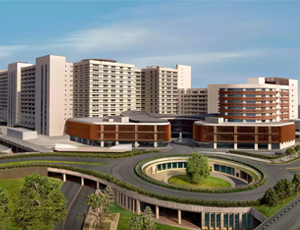
Seven Hills Hospital located in Mumbai, India is accredited by JCI, NABH, NABL. Also listed below are some of the most prominent infrastructural details:

  • It is spread over an area of 17 acres.
  • There is also an academic institute with research facilities.
  • SevenHills Hospital has excellent diagnostic services including a laboratory and a provision for various tests.
  • Given that their are specific departments for various kinds of diagnostsic. Tests like PET Scan, MRI, CT scan and biopsies are completed regularly.
  • Biochemistry, Hematology, Microbiology are some of the important diagnostic departments.
  • Endoscopies as well as non-invasive procedures are done through their respective departments.
  • Day care specialty services are available for those kinds of requirements.
  • Health Check up packages are also present as are the collaborations with many insurance organisations.
  • There are professionally managed in-patient and out-patient facilities.
  • There are more than 30 super specialties in Seven Hills Hospital Mumbai.
  • There are also Centres of Excellence in Cardiac Care, Neurosciences, Bone & Joint Care, Cancer Care, Nephrology and Cosmetic Dermatology.
  • International patient care services are also implemented for the best assistance to overseas patients.
Pediatric Cardiomyopathy Treatment in Marengo Asia Hospitals, Faridabad: Costs, Top Doctors, and Reviews

Faridabad, India

  • National Accreditation Board for Hospitals & Healthcare Providers (NABH)
  • National Accreditation Board for Testing and Calibration Laboratories (NABL)

Marengo Asia Hospitals, located in Faridabad, is a multispecialty, state-of-the-art, and patient-friendly facility that combines the greatest services available in the healthcare segment. With 325 beds now, the hospital can accommodate up to 550 beds. It has first-rate medical facilities including a Critical Care Medicine department for patients with life-threatening conditions. Furthermore, our highly skilled medical staff and cutting-edge software system make us the perfect facility for patients from various backgrounds. We always aim to exceed expectations and are always looking for ways to boost our performance.

Pediatric Cardiomyopathy Treatment in Marengo Asia Hospitals, Gurugram: Costs, Top Doctors, and Reviews

Gurgaon, India

  • National Accreditation Board for Hospitals & Healthcare Providers (NABH)
  • National Accreditation Board for Testing and Calibration Laboratories (NABL)
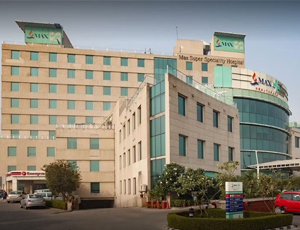
  • Marengo Asia Hospitals, Gurugram, is a 250-bed multi-speciality tertiary care hospital, formerly known as W Pratiksha Hospital.
  • A major medical centre for Delhi NCR and North India, it is situated on Golf Course Extension Road, Sector 56, Gurugram.
  • The hospital's NABH and NABL accreditation ensures compliance with international standards for patient care, safety, and quality.
  • Provides extensive medical care in more than 21 specialities, including as women's health, neurology, orthopaedics, cardiology, and cancer.
  • Advanced robotic-assisted spine surgery tools and neuro-monitoring technology are available at the Marengo Asia International Institute of Neuro & Spine (MAIINS), a Centre of Excellence in Neurosciences.
  • Equipped with cutting-edge equipment, such as automated labs, sophisticated imaging, and contemporary operating rooms.
  • Features specialised ICUs, NICUs, and modular OTs built for complex and minimally invasive procedures.

Need Some Advice From Our Experts?

Request a Call Back Now!

Our team of healthcare experts would be happy to assist you

trusted Patientstrusted Patients+99
Trusted by 50000+ Patients
Required | alphabets and spaces
Required | A valid, working email address
Required | A valid contact

Process Involved for Pediatric Cardiomyopathy Treatment in India

  • Diagnosis: Imaging, ECG, blood tests, and genetic screening.
  • Medical Management: The first line of treatment includes drugs such as diuretics, blockers, and specific inhibitors to manage symptoms and enhance cardiac function.
  • Monitoring: Routine follow-ups that monitor heart function, growth, and reaction to treatment.
  • Advanced Therapies: Ventricular assist devices, pacemakers, and ICDs are taken into consideration if symptoms get worse.
  • Dilated Cardiomyopathy (DCM)
  • Hypertrophic Cardiomyopathy (HCM)
  • Restrictive Cardiomyopathy (RCM)
  • Left Ventricular Non-Compaction (LVNC)
  • Arrhythmogenic Right Ventricular Cardiomyopathy (ARVC)
  • Pacemaker Implants
  • Implantable Cardioverter-Defibrillator (ICD) (for arrhythmias)
  • Ventricular assist devices (VADs)

Children who fulfill one or more of the following requirements may be eligible for treatment:

  • Dilated Cardiomyopathy (DCM)
  • Hypertrophic Cardiomyopathy (HCM)
  • Restrictive Cardiomyopathy (RCM)
  • Arrhythmogenic Right Ventricular Cardiomyopathy (ARVC)
  • Left Ventricular Non-Compaction (LVNC)
  • Pacemaker Implantation Surgery
  • ICD (Implantable Cardioverter Defibrillator)
  • Ventricular Assist Device (VAD)
  • Improved Heart Function
  • Enhanced Growth and Development
  • Prevention of Life-Threatening Complications
  • Better Quality of Life
  • Long-Term Survival and Transition to Adulthood
  • Pediatric Cardiologist:
  • Pediatrician :
  • Cardiac Surgeon:
  • Psychologist:
  • Fill out the inquiry form: Fill out the form to provide us with the relevant information about your condition.
  • Consult with Our Healthcare Expert: One of our qualified specialists will contact you for a consultation.
  • Receive a Detailed Treatment Plan: After examining your situation, we will provide you with a detailed treatment plan that includes expert views and cost breakdowns for various choices.
  • Choose your preferred option: Choose the treatment option that suits you the best.

Instantly Connect with our Pediatric Cardiomyopathy Treatment Specialists

Doctor 1
Doctor 2
Doctor 3
Doctor 4
Doctor 5
Doctor 6
Doctor 7
Doctor 8
Our Services to Better your Experience

Opinion & Option

We submit the most accurate opinion and options from one or more countries for your review

Consult Privately

Consult with a certified specialist privately on our telemedicine platform even before you decide to travel

Logistics

We handle flights, visas, transfers, and accommodation—so you can focus on your health.

Recovery

Our In-house rehabilitation service packages to better your recovery and treatment outcome

Other Popular Countries for Pediatric Cardiomyopathy Treatment

Our network connects you with the leading medical tourism destinations globally, offering a wide range of cities, top doctors, and flexible pricing options.

Turkey
Thailand
Singapore
Spain

Author

Alvina Hasan

M.Pharm

1 Year of Experience

Alvina Hasan is a dedicated medical researcher and scientific writer with a strong foundation in the pharmaceutical sciences. She holds a B.Pharm from Jamia Hamdard University and an M.Pharm in Quality Assurance from DIPSAR University. With deep medical expertise and a strong interest in healthcare communication, she focuses on transforming complex clinical and scientific information into clear, engaging, and easy-to-understand narratives. She develops insightful healthcare articles and research-driven pieces designed to support both medical professionals and patients, helping bridge the gap between advanced medical knowledge and practical understanding. . View More

Reviewer

Dr. Naresh Kumar Goyal

Cardiologist

21 Years of Experience

Dr. Naresh Kumar Goyal is highly trained as a cardiologist with exposure in virtually all aspects of cardiology. He qualified with an MD in internal medicine in 1999 from SMS Medical College, Jaipur, and served in the Cardiology Department as an honorary resident. From this stage, he also started with training in the temporary pacing of the pacemaker as well as interventional services. View More