Affordable World-class Treatment - Accredited Hospitals - Free Treatment Plan in 24 Hrs

Share your details to receive a personalised treatment plan, estimated costs, hospital recommendations, and expert guidance, “completely free.”
Your information is protected with HIPAA-compliant security standards. We only share your details with hospitals after your consent.
| City | Minimum Cost (USD) | Minimum Cost (PLN) | Maximum Cost (USD) | Maximum Cost (PLN) |
|---|---|---|---|---|
| Ustron | USD 27000 | 101520 | USD 45000 | 169200 |
| City | Cost (USD) | |
|---|---|---|
| Ustron | $27,000 – $45,000 | Explore More |


Our dedicated Medical Patient Advisors are here to answer your questions, help you compare treatment options, estimate costs, and guide you through every step of your healthcare journey.
The Norwood procedure enhances blood circulation in newborns with hypoplastic left heart syndrome (HLHS). This surgery allows the right ventricle to compensate for an underdeveloped left ventricle and aorta. Post-operation, the right ventricle pumps blood to the lungs for oxygenation and also circulates oxygen-rich blood throughout the body.
This surgery allows the right side of a baby’s heart to send oxygen-rich blood to the body, a function typically performed by the left side. In a baby with HLHS, the left side of the heart is not developed enough to handle this task.
After the surgery, the right ventricle continues its normal function of pumping deoxygenated blood to the lungs. However, it also takes on the role of the left ventricle by pumping oxygenated blood to the rest of the body.
While this does not maintain the separation between oxygenated and deoxygenated blood like a normal heart, it significantly improves oxygen delivery to the baby’s cells and tissues, offering a better quality of life despite not being a perfect solution.
Who needs to have a Norwood procedure?
Babies with hypoplastic left heart syndrome (HLHS) require this surgery within the first few weeks of life. Due to their underdeveloped left ventricle, the Norwood procedure allows their right ventricle to execute the functions of both ventricles.
For the first few days after birth, a baby’s blood can flow between the aorta and pulmonary artery through the patent ductus arteriosus, allowing the right ventricle to send blood to both the lungs and the body. However, once this opening closes naturally after birth, the right ventricle can no longer send blood to the body, necessitating the Norwood procedure.
The Norwood procedure is the first of three surgeries done to correct hypoplastic left heart syndrome (HLHS). This congenital heart defect occurs in only a few babies and involves underdevelopment of the left side of the heart. It assists in redirecting blood flow so the single working right ventricle can pump blood to the lungs and the body.
This disorder is usually diagnosed before birth with a fetal echocardiogram or after birth for evidence such as blue skin colouration (cyanosis), weak feeding, quick breathing, or sleepiness. Early neonatal intervention and surgery consultation are mandatory.
Preparation is initiated in the neonatal intensive care unit (NICU) where the infant is stabilised with medications (e.g., prostaglandin to maintain patency of the ductus arteriosus). Diagnostic studies such as echocardiograms, chest X-rays, and blood work are obtained to prepare for surgery.
During the Norwood procedure, the surgeon creates a new aorta from the current pulmonary artery and attaches it to the right ventricle. A shunt (Blalock-Taussig or Sano shunt) is inserted to deliver blood to the lungs, enabling the right ventricle to assume systemic and pulmonary circulation.
The operation is involved and lasts 5 to 6 hours or more. It is done under general anesthesia with a heart-lung bypass machine. A few weeks' hospital stay in the NICU or cardiac ICU is anticipated after surgery.
The main advantage is lifesaving palliation for babies with HLHS. It helps the infant to live and develop until it can receive the subsequent phases of treatment: the Glenn and Fontan surgeries.
Recovery consists of intensive observation in the ICU, mechanical ventilation, and weaning progressively off support. Feeding support and medications to sustain cardiac function are typically needed. Ongoing growth and observation are necessary until the following procedure at 4\u20136 months old.
Survival has dramatically improved; early survival is approximately 75\u201385% at advanced centres. Long-term prognosis is based on global heart function, presence of additional anomalies, and success of the staged surgical approach.
75–90%
Early surgical success rate in experienced pediatric cardiac centres2–3 weeks
Typical hospital stay8–12 weeks
Recovery before the next stage of congenital heart treatment depending on conditionOur experienced Medical Patient Advisors have supported 100,000+ patients across 120+ countries with personalised treatment plans, hospital recommendations, cost estimates, and travel assistance, all free.
✓ Free Consultation ✓ No Obligation ✓ Personalized Treatment Plan ✓ Response Within 24 Hours
Your medical info is kept HIPAA-style confidential. We never share with hospitals without your consent.

Opinion & Option
We submit the most accurate opinion and options from one or more countries for your review
Consult Privately
Consult with a certified specialist privately on our telemedicine platform even before you decide to travel
Logistics
We handle flights, visas, transfers, and accommodation—so you can focus on your health.
Recovery
Our In-house rehabilitation service packages to better your recovery and treatment outcome

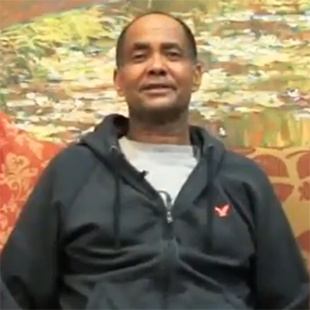
Mr. Hailu Kassa underwent Coronary Artery Bypass Surgery in Vejthani Hospital, Thailand under the supervision of Dr. Piya, Cardio-Thoracic Surgeon

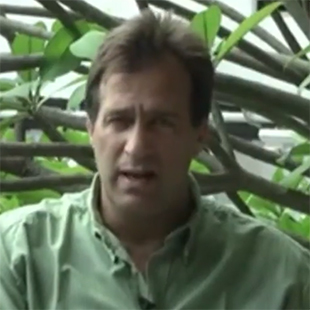
Patient Testimonial: Rod Schaubroeck from United States (U.S.A) underwent heart valve replacement at Fortis Hospital, India
The cost of Norwood Procedure in Ustron may differ from one medical facility to the other. Some of the best hospitals for Norwood Procedure offer a comprehensive package that covers the end-to-end expenses related to investigations and treatment of the patient. The Norwood Procedure package in Ustron includes the fees of the surgeon, hospitalization and anesthesia as well. Post-surgical complications, new findings and delayed recovery may have an impact on the total Norwood Procedure cost in Ustron.
Many hospitals in Ustron perform Norwood Procedure. The following are some of the most renowned hospitals for Norwood Procedure in Ustron:
While the speed of recovery may vary from patient to patient, they are still required to stay for about 21 days after discharge. This duration of stay is recommended to complete all the necessary follow-ups and control tests to ensure that the surgery was successful.
There are certain additional cost that the patient has to pay apart from the Norwood Procedure cost. These are the charges for daily meals and accommodation outside the hospital. The per day cost in this case may range from 55 USD.
After the Norwood Procedure surgery takes place, the average duration of stay at the hospital is about 7 Days. The patient is subjected to several biochemistry and radiological scans to see that everything is okay and the recovery is on track. After making sure that patient is clinically stable, discharge is planned.
There are around 1 Hospitals hospitals in Ustron that offer Norwood Procedure to international patients. These hospitals are approved to perform the surgery and have proper infrastructure to handle Norwood Procedure patients. Apart from good services, the hospitals are known to follow all standard and legal guidelines as dictated by the local medical affairs body or organization.
Have your reports reviewed by independent oncology experts to help you make a confident treatment decision, all online within 48 hours.
Upload Your Reports