Affordable World-class Treatment - Accredited Hospitals - Free Treatment Plan in 24 Hrs

Share your details to receive a personalised treatment plan, estimated costs, hospital recommendations, and expert guidance, “completely free.”
Your information is protected with HIPAA-compliant security standards. We only share your details with hospitals after your consent.
A test called an electrophysiological examination examines the heart's electrical activity, enabling a physician to identify and evaluate rapid or irregular heartbeats. Compared to an external electrocardiogram, it can provide more precise information (ECG). It entails the insertion of a tiny tube known as a catheter into the heart through an artery or vein in the groin.
One type of treatment for an irregular cardiac rhythm is radiofrequency ablation. Similar to an electrophysiology examination (EPS), it involves groin-based catheter insertion into the heart.
| Country | Cost | Local_currency |
|---|---|---|
| United Kingdom | USD 17000 | 13430 |
| Turkey | USD 9500 | 286330 |
| Spain | USD 16000 | 14720 |
| United States | USD 20000 | 20000 |
| Singapore | USD 12000 | 16080 |

Dr. Shagufta Parveen is a Clinical researcher and medical writer with expertise in clinical pharmacology and pharmacotherapeutics. She holds a B.Pharm and Doctor of Pharmacy (Post-Baccalaureate) degree from Teerthanker Mahaveer University, Moradabad.
During her clinical stint at BLK-Max Super Speciality Hospital and Indraprastha Apollo Hospital, she gained hands-on experience in the Clinical Pharmacology Department. Combining scientific knowledge with strong medical writing skills, Dr. Shagufta develops evidence-based healthcare content, treatment guides, and patient education resources.
Her work focuses on simplifying complex medical concepts while maintaining scientific accuracy, helping readers better understand healthcare advancements and treatment options.
In addition to her writing expertise, she is actively involved in scientific research and has contributed to peer-reviewed publications.
Her research work is accessible through the following links:
https://scholar.google.com/citations?user=lMVK1eIAAAAJ&hl=en
https://carcinogenesis.com/index.php/JOC/article/view/870

Our dedicated Medical Patient Advisors are here to answer your questions, help you compare treatment options, estimate costs, and guide you through every step of your healthcare journey.
An electrophysiology (EP) study is a test that examines how electrical signals travel through the pathways in your heart. When these pathways function normally, your heartbeat remains regular. However, if the signals are abnormal, your heartbeat becomes irregular, a condition known as an arrhythmia.
Radiofrequency ablation (RFA) is a procedure used to treat certain types of arrhythmias. Often, it can be performed simultaneously with an EP study. Your doctor will inform you whether you are scheduled for an EP study, an RFA procedure, or both.
EPS and RFA are employed to diagnose and manage arrhythmias ranging from ventricular tachycardia and supraventricular tachycardia (SVT) to atrial fibrillation and atrial flutter. The aim is to stop the cause of the arrhythmia, relieve symptoms such as palpitations or dizziness, prevent a stroke, and improve heart health and overall quality of life.
You should see a doctor if you experience persistent palpitations, fainting (syncope), chest discomfort, shortness of breath, fatigue, or if you have been diagnosed with a heart rhythm disorder. Early diagnosis and treatment reduce complications and improve prognosis.
ECG, echocardiography, Holter monitoring, blood test, and sometimes cardiac MRI or CT are all part of the preparation. In preparation for treatment, you may be asked to fast for six to eight hours, discontinue some medications, and arrange recuperation services and transportation afterwards.
The entire procedure may take two to four hours. Although some patients are discharged the same day, most stay overnight in the hospital for observation.
In some instances, EPS-RFA can reduce stroke risk, enhance signs and quality of life, reduce or eliminate the necessity of long-term medications, and cure permanently several arrhythmias.
After EPS RFA, patients typically must stay overnight in the hospital for observation. Most can resume their normal activities within a few days to a week, but they should avoid strenuous activities for several weeks.
Radiofrequency ablation (RFA) and electrophysiology studies (EPS) vary in their success rates depending on the specific heart rhythm condition being addressed, as well as other factors such as the patient's age and overall health.
The majority of supraventricular reentrant tachycardias have a success rate of >95%, though this varies depending on the type of arrhythmia. The success rate for idiopathic ventricular arrhythmias is 80–90%.
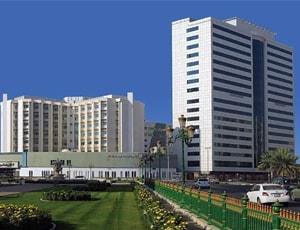
Dubai, United Arab Emirates
Sharjah, United Arab Emirates
Our experienced Medical Patient Advisors have supported 100,000+ patients across 120+ countries with personalised treatment plans, hospital recommendations, cost estimates, and travel assistance, all free.
✓ Free Consultation ✓ No Obligation ✓ Personalized Treatment Plan ✓ Response Within 24 Hours
Your medical info has is HIPAA-style confidential. We never share with hospitals without your consent.

Opinion & Option
We submit the most accurate opinion and options from one or more countries for your review
Consult Privately
Consult with a certified specialist privately on our telemedicine platform even before you decide to travel
Logistics
We handle flights, visas, transfers, and accommodation—so you can focus on your health.
Recovery
Our In-house rehabilitation service packages to better your recovery and treatment outcome
Have your reports reviewed by independent oncology experts to help you make a confident treatment decision, all online within 48 hours.
Upload Your Reports

MediGence took care of everything from helping in choose the right hospital to manage hospital appointments. Strongly recommend MediGence to everyone looking to travel overseas for the surgery.