Your Notifications
All done, no notifications

EPS & RFA Cost in Seoul

USD 5000 - USD 15000

Affordable World-class Treatment - Accredited Hospitals - Free Treatment Plan in 24 Hrs

1
Days in Hospital
2-4 hrs
Procedure Time
90 - 98%
Success Rate
EPS & RFA Treatment | MediGence
JCI/ISO 100,000+ Patients 24X7 Coordinator Visa & Travel handled
Your all-in-one medical travel platform for treatment, recovery & care.

Get Your Personalised Treatment Plan in Just 24 Hours.

Share your details to receive a personalised treatment plan, estimated costs, hospital recommendations, and expert guidance, “completely free.”

Required | alphabets and spaces
Required | A valid, working email address
Required | A valid contact
Connect with an Expert

Your information is protected with HIPAA-compliant security standards. We only share your details with hospitals after your consent.

Estimated Treatment Cost
USD 5000 - USD 15000
All-inclusive • Hospital + Medications + Recovery Assistance + Dedicated Care Coordinator

International Quality. Affordable Care.
Dr. Shagufta Parveen
Author

Doctor of Pharmacy

3 Years of Experience

Last Reviewed - June 2026

Dr. Shagufta Parveen is a Clinical researcher and medical writer with expertise in clinical pharmacology and pharmacotherapeutics. She holds a B.Pharm and Doctor of Pharmacy (Post-Baccalaureate) degree from Teerthanker Mahaveer University, Moradabad.

During her clinical stint at BLK-Max Super Speciality Hospital and Indraprastha Apollo Hospital, she gained hands-on experience in the Clinical Pharmacology Department. Combining scientific knowledge with strong medical writing skills, Dr. Shagufta develops evidence-based healthcare content, treatment guides, and patient education resources.

Her work focuses on simplifying complex medical concepts while maintaining scientific accuracy, helping readers better understand healthcare advancements and treatment options.

In addition to her writing expertise, she is actively involved in scientific research and has contributed to peer-reviewed publications.

Her research work is accessible through the following links:

https://scholar.google.com/citations?user=lMVK1eIAAAAJ&hl=en

https://carcinogenesis.com/index.php/JOC/article/view/870

https://carcinogenesis.com/index.php/JOC/article/view/868

https://wjpsronline.com/abstract/0000000760

View More
Dr. Naresh Kumar Goyal
Reviewer

Cardiologist

21 Years of Experience

Last Reviewed - June 2026

Dr. Naresh Kumar Goyal is highly trained as a cardiologist with exposure in virtually all aspects of cardiology. He qualified with an MD in internal medicine in 1999 from SMS Medical College, Jaipur, and served in the Cardiology Department as an honorary resident. From this stage, he also started with training in the temporary pacing of the pacemaker as well as interventional services.
View More

Need Help Choosing the Right Treatment? Talk to a Medical Advisor

Our dedicated Medical Patient Advisors are here to answer your questions, help you compare treatment options, estimate costs, and guide you through every step of your healthcare journey.

15 min
Average response time

Serving Patients Worldwide in Multiple Languages.

An electrophysiology (EP) study is a test that examines how electrical signals travel through the pathways in your heart. When these pathways function normally, your heartbeat remains regular. However, if the signals are abnormal, your heartbeat becomes irregular, a condition known as an arrhythmia.

Radiofrequency ablation (RFA) is a procedure used to treat certain types of arrhythmias. Often, it can be performed simultaneously with an EP study. Your doctor will inform you whether you are scheduled for an EP study, an RFA procedure, or both.

EPS and RFA are employed to diagnose and manage arrhythmias ranging from ventricular tachycardia and supraventricular tachycardia (SVT) to atrial fibrillation and atrial flutter. The aim is to stop the cause of the arrhythmia, relieve symptoms such as palpitations or dizziness, prevent a stroke, and improve heart health and overall quality of life.

You should see a doctor if you experience persistent palpitations, fainting (syncope), chest discomfort, shortness of breath, fatigue, or if you have been diagnosed with a heart rhythm disorder. Early diagnosis and treatment reduce complications and improve prognosis.

ECG, echocardiography, Holter monitoring, blood test, and sometimes cardiac MRI or CT are all part of the preparation. In preparation for treatment, you may be asked to fast for six to eight hours, discontinue some medications, and arrange recuperation services and transportation afterwards.

  • EPS (Electrophysiology Study): Tiny catheters are inserted to the heart after being inserted into a vein, usually in the neck or groin. Electrical signals are recorded to map the heart's conduction system and identify the site of the arrhythmia.
  • RFA (Radiofrequency Ablation): Once the abnormal area has been located, the catheter sends radiofrequency energy, or heat, to kill the faulty tissue and terminate the abnormal rhythm. The procedure is minimally invasive and takes place under local anaesthesia and sedation.

The entire procedure may take two to four hours. Although some patients are discharged the same day, most stay overnight in the hospital for observation.

  • Bleeding or bruising
  • Infection
  • Blood clots or a stroke
  • Heart perforation
  • Arrhythmia recurrence

In some instances, EPS-RFA can reduce stroke risk, enhance signs and quality of life, reduce or eliminate the necessity of long-term medications, and cure permanently several arrhythmias.

After EPS RFA, patients typically must stay overnight in the hospital for observation. Most can resume their normal activities within a few days to a week, but they should avoid strenuous activities for several weeks.

Radiofrequency ablation (RFA) and electrophysiology studies (EPS) vary in their success rates depending on the specific heart rhythm condition being addressed, as well as other factors such as the patient's age and overall health.

The majority of supraventricular reentrant tachycardias have a success rate of >95%, though this varies depending on the type of arrhythmia. The success rate for idiopathic ventricular arrhythmias is 80\u201390%.

90–95%

Success rate for long-term control of treatable cardiac arrhythmias (condition-dependent)

1–2 days

Typical hospital stay

3–7 days

Return to normal daily activities depending on recovery and heart rhythm stability
Explore Hospitals ( 2 )

Seoul, South Korea

2700+ Beds · 245+ Procedures
ISO
Starting
USD 20000

Seoul, South Korea

808+ Beds · 193+ Procedures
JCI
Starting
USD 20000

Get Your EPS & RFA
Plan in 24 hrs.

Our experienced Medical Patient Advisors have supported 100,000+ patients across 120+ countries with personalised treatment plans, hospital recommendations, cost estimates, and travel assistance, all free.

HIPAA-Compliant Data SecurityShared Only with Your Consent

Free Consultation No Obligation Personalized Treatment Plan Response Within 24 Hours

Required | alphabets and spaces
Required | A valid, working email address
Required | A valid contact

Your medical info is kept HIPAA-style confidential. We never share with hospitals without your consent.

Process Involved for EPS & RFA in Seoul

  • Pre-procedural evaluation & Preparation: Review and modification of medications, including the potential cessation of some medicines before the procedure.
  • Electrophysiology Study (EPS) – Arrhythmia Mapping: An electrode-equipped catheter is implanted to map electrical activity and detect irregular heart rhythms.
  • Radiofrequency Ablation (RFA)
  • Post-Procedure Recovery: Rest & monitoring, temporary activity restrictions
  • Follow-Up & Long-Term Care
  • Supraventricular Tachycardia (SVT)
  • Atrial Fibrillation (AFib)
  • Atrial Flutter
  • Wolff-Parkinson-White (WPW) Syndrome
  • Ventricular Tachycardia (VT)
  • Premature Ventricular Contractions (PVCs)
  • AV Nodal Reentrant Tachycardia (AVNRT)
  • Left Atrial Tachycardia
  • Patients with Recurrent Arrhythmias
    • Supraventricular Tachycardia (SVT)
    • Atrial Fibrillation (AFib)
    • Atrial Flutter
    • Ventricular Tachycardia (VT)
  • Patients Experiencing Severe Symptoms
    • Frequent palpitations
    • Dizziness, fainting (syncope)
    • Chest discomfort
  • Medication-Resistant Arrhythmias
  • High Risk of Sudden Cardiac Arrest (SCA)
  • Wolff-Parkinson-White (WPW) Syndrome
  • 3D Electroanatomic Mapping
  • Intracardiac Echocardiography (ICE)
  • Holter Monitoring & Event Recorder
  • Pacemaker or ICD Implantation
  • Cryoablation
  • Accurate Diagnosis of Arrhythmias
  • Permanent Solution for Many Arrhythmias
  • Quick Recovery & Short Hospital Stay
  • Reduces Stroke & Heart Failure Risk
  • Cardiologist
  • Interventional Cardiologist
  • Radiologist
  • Fill out the inquiry form: Fill out the form to provide us with the relevant information about your condition.
  • Consult with Our Healthcare Expert: One of our qualified specialists will contact you for a consultation.
  • Receive a Detailed Treatment Plan: After examining your situation, we will provide you with a detailed treatment plan that includes expert views and cost breakdowns for various choices.
  • Choose your preferred option: Choose the treatment option that suits you the best.
Jenny Wilson
Your Dedicated Medical Patient Advisor
Treatment planning • Hospital coordination • Multilingual support • Response within 15 minutes.
Our Services to Better your Experience

Opinion & Option

We submit the most accurate opinion and options from one or more countries for your review

Consult Privately

Consult with a certified specialist privately on our telemedicine platform even before you decide to travel

Logistics

We handle flights, visas, transfers, and accommodation—so you can focus on your health.

Recovery

Our In-house rehabilitation service packages to better your recovery and treatment outcome

Patient Stories

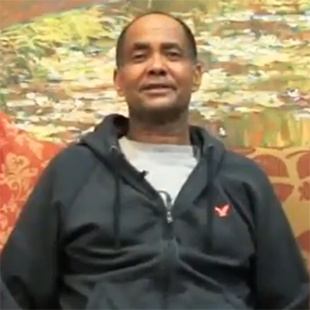
Mr Hailu Kassa : CABG Surgery
Mr Hailu Kassa
Mr Hailu Kassa : CABG Surgery

Mr. Hailu Kassa underwent Coronary Artery Bypass Surgery in Vejthani Hospital, Thailand under the supervision of Dr. Piya, Cardio-Thoracic Surgeon

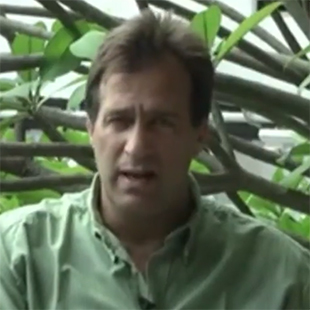
Rod Schaubroeck
Rod Schaubroeck
Rod Schaubroeck : Double Valve Replacement

Patient Testimonial: Rod Schaubroeck from United States (U.S.A) underwent heart valve replacement at Fortis Hospital, India

Frequently Asked Questions

The minimum cost of EPS & RFA in Seoul is about $20000. Many multispeciality hospitals in Seoul that are JCI certified are approved and most sought after for treating international patients with EPS & RFA.

EPS & RFA package cost in Seoul has different inclusions and exclusions. The top hospitals for EPS & RFA in Seoul covers all the expenses related to the pre-surgery investigations of the candidate. The EPS & RFA package in Seoul includes the fees of the surgeon, hospitalization and anesthesia as well. Post-surgical complications, new findings and delayed recovery may have an impact on the total EPS & RFA cost in Seoul.

There are many hospitals across the country that offer EPS & RFA to international patients. The top hospitals for EPS & RFA in Seoul include the following:

After EPS & RFA in Seoul, the patient is supposed to stay in guest house for another 9 days. This is important to ensure that the surgery was successful. During this time, control and follow-up tests take place to check for medical fitness.

There are certain additional cost that the patient has to pay apart from the EPS & RFA cost. These are the chanrges for daily meals and hotel stay outside the hospital. The extra charges may vary from 40 USD.

The patient has to spend about 1 Days in the hospital after EPS & RFA for proper recovery and to get clearance for discharge. During the recovery, the patient is carefully monitored and control tests are performed to see that everything is okay. If required, physiotherapy sessions are also planned during recovery in hospital.

There are more than 2 Hospitals that offer EPS & RFA in Seoul. These hospitals have proper infrastructure for the treatment of patients who require EPS & RFA. Apart from good services, the hospitals are known to follow all standard and legal guidelines as dictated by the local medical affairs body or organization.

One of the most popular destinations for medical tourism in the world, Seoul, the capital of South Korea attracts around 60% of the patients traveling to the country for quality care. More than 2.76 million International patients travel to South Korea on average. This can be attributed to high-quality medical services, economical healthcare services, and affordable packages that combine both treatment and relaxation. The number of healthcare organizations in Seoul tally up to 21,507. Out of these, 14 are advanced hospitals that provide a range of healthcare services. The high success rate of cancer treatment, plastic surgery, and organ transplants attract the majority of foreign patients to Seoul. Hundreds and thousands of patients from abroad travel to Seoul for cosmetic and plastic surgery. The largest proportion of medical tourists belonged to China and the United States. The top hospitals in Seoul have well-trained medical staff along with coordinators that help international patients availing treatments without any issues.

Seoul has a wide network of internationally accredited hospitals that are using cutting-edge medical technology to treat patients. Some of the top hospitals in Seoul are:

  • International St. Mary’s Hospital: The hospital is a JCI-accredited facility with a committed multilingual staff. It has more than 35 clinical departments to look after the healthcare needs of patients from around the world. The hospital has a dedicated organ transplant and emergency care center.
  • Asan medical center: The largest hospital in South Korea, the Asan medical center receives 3, 439, 834 outpatients and 919, 339 inpatients annually. With its highly trained and experienced medical staff, the hospital performs over 71,000 surgeries in a year. The hospital has received certification from ISO.
  • BK Plastic Surgery: This center is dedicated to performing various types of surgery for the cosmetic needs of the patients, Some of the common plastic and cosmetic procedures performed here involve eyelid surgery, fat grafting, nose surgery, facial contouring, and hair transplant.

The doctors in Seoul obtained their medical education and training from some of the most reputed medical institutions around the world. Some of the top doctors in Seoul are:

  • Dr. Young hoon Kim: He has more than 15 years of experience in the field of neurosurgery. Some of the procedures he is adept at performing include microdiscectomy, craniotomy, kyphoplasty, and spinal fusion surgery.
  • Dr.Jung Hee lee: She is an acclaimed hematologist with around 20 years of experience in treating various types of blood disorders and cancers such as Thalassemia, sickle cell disease, acute myelogenous leukemia, and lymphoma.
  • Dr. Hanjong Ahn: With over 20 years of experience as a urosurgeon, Dr. Ahn offers treatments for ailments such as colon cancer, benign prostatic hyperplasia, bladder cancer, and prostate cancer.

Seoul is a major healthcare center and is well connected to the major cities in the globe via air. You can reach the city by international flights. If you are planning to travel, then we can assist you in making the journey hassle-free.

FAQ's Related to South Korea

One of the most popular destinations for medical tourism in the world, Seoul, the capital of South Korea attracts around 60% of the patients traveling to the country for quality care. More than 2.76 million International patients travel to South Korea on average. This can be attributed to high-quality medical services, economical healthcare services, and affordable packages that combine both treatment and relaxation. The number of healthcare organizations in Seoul tally up to 21,507. Out of these, 14 are advanced hospitals that provide a range of healthcare services. The high success rate of cancer treatment, plastic surgery, and organ transplants attract the majority of foreign patients to Seoul. Hundreds and thousands of patients from abroad travel to Seoul for cosmetic and plastic surgery. The largest proportion of medical tourists belonged to China and the United States. The top hospitals in Seoul have well-trained medical staff along with coordinators that help international patients availing treatments without any issues.

Seoul has a wide network of internationally accredited hospitals that are using cutting-edge medical technology to treat patients. Some of the top hospitals in Seoul are:

  • International St. Mary’s Hospital: The hospital is a JCI-accredited facility with a committed multilingual staff. It has more than 35 clinical departments to look after the healthcare needs of patients from around the world. The hospital has a dedicated organ transplant and emergency care center.
  • Asan medical center: The largest hospital in South Korea, the Asan medical center receives 3, 439, 834 outpatients and 919, 339 inpatients annually. With its highly trained and experienced medical staff, the hospital performs over 71,000 surgeries in a year. The hospital has received certification from ISO.
  • BK Plastic Surgery: This center is dedicated to performing various types of surgery for the cosmetic needs of the patients, Some of the common plastic and cosmetic procedures performed here involve eyelid surgery, fat grafting, nose surgery, facial contouring, and hair transplant.

The doctors in Seoul obtained their medical education and training from some of the most reputed medical institutions around the world. Some of the top doctors in Seoul are:

  • Dr. Young hoon Kim: He has more than 15 years of experience in the field of neurosurgery. Some of the procedures he is adept at performing include microdiscectomy, craniotomy, kyphoplasty, and spinal fusion surgery.
  • Dr.Jung Hee lee: She is an acclaimed hematologist with around 20 years of experience in treating various types of blood disorders and cancers such as Thalassemia, sickle cell disease, acute myelogenous leukemia, and lymphoma.
  • Dr. Hanjong Ahn: With over 20 years of experience as a urosurgeon, Dr. Ahn offers treatments for ailments such as colon cancer, benign prostatic hyperplasia, bladder cancer, and prostate cancer.

Seoul is a major healthcare center and is well connected to the major cities in the globe via air. You can reach the city by international flights. If you are planning to travel, then we can assist you in making the journey hassle-free.

Not Sure About Your Treatment Plan? Get a Free Second Opinion

Have your reports reviewed by independent oncology experts to help you make a confident treatment decision, all online within 48 hours.

Upload Your Reports
Free second opinion on your CAR-T plan